The Tourism Times | Breaking tourism-related news from Nepal and beyond
°C
Climbing
NMA presses for UIAA recognition to 6 more peaks as general assembly underway
By
Tourism Times
Published at : 30 Oct 2026, 12:18 PM
KATHMANDU: The Nepal Mountaineering Association (NMA) has urged the International Climbing and Mountaineering Federation (UIAA) to recognise six additional peaks above 8,000 metres in Nepal as separate mountains, arguing that each has its own geographical identity, distinct summit and independent climbing route.
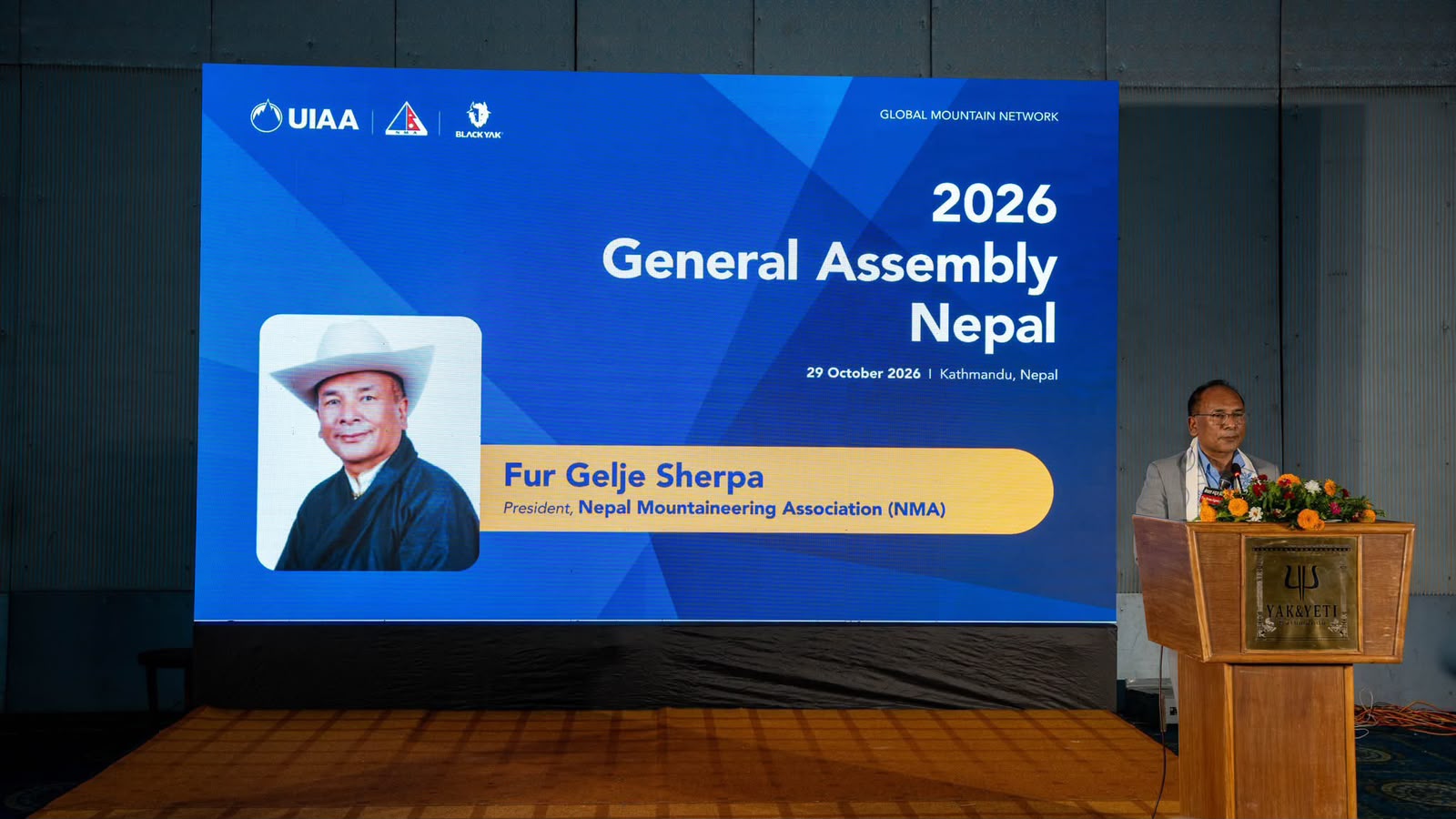
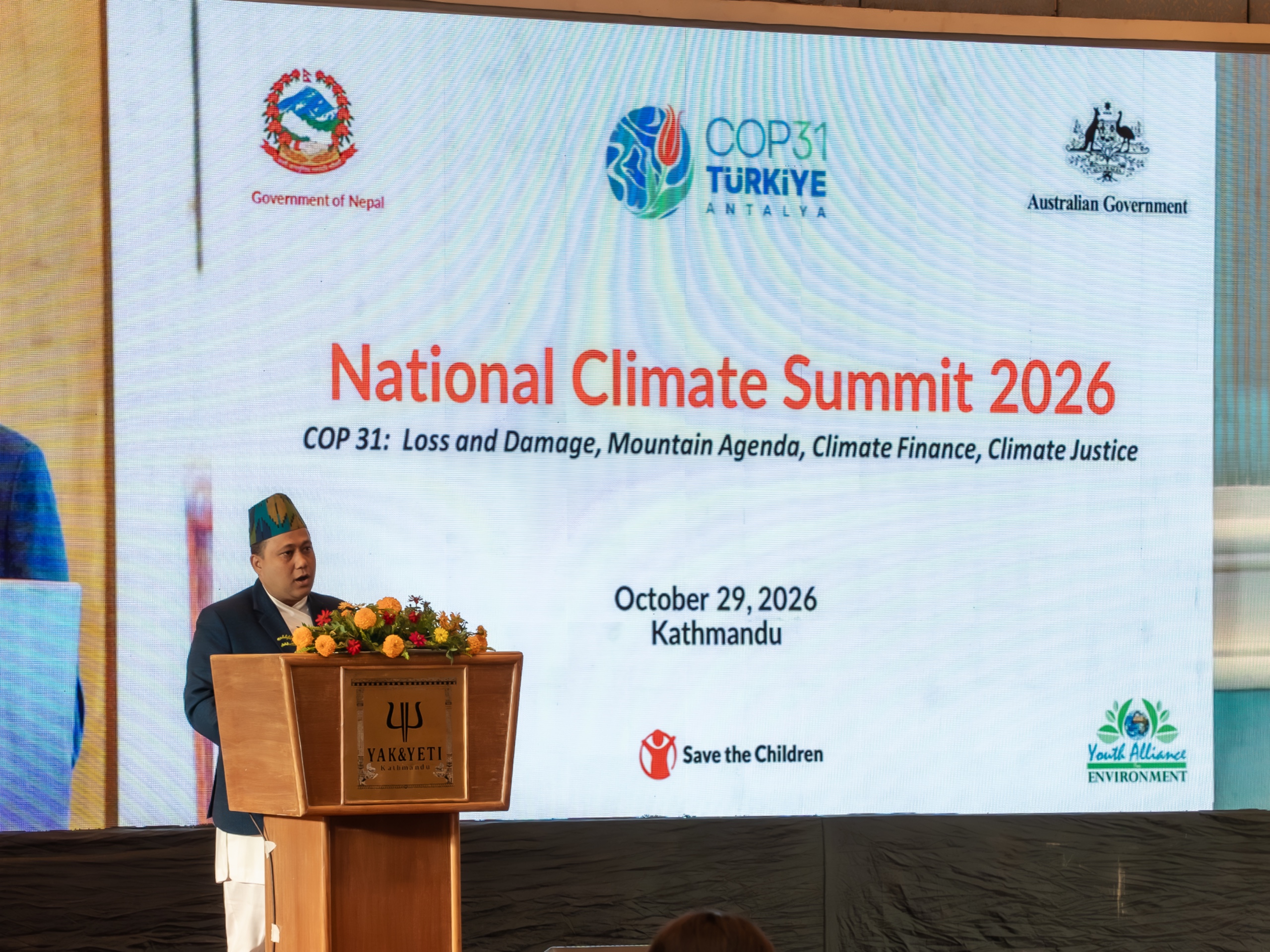
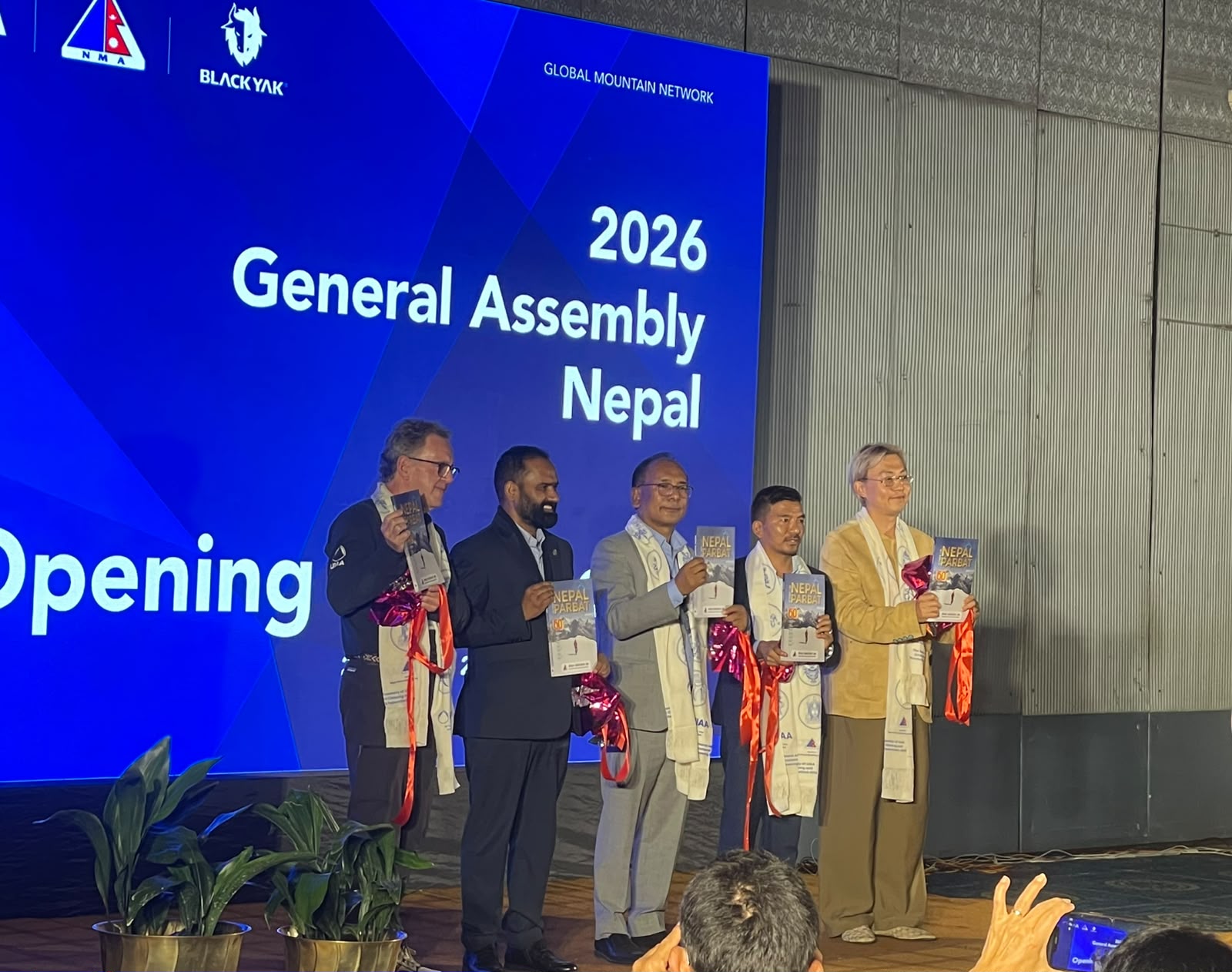
Addressing the inaugural ceremony of the UIAA 2026 General Assembly in Kathmandu on Thursday, NMA President Fur Gelje Sherpa called on the federation's executive board to formally evaluate the six peaks using geographical, scientific and international mountaineering criteria.
The proposed peaks are Kanchenjunga South (8,476 metres), Kanchenjunga West (8,077 metres), Kanchenjunga Central (8,473 metres) and Yalung Khang (8,595 metres) in the Kanchenjunga range, and Lhotse Middle (8,410 metres) and Lhotse Shar (8,400 metres) in the Everest-Lhotse range.
Sherpa said the peaks had been opened for mountaineering by the Government of Nepal but had yet to receive the international recognition sought by the NMA and its previous leadership. He said the issue had been raised by several former NMA presidents and executive committee members over the years, but had not received the response the association had hoped for.
The NMA has conducted an intensive study of the six peaks through an expert team, which assessed and measured them and compiled evidence of their geographical identities, distinct summits and separate climbing routes. Sherpa said five members of the team, led by Madhu Sudan Adhikari, would present the findings to the international delegates following his address.
The association argues that the six summits should be assessed individually because each is known by its own name, recognised as distinct by local communities and has a separate route to the top. Climbing one summit does not mean reaching another, Sherpa said, adding that each peak constitutes a separate mountaineering objective requiring its own expedition.
He stressed that ascents above 8,000 metres demand exceptional endurance, technical skills, experience and preparation. Recognition of an additional summit as an independent 8,000-metre mountain, he argued, would acknowledge its distinct mountaineering significance rather than simply increase the number of recognised peaks.
“Mountains are the creations of nature. Science has developed ways to measure how independent each peak is. However, deciding the exact point at which a peak should be treated as a separate mountain is a human decision. It requires international agreement,” Sherpa said.
He called on the UIAA executive board and the wider international mountaineering community to consider the evidence and support a formal evaluation of the six peaks. The association wants their local names, geographical characteristics and individual summit routes to receive what it described as fair and professional consideration.
Sherpa also said Nepal should take the lead in developing a clear, scientifically grounded international method for classifying mountains in the Nepal Himalaya. He said the reassessment should extend beyond the six proposed 8,000-metre peaks and contribute to a broader framework for determining when a summit qualifies as a separate mountain.
The UIAA General Assembly, which began in Kathmandu on Thursday, has brought international mountaineering representatives to Nepal for discussions on issues concerning climbing and mountaineering. Nepal is using the gathering to seek wider international consideration of its proposal for the six additional peaks.


 °C
Comment