The Tourism Times | Breaking tourism-related news from Nepal and beyond
°C
Travel & Leisure
Bureaucracy at high altitude: Permit delays hamper timely rescue on Yalung Ri
By
Tourism Times
Published at : 4 Nov 2025, 3:25 PM
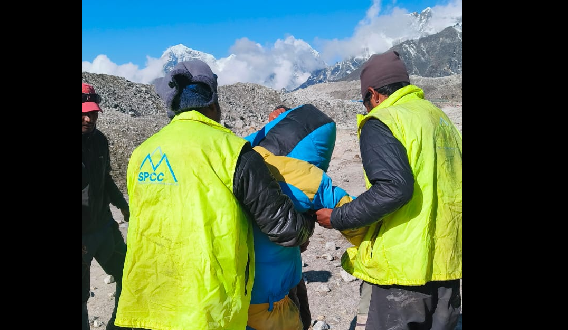
KATHMANDU: A deadly avalanche on Yalung Ri that killed seven climbers and injured five others has exposed critical flaws in Nepal's emergency response system, with survivors and officials blaming a labyrinthine government approval process for critically delaying rescue efforts.
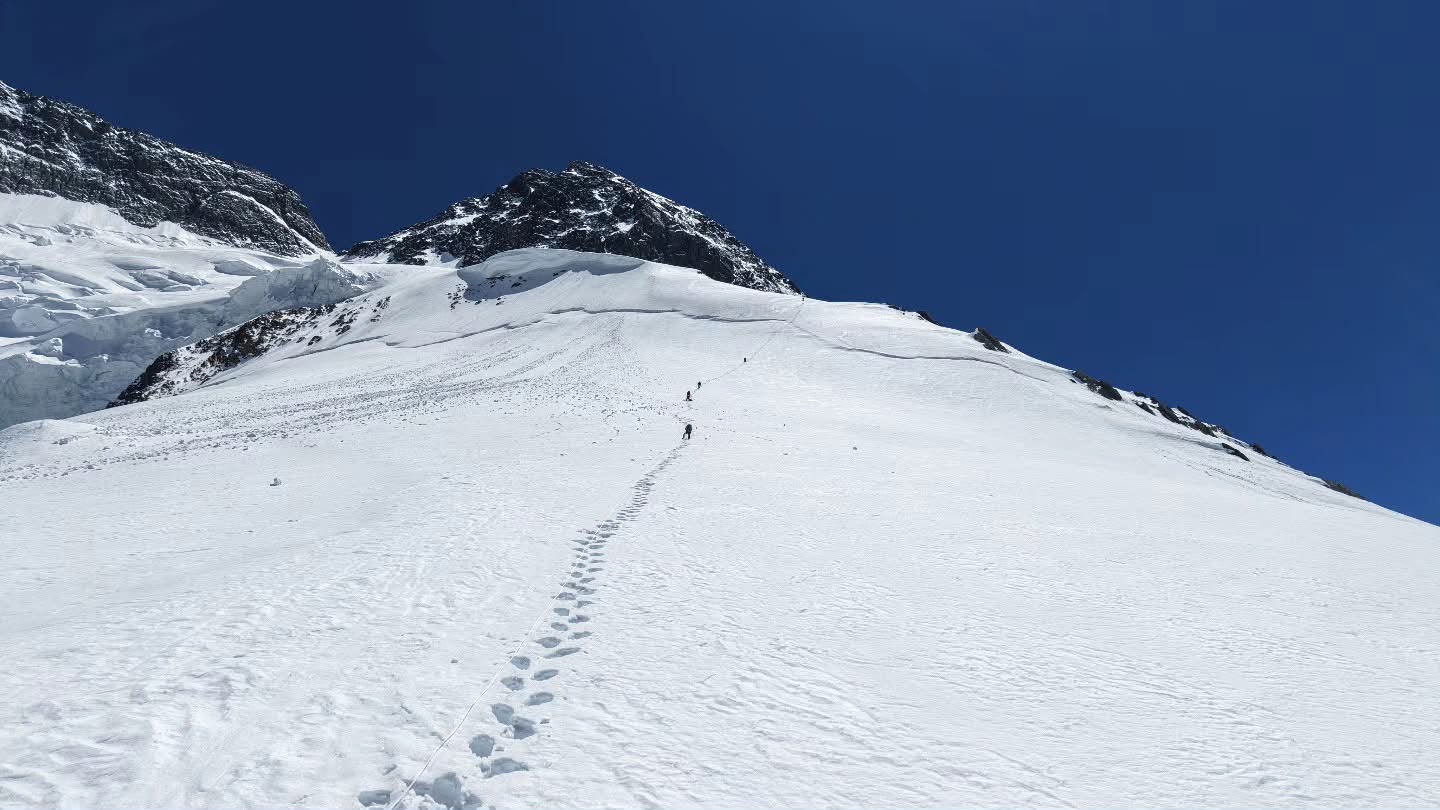
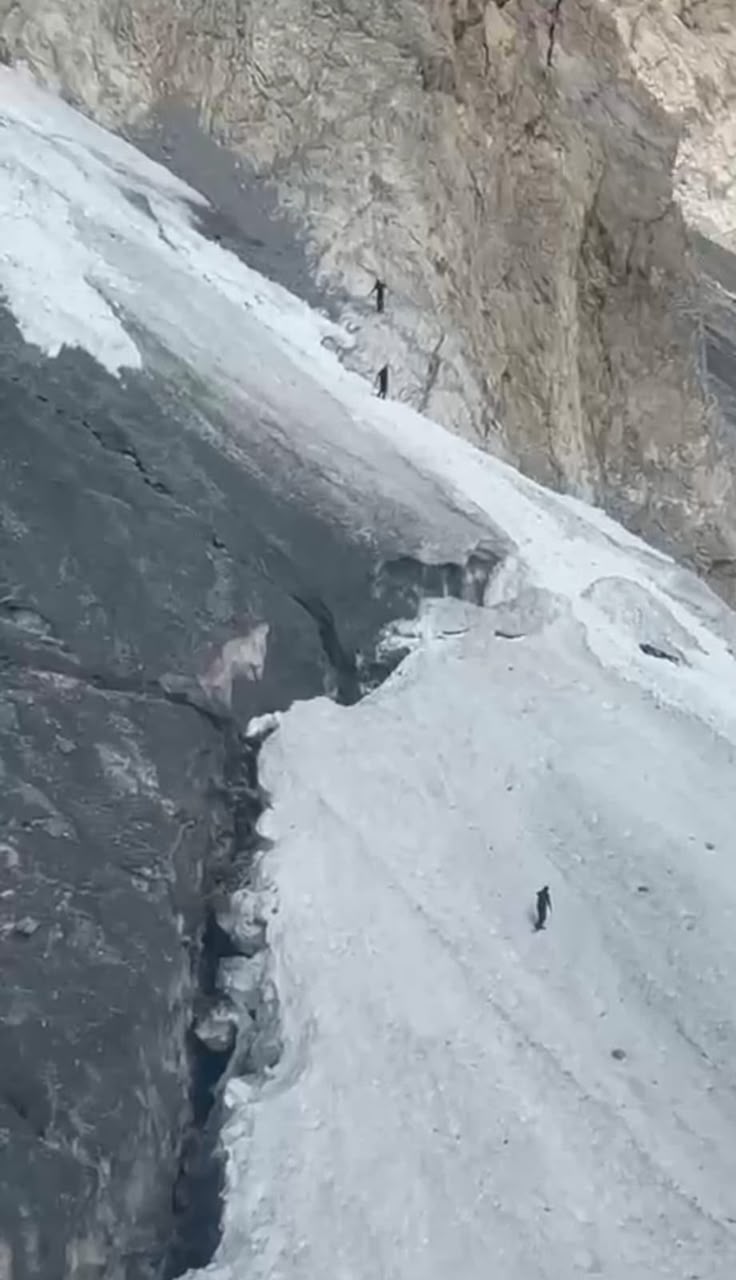
The disaster struck on the morning of November 3 as a team of climbers was ascending a steep ice slope near the summit of Yalung Ri. However, the emergency response was immediately snared in red tape because the Rolwaling Valley is designated a restricted zone, requiring multiple layers of permission for rescue flights.
The human cost of the delay was starkly recounted by the climbers on the ground. Seriously injured climber Nima Gyalzen Sherpa, now admitted at a Kathmandu hospital, stated, “We have to wait for more than 24 hours to get evacuated from the incident site.” He described a desperate scene, saying, “Many fellow climbers were crying for hours seeking immediate rescue.”
The complexity of the process was detailed by a senior rescue pilot of a private helicopter, who explained, “From the Ministry of Tourism to Civil Aviation Authority of Nepal, rescue flight approval for Rolwaling needs permission from the Ministry of Defence and Home Ministry as well.”
This multi-ministry approval chain led to a critical lag. Senior climber and IFMGA guide Pasang Kidar Sherpa, who is also the vice president of the Rolwaling Everest Summiteers Club, criticized the authorities, noting, “The avalanche occurred at around 9:00 am on November 3 but rescue mission was approved almost eight hours later.” By the time a helicopter reached Nah Gaun in the evening, locals reported that adverse weather had already grounded further operations.
Local authorities confirmed the systemic failure. Ward Chairperson of Gauri Shankar Rural Municipality, Nimgeli Sherpa, said, “Rescue efforts were delayed despite repeated calls to the authorities early in the morning.” He added, “Permission issues for flying helicopters in the restricted Rolwaling region adversely hampered the response.” The frustration was palpable as stakeholders accused agencies of intransigence, claiming, “The Civil Aviation Authority of Nepal and the Home Ministry are playing foul with the Rolwaling locals by restricting them from using choppers in times of emergency.”
In the wake of the tragedy, mountaineering bodies and government agencies are promising action. Phur Gyalje Sherpa, President at Nepal Mountaineering Association, emphasized, “Smooth rescue services is need of hour in time of mountaineering disasters.” He committed that “NMA will take Rolwaling issue very seriously and coordinate with the government agencies for necessary facilitations,” and stressed that “such incidents should not be repeated in the name of ‘restricted zone’.”
Echoing this sentiment, officials at the Department of Tourism, stated, “The DoT will take up the issue seriously and will coordinate with the other agencies as early as possible.” The incident has sparked a unified demand from all stakeholders for a simplified and expedited helicopter flight process to ensure that bureaucratic hurdles do not compound natural disasters in the future.
The Fact Is There Was, And Still Is A Lot Of New Snow In The Himalayas.
Heavy New Snow Is A Formula For Avalanches.
One Could Say That The Climbers Should Not Have Been There. Almost All Climbing Accidents Are Due To Bad Choices Or Execution.


 °C
°C 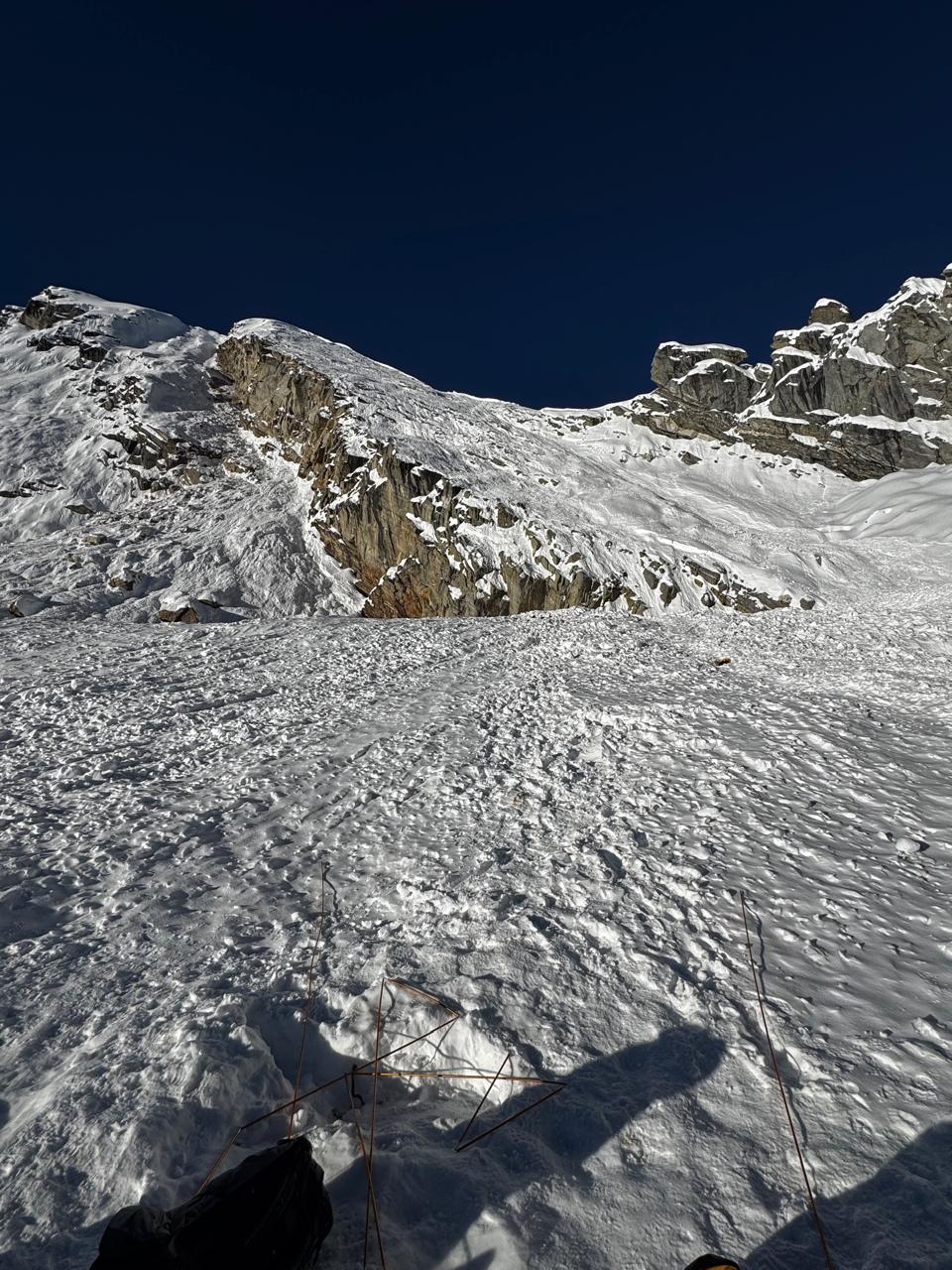

Comment
Jim Welch
The Fact Is There Was, And Still Is A Lot Of New Snow In The Himalayas. Heavy New Snow Is A Formula For Avalanches. One Could Say That The Climbers Should Not Have Been There. Almost All Climbing Accidents Are Due To Bad Choices Or Execution.