The Tourism Times | Breaking tourism-related news from Nepal and beyond
°C
Environment
2026 El Niño may bring wetter winter, more mountain hazards in Nepal
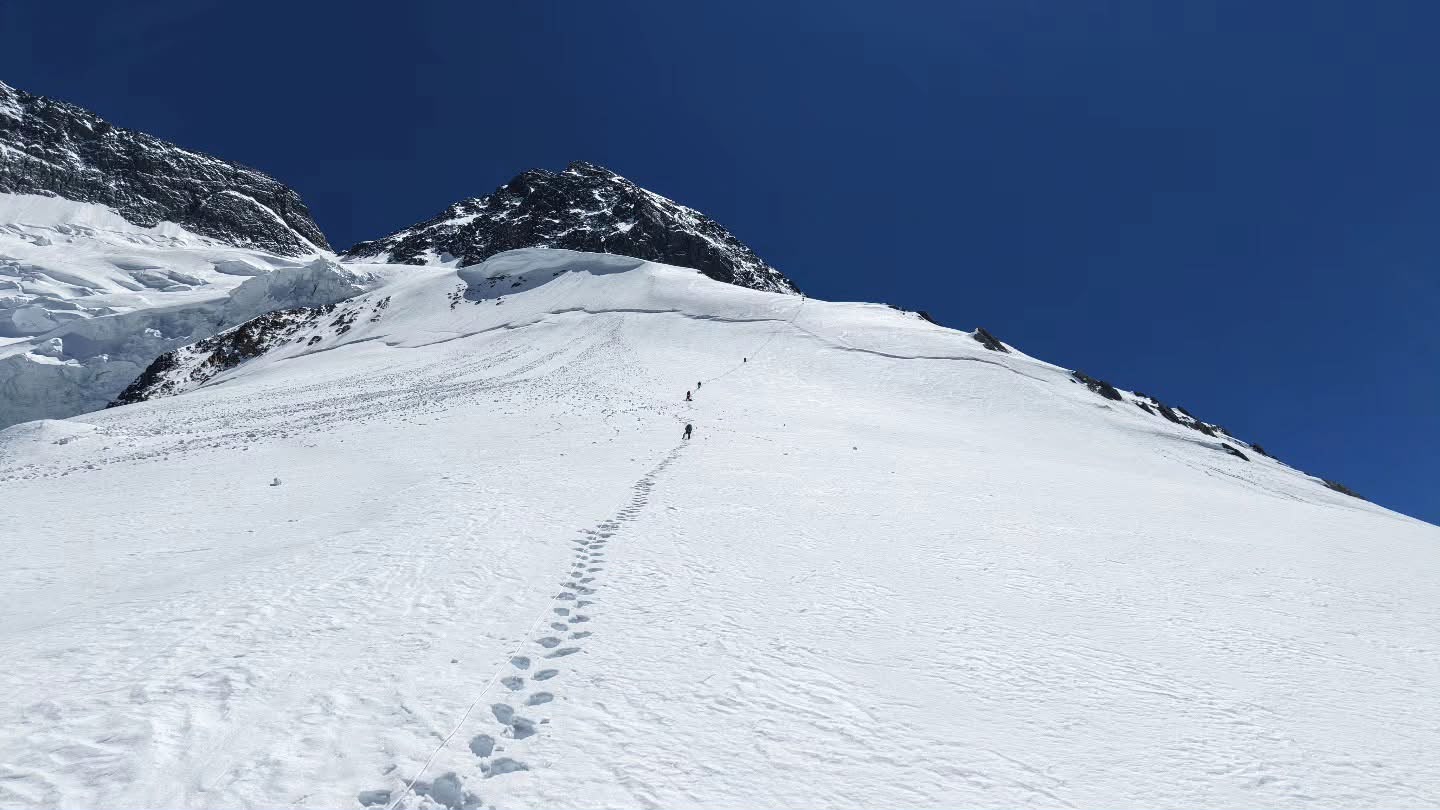
Photo: Sarthak Shrestha / ICIMOD
By
Tourism Times
Published at : 23 Nov 2026, 11:03 AM
KATHMANDU: Nepal is expected to receive above-normal winter precipitation, with increased snowfall in the northern mountains and a warmer-than-normal season in the hills, according to the Hindu Kush Himalaya (HKH) Winter Outlook 2026 released by the International Centre for Integrated Mountain Development (ICIMOD).
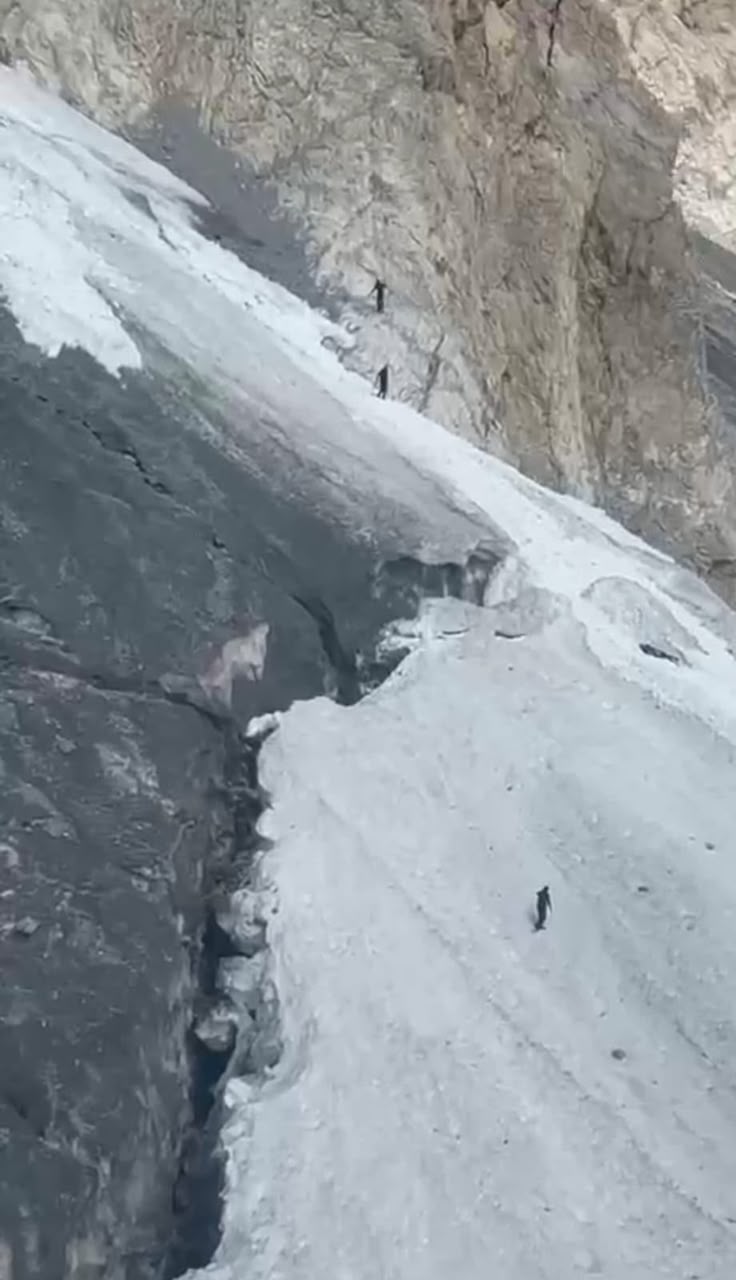
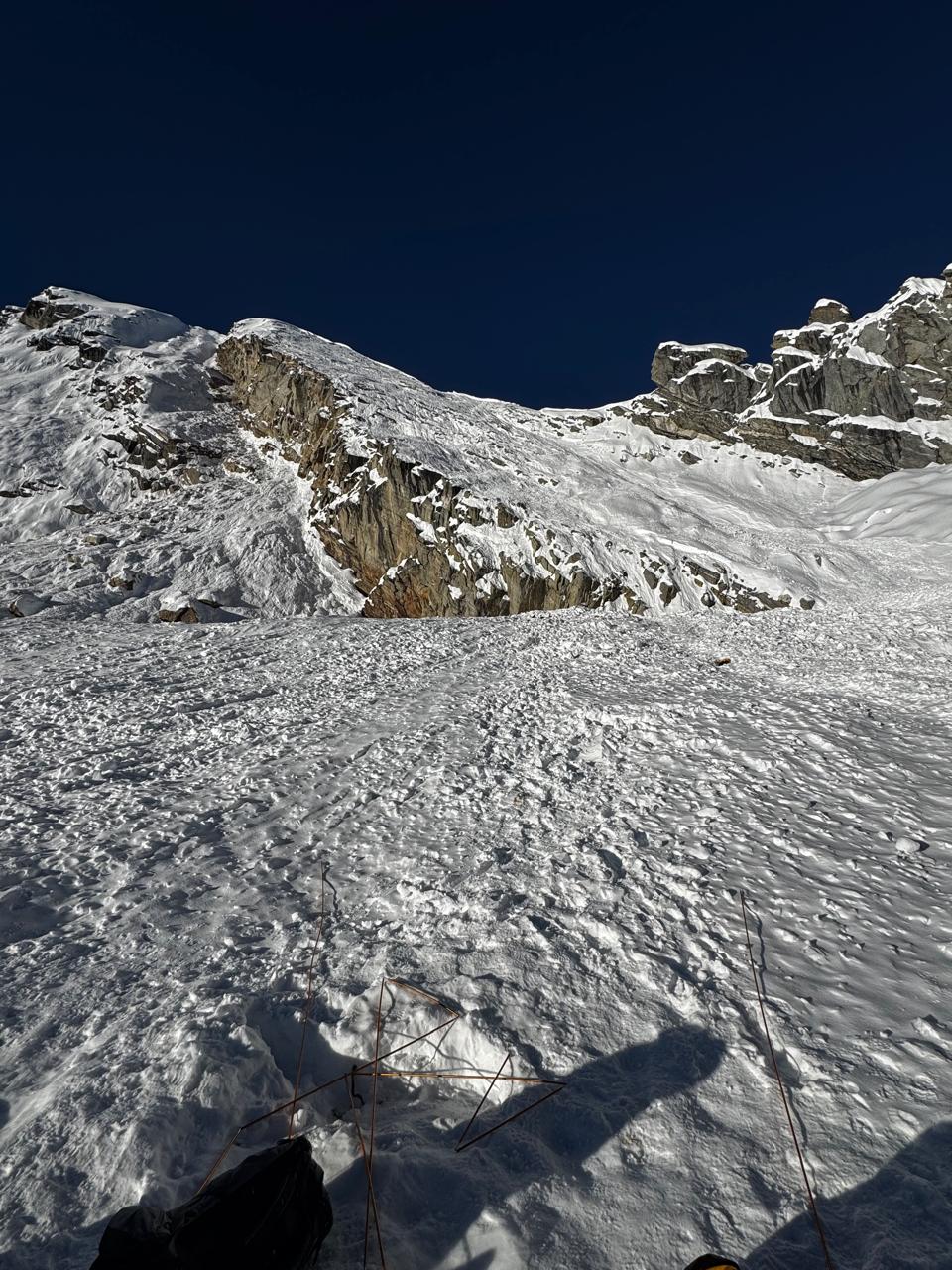
The outlook, prepared by ICIMOD, Beijing Normal University and the Institute of Atmospheric Physics of the Chinese Academy of Sciences, points to wetter conditions across much of the HKH region, including Nepal. It also warns that heavier winter precipitation could increase the risk of mountain hazards in parts of the region, including avalanches, landslides and rain-on-snow events.
The outlook comes as the US National Oceanic and Atmospheric Administration is reporting a strong-to-very-strong El Niño, which ICIMOD scientists say could bring more rain to the Himalayan foothills and more snow at higher elevations.
For Nepal, the strongest above-normal precipitation signal is expected in central areas. Hills are projected to be warmer than normal, while higher elevations could be cooler. Snow depth in northern Nepal is also forecast to be above normal.
Snowpack, water and fire risks
The report says snow depth will be deeper than normal in parts of Afghanistan, Pakistan, northern India and Nepal, while shallower snow is expected in parts of Bhutan and the eastern Xizang Autonomous Region of China.
Snow accumulation is an important indicator of future river flows and the region's water availability. Reduced snowpack can affect spring flows, irrigation and hydropower generation, while increased snowfall can contribute to avalanche risks and difficulties along high-altitude routes and transport corridors.
A wetter winter, however, will not eliminate the risk of forest and grassland fires. ICIMOD projects high to very high fire danger in parts of southeastern Xizang and Myanmar, while Nepal is expected to face very low fire danger across most mapped forest and grassland areas, with pockets of low to moderate risk along its western and eastern margins.
ICIMOD hydrologist Manish Shrestha said preparedness should continue beyond the monsoon as rainfall patterns become more erratic and intense.
The outlook follows a destructive monsoon season in the region, including major events in Nepal and Bhutan associated with changes in glaciers and permafrost. ICIMOD cited an estimate by Nepal's National Disaster Risk Reduction and Management Authority that the August 2026 rock-ice avalanche in Rasuwa resulted in $4.7 billion in relief and reconstruction costs.
The winter outlook will be discussed at the international conference ‘Advancing Science, Policy, and Regional Cooperation for the HKH Cryosphere’, scheduled in Kathmandu from November 25 to 27. The conference is part of the UN Decade of Action for Cryospheric Sciences (2025–2034) and will bring together scientists and policymakers to discuss monitoring, early warning and regional cooperation.


 °C
.jpg)



Comment