The Tourism Times | Breaking tourism-related news from Nepal and beyond
°C
Environment
Rasuwa disaster prompts regional push to identify other high-risk mountain sites
Photo: Jitendra Raj Bajracharya/ICIMOD
By
Tourism Times
Published at : 20 Sep 2026, 12:22 PM
More than 80 experts and officials from six Himalayan countries meet in Kathmandu to assess cascading mountain risks and strengthen early warning systems
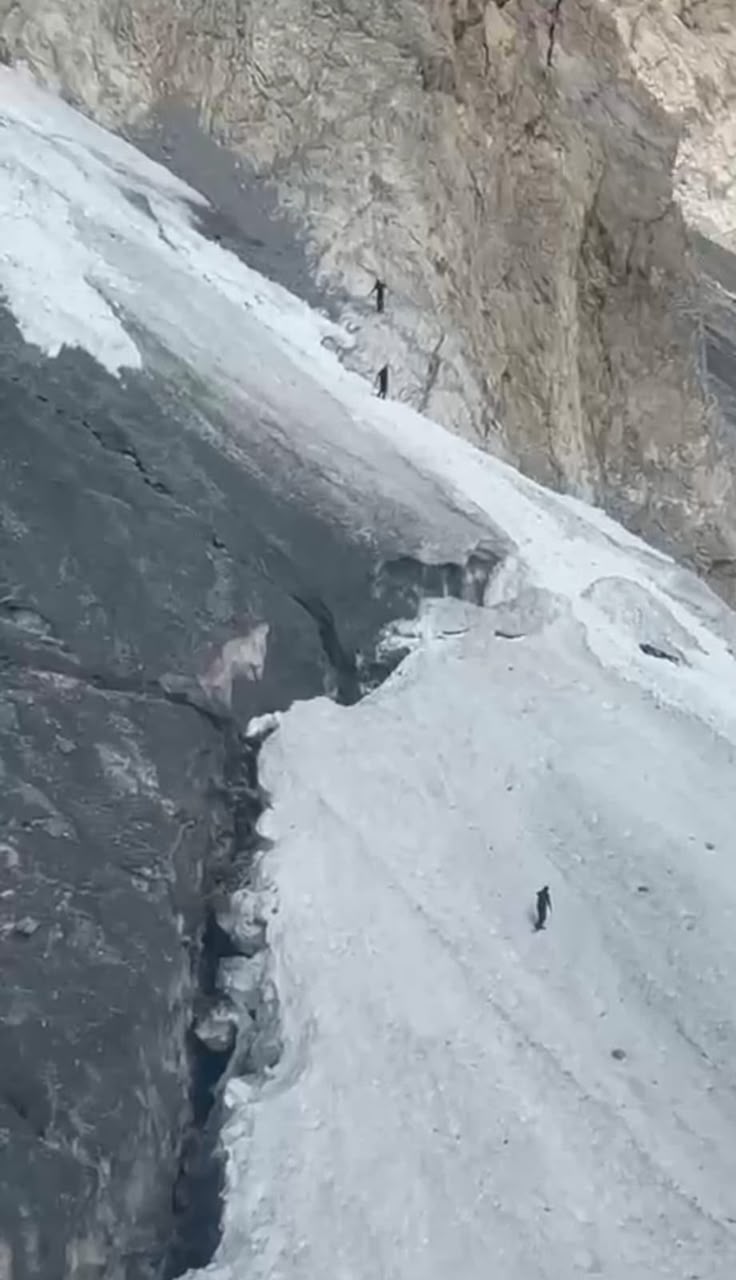
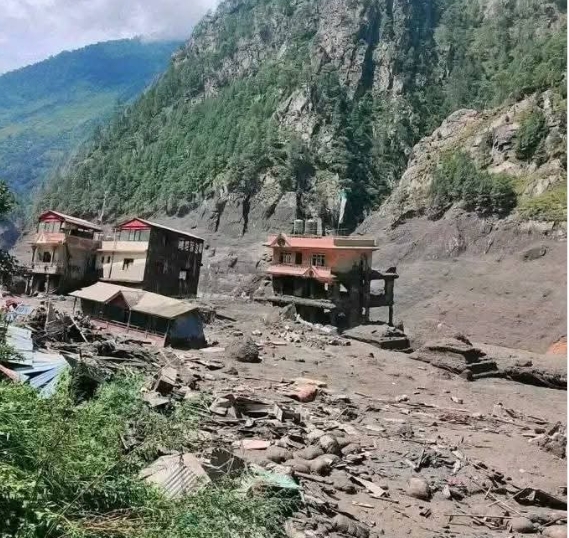
KATHMANDU: The disaster triggered by an ice-rock avalanche in Rasuwa has prompted a regional effort to identify other potentially dangerous sites across the Hindu Kush Himalaya and strengthen systems for monitoring and warning communities in time.
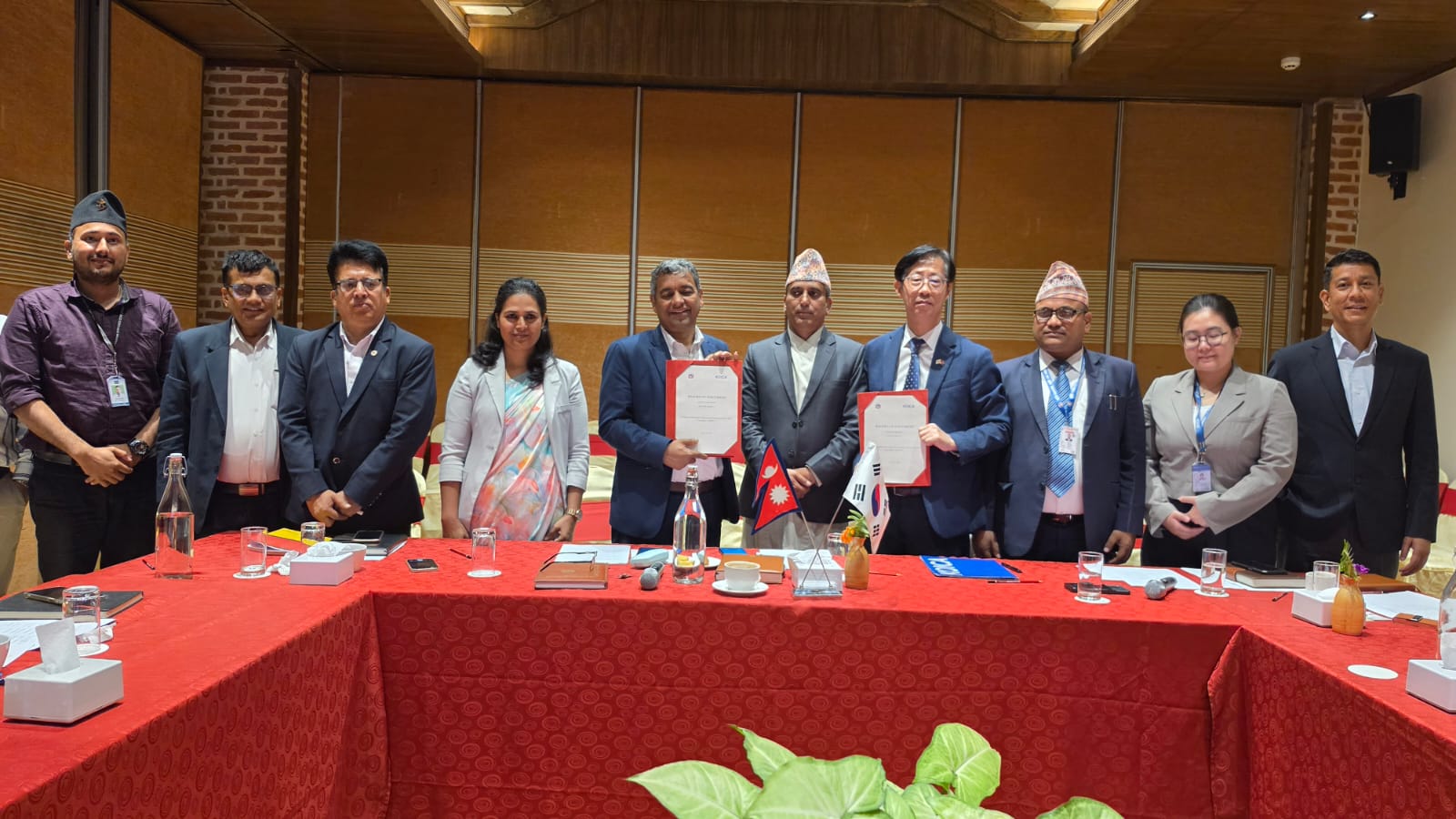
More than 80 cryosphere experts, government officials and representatives of aid agencies from Bangladesh, Bhutan, China, India, Nepal and Pakistan gathered in Kathmandu from September 15 to 17 for discussions convened by the International Centre for Integrated Mountain Development (ICIMOD) and the Government of Nepal with support from the Embassy of Switzerland.
The meeting followed the August 26 failure of a north-facing slope on Langtang Lirung, which triggered an ice-rock avalanche that swept down the Bhote Koshi–Trishuli valley and across the Nepal-China border as a wall of floodwater.
ICIMOD Director General Dr Pema Gyamtsho has proposed that the event be referred to by its trigger site as the Lirung ice-rock avalanche, raising questions about how many other potentially unstable sites exist in the region's glaciated mountains.
Participants visited the disaster site before holding two days of discussions in Kathmandu. They examined the sequence of events at the Lirung rockface and Rasuwa valley, compared Nepal's experience with the 2025 Blatten ice-rock avalanche in Switzerland, and shared experiences of similar events from across the Hindu Kush Himalaya.
The discussions focused on gaps in monitoring, early warning and disaster response systems, as well as measures needed to better prepare the region for cascading mountain hazards.
The meeting is expected to culminate in a joint Action Plan on managing cascading mountain risks, including identification of high-risk glaciated hotspots across the Hindu Kush Himalaya and measures to monitor them and provide timely warnings.
Resident ambassadors from China, Pakistan, Switzerland, the United Kingdom and Norway, along with development organisations, also joined a roundtable to discuss the findings and international support for implementing the proposed measures.


 °C
°C 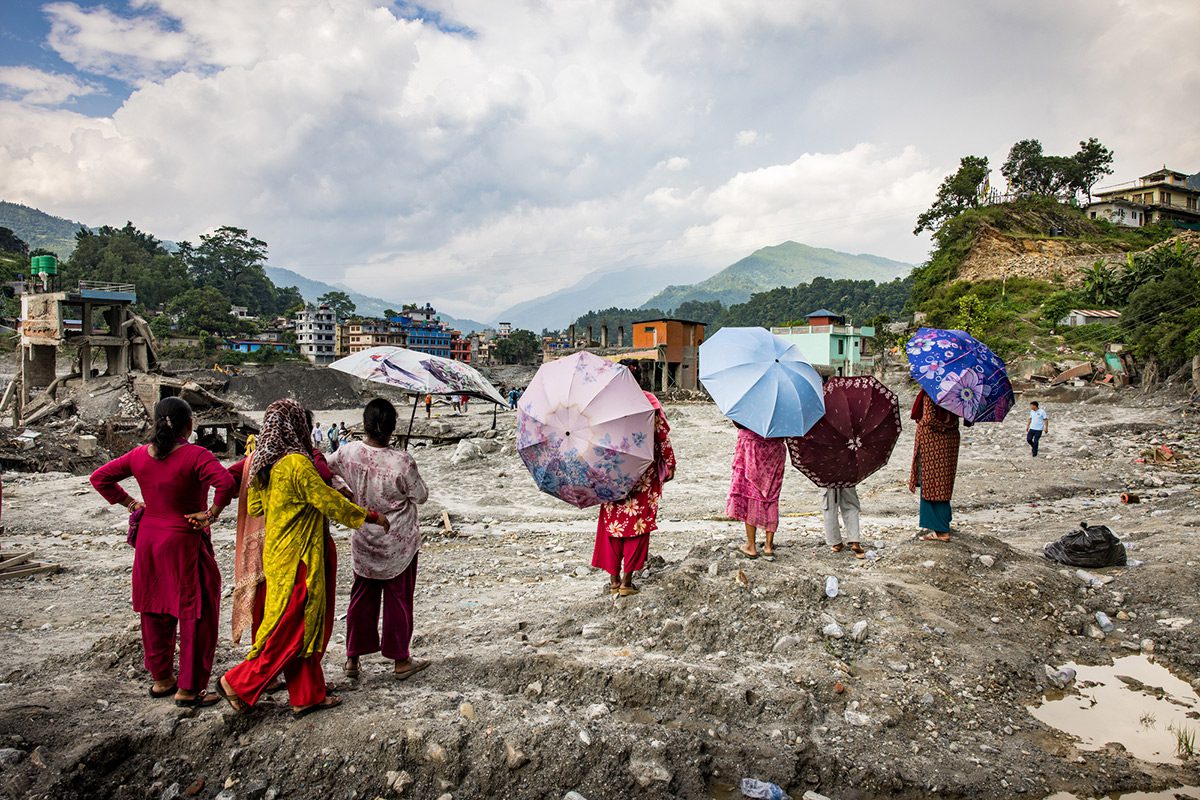
Comment