The Tourism Times | Breaking tourism-related news from Nepal and beyond
°C
Global
The mountain never compromises: Mountaineering in Nepal, rising risks, and the need for a safer future
Passang Nuru Sherpa
By
Passang Nuru Sherpa
Published at : 2 Aug 2026, 9:46 PM
When people think of Nepal, the first image that comes to mind is its mountains. From Mount Everest to Kanchenjunga, Lhotse, Makalu, Cho Oyu, Manaslu, Dhaulagiri, and Annapurna, Nepal’s Himalayan peaks have given the country a unique place on the world map. Home to eight of the world’s fourteen mountains rising above 8,000 meters, Nepal’s Himalayas are not merely geographical landmarks; they are the foundation of the nation’s global identity, pride, and economic opportunity.
Yet mountains are far more than snow-covered peaks. They symbolize courage, commitment, dreams, perseverance, and, above all, respect for nature. Every year, thousands of climbers from across the globe come to Nepal, many with the lifelong dream of standing on the summit of Mount Everest. Behind every successful ascent, however, lie years of preparation, relentless determination, strict discipline, and the ever-present reality of life-and-death risk.
Nepal entered a new era of mountaineering history in 1953, when Tenzing Norgay Sherpa and Sir Edmund Hillary made the first successful ascent of Mount Everest. That historic achievement established Nepal as the heart of global mountaineering. Since then, mountaineering tourism has become one of the country’s most important economic pillars, supporting thousands of families across the Himalayan region through guiding services, trekking, hospitality, transportation, mountain logistics, and local businesses.
No account of Nepal’s mountaineering success would be complete without recognizing the extraordinary contribution of the Sherpa community. Sherpas build climbing routes, fix ropes, establish high camps, transport heavy loads, assist in rescue operations, and remain alongside climbers until the very end of their journey. Many of the world’s greatest mountaineering achievements have been made possible because of their experience, resilience, and unwavering dedication. More than helping climbers reach the summit, Sherpas have built Nepal’s global reputation for professionalism, integrity, and courage.
Yet mountaineering has another side, one that is painful and often heartbreaking.
The mountain never takes anyone’s side. Experience alone cannot guarantee safety. Modern equipment alone cannot save a life. Physical strength, world records, or international recognition offer no protection against the forces of nature. Mountains follow their own laws, and anyone who fails to respect them risks becoming another tragedy.
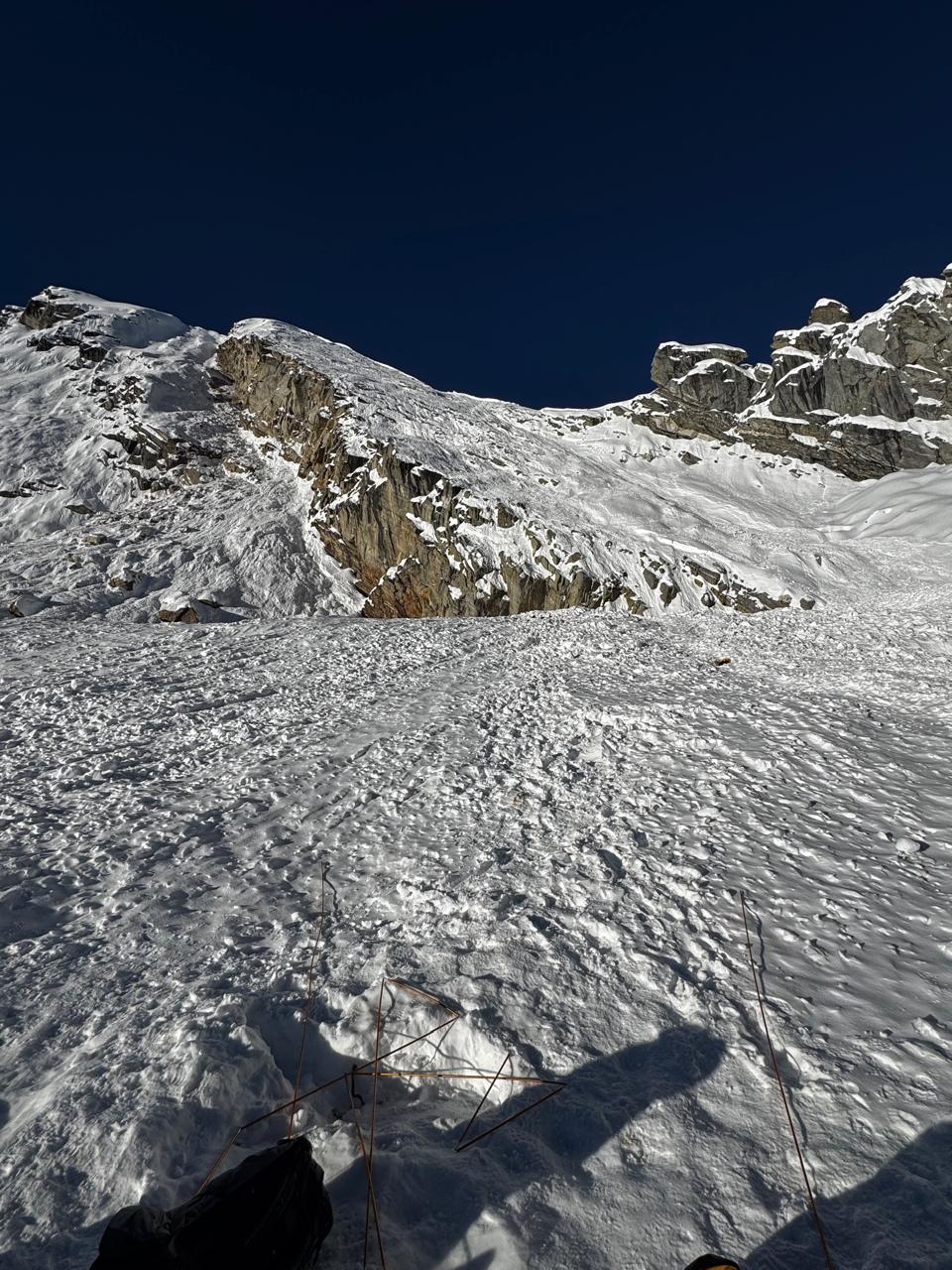
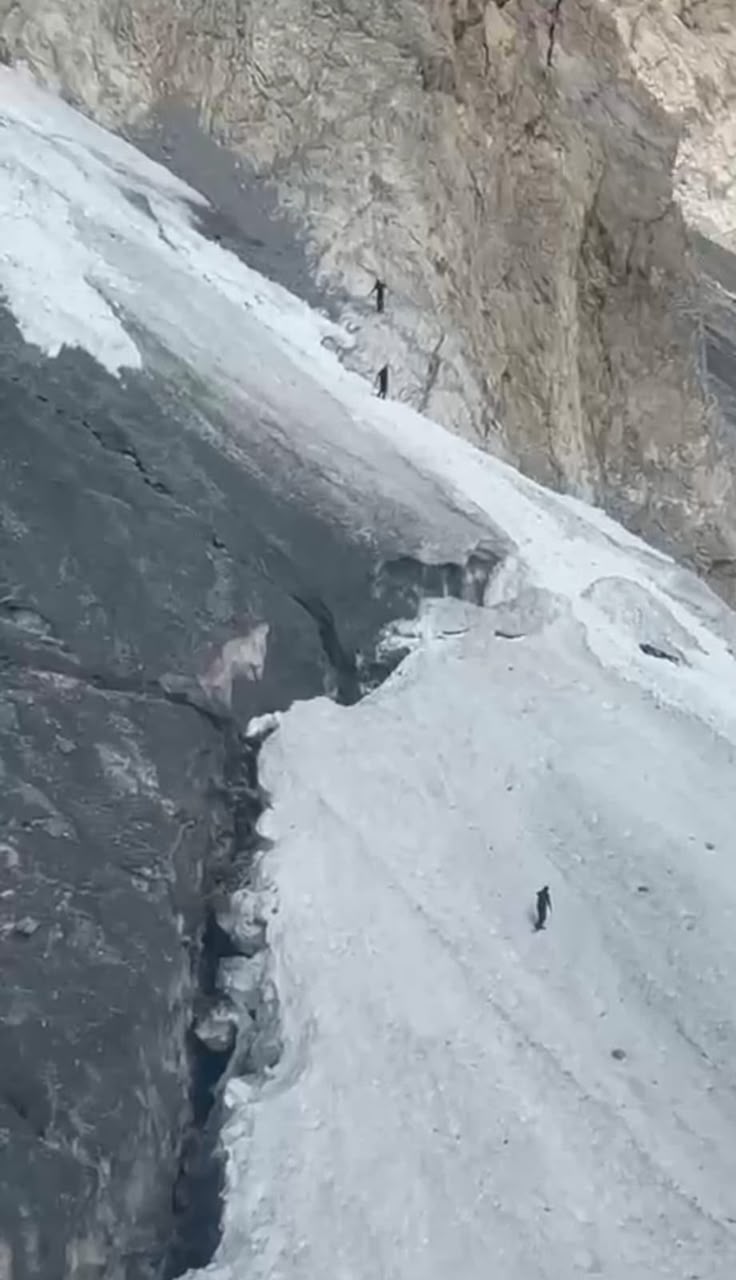
Today, the Himalayas face challenges unlike those of previous generations. Climate change is rapidly transforming the mountain environment. Glaciers are melting at an alarming rate. Massive ice formations that remained stable for decades are becoming increasingly fragile. Routes once considered safe are now unpredictable, and weather conditions can change dramatically within minutes. A clear morning can suddenly turn deadly into an avalanche. As a result, mountaineering has become even more uncertain and dangerous than before.
Technology has undoubtedly revolutionized climbing. There was a time when base camps relied on “mail runners” to carry messages, often taking one or two weeks for information to reach the outside world. Today, satellite phones, GPS technology, the internet, drones, and advanced weather forecasting systems allow climbers to communicate instantly from even the most remote parts of the Himalayas. Search-and-rescue operations have also become faster and more effective than ever before.
Yet one reality remains unchanged: Technology has not conquered nature.
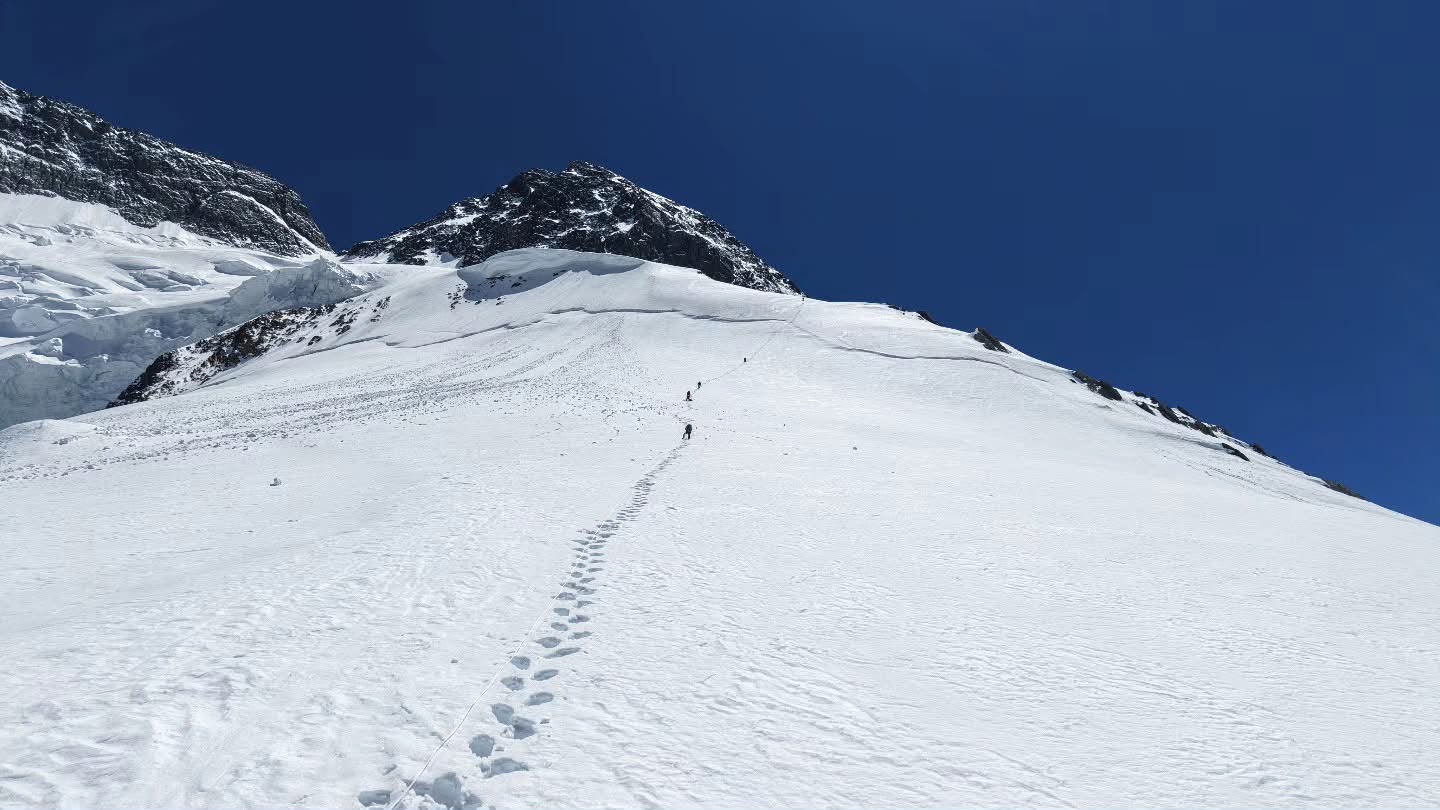
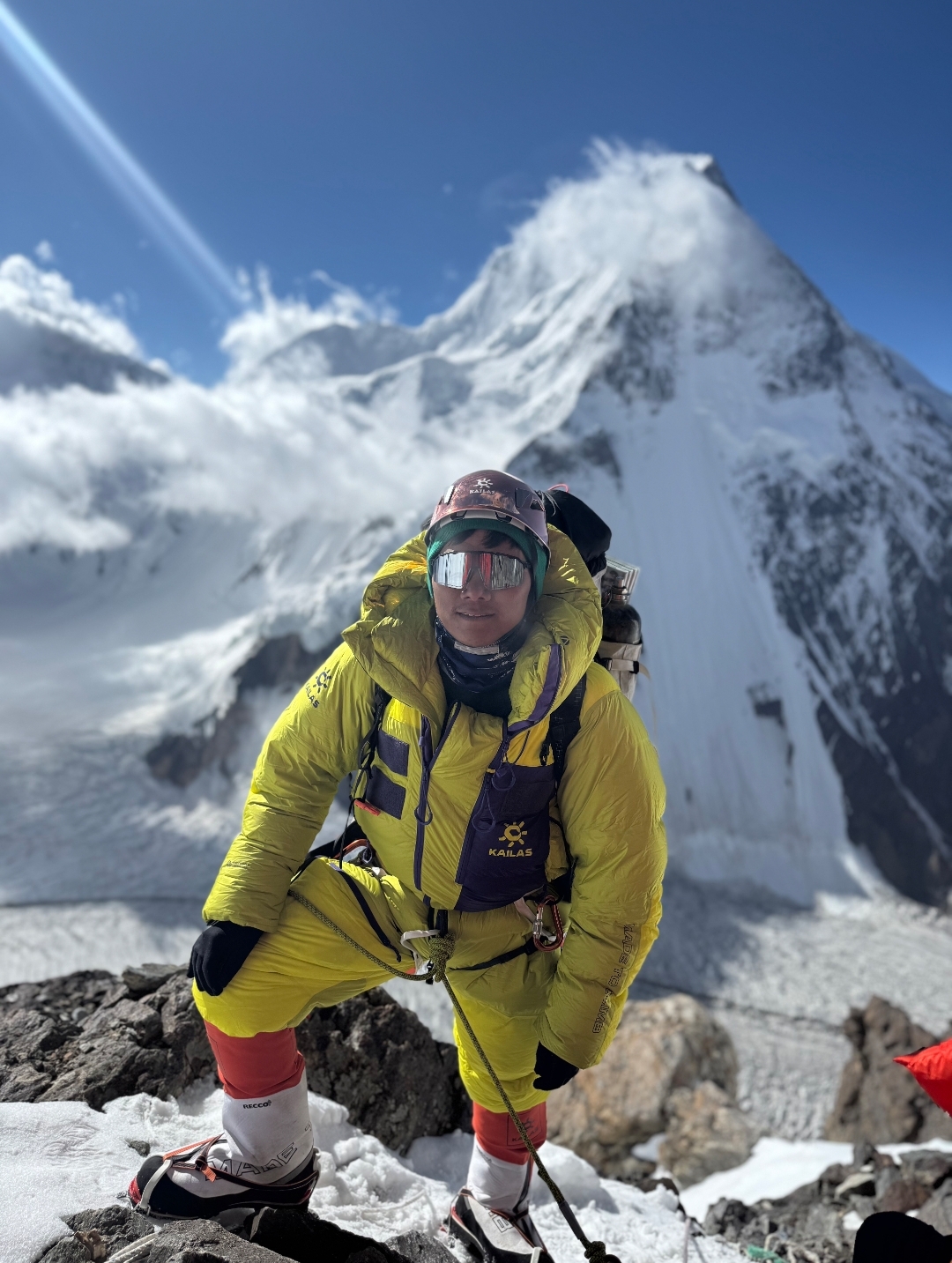
The recent avalanche on Broad Peak in Pakistan stands as a painful reminder. The tragedy claimed the lives of world-renowned Nepalese mountaineer Nirmal “Nims” Purja and several climbers from different countries, sending shockwaves throughout the global mountaineering community. It was more than a tragic accident—it was a sobering reminder of humanity’s limitations in the face of nature. Once again, it demonstrated that mountains make no exceptions for experience, fame, or extraordinary achievements.
This tragedy should also serve as a wake-up call for Nepal.
As the home of the world’s greatest mountains, Nepal must begin viewing mountaineering not only as a tourism industry but also as a matter of scientific risk management and national responsibility. Issuing climbing permits is only one part of the government’s role. Ensuring the safety of those who climb is equally important.
Throughout every climbing season, Nepal should maintain dedicated teams of meteorologists, avalanche specialists, geologists, glaciologists, rescue professionals, and experienced mountaineers on continuous standby. Avalanche-prone areas should be monitored through scientific observation, while satellite technology, artificial intelligence, drones, and real-time weather analysis should be integrated into a comprehensive mountain safety system. When conditions become too dangerous, authorities should not hesitate to close climbing routes temporarily.
Nepal also has much to learn from Europe’s alpine nations. Countries such as Switzerland, France, Austria, and Italy welcome millions of people every year for skiing, mountaineering, and other winter sports. Yet, despite the enormous number of participants, avalanche-related fatalities remain comparatively low.
The reason is simple: these countries invest far more in preventing disasters than in responding to them afterward.
Following heavy snowfall, scientists carefully study avalanche-prone slopes. Where necessary, controlled avalanches are triggered using explosives or other techniques before the public is allowed to enter. Weather patterns, snow stability, and terrain conditions are continuously analyzed, and access is granted only after experts determine that an area is safe. These preventive measures have saved countless lives.
Nepal can gradually adopt similar approaches. Establishing a national avalanche research center, investing in modern technology, strengthening rescue systems, providing continuous professional training for Sherpas and mountain guides, and prioritizing scientific research would significantly reduce mountaineering risks.
We often speak of “conquering” mountains.
The truth, however, is that no one conquers a mountain.
Nature grants us the privilege of standing on its summit for a few brief moments. Mountains are not opponents to defeat; they are powerful forces of nature that deserve our deepest respect.
The future of Nepal’s mountain tourism does not depend solely on attracting more climbers. It depends on building a safer, more responsible, and scientifically managed mountaineering system. Modern technology, scientific research, effective public policy, skilled professionals, and thorough preparation can prevent many tragedies before they occur.
The Himalayas have given Nepal international recognition, economic opportunity, and immense national pride. It is now our responsibility to protect the lives of climbers, Sherpa professionals, and the mountain communities who make these extraordinary journeys possible.
Behind every successful summit lies a dream.
Behind every mountaineering tragedy stands a family forever changed.
That is why our goal should never be to conquer the mountains, but to understand, respect, and coexist with them.
Because mountains give us many things: they inspire us, define our identity, create livelihoods, and bring honor to our nation.
But there is one thing they never do.
The mountain never compromises.
(Passang is an award-winning author and philanthropist based in New York).


 °C
°C 






Comment