

 °C
°C Nepal turns communities into keepers of its living cultural heritage
A six-day UNESCO-supported workshop has brought 40 participants from six Indigenous communities together to learn how to document and safeguard traditions for future generations.
KATHMANDU: Nepal is putting communities at the centre of efforts to preserve its living cultural heritage, with a new UNESCO-supported programme training local participants to document traditions, rituals, languages, food, music and other cultural practices.
The Ministry of Culture, Tourism and Civil Aviation, with support from UNESCO, has launched a six-day community-based workshop as part of a programme to develop an inventory of intangible cultural heritage across all seven provinces.
The workshop brought together 40 participants, including 16 women and 24 men, with young people accounting for 30 per cent of the participants. They represented the Newa, Tamang, Chepang, Thami, Gurung and Siyar Indigenous communities from Bagmati and Gandaki provinces, along with municipal and ministry representatives.
The programme aims to document at least 20 intangible cultural heritage elements from 17 Indigenous communities across all seven provinces.
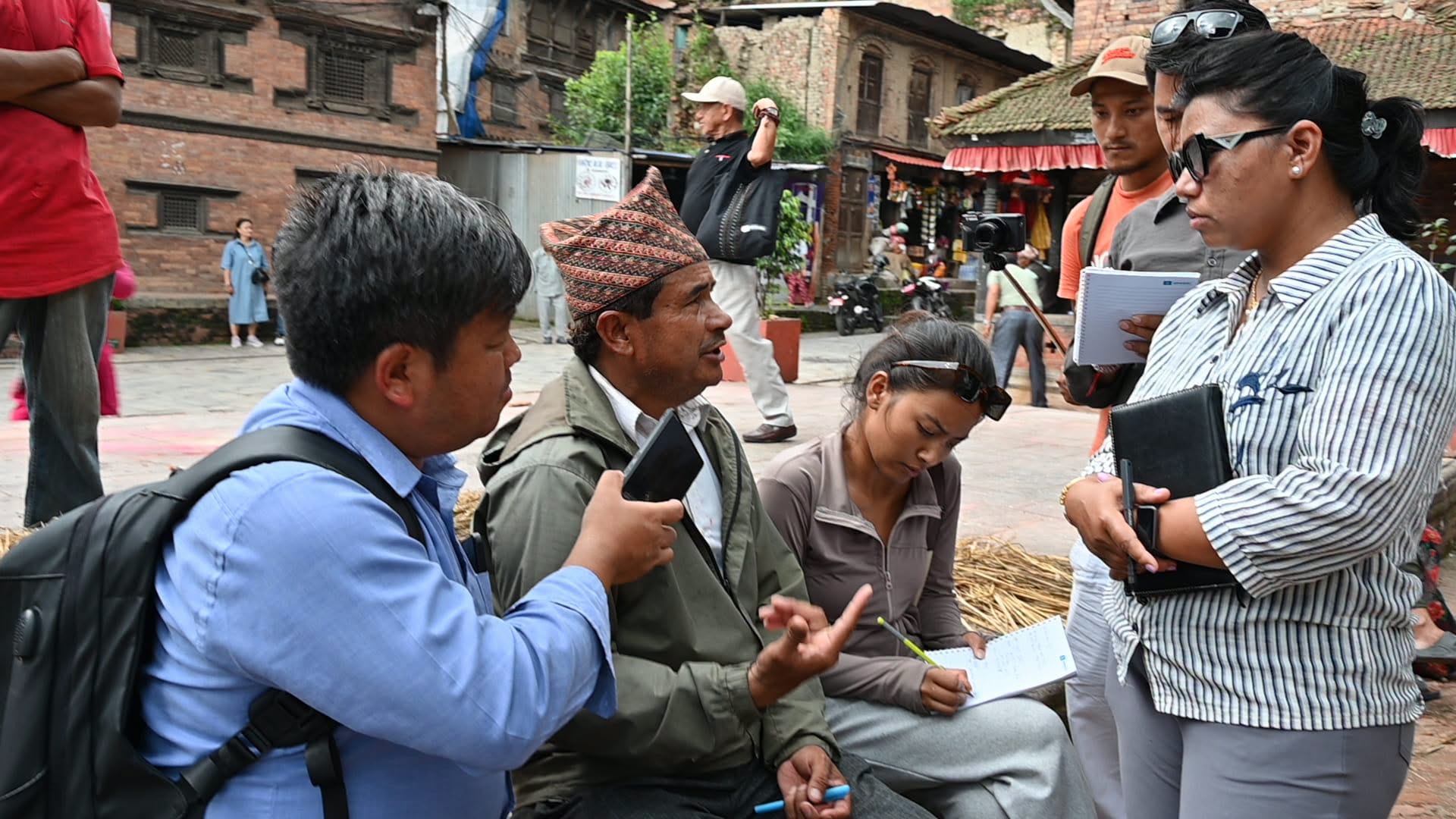
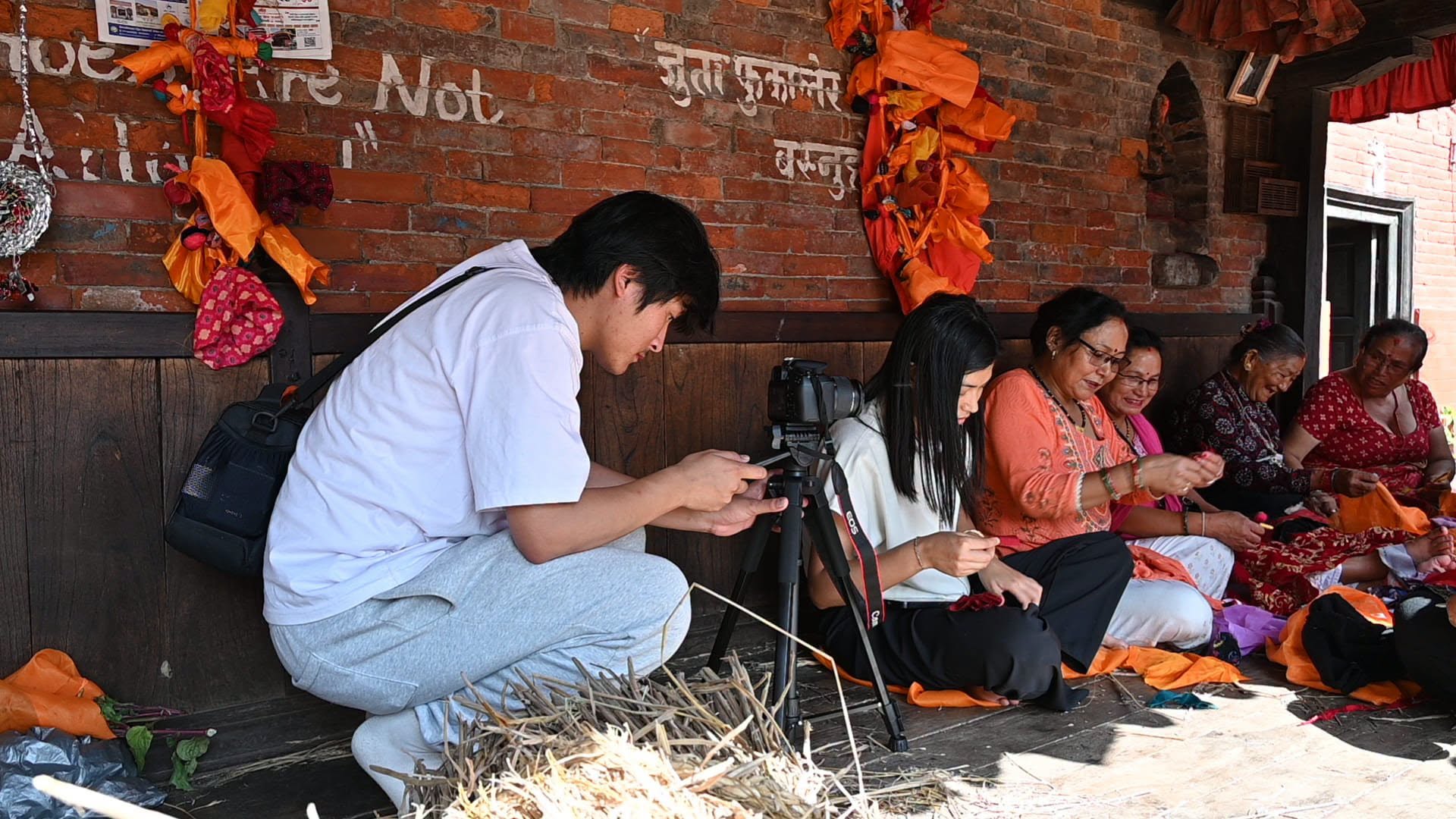
Rather than limiting the exercise to classroom-based documentation, the participants were taken into the field in Bhaktapur to practise recording living heritage. They observed and documented Gathamuga, a post-harvest Newa festival, with support from representatives of Ward 9 and Newa Dey Daboo.
The field exercise also highlighted the role of local governments in safeguarding cultural practices, with participants welcomed at the Ward Office in Dattatraya.
Joint Secretary at the ministry Suresh Suras Shrestha said the workshop would contribute additional elements to Nepal's National Inventory while strengthening community participation in safeguarding heritage.
UNESCO Representative to Nepal Jaco du Toit said the initiative seeks to help communities record, protect and transmit their cultural knowledge to future generations.
The workshop is the first of three six-day community-based workshops being organised under the 2003 Convention for the Safeguarding of the Intangible Cultural Heritage.
Participants were trained not only in documentation but also in ethical, community-led engagement, including the importance of obtaining consent as an ongoing process rather than treating it as a one-time formality.
Yajju Maharjan, a participant from the workshop, said digital archiving could help communities preserve and practise their heritage while creating opportunities for young people to engage with cultural traditions.
By the end of the workshop, participants had gained practical skills to help communities identify, document, validate and sustain their intangible cultural heritage.




Comment