Travel & Leisure

Rasuwa flood aftermath: Nepal is open, but why are tourists staying away?
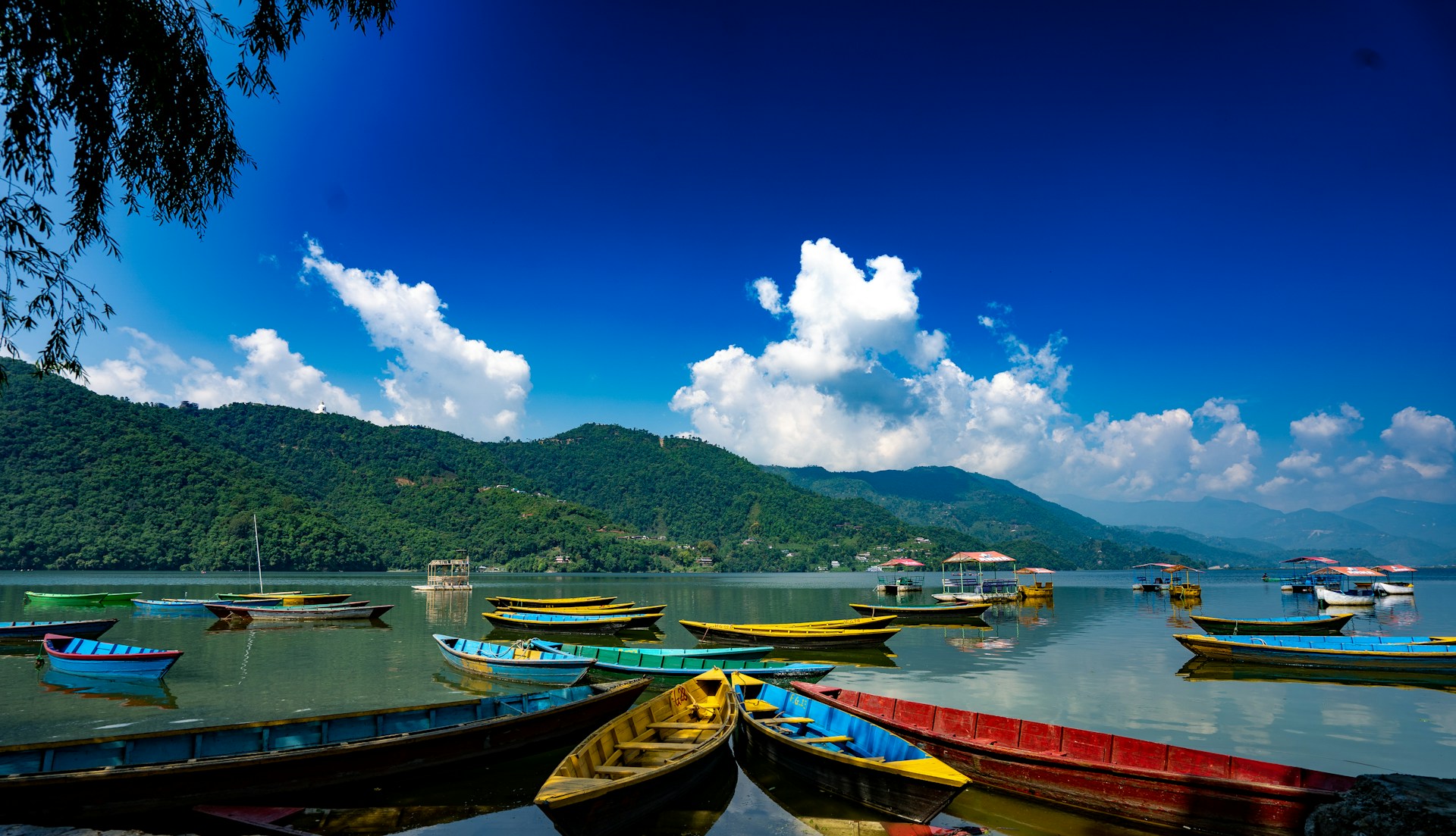
Rasuwa
Photo by Meera Pankhania on Unsplash
By Tourism Times
Published at : 16 Sep 2026, 2:26 PM

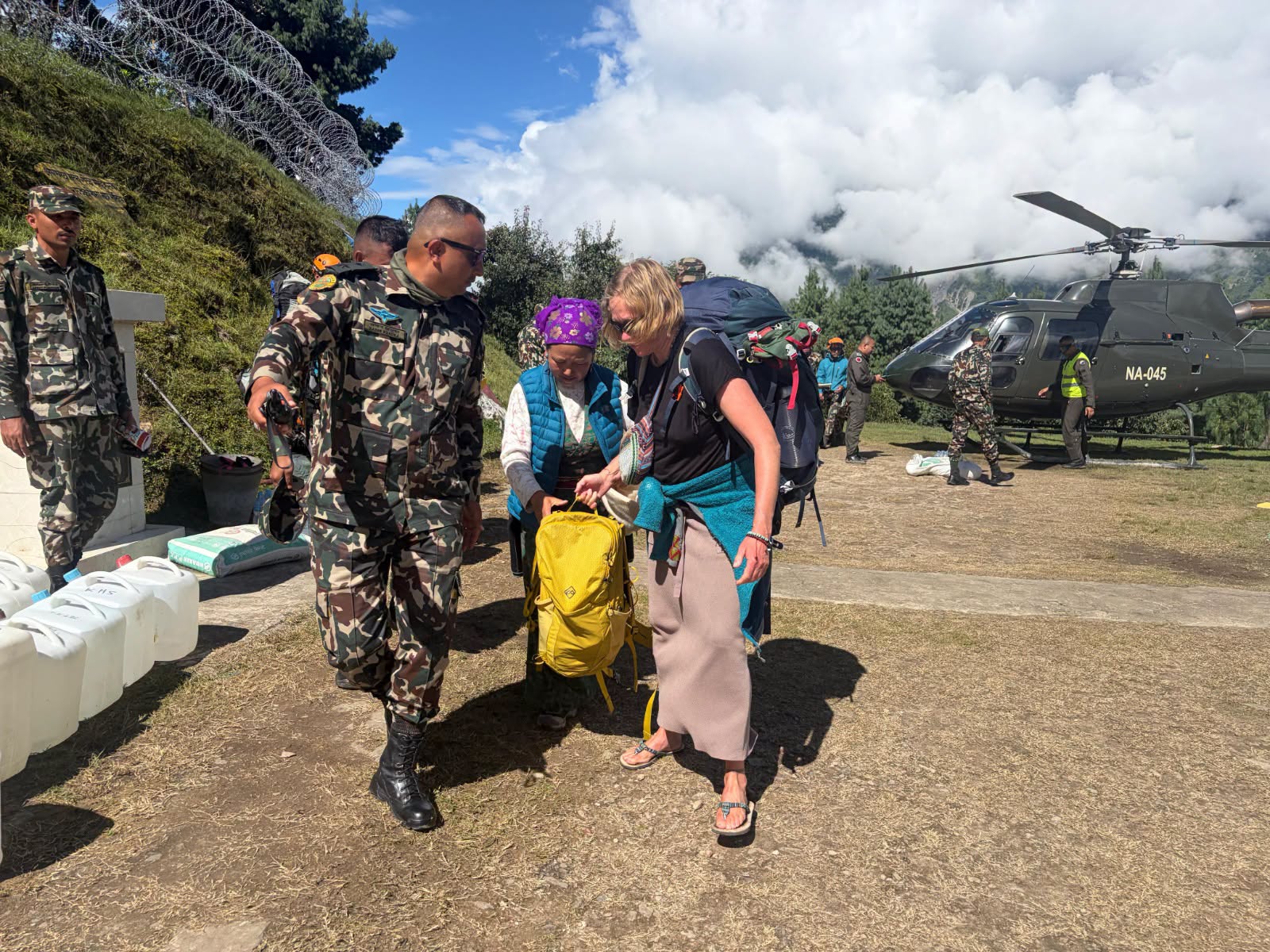
KATHMANDU: Although only a section of the Bhote Koshi–Trishuli corridors in Rasuwa and Nuwakot districts was affected by the devastating August 26 floods, tourism stakeholders have begun bearing the brunt of the aftermath, with visitors cancelling trips to Nepal for the peak tourism season.

Tour and trekking operators said more than 50 percent of trips booked for the coming months have been cancelled by clients, while hoteliers have also begun receiving booking cancellations from foreign guests.

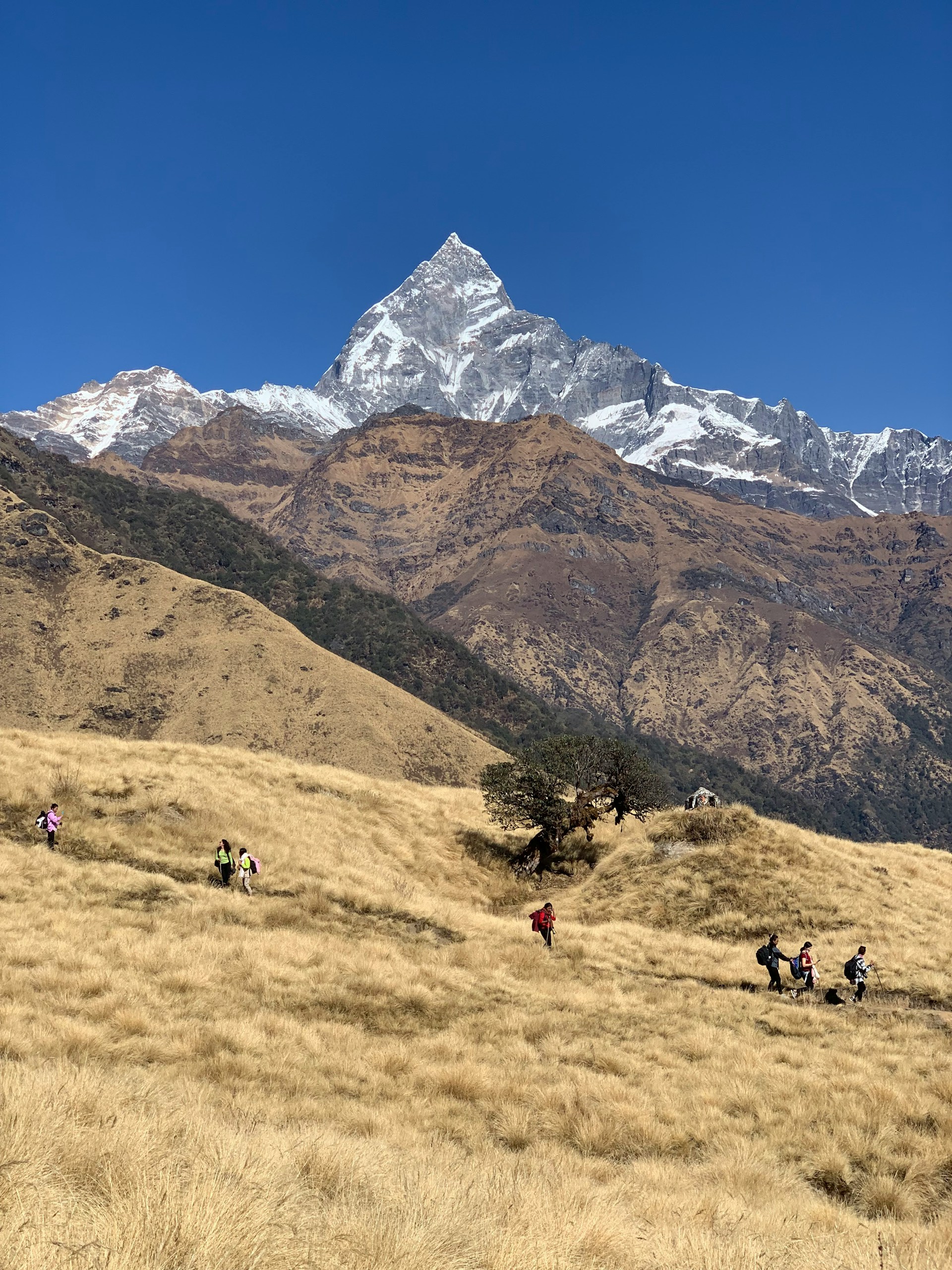
“In the wake of the Rasuwa flood, we are seeing a rapid cancellation of trekking and tour bookings for the autumn and winter seasons,” said Sonam G. Sherpa, general secretary of the Trekking Agents Association of Nepal. The Annapurna region, in particular, has appeared deserted during the peak season following negative publicity about the recent disaster, Sherpa said.

The Bhote Koshi flood affected only the Rasuwa–Nuwakot corridors; the rest of the country is fully safe for visitors, according to Sherpa. In a preliminary estimate, the Nepal Tourism Board said the flood caused total losses of nearly Rs 52 billion across tourism products, services, and physical structures. “In this situation, Nepal needs more tourists to support its economy,” Sherpa noted, adding that all stakeholders, including government bodies, should act immediately to convey a positive, evidence-based message to the world.

It is high time Nepal communicated the actual ground situation, as the tourism industry faces another major setback after the flood, said Phur Gelje Sherpa, president of the Nepal Mountaineering Association. Although the autumn climbing season is gaining momentum on various mountains, there is an urgent need to focus more on trekkers and travelers by convincing them that Nepal is open and safe to visit, he observed.

Hoteliers in Kathmandu and other major tourism destinations have already begun to suffer heavily. “After the flood, over 70 percent of bookings have been cancelled,” said Binayak Shah, president of the Hotel Association Nepal, adding that the hotel industry has witnessed widespread cancellations of domestic and international bookings, including room reservations, events, and programs. Around 142 hotels were damaged or destroyed, including about 70 properties in Rasuwa, 40 in Nuwakot, nearly 20 in Dhading, and 12 in Gorkha.

“Showing only the devastation in Rasuwa, or presenting a long line of consumers outside LPG depots on social media, would not represent the country’s actual situation,” stakeholders also pointed out, urging travelers planning trips to Nepal not to cancel their bookings. Life is returning to normal, and services such as airports, hotels, and restaurants remain fully operational, they added.


Comment