

 °C
Recognition over awards: Tshering Pande Bhote's push for systemic change in Nepal’s mountaineering
KATHMANDU: A renowned mountaineer and long-line rescue specialist has called on the government to ensure proper recognition for internally certified Nepali mountain guides in order to sustain the country's mountain and adventure tourism industry.
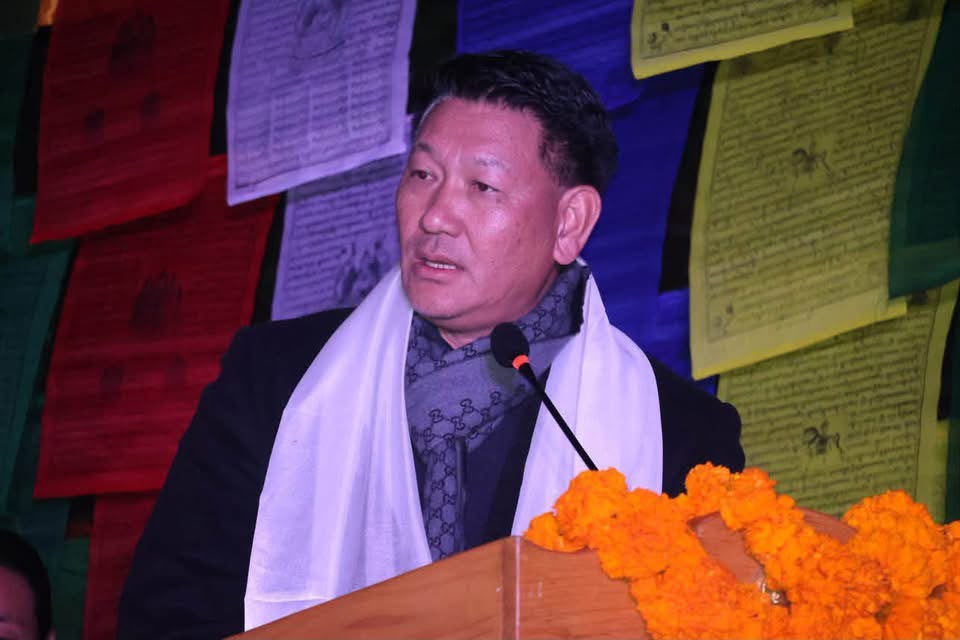
Tshering Pande Bhote, a seven-time Mt. Everest summiteer and IFMGA/NNMGA-certified Mountain Guide, said it is high time internationally recognized Nepali mountain guides were legally recognized and protected for the betterment of the mountaineering industry.
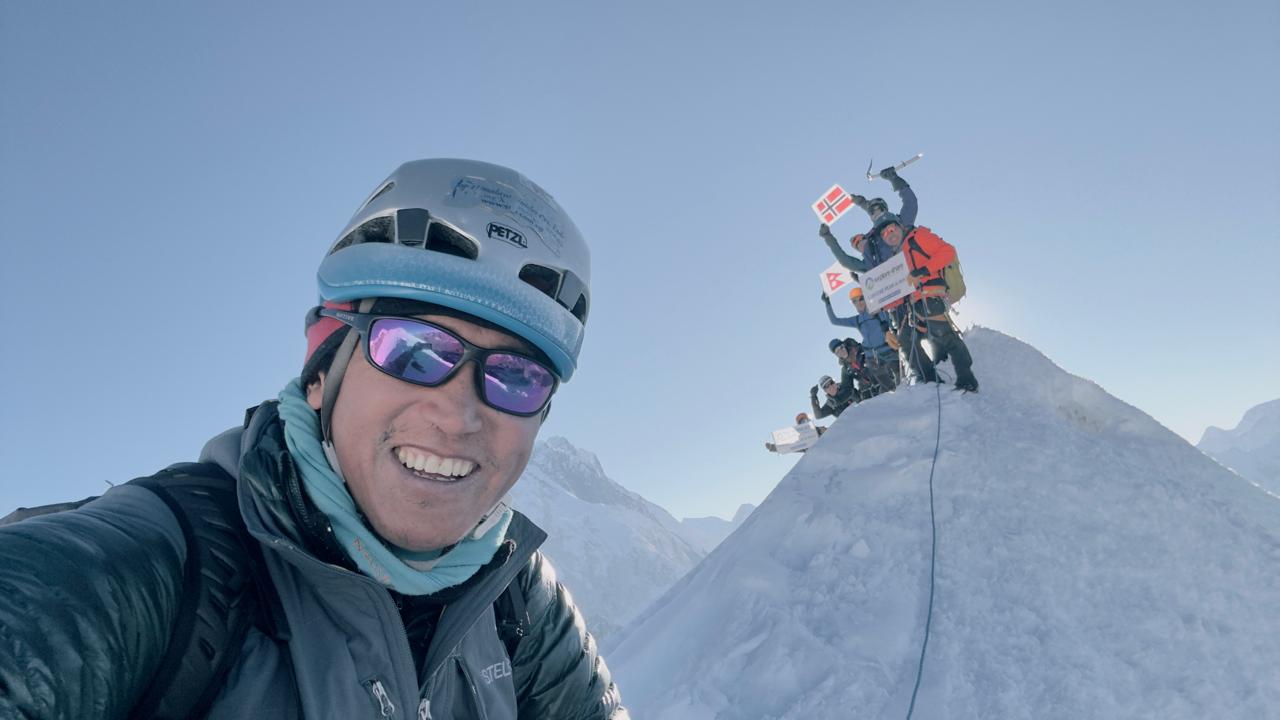
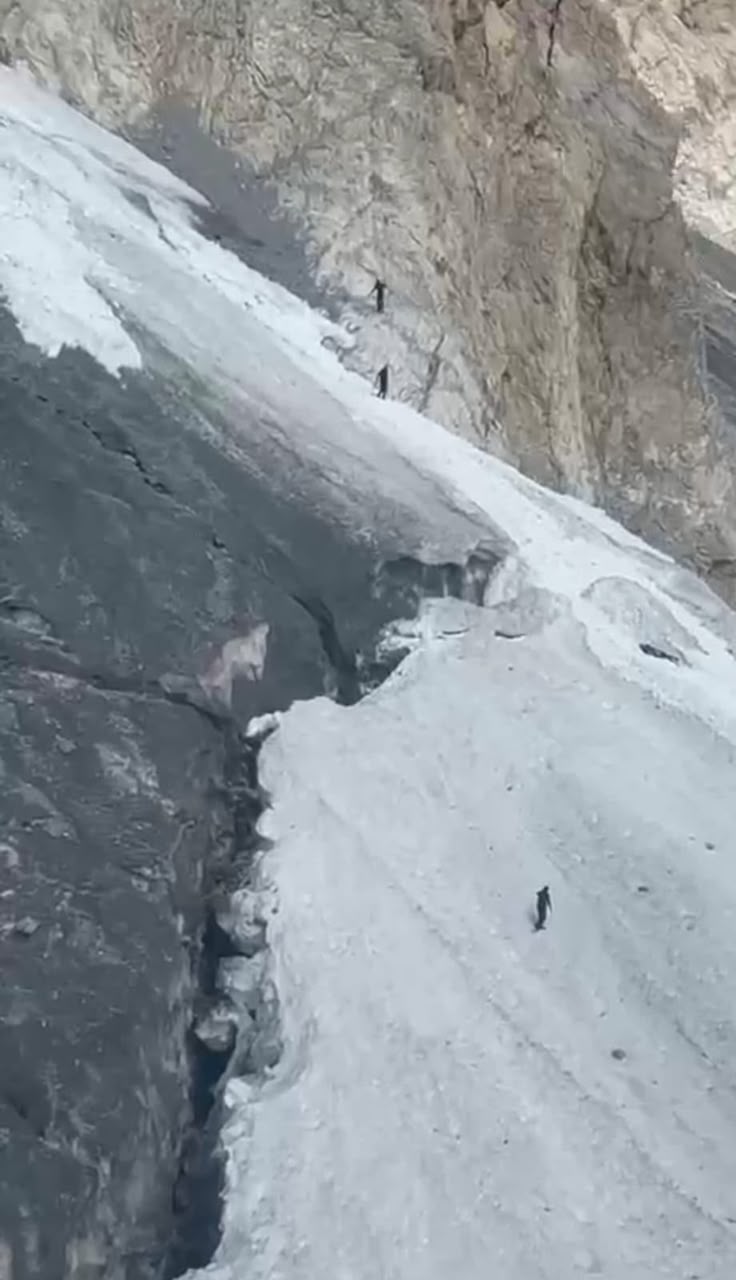
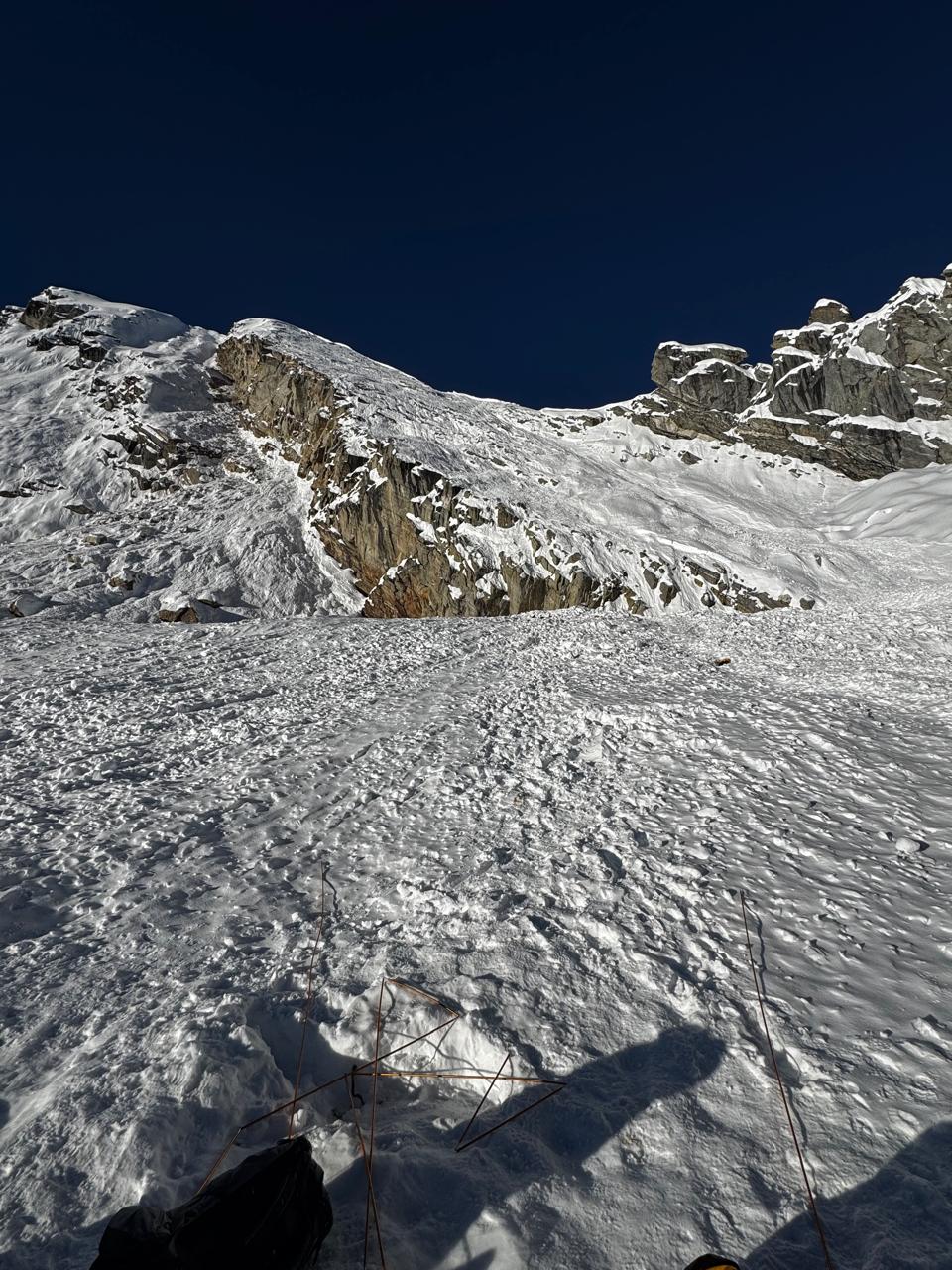
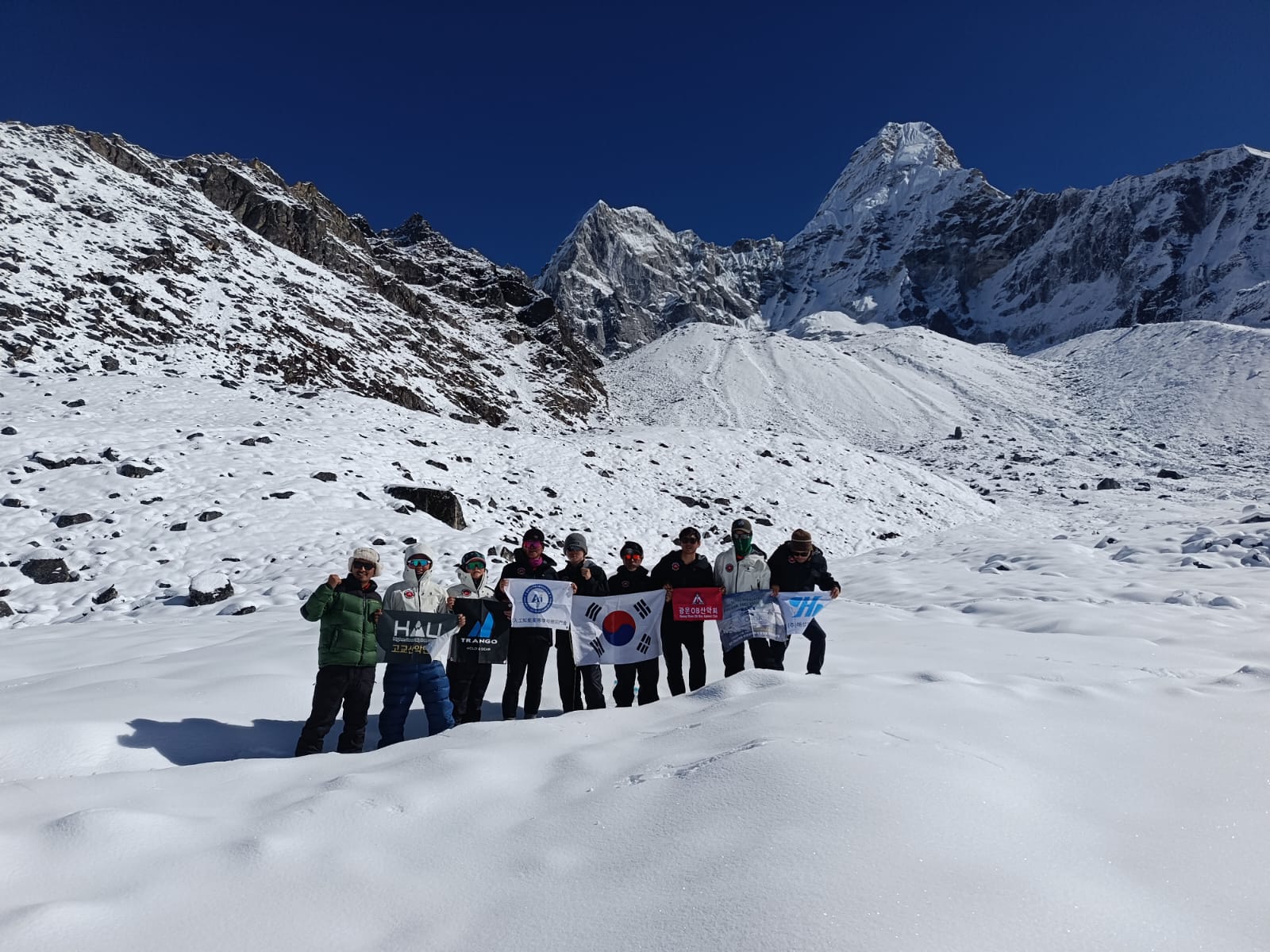
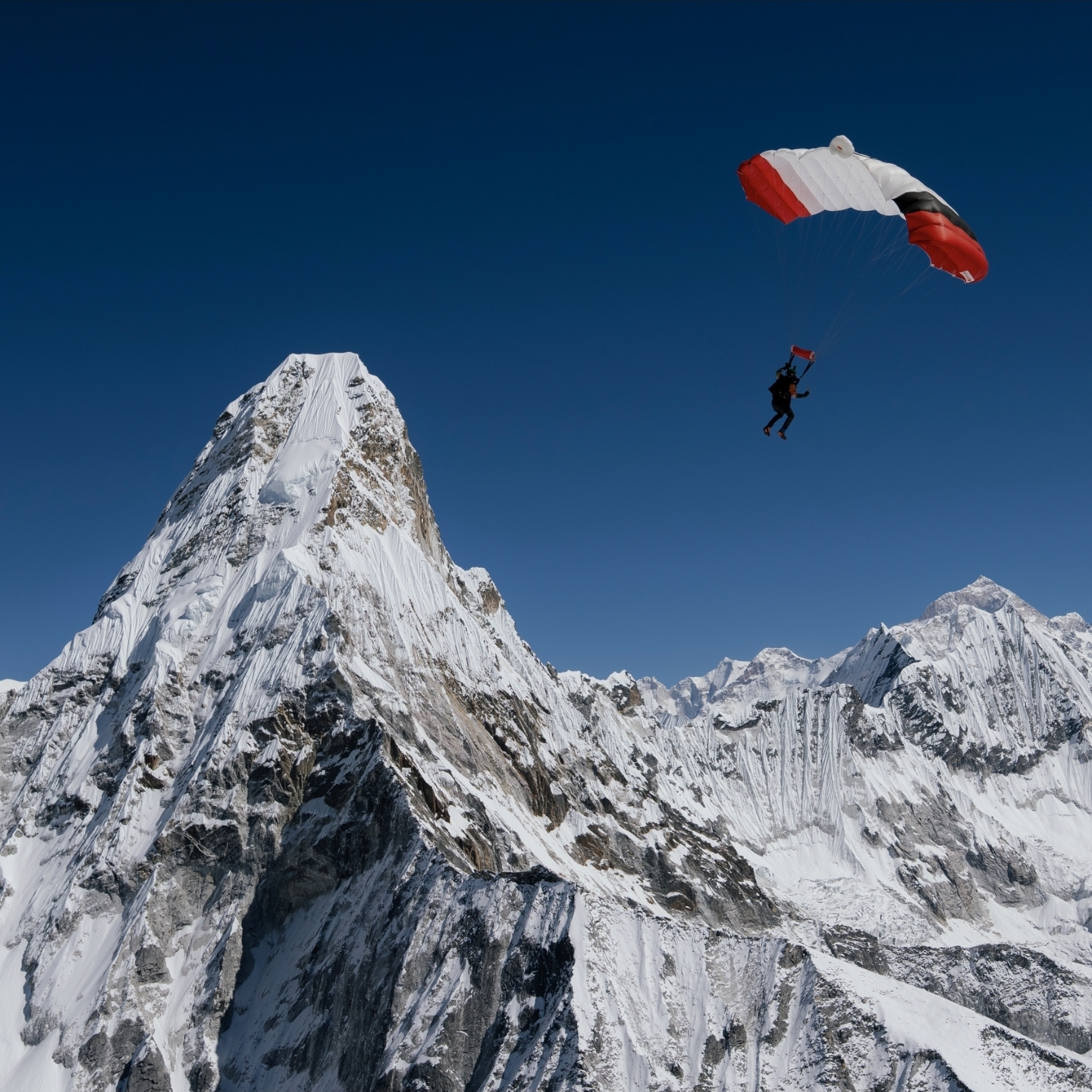
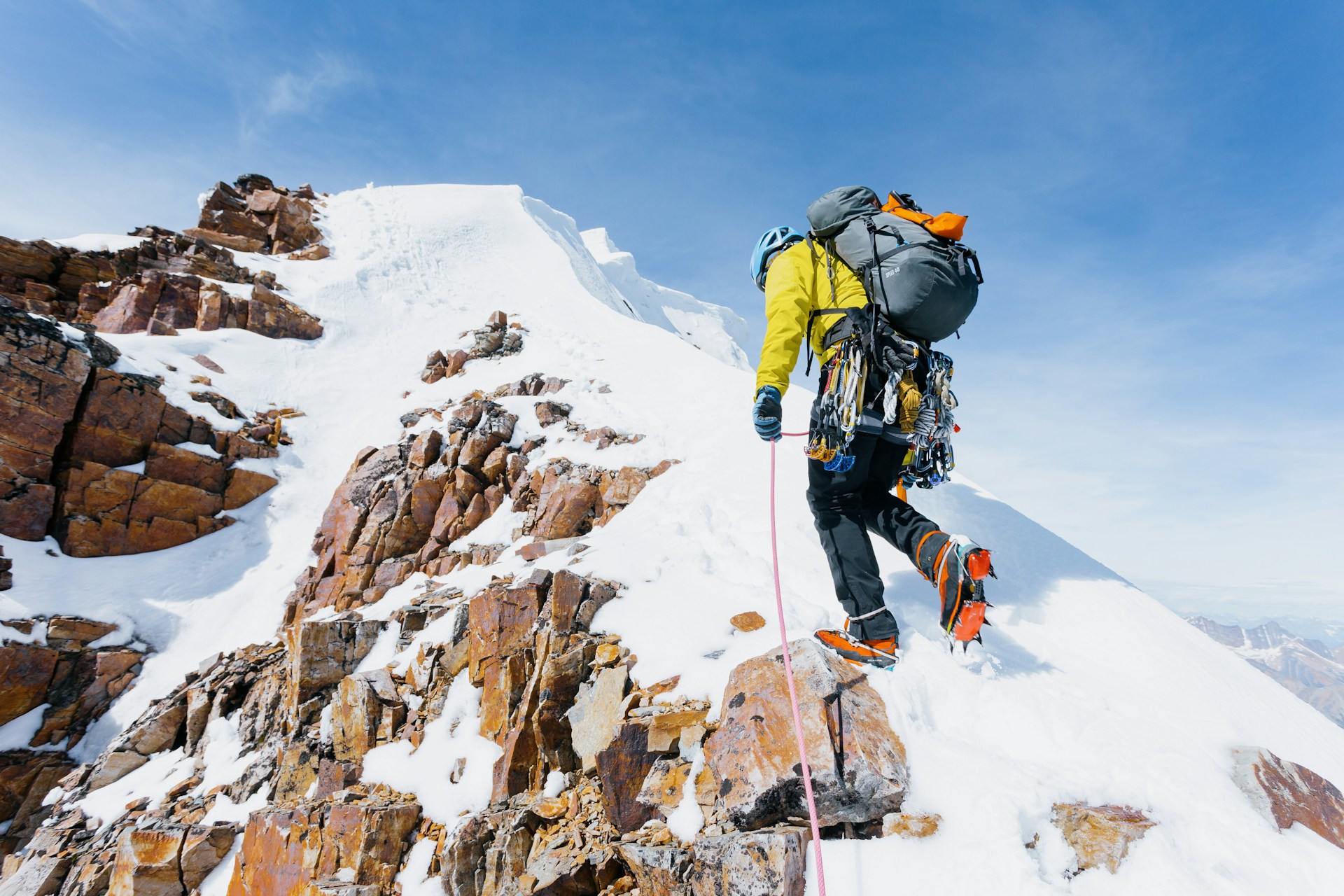
Tshering has several accolades under his belt, including his recent feat on Mt. Ama Dablam. He successfully climbed the 6,814m peak, reaching the summit and returning to base camp in one continuous push alongside his Norwegian client, Petter Bøe Bjerknes.
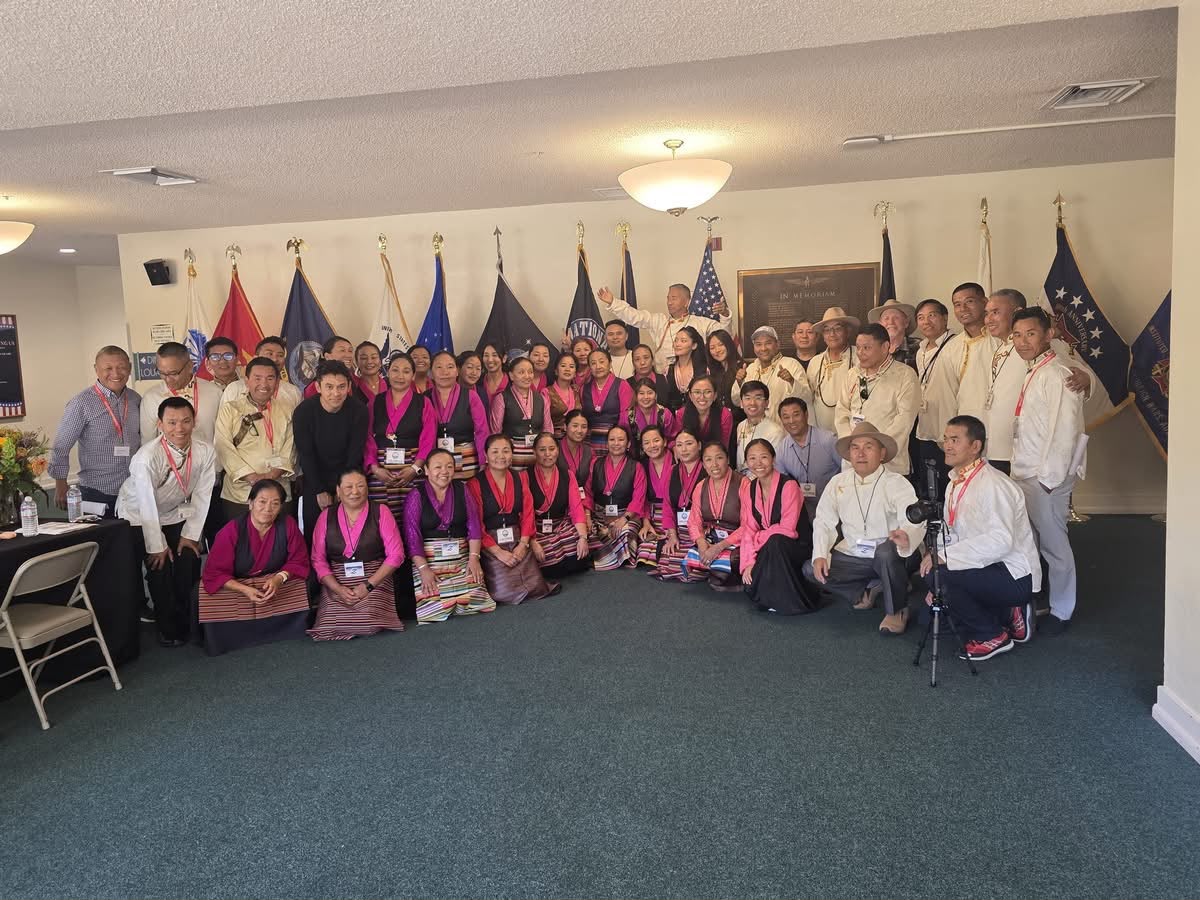
Tshering recounted that the latest achievement on Ama Dablam came under unusual circumstances. While his clients were acclimatizing in the mountains, Tshering had to remain in Kathmandu to fulfil an important national and international responsibility. Nepal was hosting the UIAA General Assembly 2026, and the UIAA, together with the Nepal Mountaineering Association (NMA), requested him to conduct a helicopter long-line rescue workshop for the international mountaineering community.
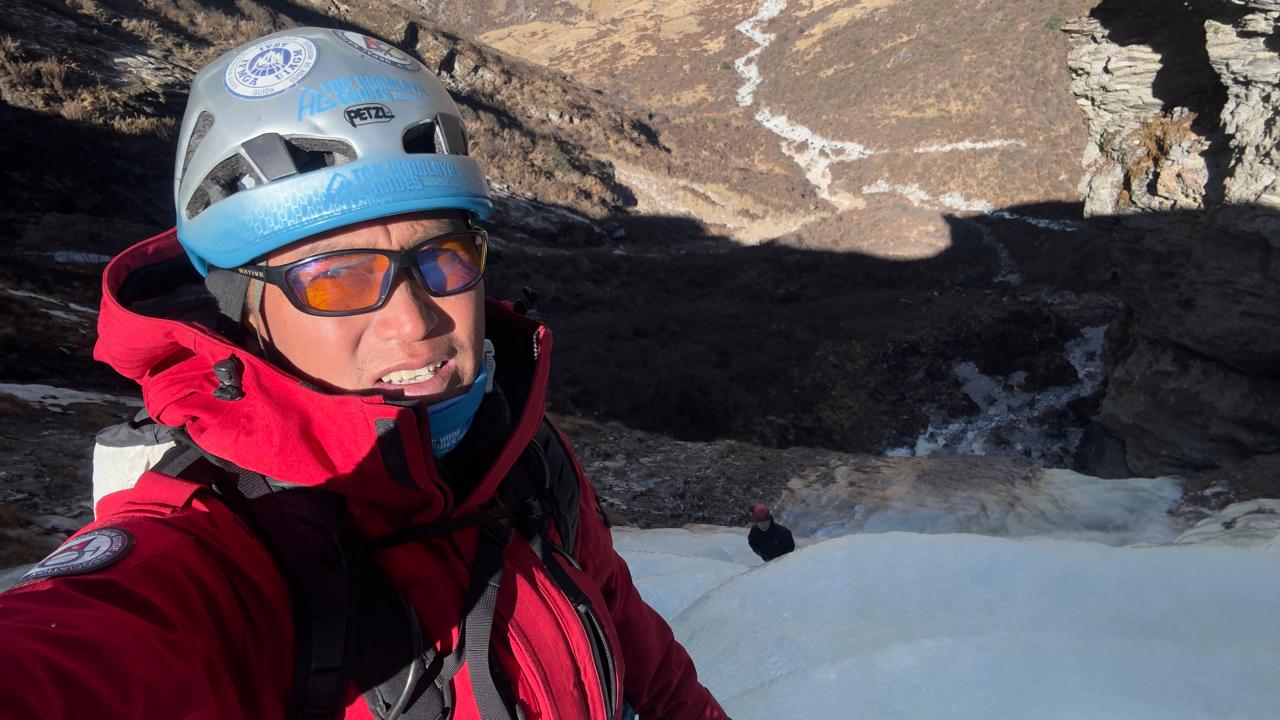
As Nepal's first long-line helicopter rescue specialist and instructor, one of the first Nepali guides to receive the NNMGA/IFMGA Mountain Guide certification badge, and the first person from the Bhote indigenous community to summit Mt. Everest, he could not say no to this important opportunity to represent Nepal and contribute to the development of mountain rescue systems.
Following the workshop, the weather deteriorated for several days, preventing him from flying to Lukla to join his clients at the planned time. "It was quite tough," he added. When a suitable weather window finally appeared, both climbers seized the opportunity. "Together, we pushed for the summit of Ama Dablam (6,814m) and successfully returned to base camp in one continuous ascent and descent," he shared.
The expedition was organized by his own company, Top Himalaya Guides Pvt. Ltd. Despite the delays, his Norwegian client, Petter Bøe Bjerknes, remained committed to climbing with him. This was more than just another summit—it demonstrated commitment, responsibility, professionalism, and the strong relationship between a mountain guide and his client.
A lifetime dedicated climber to Nepalese mountaineering, Tshering is the first person from the Bhote indigenous community to summit Mt. Everest. Besides being Nepal's first helicopter long-line rescue specialist and instructor, Tshering is among the pioneers introducing professional mountain guiding in Nepal.
One of the first Nepali recipient of the NNMGA/IFMGA-certified Mountain Guide badge, Tshering is now the President of the Nepal Mountaineering Instructors Association (NMIA) and the Sankhuwasabha Sagarmatha Summiters Association.
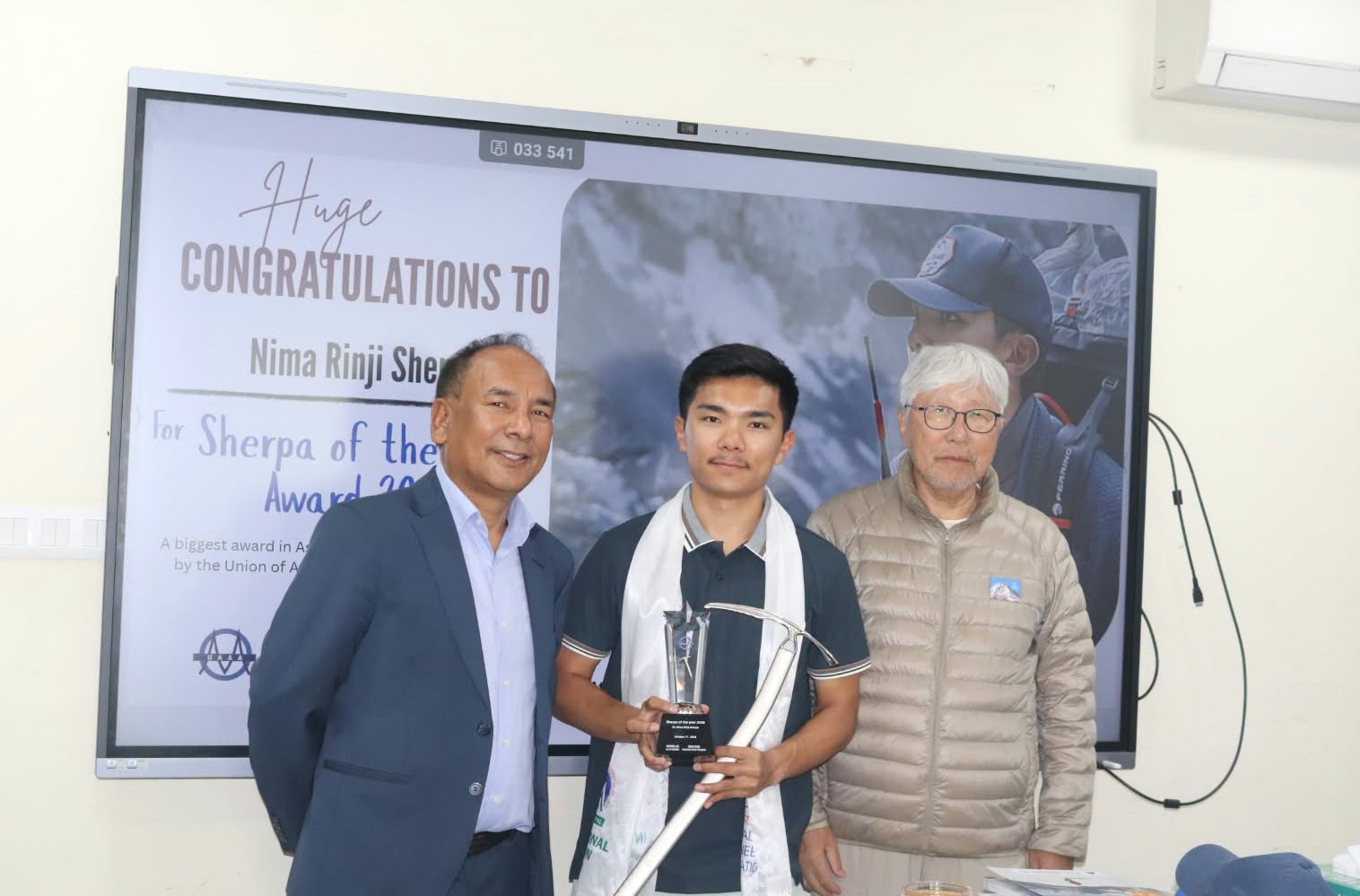
Tshering has received numerous national and international recognitions, including the Prabal Janasewa Shree, Chaturtha Shreni (2077 B.S.), awarded by the President of Nepal; the Everest Tourism Award 2025; an honour from the Ministry of Culture, Tourism and Civil Aviation of Nepal (27 October 2024); the Late Kumar Khadka Bikram Adventure Award 2015; and an appreciation from WWF (23 September 2006).
Awards and recognition are appreciated, but lasting institutional change is what truly matters. Tshering has remarkable climbs, a commitment to Nepal, and a continued call for recognition of Nepali mountain professionals. "Still, the work is not finished," he said.
Despite these recognitions and honours, he is not yet satisfied. "My greatest satisfaction will come when the Government of Nepal establishes clear and effective regulations and policies to legally recognize and protect internationally certified mountain guides in Nepal, establish a properly regulated, professional helicopter long-line rescue system with qualified specialists and instructors, and recognize, protect, and promote the rights, identity, knowledge, and contributions of Nepal's indigenous mountain communities," Tshering said.
"Nepal's mountains are our national pride," Tshering said, adding that the people who dedicate their lives to protecting climbers, developing mountain tourism, and representing Nepal internationally deserve proper recognition, professional standards, and government support. "The journey continues—not only for personal achievements but for the future of Nepalese mountaineering," Tshering quipped.

Comment