The Tourism Times | Breaking tourism-related news from Nepal and beyond
°C
Environment
Nepal launches $49.94 million project to reduce GLOF risks
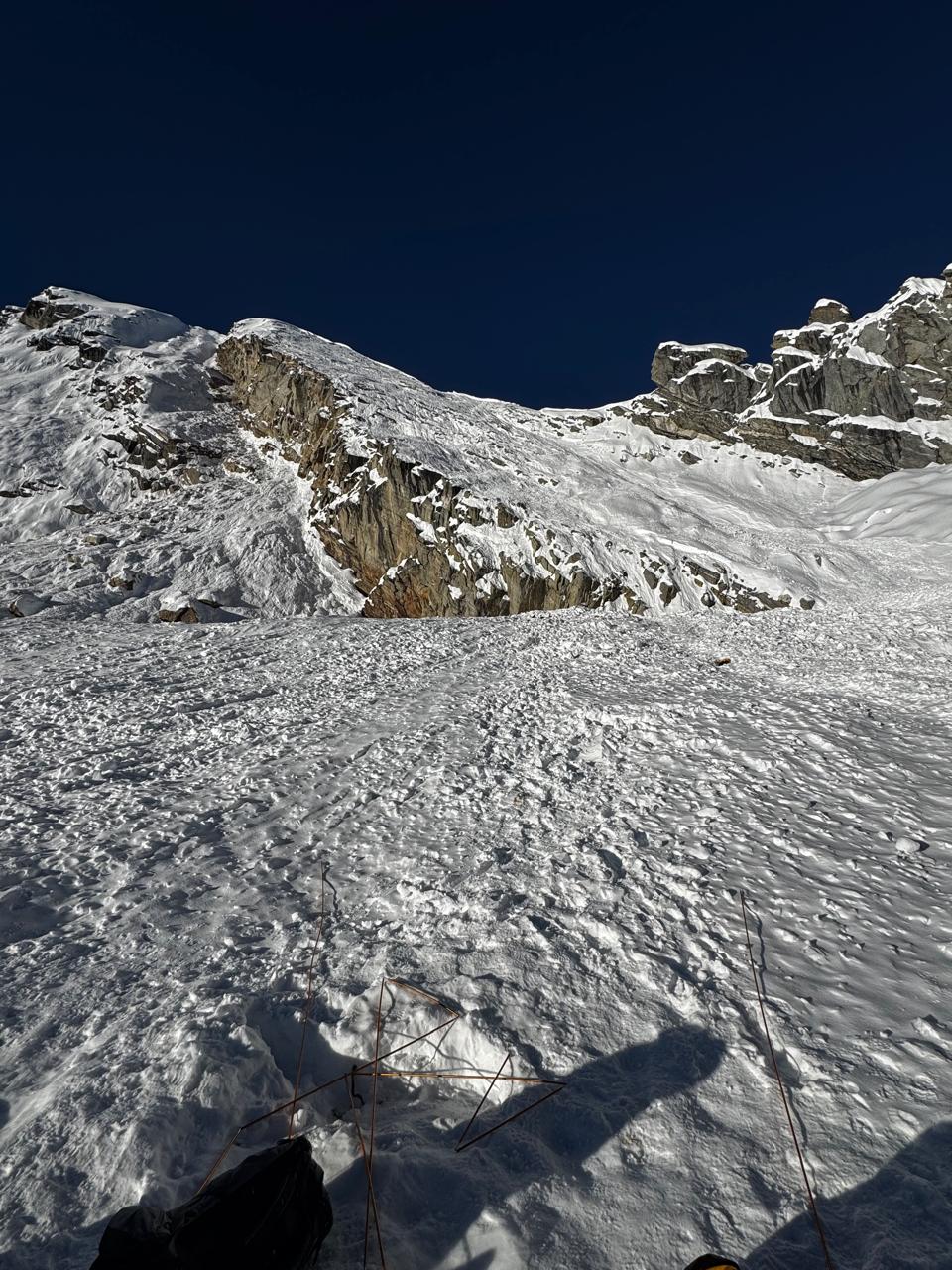
Photo Courtesy: UNDP
By
Tourism Times
Published at : 26 Nov 2026, 10:36 AM
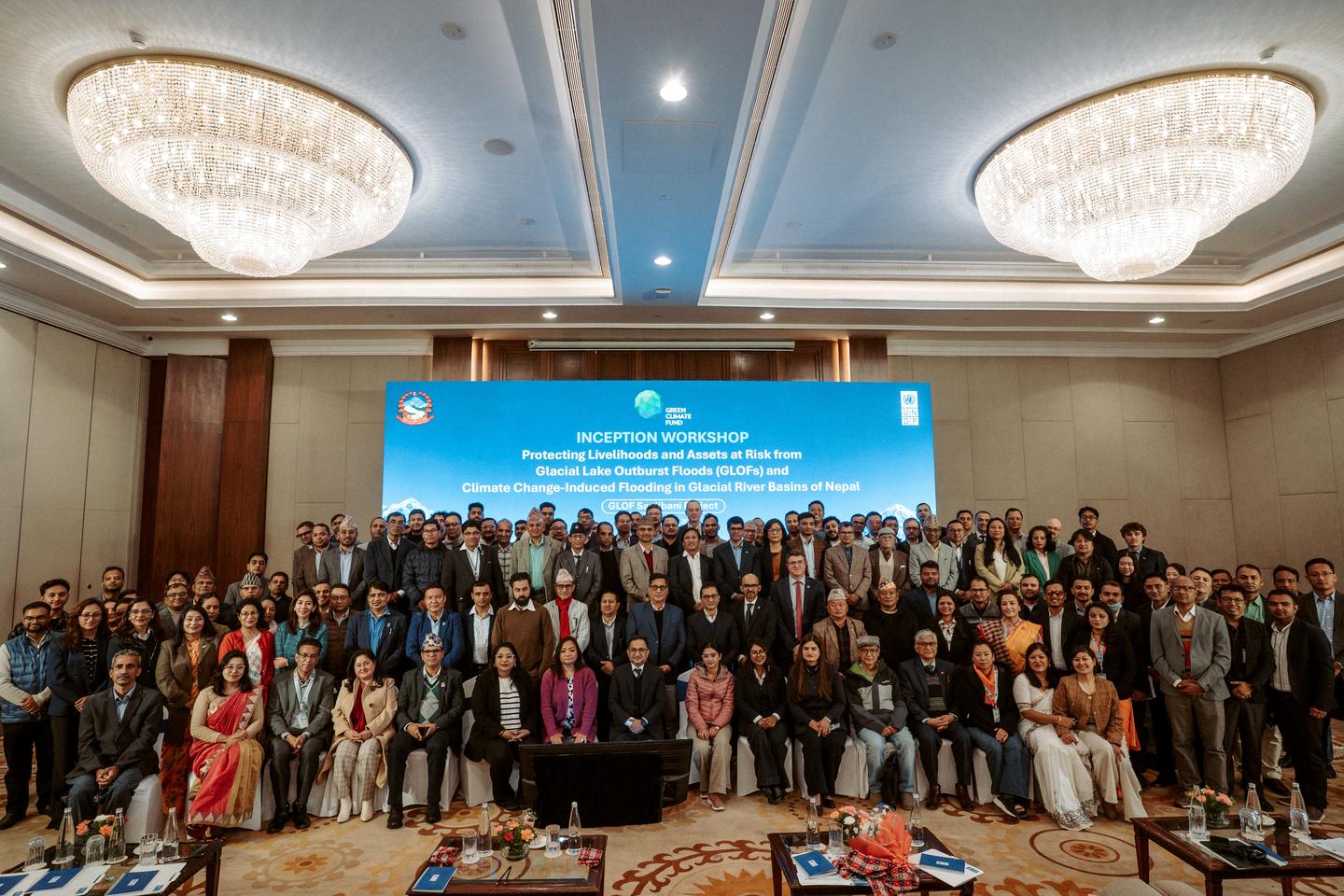
KATHMANDU: The Government of Nepal and the United Nations Development Programme on Wednesday launched a $49.94 million project aimed at reducing the risk of glacial lake outburst floods in the Himalayas, including by lowering water levels in four high-altitude glacial lakes.
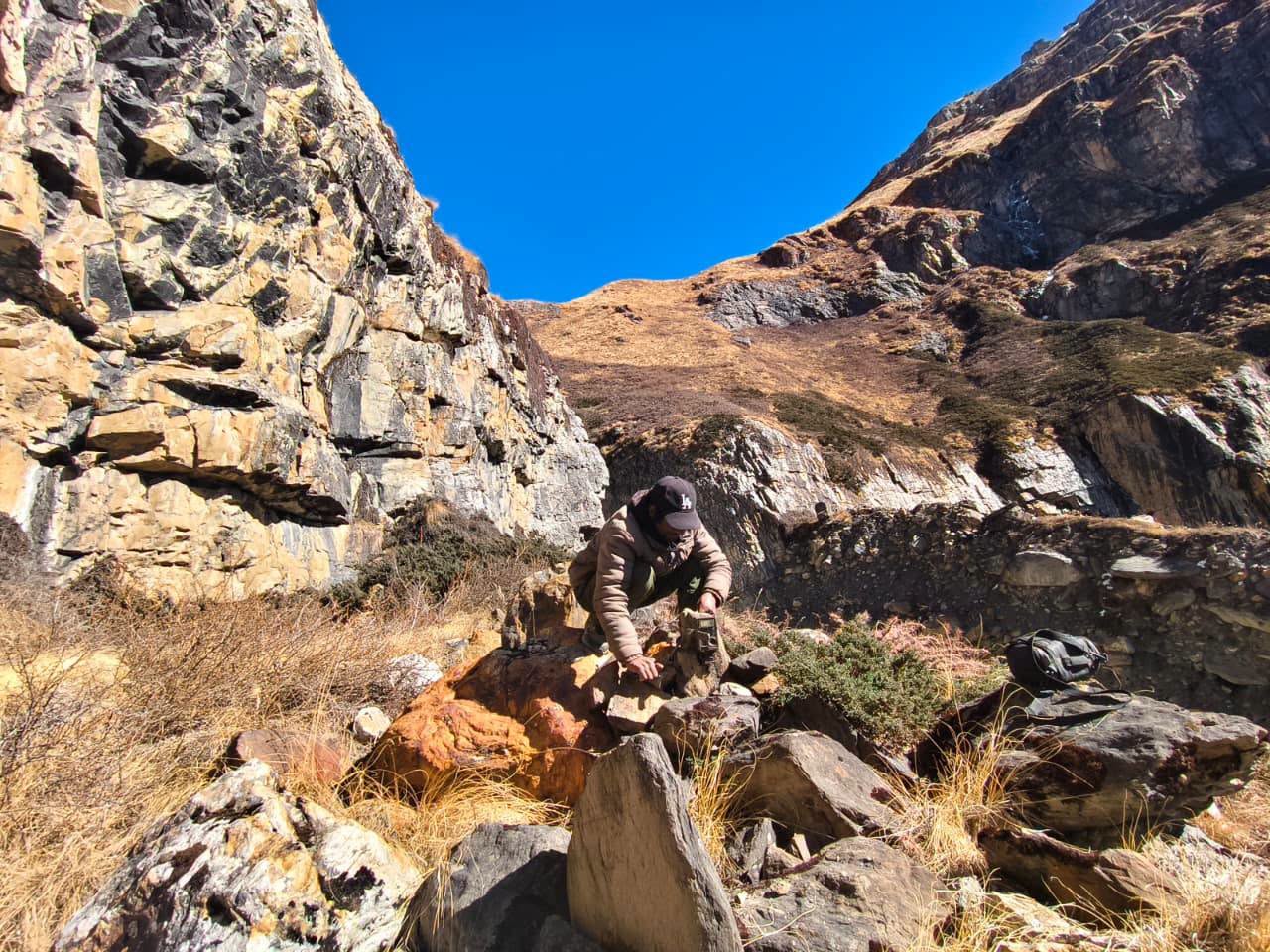
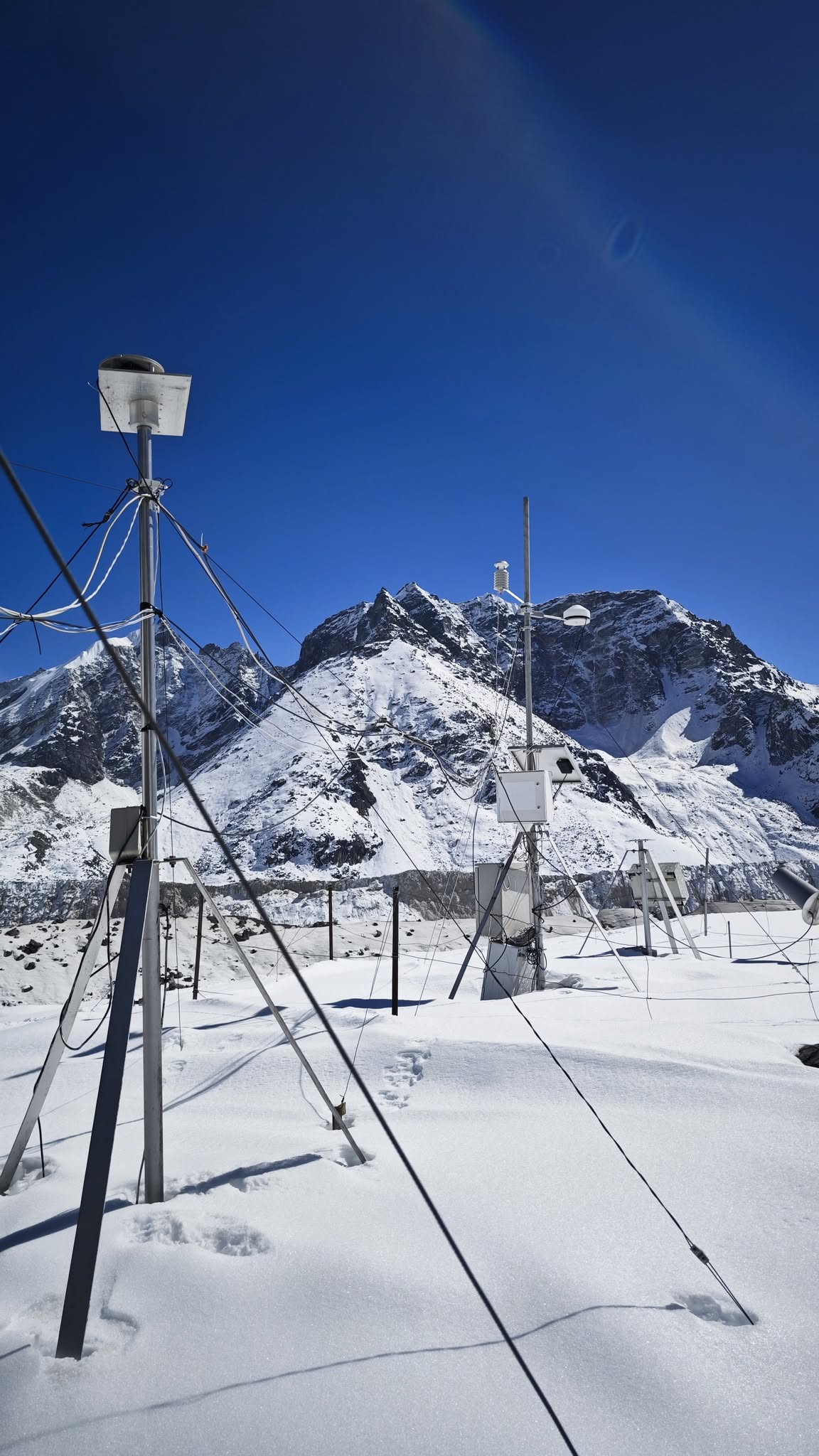
The GLOF Sanjibani Project, scheduled to run from 2026 to 2033, will lower the water levels of Dona, Lumding Tsho and Lower Barun lakes by three metres each and Hongu 2 by one metre. It will also expand hydrological and meteorological monitoring, strengthen climate-risk information and planning, and improve early warning systems for downstream communities.
The project is financed by a $36.16 million grant from the Green Climate Fund, with $11.32 million in co-financing from the Government of Nepal, $2.14 million from UNDP and $0.32 million from private-sector partners.
The project is expected to directly benefit more than 385,000 people, 55 percent of them women, while providing indirect safety benefits to nearly two million people living in downstream river basins, according to UNDP.
The national inception workshop held in Kathmandu brought together government officials, GCF and UNDP representatives, local authorities, technical experts and development partners to establish implementation priorities and coordination mechanisms.
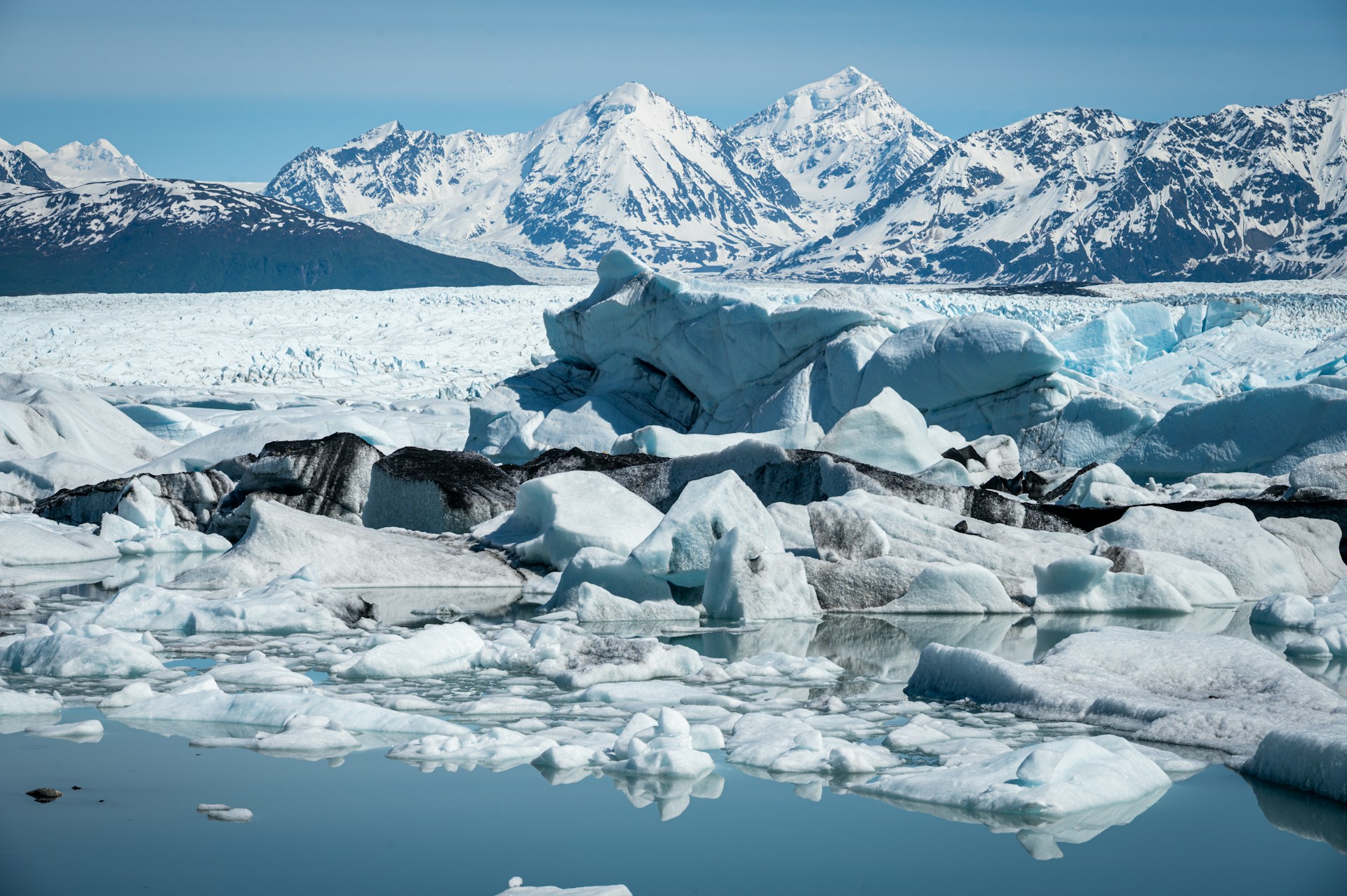
Nepal's Himalayan region is experiencing rapid warming, glacier retreat and expansion of high-altitude glacial lakes, increasing concerns over GLOF hazards. Officials said the project would shift the country's approach from responding to disasters after they occur towards anticipating and reducing risks.
“Glacial lakes are ticking time bombs as mountains are changing rapidly,” said Sanjeeb Baral, executive director of the Centre of Hydrology and Water Resources Research (CHWRR). He called for urgent lake-lowering measures with appropriate safety precautions and compliance with environmental and social safeguards.
The project will also introduce nature-based solutions and protective infrastructure to reduce flood risks in downstream watersheds. Local governments and targeted municipalities will be involved in implementation and community-level preparedness.
The project is being implemented through CHWRR under the Ministry of Energy, Water Resources and Irrigation, in collaboration with the Department of Chure and Critical Watershed Conservation, Department of National Parks and Wildlife Conservation and National Disaster Risk Reduction and Management Authority.
The Ministry of Finance, Nepal Tourism Board and Independent Power Producers' Association, Nepal are among the other partners.
UNDP Resident Representative in Nepal Kyoko Yokosuka said recent flooding in the Rasuwa-Bhotekoshi and Gandaki basins demonstrated how quickly climate-related hazards could develop into humanitarian and economic crises.
The project also aims to support safer land-use planning and create conditions for more resilient hydropower and tourism development in vulnerable mountain areas.


 °C
.jpg)

Comment