The Tourism Times | Breaking tourism-related news from Nepal and beyond
°C
T3 Special
Let’s say the world ‘Nepal is safe for tourism’
Photo by Sebastian Pena Lambarri on Unsplash
By
Tourism Times
Published at : 2 Sep 2026, 9:09 PM
KATHMANDU: Nepal’s parliamentary tourism committee has called on the government and industry leaders to move beyond reassurances and implement a concrete strategy to rebuild international trust in the country’s travel sector, following the recent Bhotekoshi–Trishuli floods.
Committee Chairperson Sumnima Udas emphasized that simply declaring ‘Nepal is safe’ is insufficient, urging coordinated action to deliver credible, positive messaging to global visitors and travel partners. “Nepal is safe for tourism,” she said adding that stakeholders, however, need to explore the message worldwide with concrete evidences.
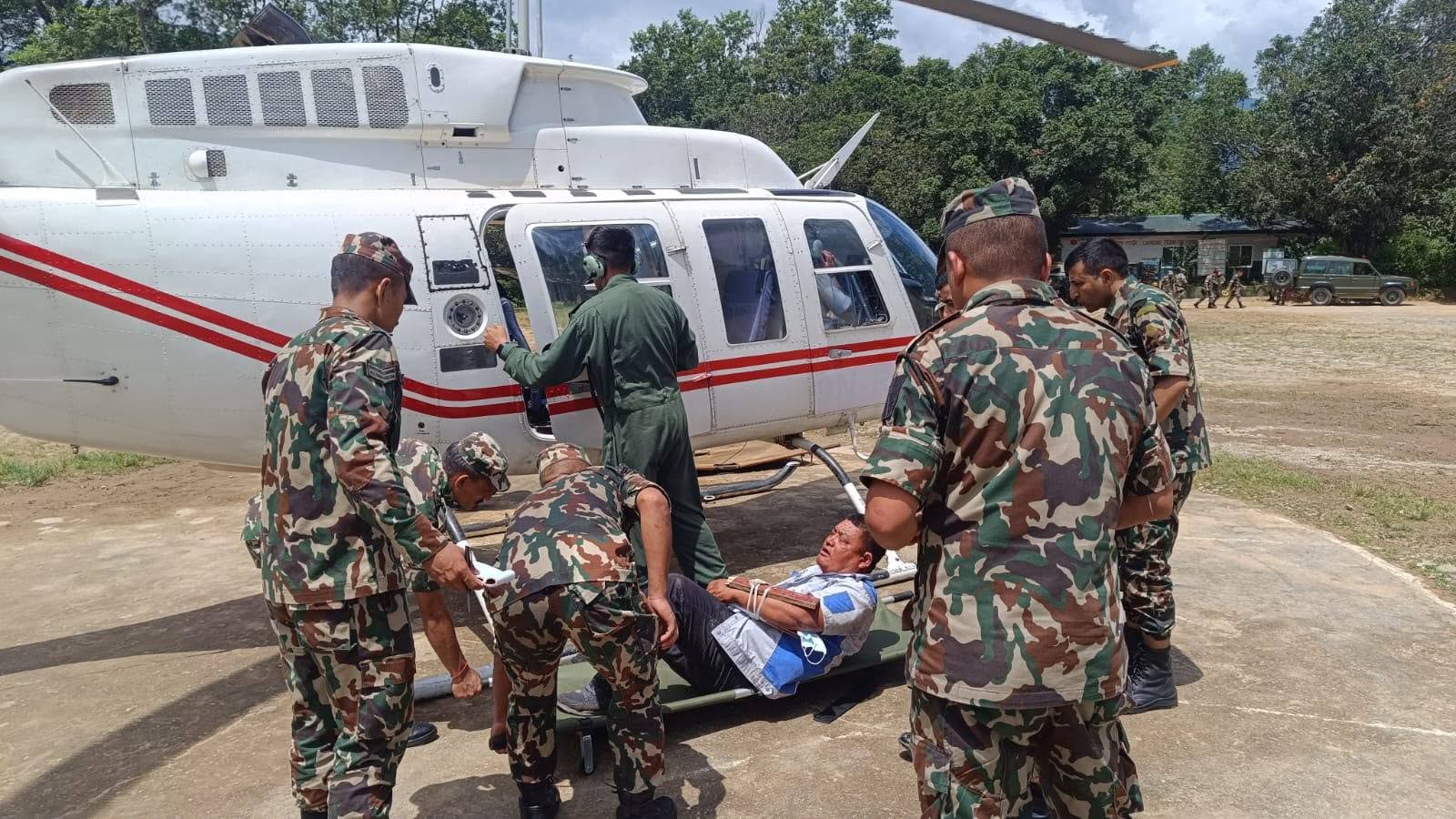
Culture, Tourism and Civil Aviation Minister Khadak Raj Paudel confirmed the government's commitment to rescue operations, noting that helicopter services have been streamlined under a single-window system for greater efficiency. He added that five daily flights are being offered free of charge (excluding Bhote Koshi) as a public service. Paudel also proposed a long-term plan to position Rasuwa as a "climate heritage" destination, linking the disaster to climate change and advocating for climate justice on international platforms.
Speakers also stressed that search and rescue must remain the immediate priority, while also calling for faster crisis communication, better record-keeping, and long-term structural reforms. Committee members and industry leaders collectively urged the government to fill vacant agency leadership posts to avoid delays, set up a dedicated help desk and integrated information system to reduce anxiety for families of missing foreigners, and allocate at least 15 percent of the Prime Minister’s Relief Fund specifically for tourism recovery. They also proposed visa facilitation, hotel discounts, and free or subsidized airfare for tourists and relatives of victims, alongside a memorial for those who lost their lives.
All representatives highlighted the need for Nepal to raise climate justice and Himalayan risks at international forums, with climate change being placed at the center of tourism policy going forward. At the same time, tourism businesses were criticized for failing to provide accurate tourist records to the Nepal Tourism Board, which has prolonged uncertainty over the number and status of missing persons, currently estimated at around 995 foreign tourists, including Indian nationals.
Agency heads and association presidents confirmed that relief coordination is ongoing, with the Department of Tourism collecting and disseminating regular information in coordination with security forces, and the Nepal Tourism Board strengthening its "Calling Nepal" campaign while considering discounts on services.
The private sector pledged full support for a stronger "Nepal is Open" campaign, while the Nepal Mountaineering Association reported that 12,600 trained personnel and standby helicopters are available for rescue if government-directed. Long-term social security for tourism workers, simplified procedures for identifying foreign fatalities, and diplomatic coordination on border points were also emphasized as essential next steps.
While the floods have dealt a heavy blow to Nepal’s tourism industry, both in human and economic terms, leaders across government and the private sector agree that transparent communication, efficient rescue operations, and proactive safety messaging are essential to restoring visitor confidence and reviving the sector.


 °C
°C 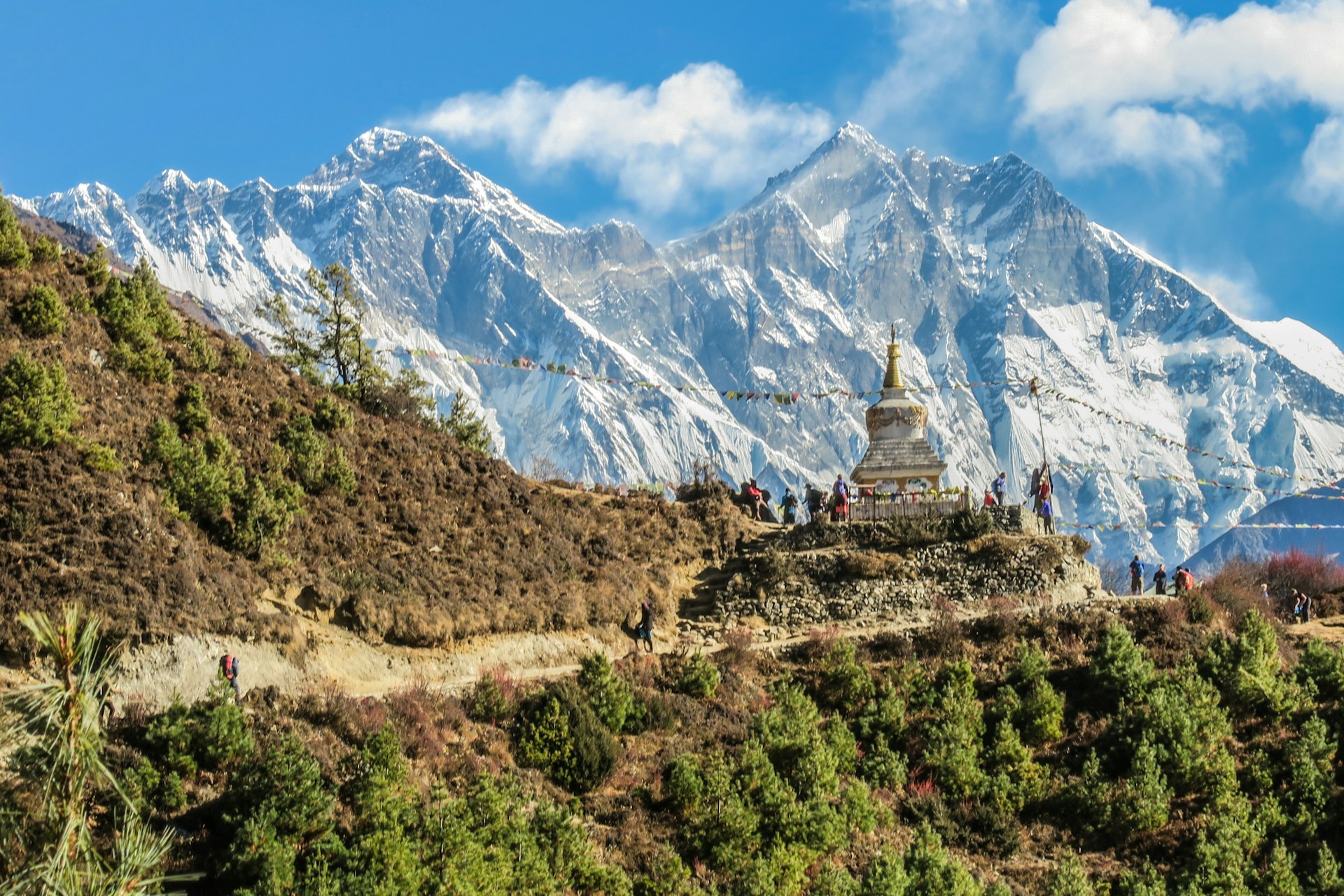

Comment