

 °C
°C “Without Sherpa, these dreams would remain just dreams": SST’s Chhang Dawa Sherpa on Everest, rescue, and record-breaking feats (Interview)
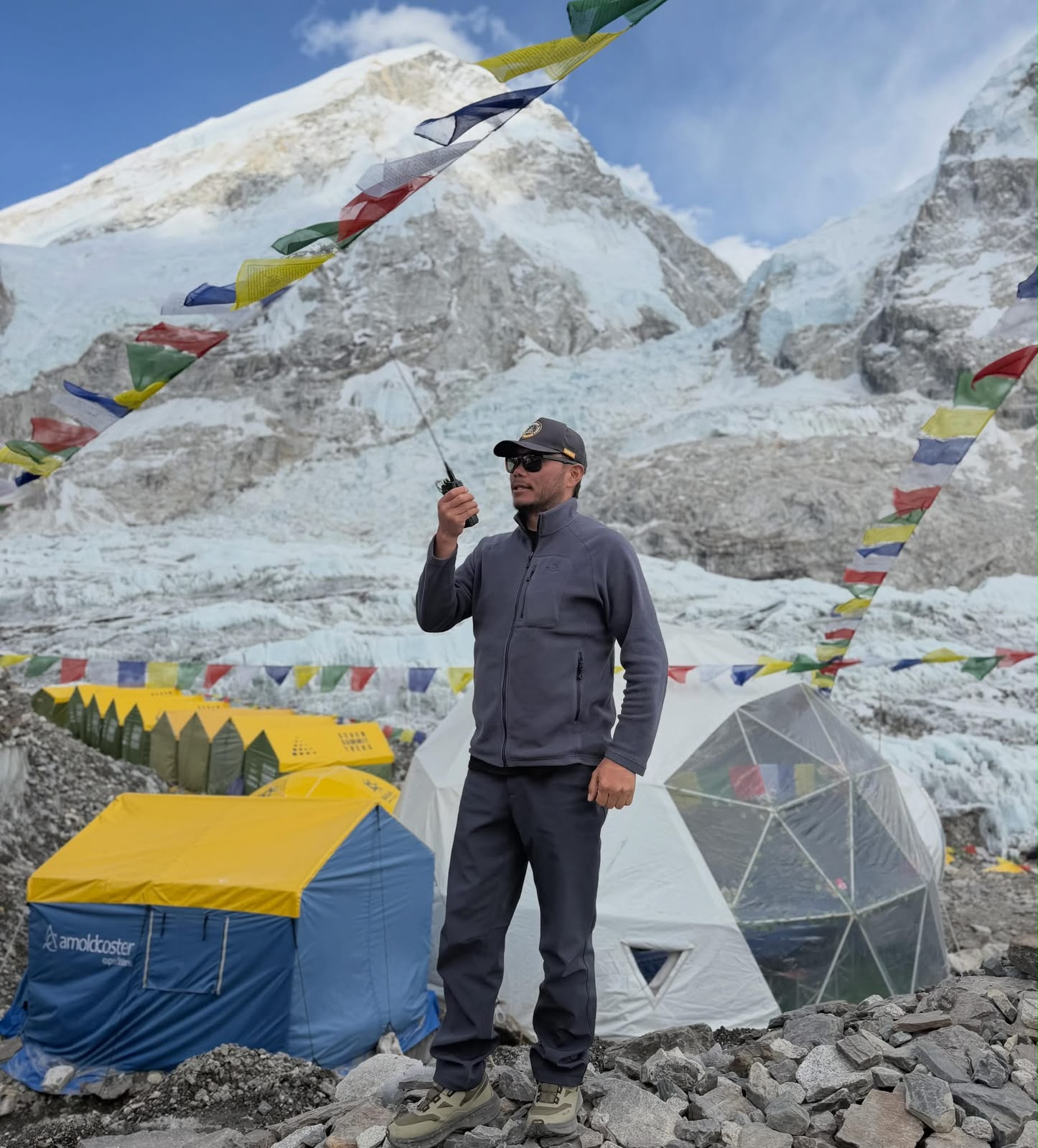
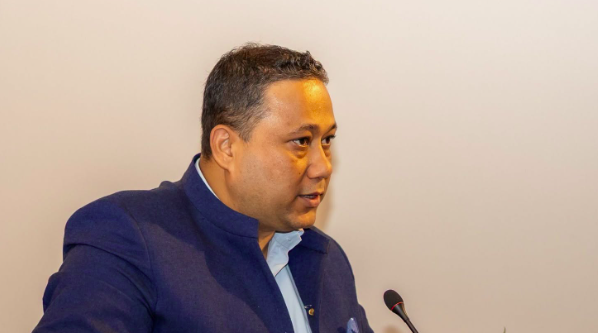
KATHMANDU: Born in the remote Makalu village of Sankhuwasabha, Chhang Dawa Sherpa grew up among the peaks that would come to define his life. In 2014, at age 30, he became the world's youngest climber to summit all 14 peaks above 8,000 meters—a feat he achieved alongside his brother Mingma Sherpa, making them the first sibling duo to complete the legendary list.
That personal milestone lent Chhang Dawa instant credibility as an expedition manager. Today, as co-owner of Seven Summit Treks (SST)—Nepal's largest taxpayer in the trekking and expedition sector—he directs the most ambitious mountaineering operations across the Himalayas and the Karakoram. Since 2010, SST has guided Nepali and international climbers alike toward the world's highest summits.
Without Chhang Dawa, many of those dreams might never have become reality. In 2019, he masterminded Nirmal "Nims" Purja's landmark "14 Peaks in 7 Months" project—a mission once dismissed as impossible. His quiet, behind-the-scenes coordination was crucial to the record-breaking success that captivated the globe and inspired the Netflix documentary 14 Peaks: Nothing Is Impossible. Last autumn, he enabled Polish extreme skier Andrzej Bargiel's historic Everest descent—the first ski from the summit without supplemental oxygen. Since then, his reputation has only soared: he led the inaugural successful winter ascent of K2, managed Kristin Harila and Tenjen "Lama" Sherpa's blistering 92-day speed record across all 14 eight-thousanders, and coordinated the dramatic rescue of Indian climber Anurag Maloo from a deep crevasse on Annapurna I.
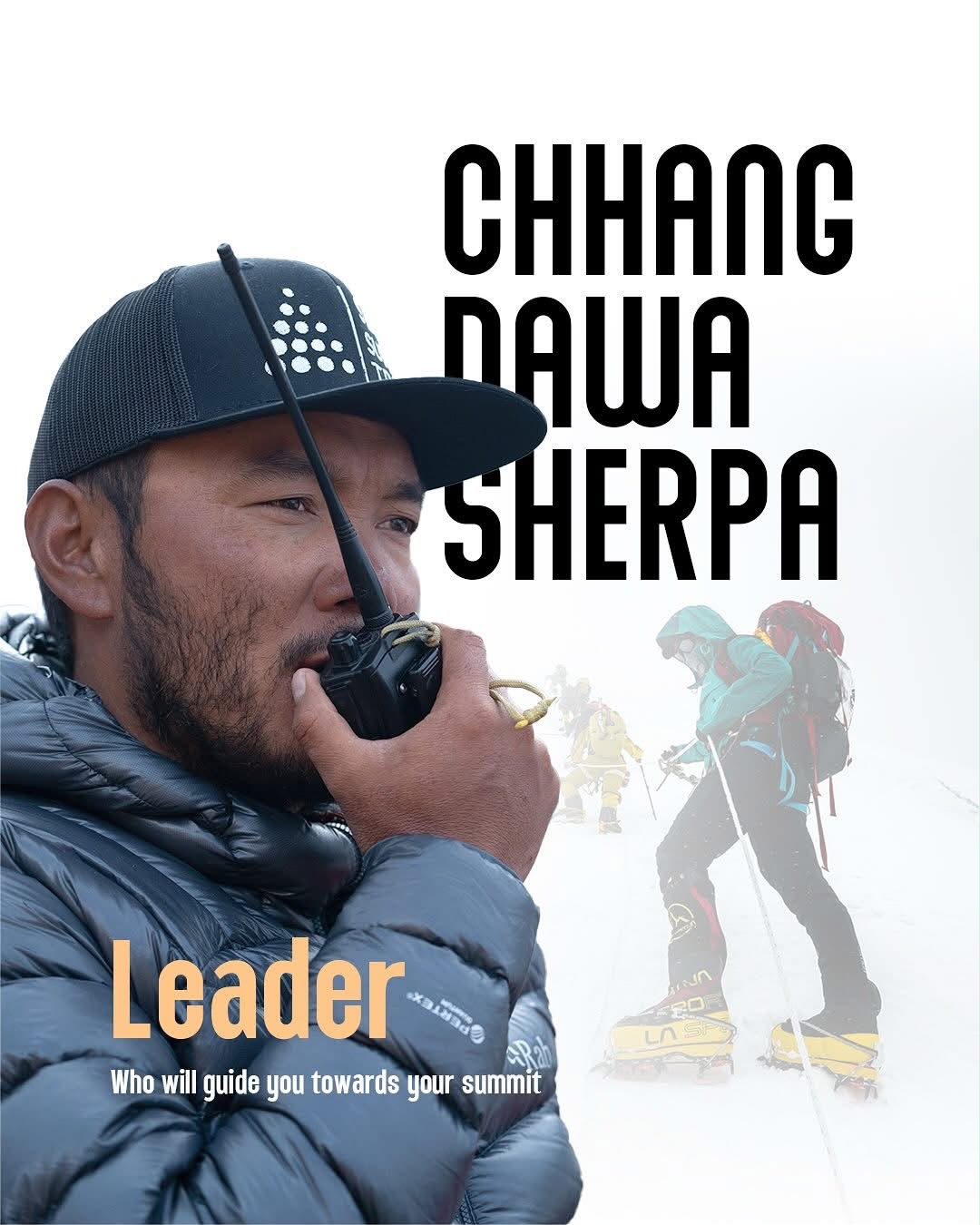
With the spring Himalayan season now over, climbers have turned their attention to Pakistan's peaks, while Nepal gears up to welcome international expeditions for the autumn. The Tourism Times sat down with the legendary Chhang Dawa for an exclusive seven-question conversation.
Excerpts:
How was the spring climbing season on Mt. Everest this year?
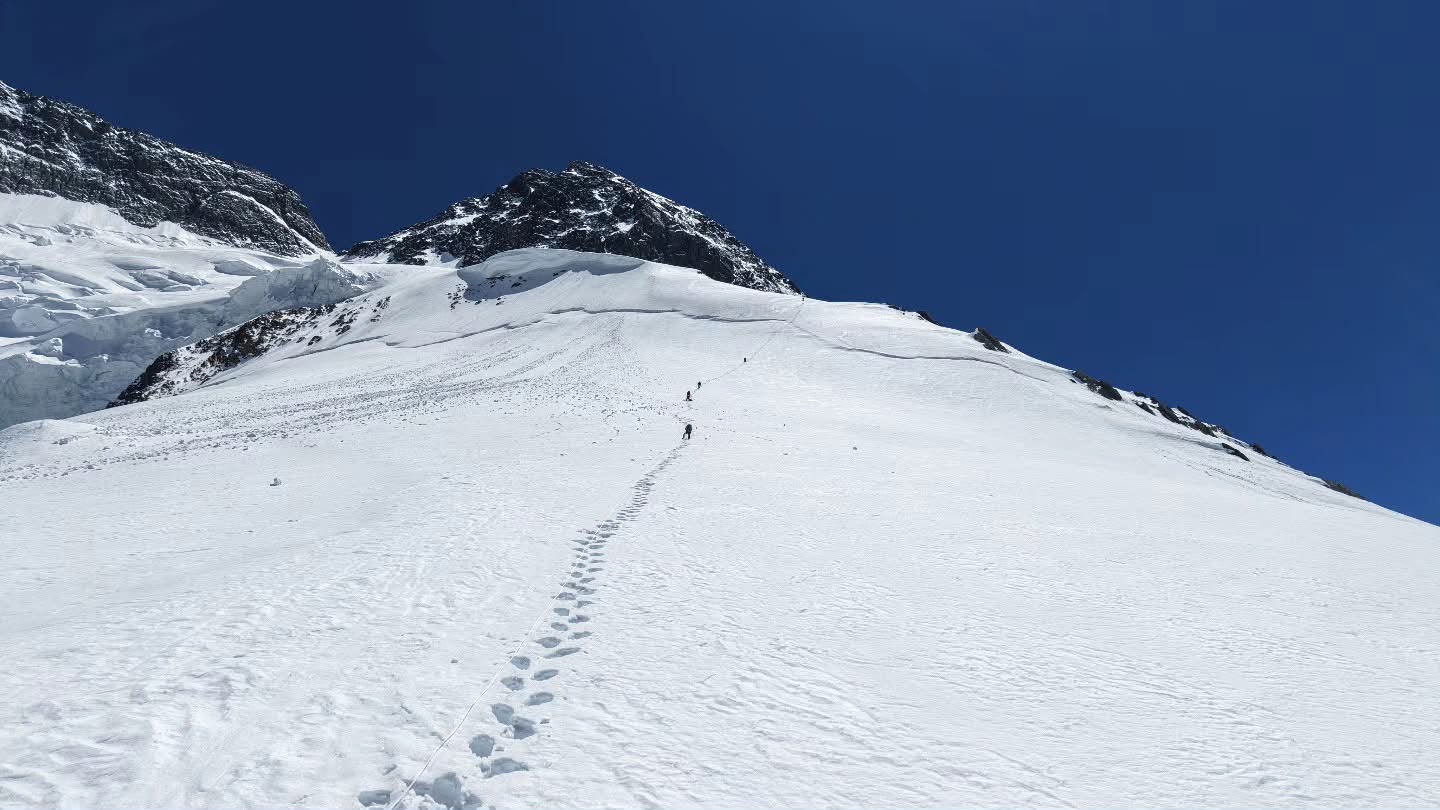
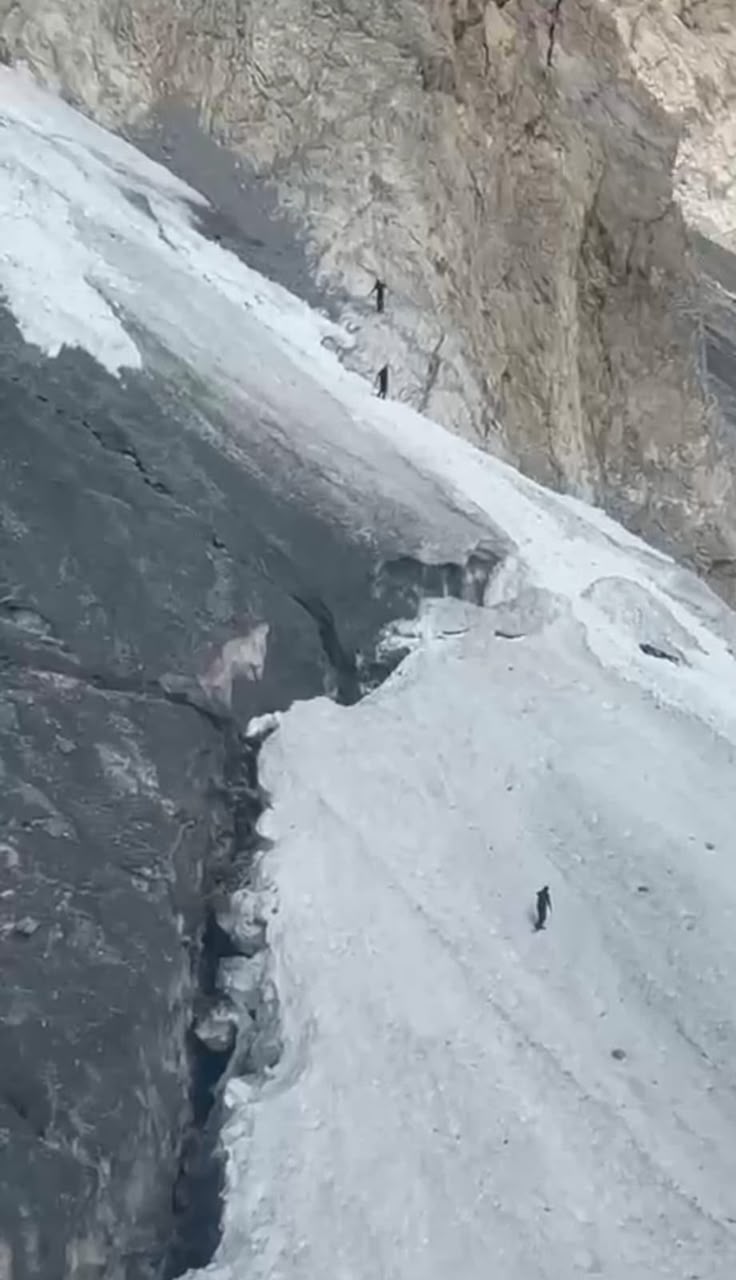
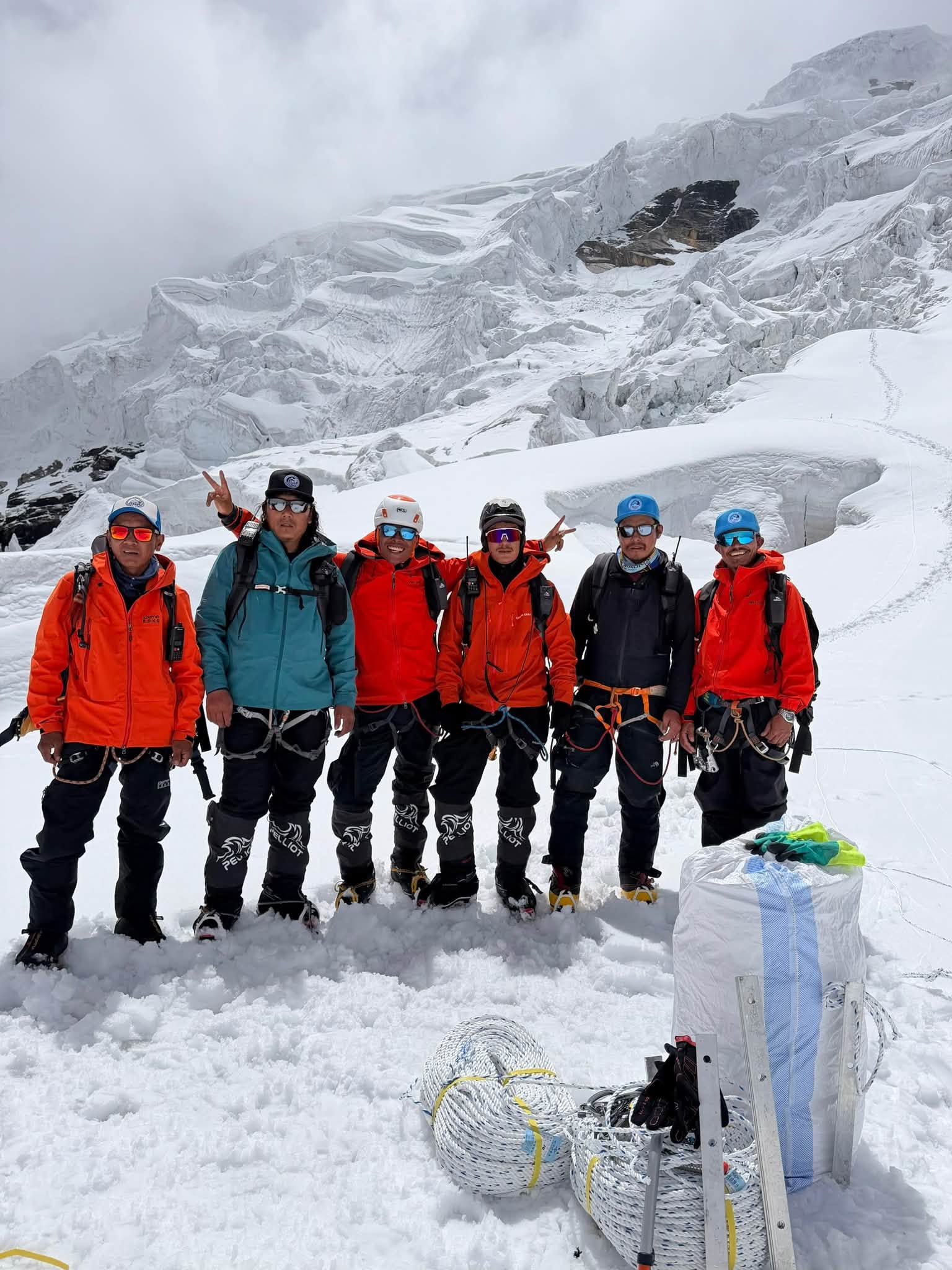
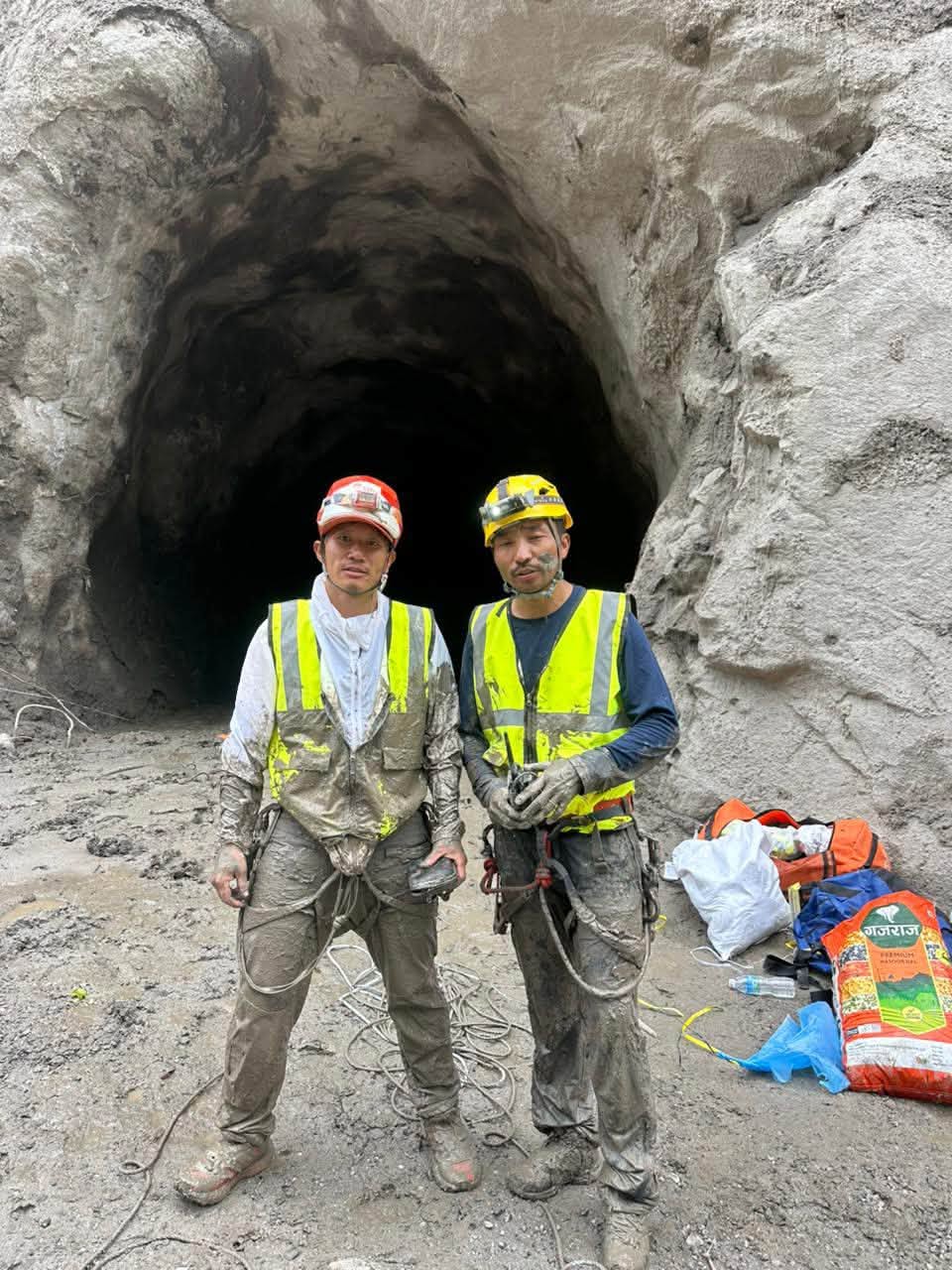
This spring on Everest was a huge challenge to begin with. I was at Base Camp the whole time, coordinating and monitoring everything, including constant communication with the fixing teams. The serac problem that appeared at the head of the icefall near Camp 1 created a major issue and halted the entire operation. When something like this happens, the whole management and logistical chain gets affected, and with 50 to 100 climbers depending on us, it becomes a big challenge.
To manage the icefall problem, I assigned three of our Sherpa guides to support the main rope-fixing team. Some other companies also offered help. This caused nearly two weeks of delay, but we all stayed focused and worked together to make it work.
Once the serac issue was resolved and things settled, we managed to have a very successful season with very few casualties and stable weather windows, resulting in one of the safest and most successful Everest seasons in recent years.
Could you notice any significant difference this year compared to past seasons?
Compared to previous years, this season started with a significant setback due to the icefall issue. But after overcoming it, we had a very safe and successful season. We achieved smoother logistical management to the higher camps, and the weather was favorable, with clear summit windows that helped us plan the teams' summits safely.
Overall, it boosted the confidence of all operators. We also saw a rise in the number of climbers on Everest, approaching 500 individuals this season. As an expedition operator, it feels good to see the positive changes and increased global interest in mountaineering.
What are your suggestions to curb rapid environmental pollution on Mt. Everest?
We all need to be very conscious that mountains are fragile ecosystems, especially with rising global temperatures. The mountains are among the most sensitive environments on Earth.
All stakeholders including operators, climbers, and everyone involved, should be mindful of our practices and impact on the mountains. We must remember that we exist because of these mountains, and they are sacred places of nature.
The Government of Nepal should also put extra focus on strictly maintaining and implementing rules and regulations to make mountain adventures safer and more sustainable.
Mountain cleaning campaigns should be more frequent and scientifically managed. We cannot afford to keep piling up rubbish on our mountains. Waste is a big problem, so we must minimize what we take up and ensure that whatever we bring, we bring back down.
Being the country's largest expedition operator, what do you expect from local and federal governments to enhance adventure activities in Nepal?
We expect the government to recognize that expedition agencies contribute significantly to the national economy, job creation, and foreign currency earnings. We hope for fewer administrative hurdles and greater priority from the government to make this industry stronger and more robust. With proper support, Nepal can truly become the adventure hub of the world.
Have you confronted any significant challenges in streamlining this year's expeditions in Nepal's Himalayas?
Yes, we faced quite a few challenges, especially early in the season on Everest. The big serac near Camp 1 hindered the rope fixing and caused almost a two-week delay. Managing the entire crew and all the climbers during that time was also a big challenge.
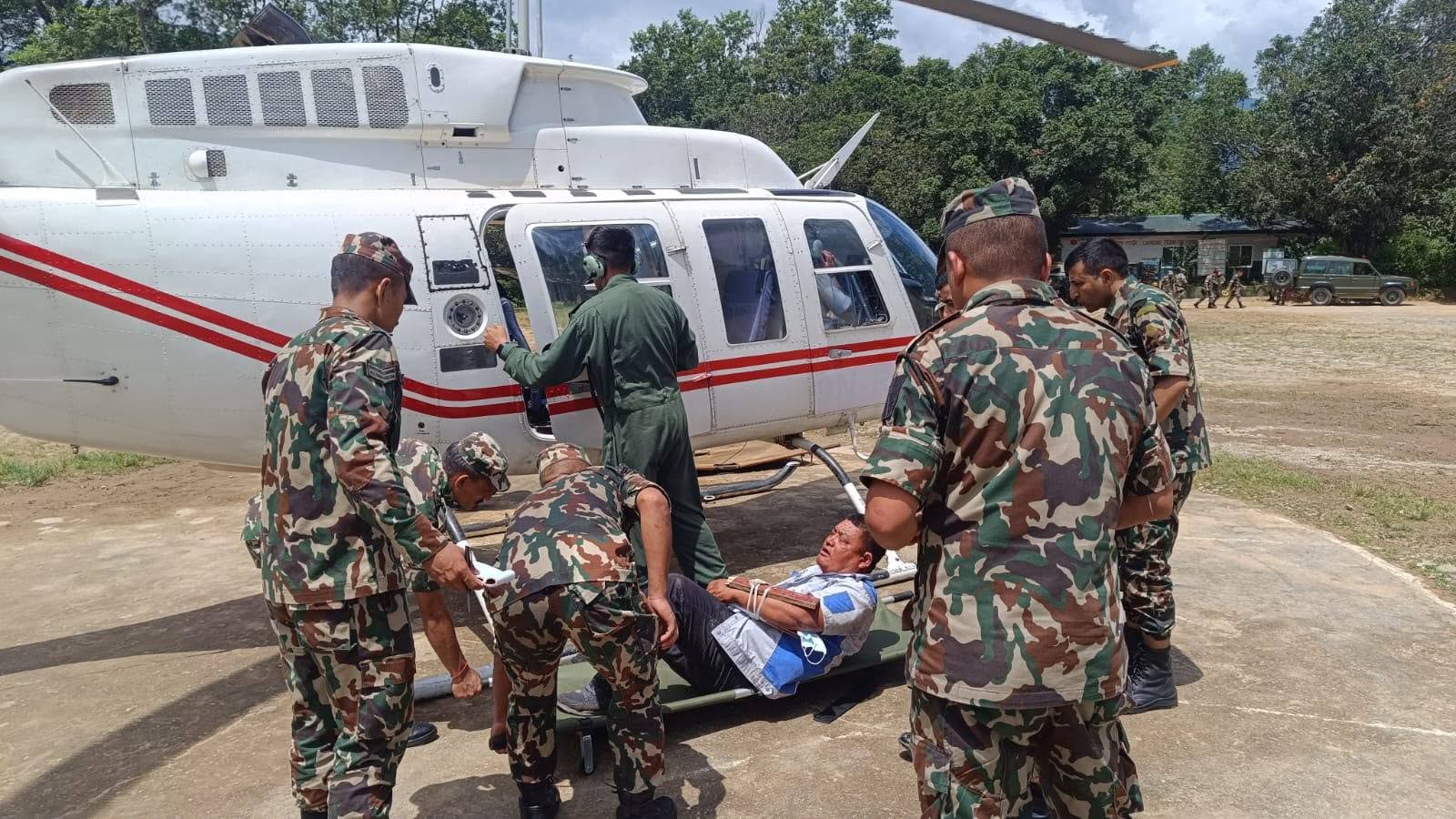
Additionally, the current rules regarding helicopter rescues sometimes create difficulties in executing prompt rescues. In critical situations, one cannot afford to wait for lengthy administrative procedures. This is a challenge that appears almost every season.
Why do mountaineers worldwide choose Seven Summit Treks for expeditions not only in Nepal but also in Pakistan and China?
Seven Summit Treks was established with the vision to serve climbers from all over the world. Both my brother Mingma Sherpa and I have climbed all 14 × 8,000ers, and this legacy is very important to us. Many climbers who dream of completing the 14 peaks come to us for guidance and support.
People choose SST even for expeditions in Pakistan and China because of the experience and trust we have built over the years. I feel happy to help fellow climbers achieve their dreams—I was once in their place. We have also gained deep operational knowledge in both countries, and we will continue organizing expeditions on the five 8,000ers in Pakistan and Cho Oyu in China.
Could you share a bit about your decades-long journey in the field of mountaineering?
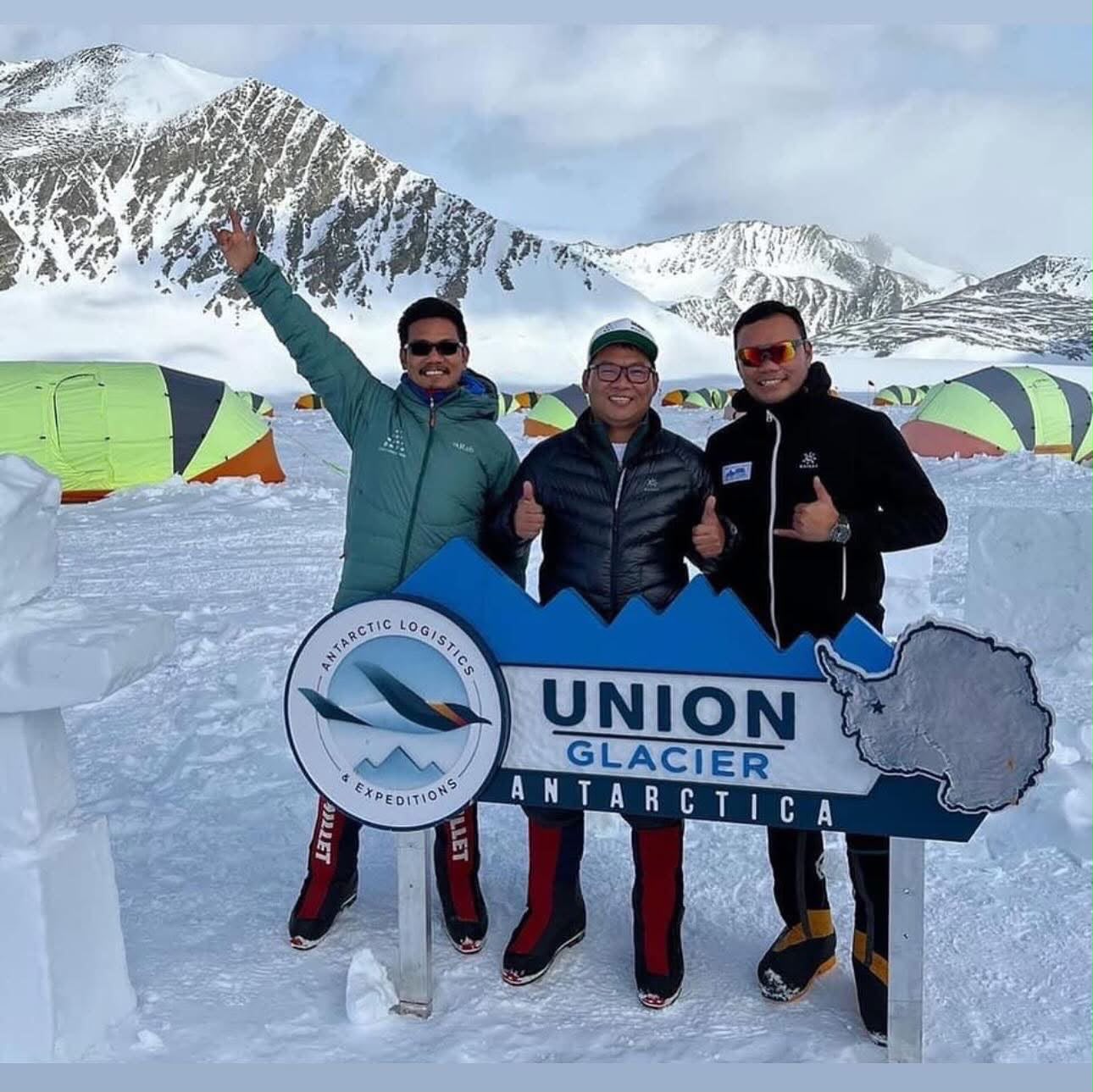
I started my climbing career with the summit of Makalu in 2001 as a member of the rope-fixing team. Along with my elder brother Mingma Sherpa, we became the first brother duo to complete all 14 × 8,000ers.
The early days were tough, as they are for every young Sherpa boy who dreams of becoming a climbing guide. We didn't know the basics of adventure, technical skills, or equipment. We learned everything on our own. But now I see how much the adventure industry has evolved, there are structured trainings, better gear, improved weather forecasting, and many more services available. All of this has also increased the value of climbing.
My journey has been part of this big evolution of mountaineering in Nepal. I started as a porter, then became a guide, and eventually climbed all 14 peaks. Because of my deep love for this adventure, we started Seven Summit Treks to share the same passion with climbers from around the world. That's how it continues.
Comment