The Tourism Times | Breaking tourism-related news from Nepal and beyond
°C
Travel & Leisure
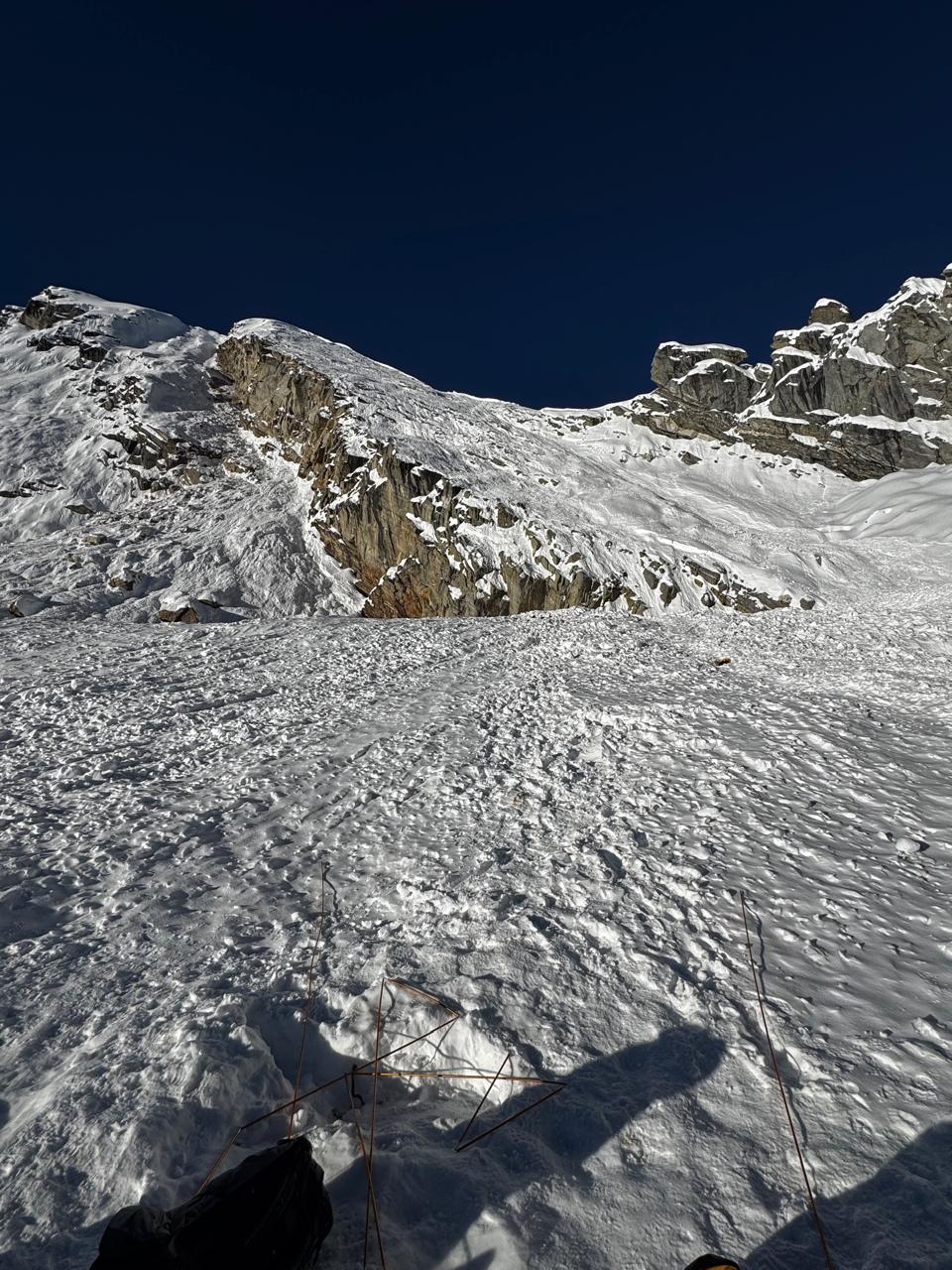
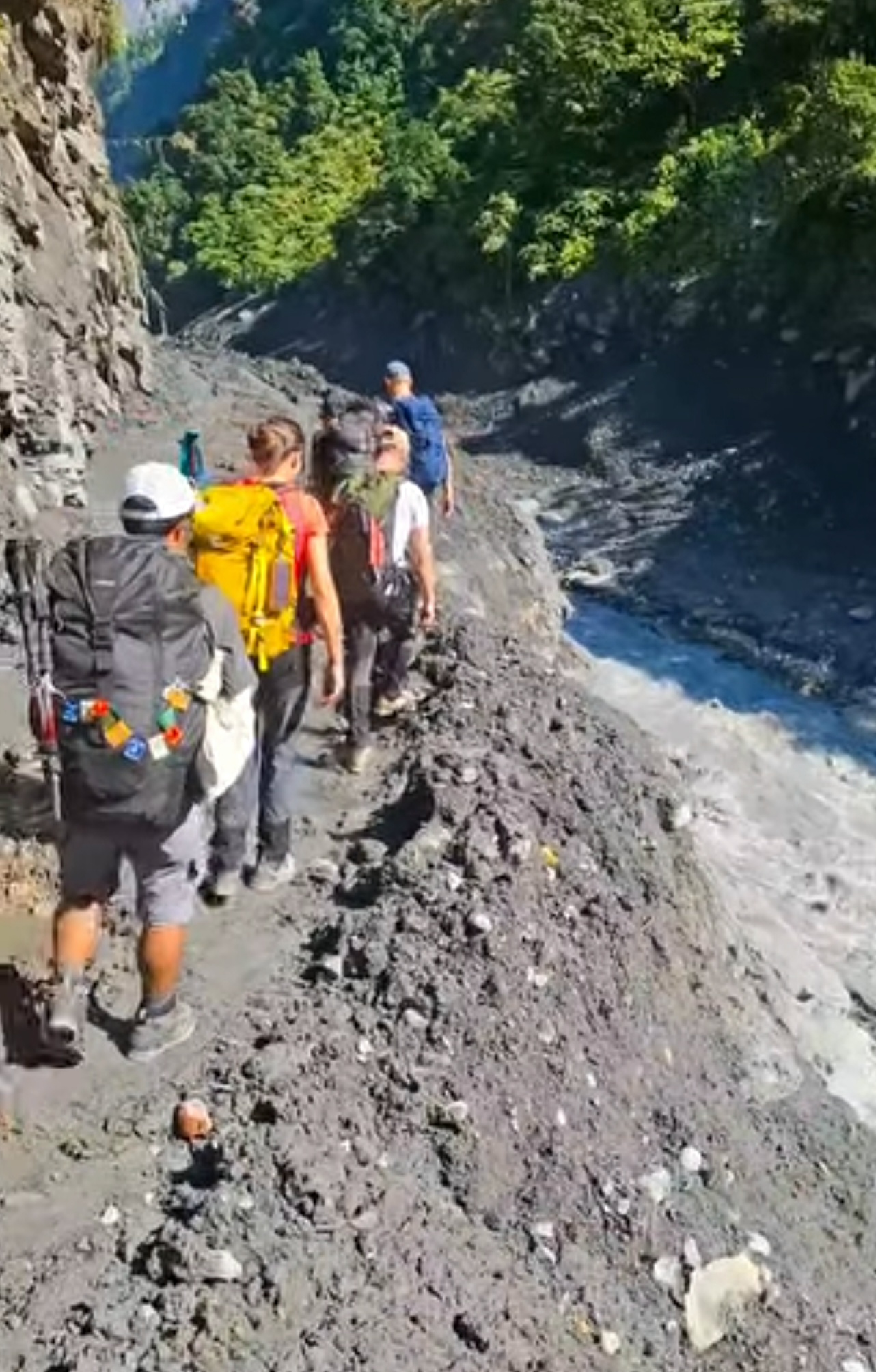
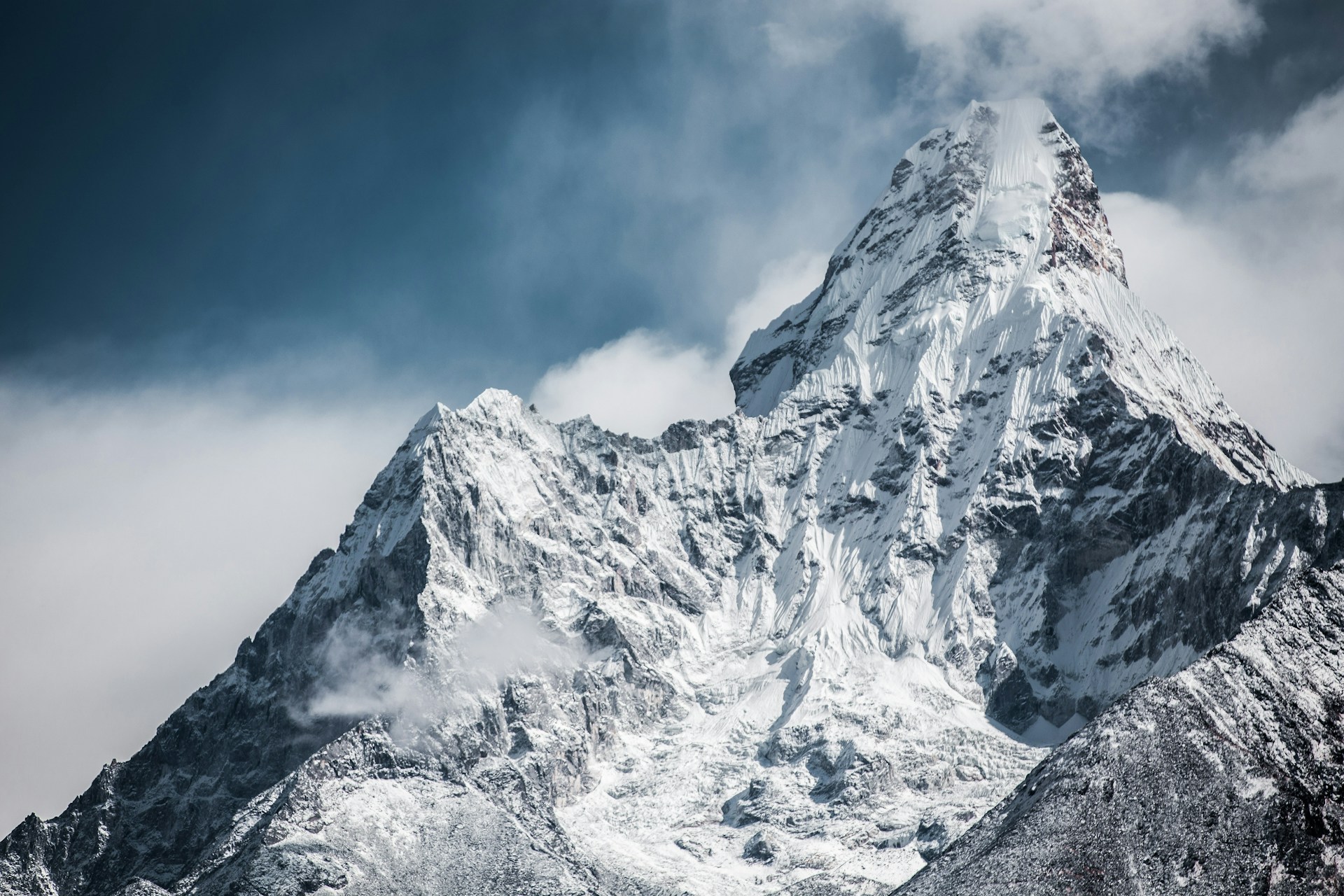
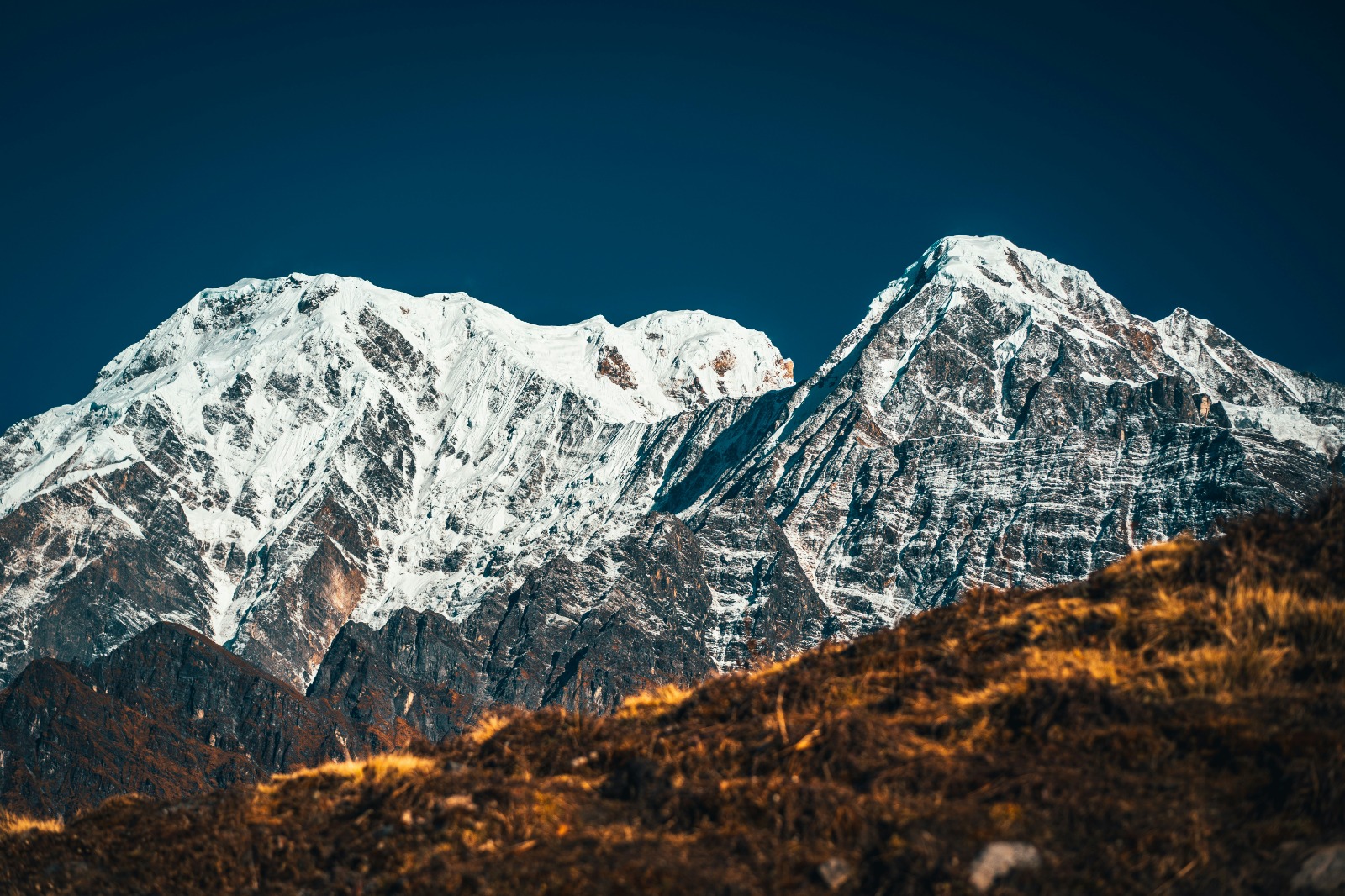
Annapurna Conservation Area sees record 299,830 foreign visitors in 2025
Photo Courtesy: NTNC-ACAP
By
Tourism Times
Published at : 1 Jan 2026, 3:36 PM
Mustang and Annapurna Base Camp see steady growth as community-based trekking gains momentum
KATHMANDU: The Annapurna Conservation Area (ACA) recorded its highest-ever international tourist arrivals in 2025, underscoring a strong rebound in trekking tourism and the growing appeal of community-led conservation destinations in Nepal.
According to data released by the Annapurna Conservation Area Project (ACAP), a total of 299,830 international tourists visited the ACA between January 1 and December 31, 2025. Of them, 177,628 were from SAARC countries, while 122,202 arrived from non-SAARC nations—a milestone year for sustainable tourism in the region.
Mustang leads growth within ACA
Within the broader ACA, Mustang emerged as a key driver of growth. ACAP’s Jomsom office reported that 161,122 foreign tourists visited Mustang in 2025, an increase of 25,403 visitors compared to 135,719 in 2024. This marks an 18.71 percent year-on-year growth.
Of the total Mustang arrivals in 2025:
132,847 visitors were from SAARC countries
28,275 visitors came from non-SAARC countries
In comparison, Mustang had recorded 109,549 SAARC tourists and 26,170 non-SAARC tourists in 2024. The figures translate into a 17.57 percent rise in SAARC arrivals and a 7.44 percent increase in non-SAARC visitors, according to ACAP.
ABC Trek sees community-led expansion
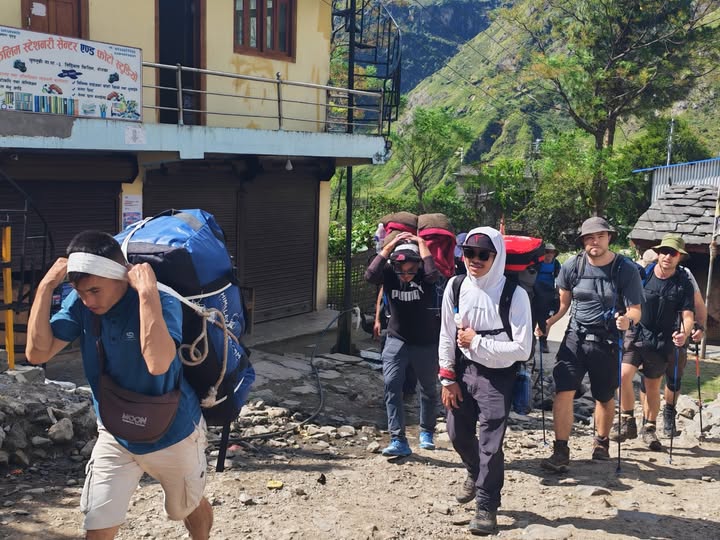
Trekking tourism along the Annapurna Base Camp (ABC) route has also continued to expand steadily. In Chhomrong, one of the most important stops on the ABC trail, all 62 households are now operating hotels, reflecting years of ACAP’s efforts to ensure direct economic benefits for local communities through tourism.
Tourism experts say the record numbers highlight the success of conservation-based tourism models, improved trail infrastructure, and renewed international confidence in Nepal’s trekking destinations.
With Mustang and the Annapurna trails gaining momentum, stakeholders believe the region is well positioned to further strengthen sustainable mountain tourism—provided infrastructure, waste management, and visitor regulation keep pace with rising arrivals.


 °C
°C 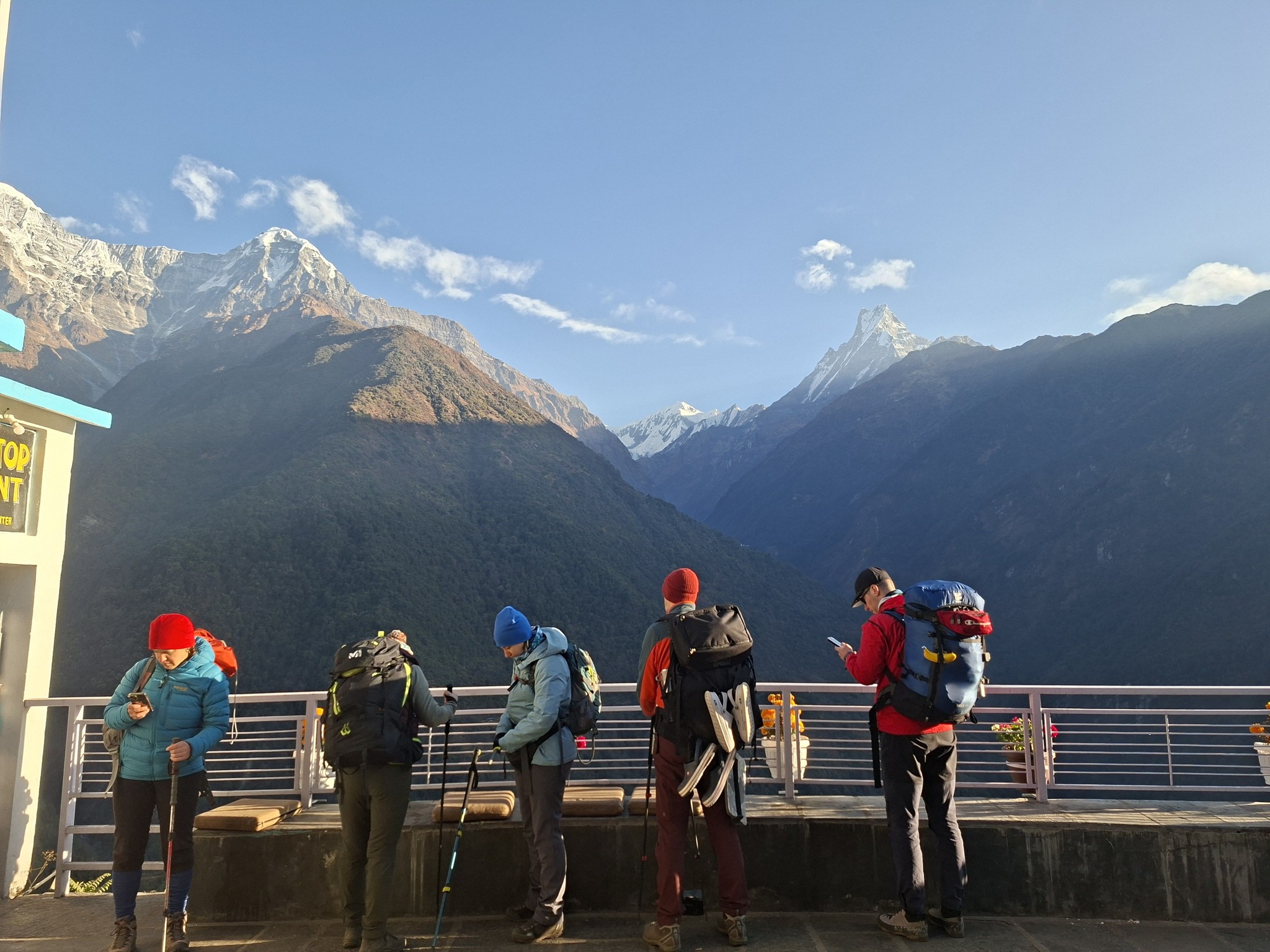

Comment