

 °C
°C Casting a Spell – Fly-fishing in Nepal
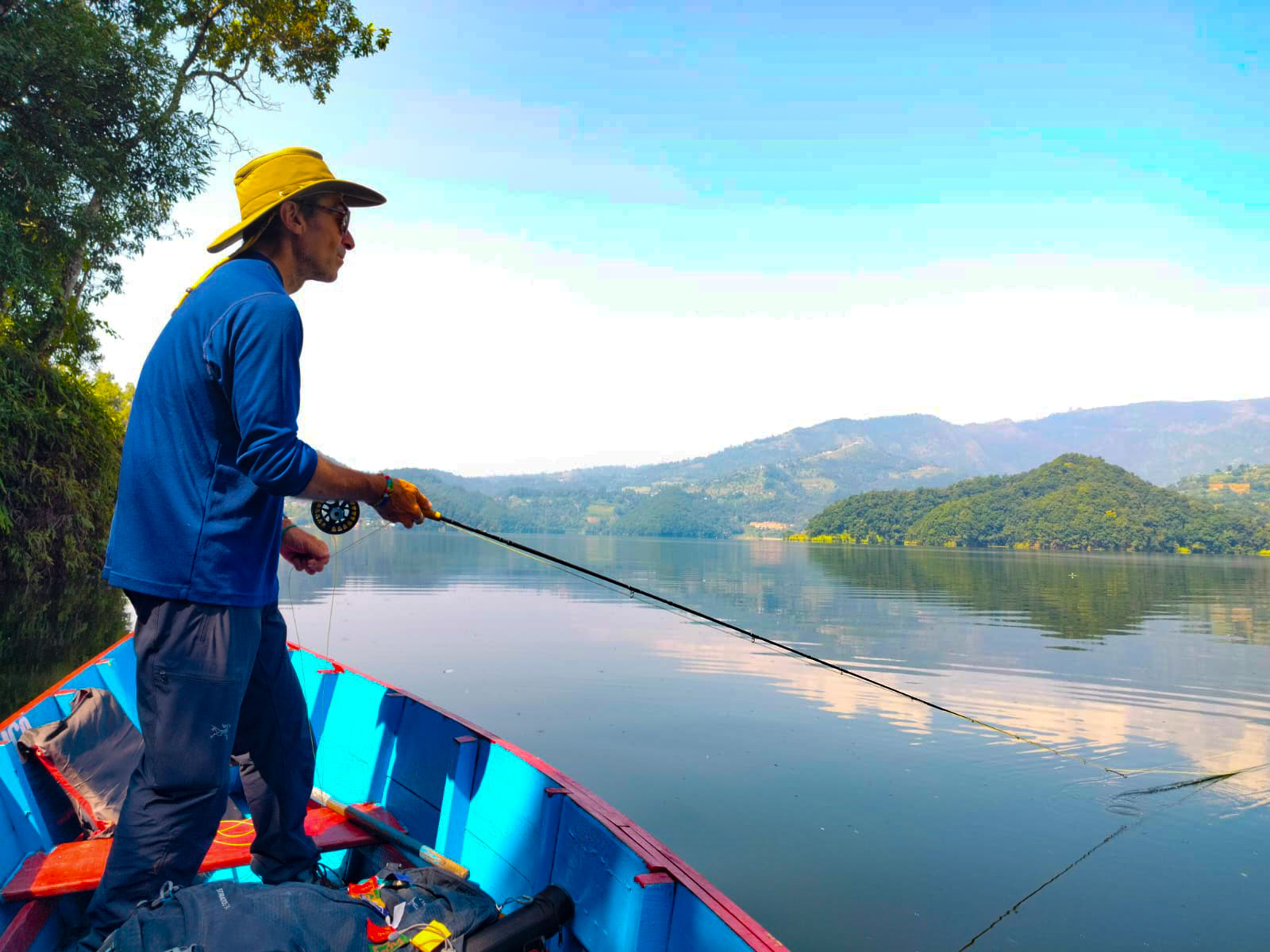
Karma comes in many different forms. Sometimes, it is not getting what you seek and learning to be grateful for what is. Such was the case during my journey to Nepal. Especially when it came to fishing.
I’ve traveled a lot and have kept my packing down to a few pounds by forgoing luxuries. But, the one special item I always pack on the go is my fly rod. It’s lightweight and doesn’t take up much room. Best of all, my “El Jefe,” a 6-piece, 5-weight backpacking fly rod designed by Pescador on the Fly, helps keep my fishing dreams alive.
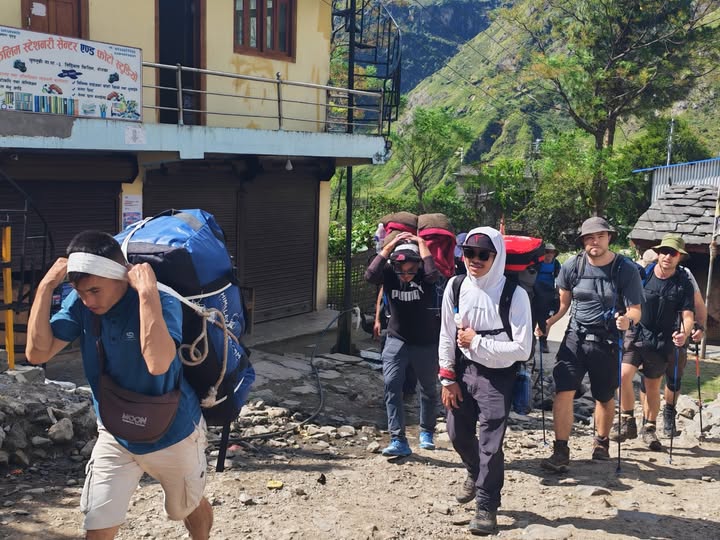
My Nepal trip started off in fishless territory, where my fly rod was of no use. I’d been trekking for 12 days in Upper Mustang, a predominantly Buddhist area that borders Tibet. Think South Dakota’s Badlands bordered by white-capped massifs like the Grand Tetons, with not a lake in sight.
Luckily, the trip’s end found me in Pokhara, a place with several fishy-looking lakes and rivers nearby.
So, the first morning there, my trekking guide Raju picked me up in a motor scooter and we set off to explore the area for the day. “Bring your fishing rod,” he said. “We may be able to find a spot where you can fish.” El Jefe was ready to go.
We headed east from Pokhara – which is Nepal’s second-biggest city after Kathmandu – and drove past momo stands, mobile repair shops, Indian-made trucks spewing black fumes, men squatting under the shade of trees, and uniformed kids heading to school, before the grit of the city gave way to jungle.
We zoomed up a hill about 15 bumpy kilometers from Pokhara’s city center and reached a place called Majhikana, which translated into Nepalese means “Fisherman’s Corner.” Soon, the placid, emerald-green waters of Lake Begnas revealed itself through the leaves of the banana trees. This looked promising!
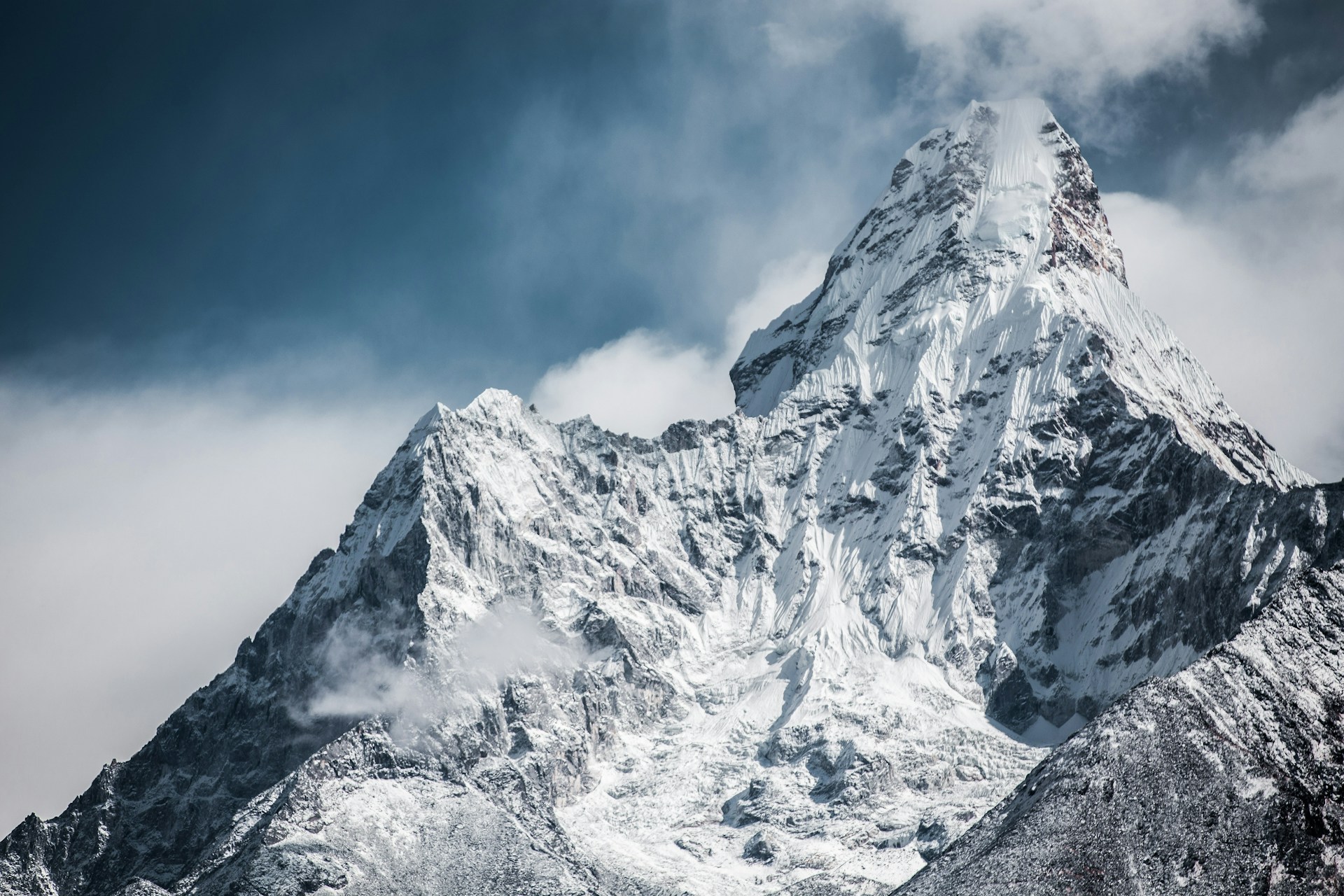
Nepal may not be a hot spot on the world’s map of fly-fishing destinations. Indeed, most travelers to this South Asian nation, sandwiched between India and China, come to visit Kathmandu and its cultural attractions (including seven World Heritage Sites in the surrounding valley) and, of course, to experience the Himalayas – the tallest mountain range on Earth.
Read Also: Modern Mustang – A trek in the once-forbidden Himalayan kingdom
However, the country is blessed with many creeks, rivers and lakes supporting well over 200 species, according to a book titled Fish Catching in the Himalayan Waters of Nepal by Ted Kumar Shreshtha. The highland and lowland waters support a variety of coldwater and warmwater species, including snow trout, carp, masheer, and eels, which are perfectly suited to be targeted with a fly.
“The fly bait on a light fly rod is ideal because of the size and weight of the fish and its lively antics after being hooked,” Shreshtha wrote. “The flesh of the eels is excellent if taken from the river…the flesh often has a grassy flavor so should be cooked with ginger.”
Spotting a roadside restaurant, Raju pulled over and called out to the proprietor to ask for directions. The man’s name was Santos, and he was a fisherman, too. “I love fishing,” he said, his dreadlocks dangling behind him as he joined us on the road. He said Lake Begnas has eel, carp, tilapia and even golden masheer – a species prized among sport fishermen in the Himalayan waters.
I was doubtful that masheer live in this lake – it’s more of a migratory river fish – but Santos said, “Every year I catch three or four golden masheer.” He promised to meet me down by the lake so we could fish together. “In 20 minutes, I will be there.”
In the meantime, Raju and I continued to one of a handful of open-air seafood restaurants, which dotted the small peninsula. We found a place called Alex’s Prakash Restaurant, which was frequented by a mix of Nepali tourists and Israeli backpackers.
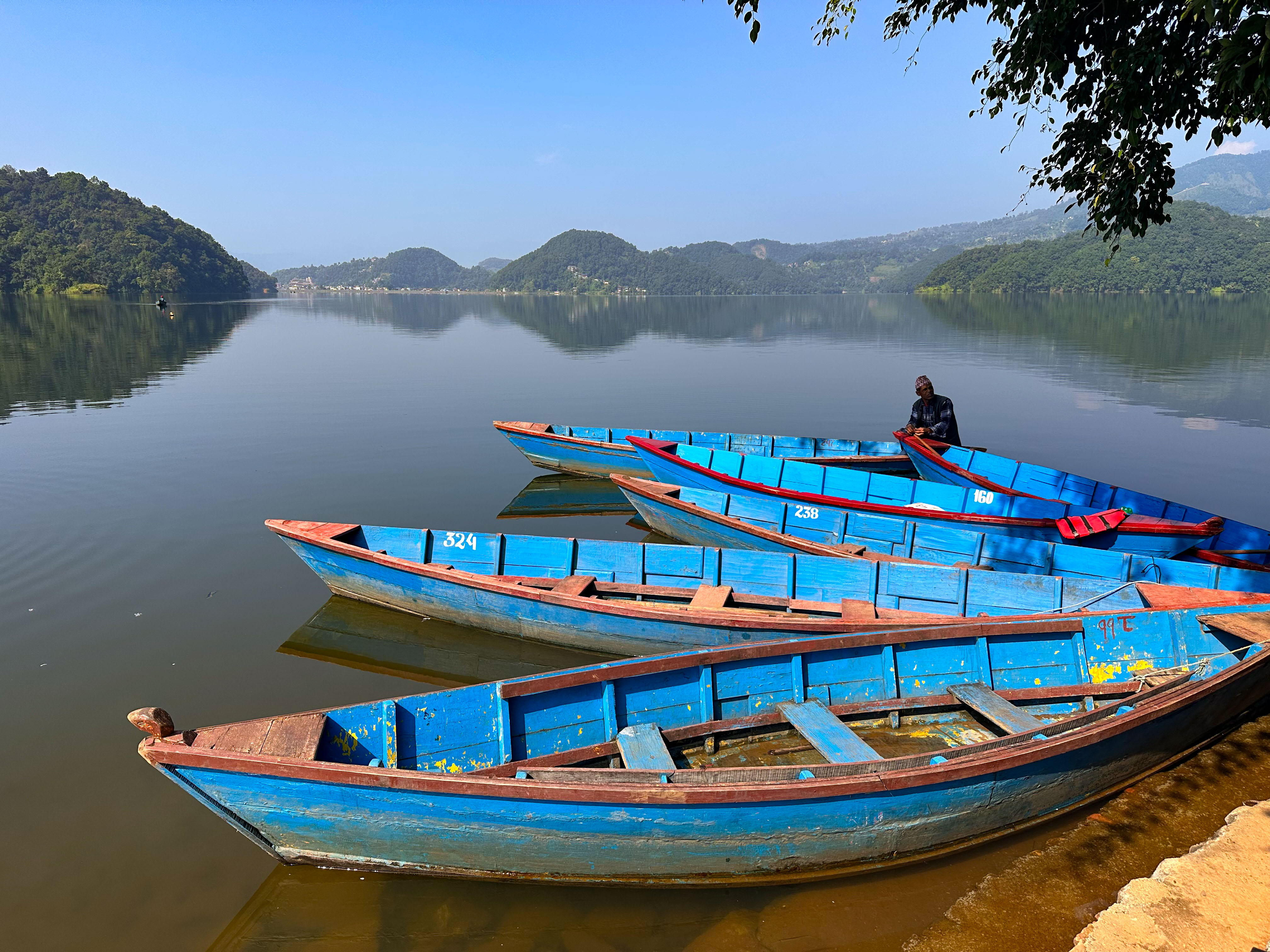
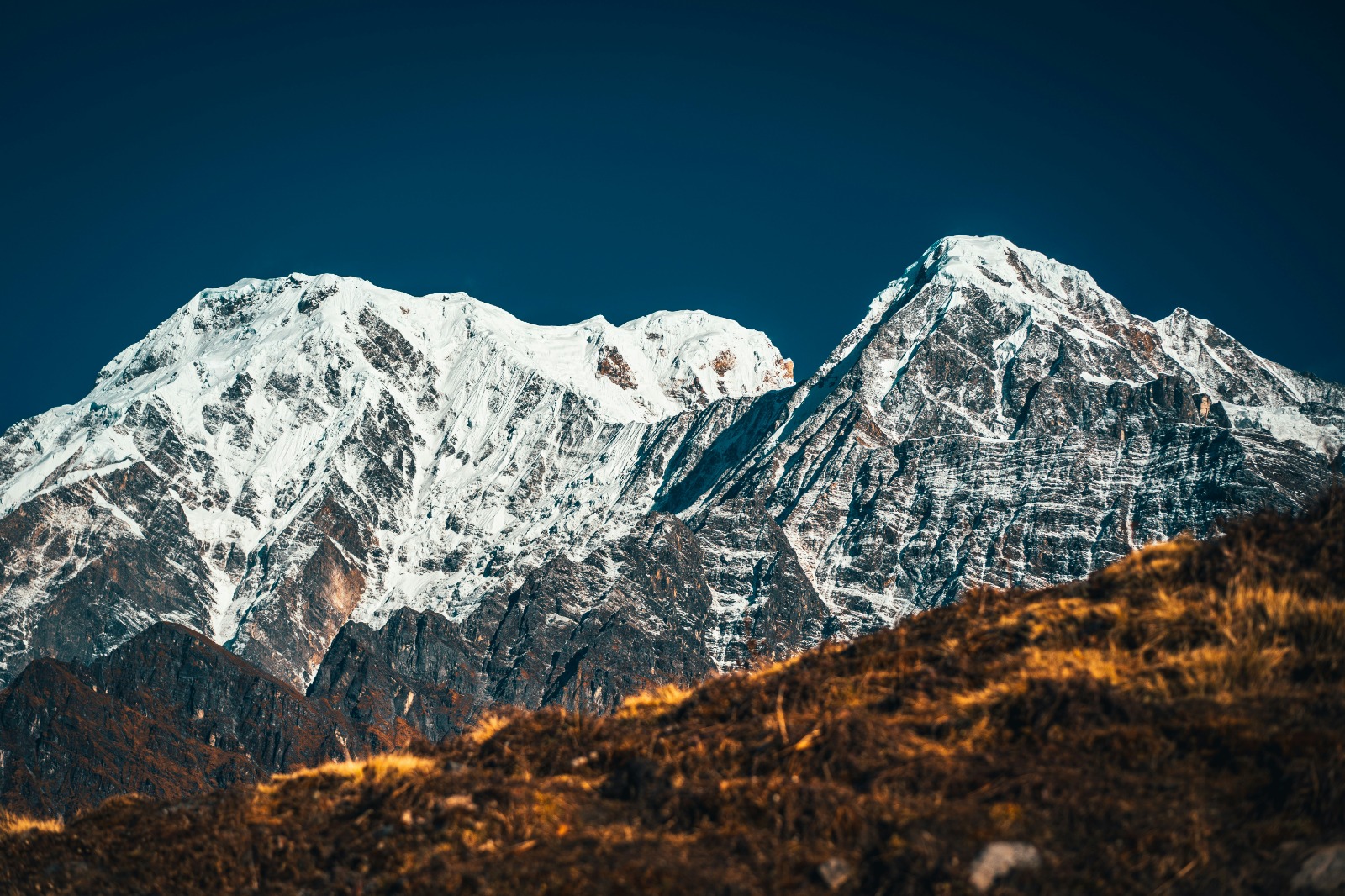
Most importantly, there were boats for rental – sort of like Mexican pangas and painted blue like the sky – and we set off into Begnas Lake for a couple of hours, with Raju taking the oars. The craggy peaks of the Annapurna Range loomed to the east as puffy clouds drifted across the sky, providing a respite from the searing heat.
As for my angling strategy, the far side of the Begnas Lake was shady, so we headed that way. I had brought along a selection of about 30 flies -- mostly dry flies to float on the surface – and I started by tying a black woollybugger with a bushy tail to the end of my line. (Santos had told me it was a good fly for the lake!)
I started casting, hoping for a bite, and it was all quiet on the Nepali front, a harbinger of the unfolding day. “The fish are not interested in your bait,” said Raju, who grew up in a village in the Gurkha district and didn’t consider himself a fisherman in any way, shape, or form. Clearly, he was not impressed with my fly gear, nor were the fish.
After a quiet 30 minutes, we noticed a butterfly dive into the lake and start to struggle. We concluded the butterfly was in danger – something was going to rise from the depths of the lake and eat it. It was only a matter of time.
“I think we should save the butterfly,” Raju said, “and let it go in the jungle.” He rowed us closer as I grabbed an oar and extended it toward to the insect like a like preserver. It was a large moth, in fact, and as I lifted it into the air, it flew back into the cover of the bush. “Now you have good karma,” said Raju, who is a practicing Buddhist. “I think you will now catch a fish.”
Sadly, no good karma came my way – despite saving the butterfly/moth, the fish were not taking any of my flies. We assumed they were holding in the deepest part of the lake, and most of my flies weren’t getting down far enough. “We need Santos,” Raju joked.
As the day wore on and I continued my fruitless casting, a few things crossed my mind. First, I thought about John Gierach, the legendary author of countless books and essays on fly-fishing, who had passed away due to a tragic heart attack the day before. His book, Trout Bum was the first fishing book I read when I was just starting my journey as a fly-fisherman over 35 years ago. Like many in the fly-fishing community, I was mourning his death.
Regarding not catching fish, Gierach wrote in his book, Dumb Luck and the Kindness of Strangers, that fishing has never lent itself to the kind of “satisfaction on demand” that technology provides us with and has trained our minds to expect. The simple reason is that fish do not want to be caught.
“Fishermen who care too much about the size and numbers of fish they catch are insufferable on good days and as harried as overworked executives on slow ones. On the other hand, it’s possible to be a happy angler who doesn’t catch much fish; it’s just that no one will ever say you’re good at it.”
I can live with that. And if I’m being honest, I do have some good days where I’m catching a lot of fish. Just not today.
Secondly, as I cast in Lake Begnas, I had time to reflect on everything Raju had told me as we trekked over 100 miles in Upper Mustang’s Kali Gandaki valley the previous two weeks. Not only was he interpreting what I was seeing in this predominantly Buddhist area on the border of Nepal and Tibet, but he was also sharing with me lessons that he has learned while practicing this way of life.
“Mindfulness is a very important part of Buddhist teaching,” Raju told me. “You have to maintain your focus.” This can be easily applied to fly-fishing. Whether it’s your first cast of the day or the last, keeping a focus is oftentimes key to catching fish. Not today, though.
Raju also told me to forget about the past and future. “In Buddhism,” he said, “we say be in the present. Just enjoy the present and be thankful to yourself – your karma.” I thought about this as I lamented not catching any fish.
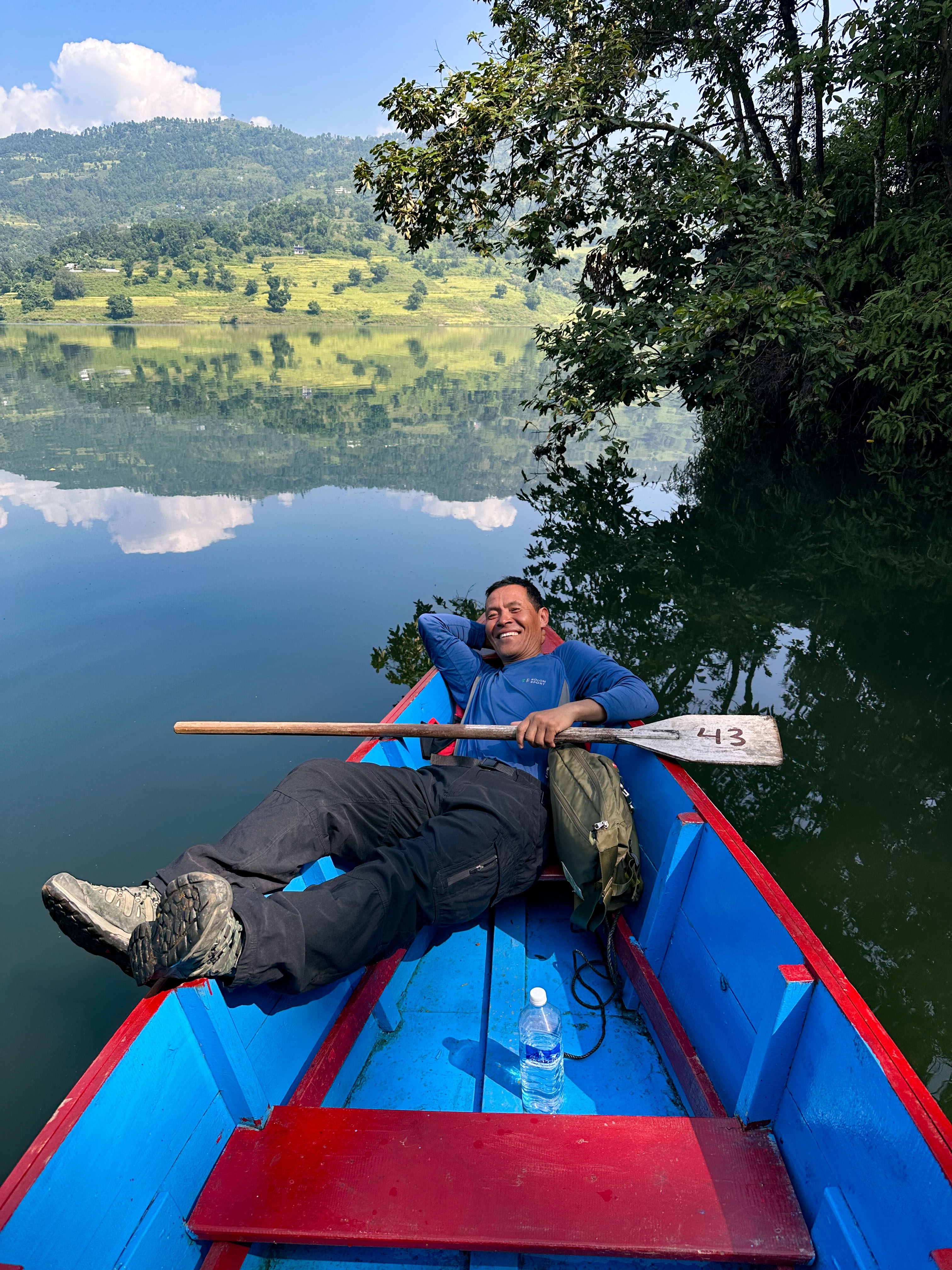
And lastly, my mind drifted and I was starting to get hungry, and I couldn’t stop thinking about my dinner plans at Samrat Restaurant, located near my hotel in Pokhara. OK, so it wasn’t quite being in the present moment, as Raju had instructed in his Zenlike way, but if you had tasted Samrat’s chicken tikka masala and garlic naan, you’d understand.
With our two hours up, we rowed back to the launch. Santos, who was nowhere to be found, had told me the fishing is best in winter, and he was probably right, but that was still a few months away.
“Who knows” Raju concluded. “Maybe the fish are just smarter than us.”
I may not have caught any fish, and I am fine with that, it wasn’t meant to be. We piled onto Raju’s bike, with El Jefe sticking out of my backpack, and started the potholed ride back to Pokhara. Despite the smell of skunk, I was leaving Lake Begnas with my karma intact.
Comment