The Tourism Times | Breaking tourism-related news from Nepal and beyond
°C
Travel & Leisure
From border permits to pilgrimage sites: NTB's new guide for tourists entering Nepal overland
By
Tourism Times
Published at : 13 Jun 2026, 11:02 PM
KATHMANDU: The Nepal Tourism Board (NTB) has issued a detailed advisory urging all tourists entering Nepal via land borders to follow official travel guidelines, aiming to ensure safer and smoother journeys for visitors arriving overland, particularly Indian nationals travelling by road.
Entry formalities
Tourists must secure an entry permit, either online or physical, through the Department of Customs upon arrival at the Nepal border, and must provide customs officers with a name list along with the age and gender of all passengers in the vehicle, the tentative duration of their stay, and the places they intend to visit. Vehicles and luggage are subject to thorough security checks. While Indian nationals do not require a visa, a valid passport or voter ID card must be made available to Nepali officials for entry.
Vehicles and drivers
The advisory notes that roads in Nepal, particularly in hilly areas, can be narrow with sharp turns, and tourists are advised to keep their vehicles in good condition throughout the trip. Drivers of Indian vehicles on Nepali roads must be sufficiently experienced and familiar with the country's topography, climate, and weather conditions.
Healthcare and money
Health posts and hospitals are available in city areas, and travellers are advised to carry first aid kits and ensure regular medications are on hand throughout the trip. On currency, Indian nationals are permitted to carry cash up to the equivalent of USD 5,000, though there is no limit on debit or credit card transactions, with card payments widely accepted at tourist sites across Nepal. Passengers carrying ornaments such as gold, silver, or precious stones must declare them at entry to avoid complications during entry and exit formalities.
Pilgrimage sites
Visitors to pilgrimage destinations — including Muktinath, Lumbini, Janakpurdham, Swargadwari, Supadeurali, Pathivara, Badimalika, Pashupatinath, Barahkshetra, Devghat/Trivenidham, and Gosaikunda — are urged to help keep the sites clean.
The advisory notes that Muktinath sits at 3,800 metres, and altitude sickness can occur above 2,500 metres, so travellers may need bottled oxygen.
Disposing of used clothes, logistical waste, or litter outside designated bins is treated as a violation subject to punishment.
Those planning to cook for themselves must coordinate with hotels in advance regarding space and kitchen logistics, or seek permission from relevant government, security, or service authorities for use of open spaces.
Trekking and mountaineering
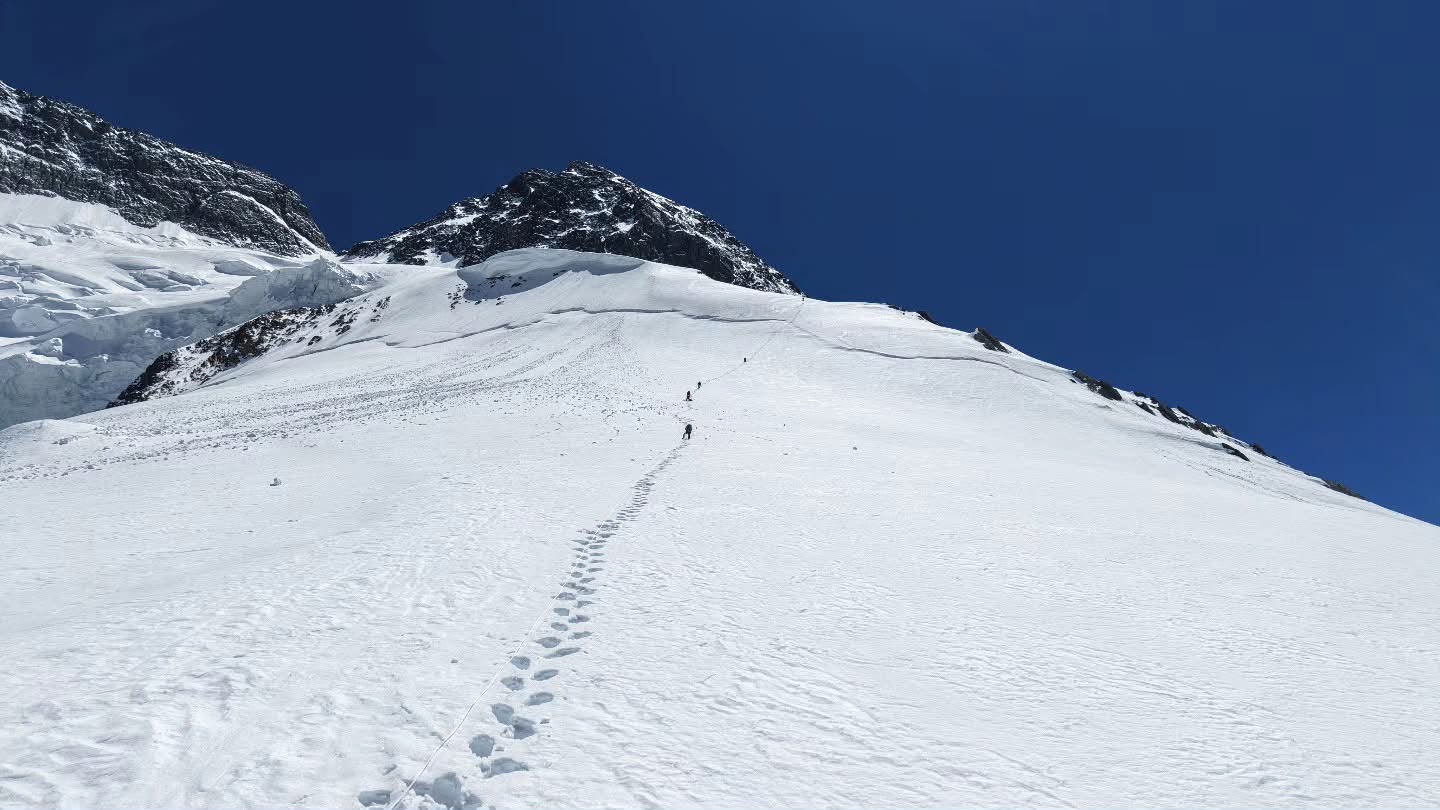
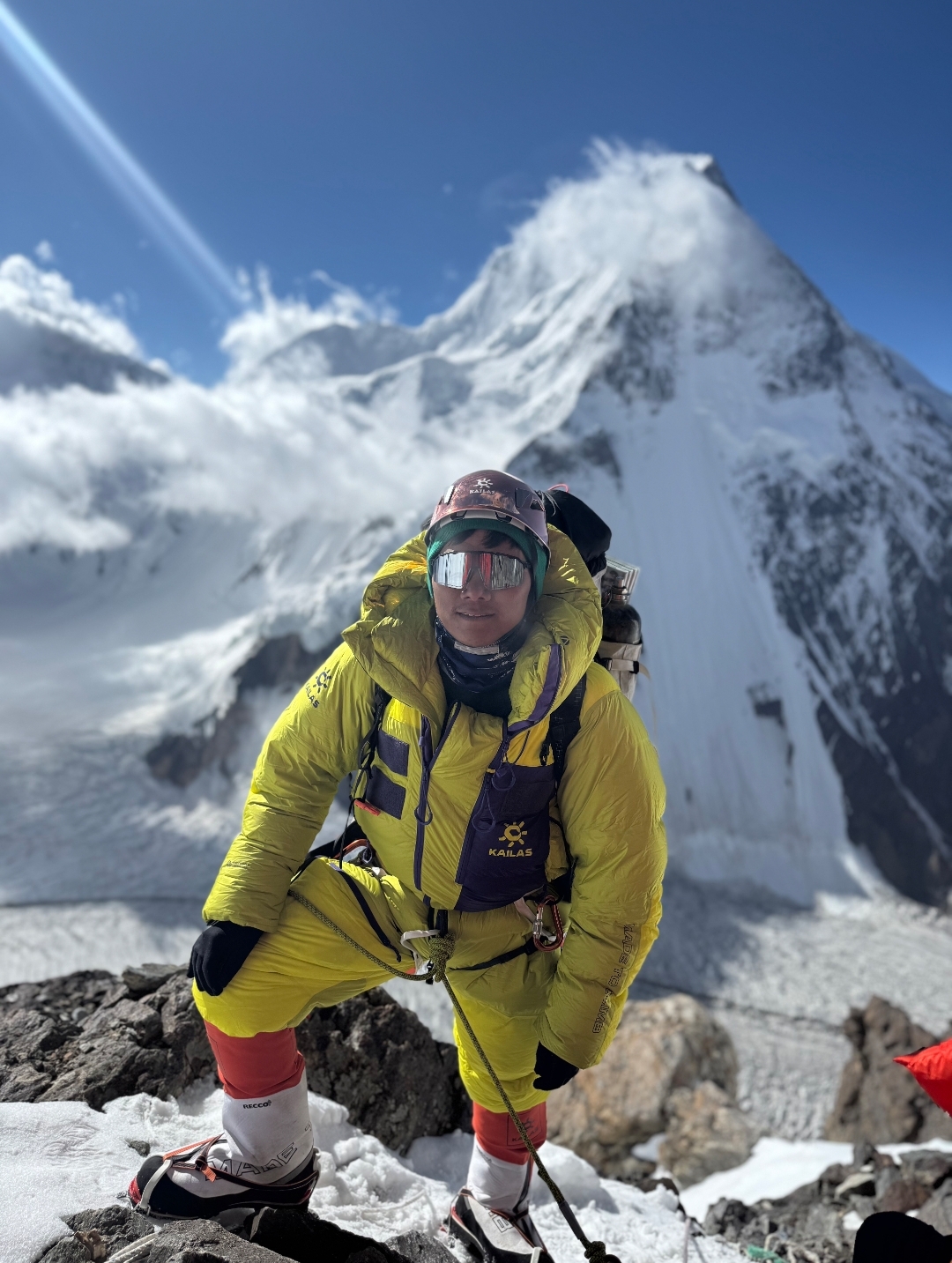
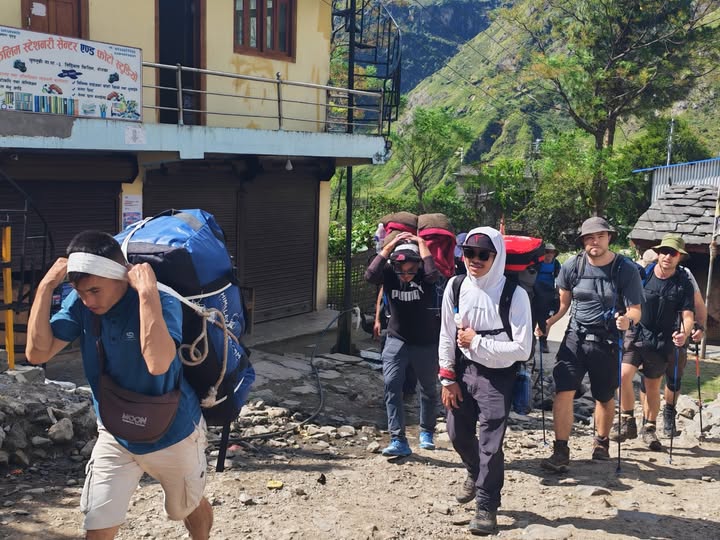
Trekkers must use registered trekking guides and follow all required procedures and permits, while mountaineering expeditions must be carried out with due permits and procedural compliance.
Respecting local culture
Tourists are asked to respect local culture, traditions, and people; use respectful language; dress modestly and avoid revealing clothing; and remove shoes before entering temples or sacred sites. Alcoholic beverages should be consumed in moderation, and the advisory notes that marijuana is illegal in Nepal.
Warm clothing and security
Many pilgrimage sites — including Muktinath, Damodarkunda, Gosaikunda, Pathivara, and Badimalika — lie at higher altitudes with colder climates, and travellers are advised to carry warm clothing even in summer, and very warm clothing in winter.
In case of any security concerns, tourists are advised to contact local security officials, tour operators, guides, or the Tourist Police. The Tourist Police Hotline is 1144, and the NTB Pokhara Office can be reached at 061-455292.


 °C
°C 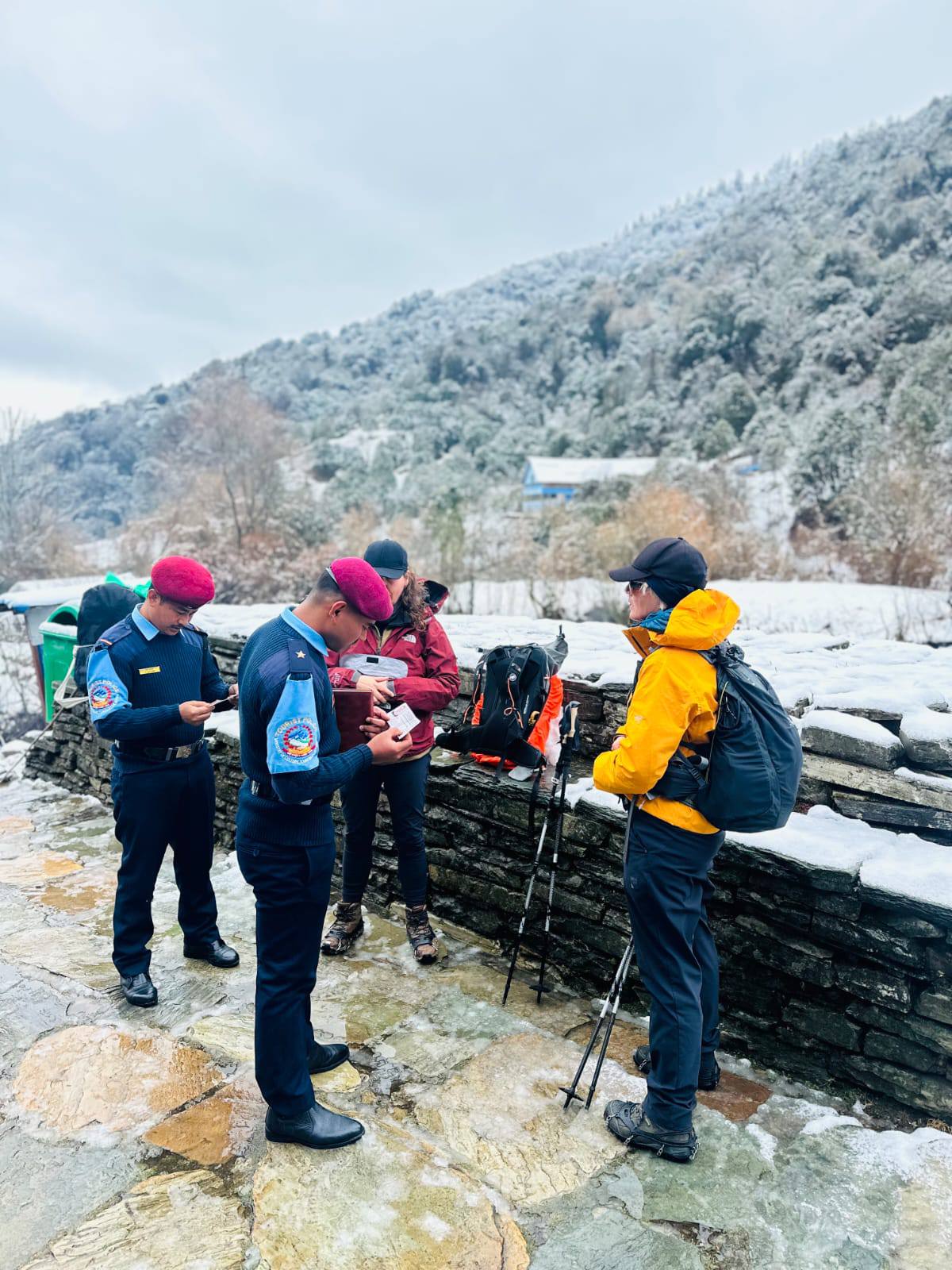
Comment