The Tourism Times | Breaking tourism-related news from Nepal and beyond
°C
Travel & Leisure
Nepal eases rules for trekking in restricted areas; Solo trekkers now eligible for permits
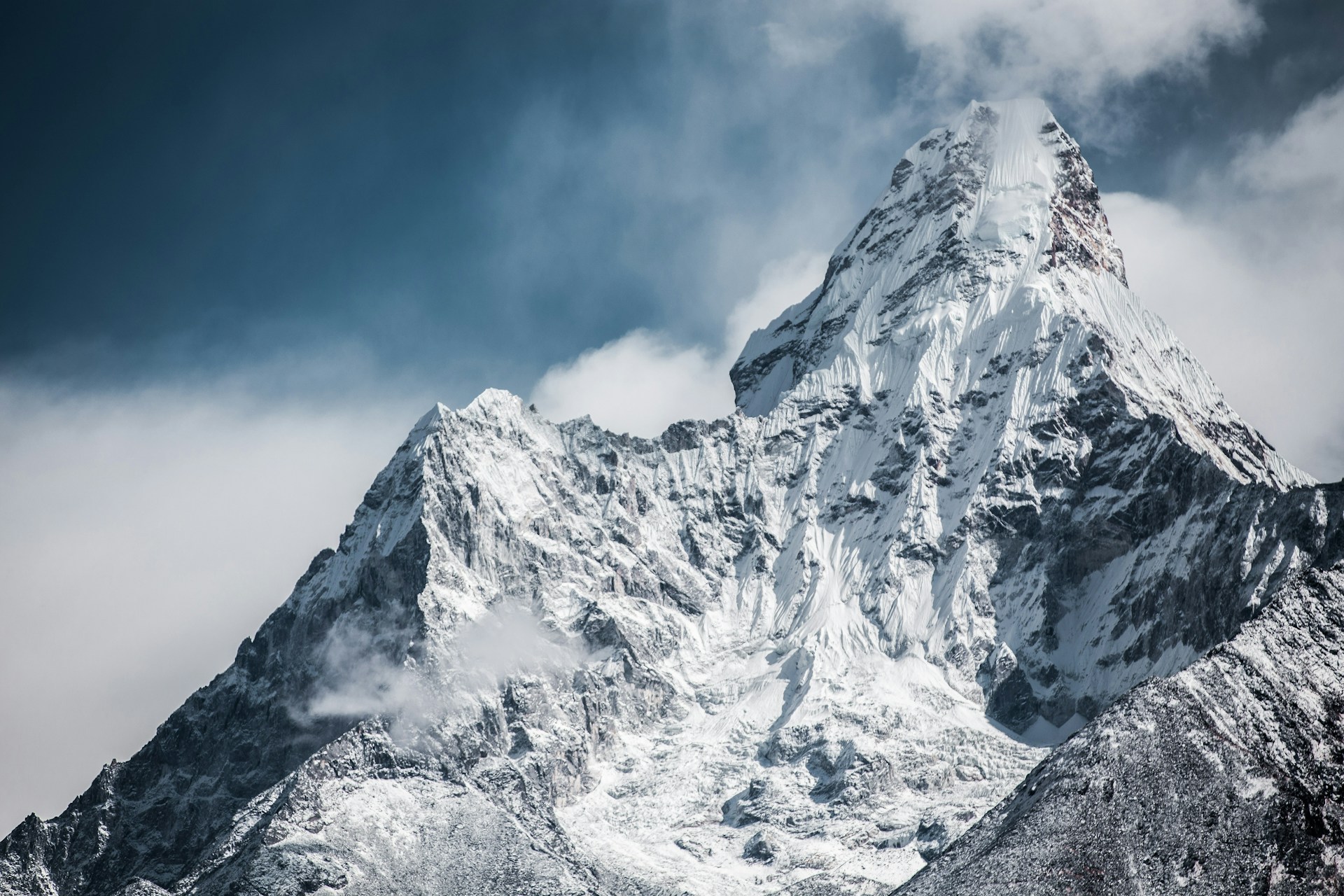
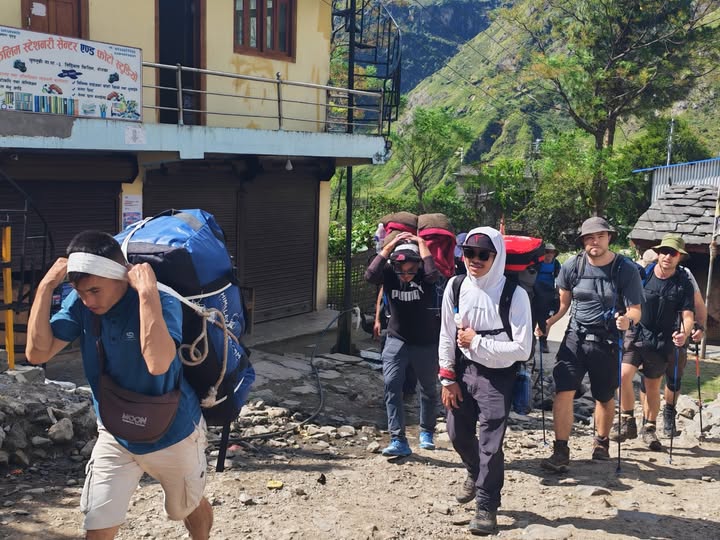
Photo Courtesy: imagine Nepal
By
Tourism Times
Published at : 23 Mar 2026, 12:13 PM
KATHMANDU: In a significant policy shift that is expected to boost adventure tourism, the Department of Immigration has announced that solo foreign trekkers will now be eligible to obtain trekking permits for Nepal's restricted areas, ending a long-standing requirement that had forced individual trekkers to find a partner before venturing into some of the country's most remote and scenic regions.
The decision, made on March 22, came after sustained lobbying by the Trekking Agencies' Association of Nepal (TAAN) and other tourism sector bodies, who had flagged the two-person minimum rule as a barrier to tourism growth and a source of irregular practices in the industry.
What changes
Under the previous system, at least two trekkers were required in a group to obtain a restricted area permit from the Department of Immigration through a licensed trekking agency. The new rules allow a single trekker to obtain a permit, subject to the following conditions:
Applications must be submitted through a registered trekking agency.
A licensed trekking guide must be assigned to accompany the trekker.
Full responsibility for rescue and emergency operations rests with the agency.
All other arrangements remain governed by existing law.
To address safety concerns in larger groups, the department has also capped group size at seven trekkers per guide, ensuring adequate supervision during treks in restricted zones.
Pre-arrival permits also enabled
In a further convenience measure, the department has revised its online system to allow foreign trekkers to apply for restricted area permits before arriving in Nepal, using their visa application submission ID rather than waiting until after receiving a visa. Previously, trekkers had to enter Nepal and obtain a visa first before they could apply for a restricted area permit — a process that drew complaints about unnecessary waiting times.
The department has also established a dedicated technical helpline at +977 9761423636 to assist trekkers and agencies navigating the online permit system.
TAAN's role
TAAN, in a formal letter to the Department's Director General signed by President Sagar Pandey, had urged these reforms on grounds of both tourism competitiveness and economic impact. The association noted that the two-person minimum rule had deprived thousands of individual tourists from accessing restricted areas annually, costing the country millions of dollars in revenue and denying local communities employment opportunities.
TAAN had also highlighted a problematic workaround that had emerged in practice, agencies pairing individual foreign trekkers together on paper to meet the two-person minimum, a form of permit malpractice the new rules are expected to reduce.
The association had additionally requested a guide-to-trekker ratio of one guide per five trekkers; the department's decision sets the limit slightly higher at one guide per seven trekkers.
Restricted areas covered
The restricted area permit system applies to designated zones across 13 districts, including Upper Mustang, Upper Dolpa, the Gorkha-Manaslu region, Humla, Taplejung, Rasuwa, Manang, Sankhuwasabha, Solukhumbu, Dolakha, Bajhang, Mugu, and Darchula, regions that include some of Nepal's most pristine and culturally significant Himalayan landscapes.
The Department of Immigration expressed confidence that the reforms will promote Nepal's tourism sector, support local employment, enhance trekker safety, and make the overall trekking experience more accessible and streamlined for international visitors.


 °C
°C 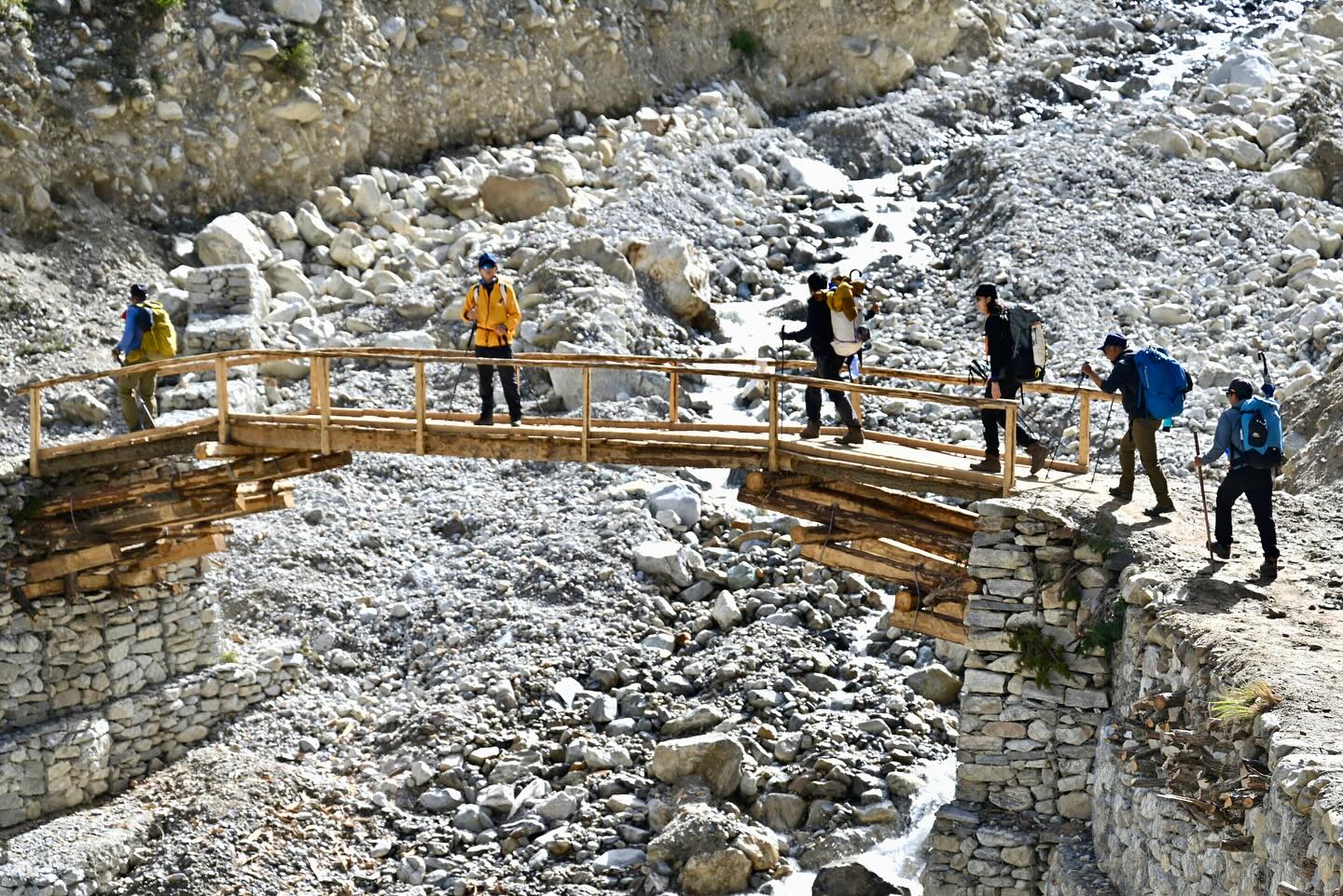
Comment