The Tourism Times | Breaking tourism-related news from Nepal and beyond
°C
Travel & Leisure
Nepal welcomes 1.15 million visitors in 2025 despite September setback
Photo Courtesy: Ichiro
By
Tourism Times
Published at : 2 Jan 2026, 1:11 PM
Country edges closer to pre-pandemic recovery with 96.8% achievement; mountaineering boom generates over Rs 1 billion in expedition royalties
KATHMANDU: Nepal's tourism sector demonstrated resilience in 2025, welcoming 1,158,459 international visitors despite significant challenges that continue to hold back the industry from reaching its full potential.
According to the Tourism Insight report released by the Nepal Tourism Board this month, the annual arrival figure represents a modest 0.95% increase over 2024's 1,147,548 visitors and brings the country to 96.8% of its pre-pandemic 2019 peak of 1,197,191 arrivals—falling just 38,732 visitors short of full recovery.
December caps year with positive momentum
The year concluded on an encouraging note, with December recording 98,190 international arrivals—a 6.7% year-on-year increase that signals renewed confidence among travelers following the turbulent September period. The month achieved 97.3% recovery compared to December 2019, according to the Department of Immigration statistics.
India maintained its position as the leading source market in December with 30,093 arrivals, followed by China (8,680), the United States (7,077), Bangladesh (6,605), and Australia (4,980). Thailand, the United Kingdom, Myanmar, Japan, and Malaysia completed the top ten markets for the month.
September protest costs the sector dearly
While the overall annual growth appears modest, the numbers mask significant disruption caused by the "Gen-Z" protests in September, which resulted in 77 deaths and inflicted over NPR 84 billion in damage to government and private property across the country.
September proved to be the year's lowest point, with arrivals dropping to just 78,711—an 18.3% decline that rippled through the entire tourism value chain. Major hospitality properties bore the brunt of the unrest, with the newly inaugurated Hilton and the established Hyatt Regency suffering severe structural damage.
The protests came at a particularly inopportune time, falling between the lucrative spring mountaineering season and the autumn trekking peak, effectively creating a valley in what should have been a year of steady growth.
Peak seasons deliver strong performance
Despite the September setback, Nepal's traditional high seasons performed admirably. October emerged as the year's busiest month with 128,443 arrivals, capitalizing on ideal weather conditions for trekking and mountaineering. The spring months also delivered robust numbers, with March recording 121,687 visitors and April bringing in 116,490.
The seasonal pattern underscores Nepal's continued dependence on adventure tourism and highlights the importance of maintaining political stability during peak travel periods to maximize economic benefits.
Shift in the source market
The composition of Nepal's visitor base underwent notable changes in 2025, with traditional strongholds showing weakness while newer markets demonstrated growth.
India, despite retaining its position as the largest source market with 292,438 arrivals (25.2% share), recorded an 8% year-on-year decline—a concerning trend given India's historical dominance and proximity advantage. The decline suggests either market saturation or shifting preferences among Indian travelers.
The United States consolidated its position as the second-largest market with 112,316 arrivals, representing 9.7% of total visitors and showing positive growth. This marks a significant shift in Nepal's tourism landscape, with American visitors now playing a more substantial role in the country's tourism economy.
China, historically a crucial market, contributed 95,480 visitors (8.2% share) but experienced a 6.3% decline—reflecting ongoing challenges in fully restoring Chinese outbound tourism to pre-pandemic levels.
Bright spots emerged from the United Kingdom, which sent 58,684 visitors (5.1% share) with growth recorded, and Bangladesh, which contributed 57,545 arrivals (4.9% share) while also showing upward momentum. These growing markets partially offset declines in the India and China segments.
Mountaineering sector shows exceptional strength
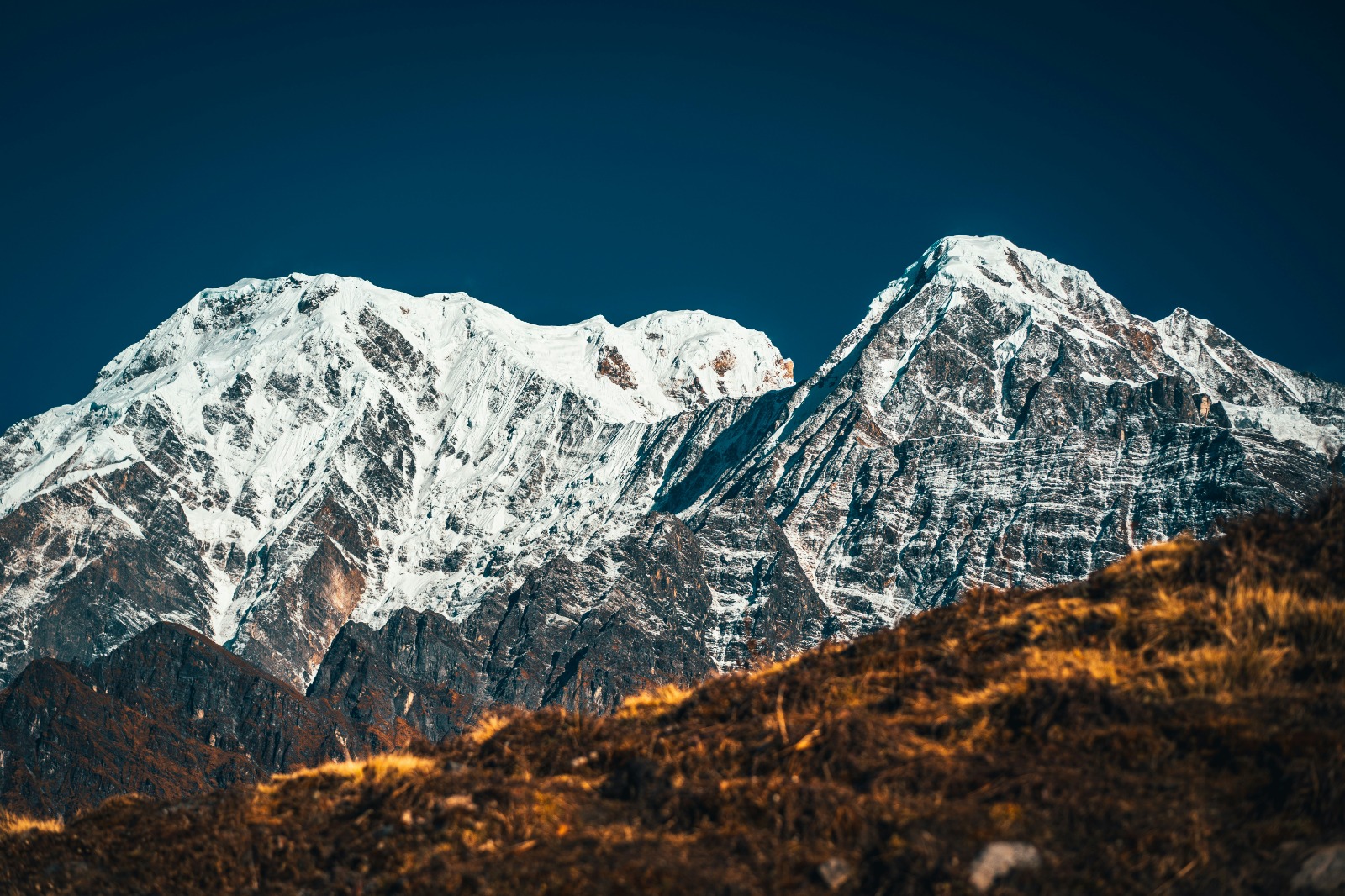
While overall tourism figures remained modest, Nepal's mountaineering industry demonstrated remarkable vitality across both major climbing seasons, generating combined royalties exceeding NPR 1 billion and showcasing the country's enduring appeal as the world's premier high-altitude destination.
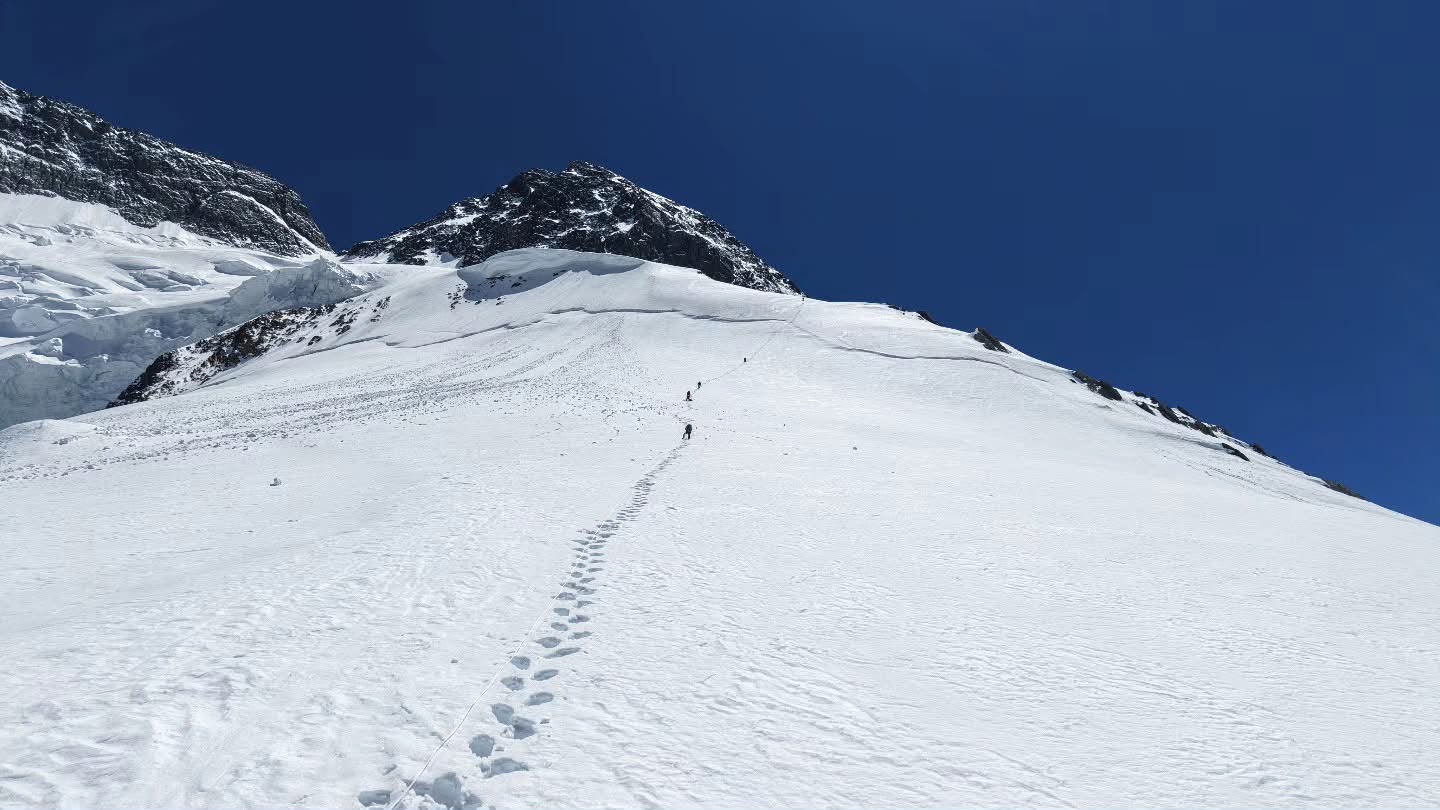
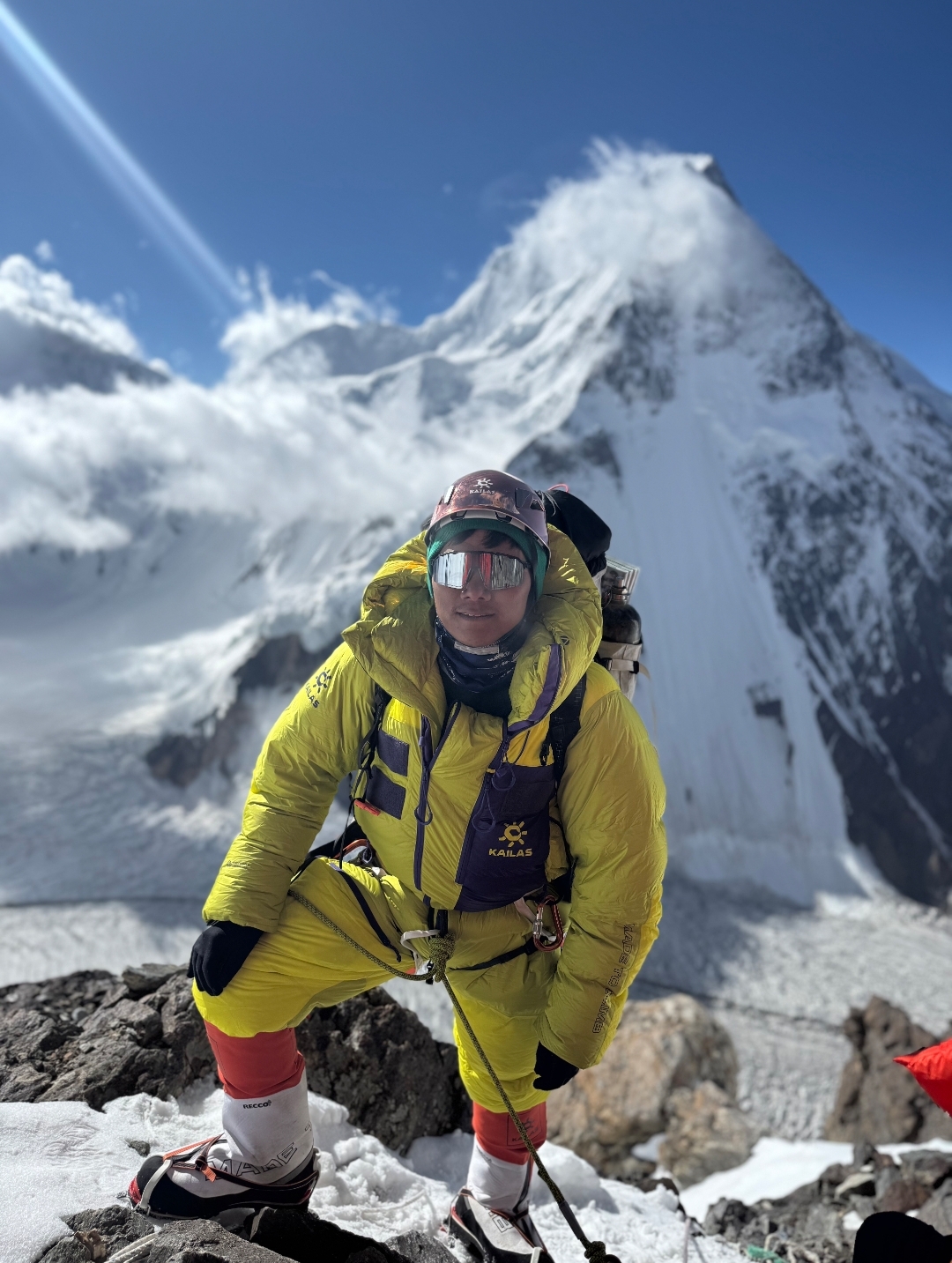
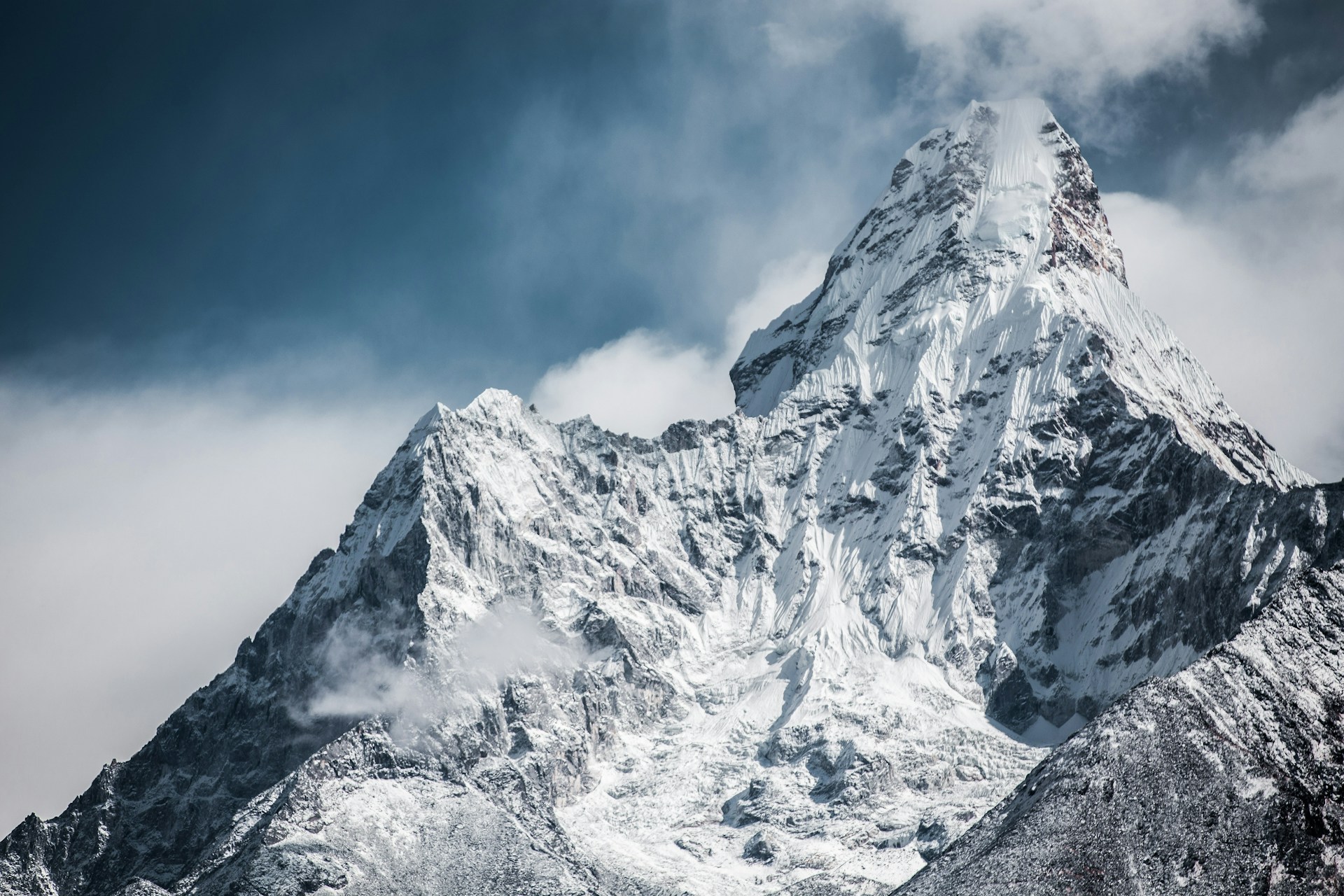
The spring season attracted 1,168 mountaineers organized into 127 expedition teams from 73 countries, collecting NPR 794 million in royalties. Mount Everest maintained its magnetic pull with 436 climbers attempting the world's highest summit, followed by Lhotse (125), Ama Dablam (106), Makalu (79), and Kanchenjunga (78).
Indian mountaineers led the spring season with 167 participants, followed closely by Americans (160) and Chinese (115). The United Kingdom contributed 73 climbers, while Russia sent 72, according to Department of Tourism data based on royalty collection.
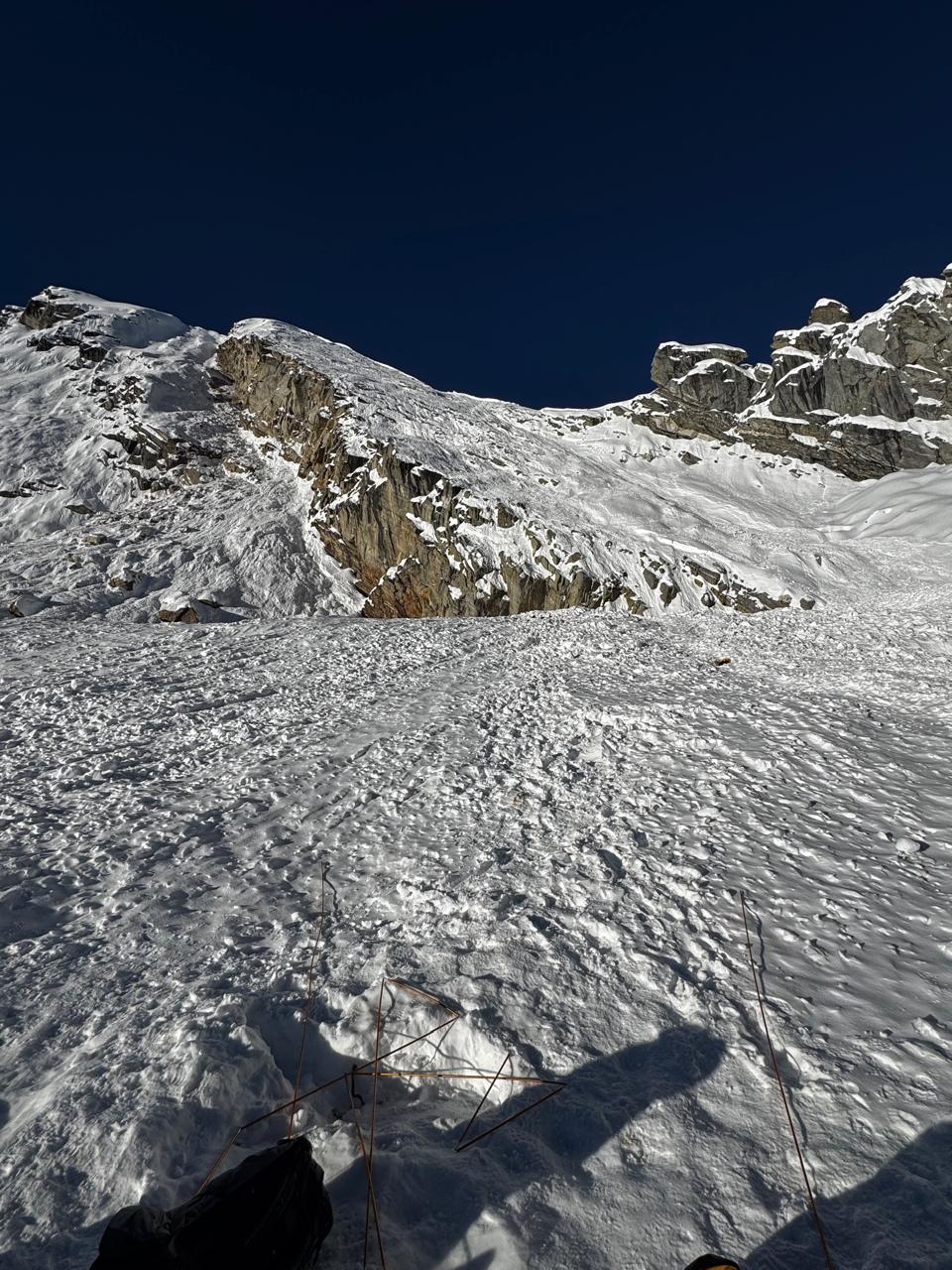
The autumn season proved even more popular from a participation standpoint, drawing 1,450 mountaineers in 175 teams from 83 nationalities and generating NPR 255.16 million in royalties. Ama Dablam emerged as the autumn favorite with 436 climbers—surpassing even Everest's spring numbers—while Manaslu attracted 374 mountaineers and Himlung Himal drew 186.
The autumn season saw more diverse European participation, with Germany and France each sending 118 and 117 mountaineers respectively. China and the UK matched with 106 climbers each, while Russia (104) and the USA (102) maintained strong presence.
Other notable autumn destinations included Baruntse (47), Chulu Far East (43), Dhaulagiri (36), Saribung (34), and Thapa Peak (27). The data, compiled from expedition royalty payments, reflects growing interest in lesser-known peaks beyond the iconic eight-thousanders.
Mustang emerges as breakout destination
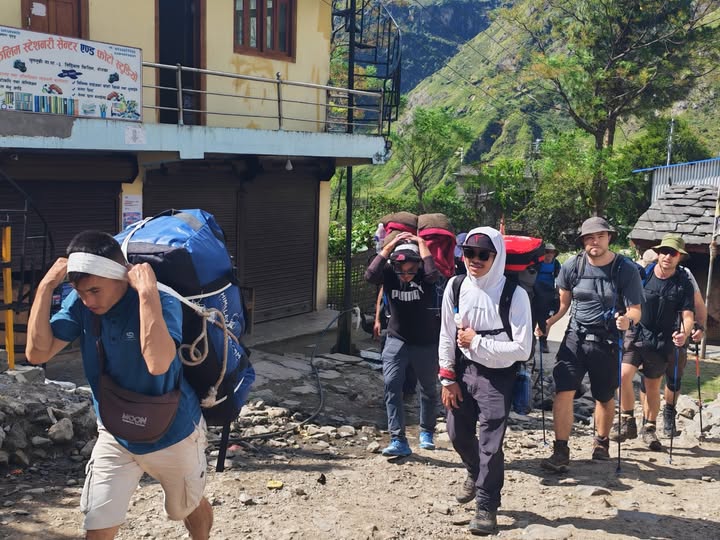
While much attention focuses on Kathmandu and the Everest region, the trans-Himalayan region of Mustang emerged as a breakout performer in 2025, recording 161,122 foreign tourists—an impressive 18.71% increase over 2024.
Indian tourists dominated Mustang's visitor profile, comprising over 90% of SAARC arrivals to the region. The surge reflects growing middle-class Indian interest in accessible high-altitude experiences and culturally rich destinations, as well as improved road connectivity from the border.
Foreign exchange earnings show mixed picture
The economic impact of tourism presented a mixed picture in 2025. Foreign exchange earnings in Kartik (mid-October to mid-November) reached NPR 7,957.61 million but represented a 12.94% decrease compared to the same period in the previous fiscal year, according to Nepal Rastra Bank figures.
However, when viewed cumulatively, the first four months of fiscal year 2082/83 (mid-July to mid-November 2025) generated NPR 27,152.55 million in foreign exchange—a marginal 0.94% increase over the corresponding period of the previous year.
The relatively flat foreign exchange growth despite increasing arrivals suggests either shorter average stays, lower per-visitor spending, or shifts toward budget-conscious travel segments.
Looking ahead to 2026
As Nepal enters 2026, the tourism sector carries forward both the momentum of December's recovery and the lessons of September's disruptions. The robust mountaineering seasons and the breakout performance of destinations like Mustang demonstrate the sector's underlying strength and diversity.


 °C
°C 

Comment