

 °C
°C Tourism on the rise in Nepal’s only hunting reserve, Dhorpatan
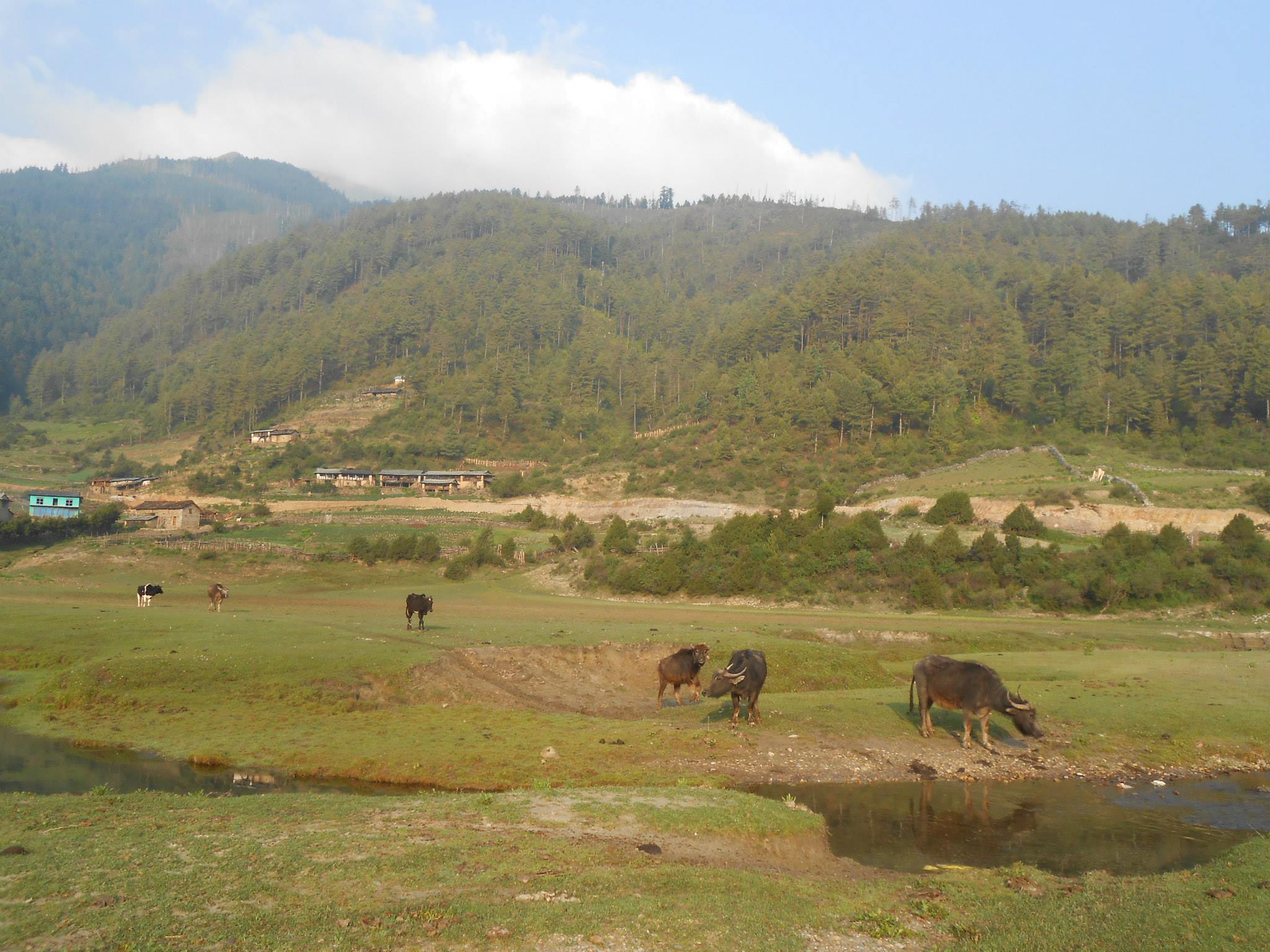
Over 23,000 visitors explored the remote Himalayan reserve last year, drawn by trekking trails, unique wildlife, and improved infrastructure
KATHMANDU: Tucked into the Dhaulagiri Himal range of western Nepal, Dhorpatan Hunting Reserve, the country’s only designated hunting reserve, is gaining momentum as a unique destination for trekkers, wildlife enthusiasts, and adventure travelers alike.
According to the Dhorpatan Hunting Reserve Office in Baglung, the region recorded over 23,000 visitors in the fiscal year 2024/25 (2081/82 BS), a notable increase from just over 15,000 the year before. The vast majority were domestic tourists, but the reserve also increasingly atttracting international travelers, a sign of growing global interest in this off-the-beaten-path region.
Tourism officials credit the surge to expanded promotion, enhanced local infrastructure, and a renewed focus on trekking tourism. Dhorpatan is gradually moving beyond its reputation as just a hunting destination, visitors are increasingly coming to explore its natural beauty, alpine meadows, cultural landmarks, and biodiversity.
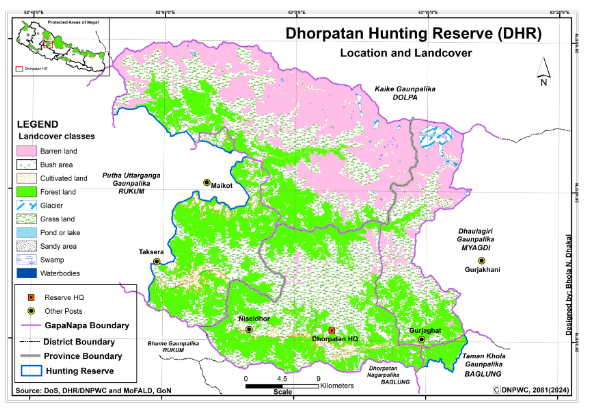
Photo Courtesy: Dhorpatan Hunting Reserve
A reserve beyond hunting
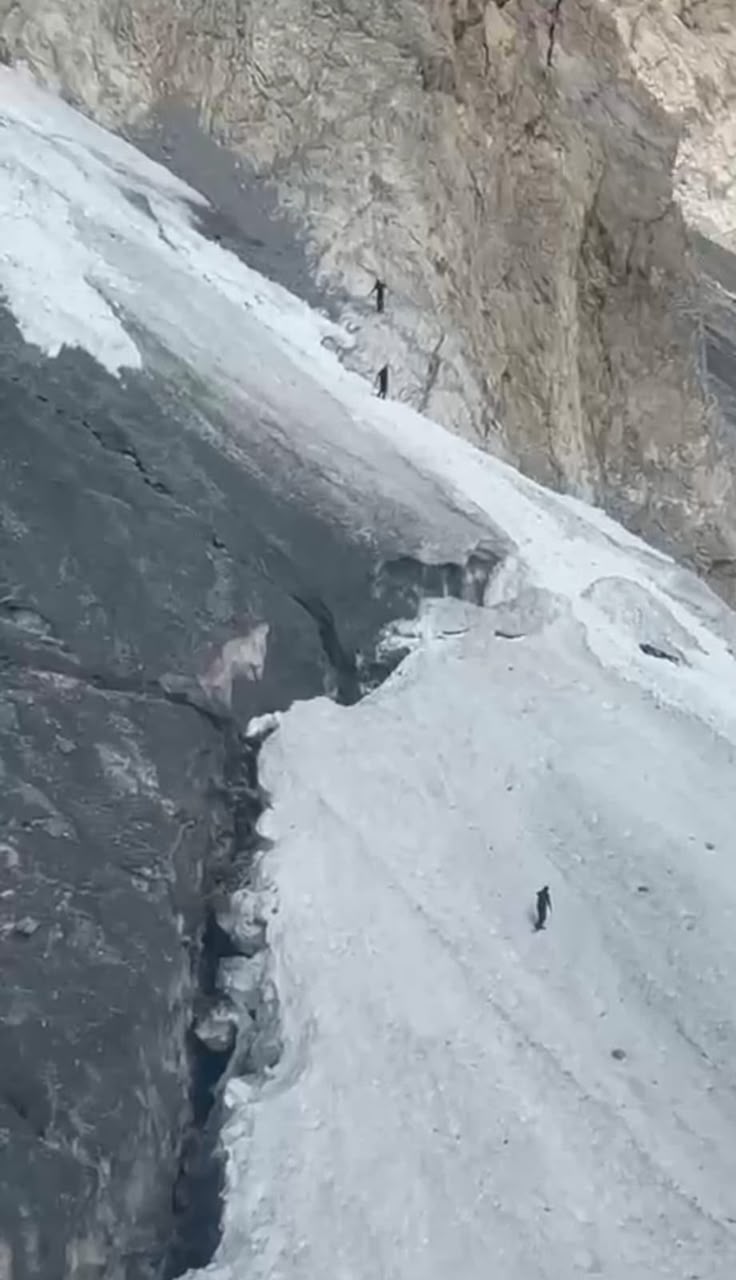
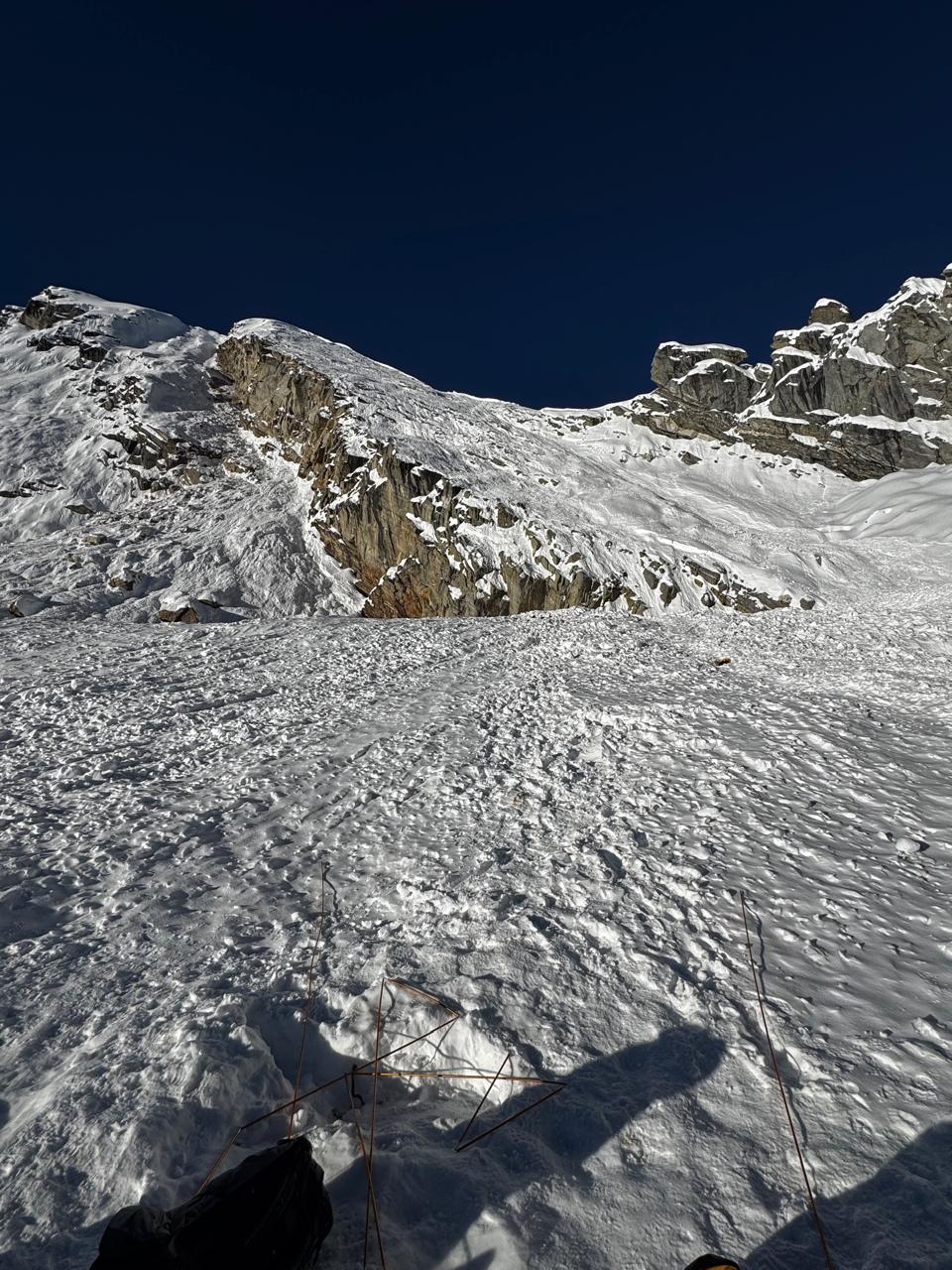
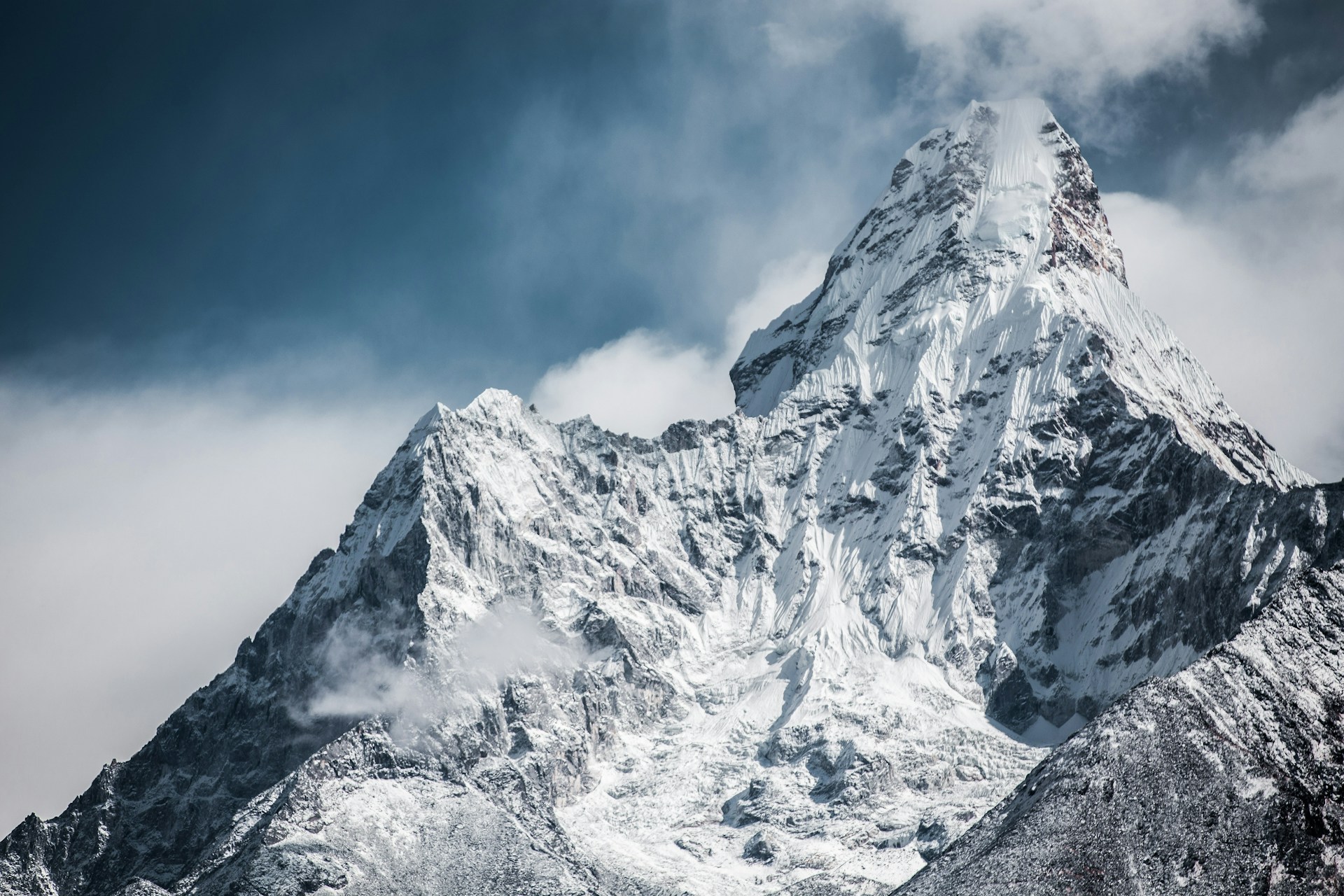
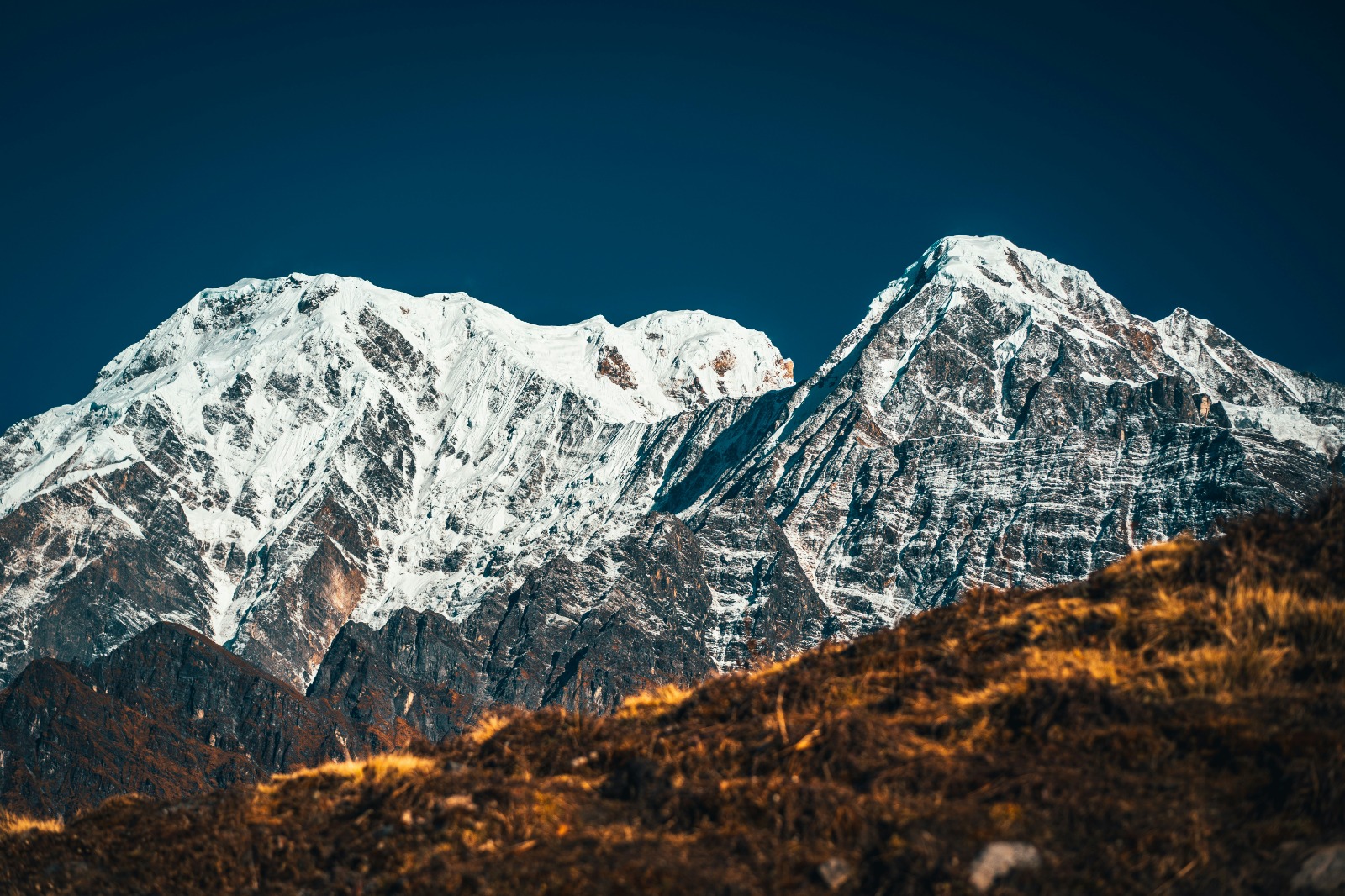
Established in 1983 and officially gazetted in 1987, Dhorpatan spans an area of 1,325 sq. km across the districts of Rukum, Myagdi, and Baglung. Nestled at altitudes ranging from 3,000 to over 7,000 meters, the reserve offers snow-capped Himalayan views year-round and features flat meadows above the tree line, known locally as patans — prime grazing grounds for blue sheep and other herbivores.
Divided into six blocks for wildlife management, the reserve allows regulated hunting of blue sheep and other game through licenses issued by Nepal’s Department of National Parks and Wildlife Conservation (DNPWC). A 2007 survey recorded 852 blue sheep in the reserve, a prized species for trophy hunters.
While international tourists often visit for licensed hunting, domestic travelers are drawn to sites like Dhorpatan Valley, Niseldhor, Dhorbarah Temple, Bukipatan, and Jaljala. These culturally rich and ecologically diverse areas are becoming highlights on trekking itineraries.
Wildlife and ecology
The reserve is home to an array of rare and endangered species. Besides blue sheep, wildlife includes leopards, Himalayan tahr, goral, musk deer, serow, red pandas, and Himalayan black bears. It hosts 137 species of birds, with a healthy population of pheasants and partridges, which supports a system of controlled bird hunting.
Dhorpatan’s vegetation is equally rich, characterized by alpine, sub-alpine, and temperate forests, including fir, pine, birch, oak, rhododendron, spruce, and juniper. Over 50% of the reserve at higher elevations is covered in pasturelands.
The surrounding communities, primarily of Magar, Thakali, and Gurung heritage, rely on the reserve for fuelwood, fodder, and grazing. More than 80,000 livestock are herded into the area annually between February and October.
Boost to local economy and access
Tourism is not only helping to promote conservation but is also economically uplifting local communities. Over NPR 2 million (USD ~15,000) was collected last year from entrance fees alone, with domestic visitors charged NPR 100 per entry.
In response to rising demand, approximately two dozen homestays and lodges have sprung up in Dhorpatan Valley. Local entrepreneurs say tour packages and improved transport access have made visits easier and more comfortable for all kinds of travelers.
Climate and best time to visit
Dhorpatan experiences a monsoon season lasting until early October. Winters can be bitterly cold due to strong winds, with snow falling even at lower elevations into April. The best time to visit is from March to April, when weather conditions are favorable and the landscape is at its most vibrant.
Cultural and scenic attractions
Among the spiritual highlights is Dhorbaraha Temple, a Hindu pilgrimage site along the Uttarganga River, which hosts a major festival each August on Janai Purnima. The Barse, Dogari, and Gustang blocks offer panoramic views of the Dhaulagiri Himal, while the Seng and Sundaha blocks are prized for wildlife observation.
Getting there
Access to Dhorpatan is improving but still offers an adventurous journey.
By Road: Public buses connect Kathmandu to Burtibang via Baglung Bazaar, with alternative routes through Tansen-Tamghas (Gulmi).
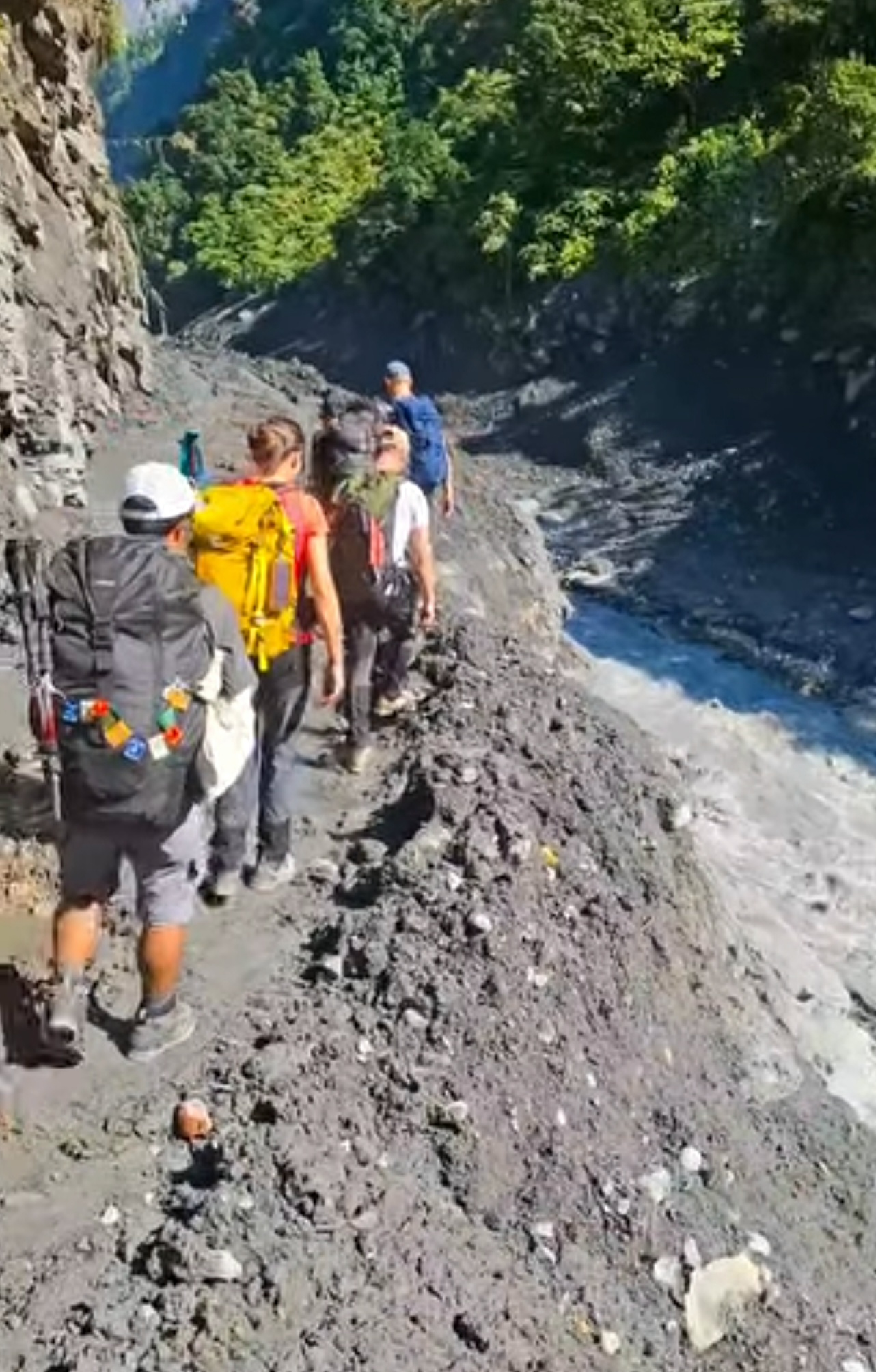
By Trek: From Beni in Myagdi, visitors can reach Dhorpatan in a three-day trek.
By Air: Chartered helicopter services are available from Kathmandu or Pokhara, depending on weather and availability.
With its rare combination of wildlife conservation, high-altitude ecosystems, traditional Himalayan culture, and growing accessibility, Dhorpatan Hunting Reserve is fast emerging as one of Nepal’s most intriguing destinations for those seeking a remote yet rewarding travel experience.
Comment