The Tourism Times | Breaking tourism-related news from Nepal and beyond
°C
Aviation
Japan provides Rs 2.77 billion grant to upgrade TIA air traffic control facilities
By
Tourism Times
Published at : 9 Oct 2026, 11:43 AM
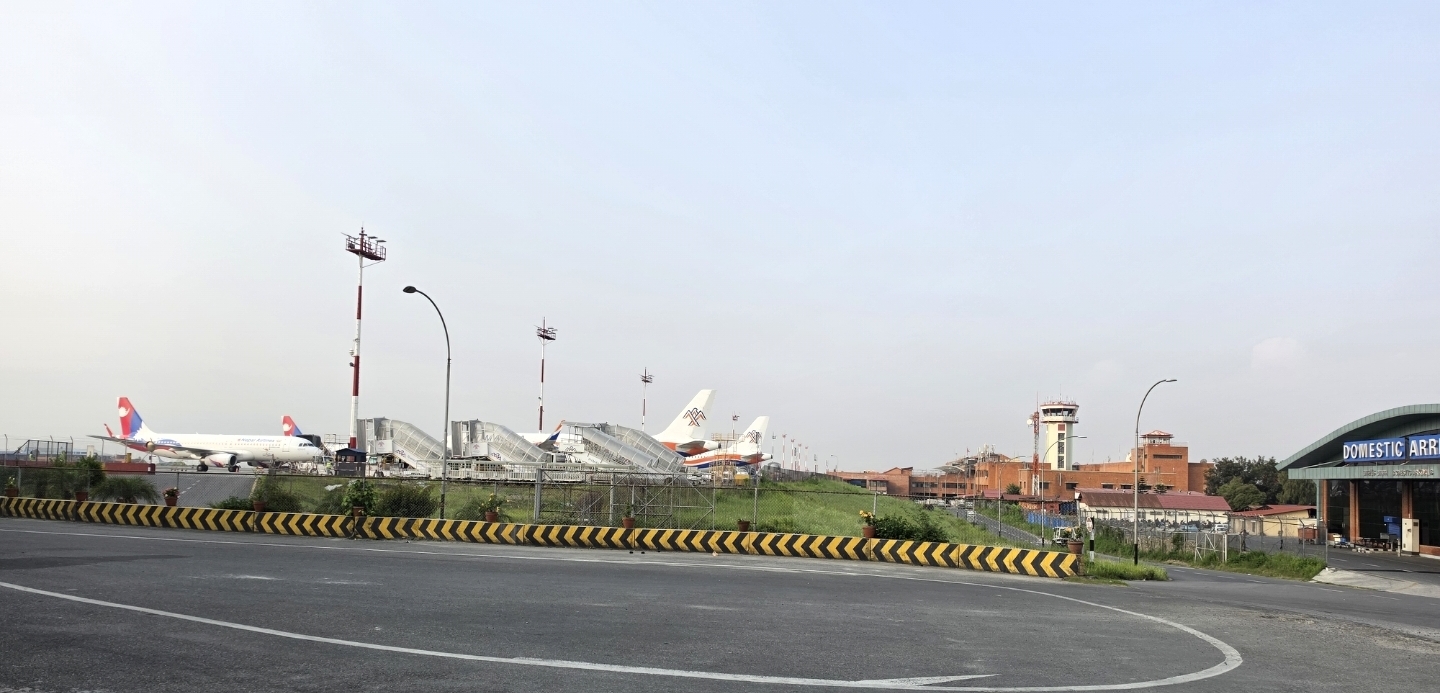
KATHMANDU: Japan has agreed to provide a grant of 2.853 billion yen, equivalent to approximately Rs 2.767 billion, to Nepal for a project to improve air traffic control facilities at Tribhuvan International Airport (TIA), including rehabilitation of its ageing control tower and modernisation of critical aviation systems.
The grant agreement was formalised through an exchange of notes signed by Japanese Ambassador to Nepal Maeda Toru and Finance Secretary Ghanshyam Upadhyaya in Kathmandu on Thursday, according to the Embassy of Japan in Nepal.
The project aims to improve the safety, efficiency and reliability of air traffic management at Nepal’s principal international airport, which serves as the country’s main gateway for international travellers. TIA operates in a challenging environment characterised by surrounding mountainous terrain and rapidly changing weather conditions, making reliable air traffic control infrastructure essential for safe flight operations.
Under the project, the existing control tower will be rehabilitated, while critical building systems, including power supply and uninterruptible power supply (UPS), heating, ventilation and air conditioning (HVAC), fire protection and security systems, will be renewed.
The grant will also support the modernisation of communications, navigation and surveillance systems, as well as air traffic management infrastructure, to bring them in line with International Civil Aviation Organization (ICAO) standards. Training will be provided to strengthen the technical and operational capacity required for the long-term operation and maintenance of the upgraded facilities.
The Embassy of Japan said the improvements were expected to strengthen aviation safety, improve the efficiency of air traffic management and ensure greater continuity of airport operations during disruptions and emergencies. The project will also incorporate measures to improve the control tower and related infrastructure’s resilience to earthquakes and climate-related risks.
The need for reliable airport operations was underscored during recent floods, when uninterrupted aviation services were important for emergency response. For a mountainous, landlocked country such as Nepal, TIA plays a key role in maintaining international connectivity and supporting the movement of people and goods during both normal operations and emergencies.
The modernisation is expected to benefit Nepal’s tourism industry, trade and wider connectivity by improving the reliability of operations at its principal international airport. As international air traffic grows, the upgraded facilities are intended to provide a more resilient foundation for managing aircraft movements and maintaining essential services.
The project builds on Japan’s longstanding cooperation with Nepal in aviation safety and human resource development. The embassy said the assistance reflected the two countries’ shared commitment to improving aviation safety and supporting Nepal’s sustainable economic development.
The agreement comes as Nepal and Japan mark 70 years of diplomatic relations in 2026. The Japanese government views the project as part of its continued cooperation with Nepal, particularly in infrastructure development and the strengthening of essential services.


 °C
°C 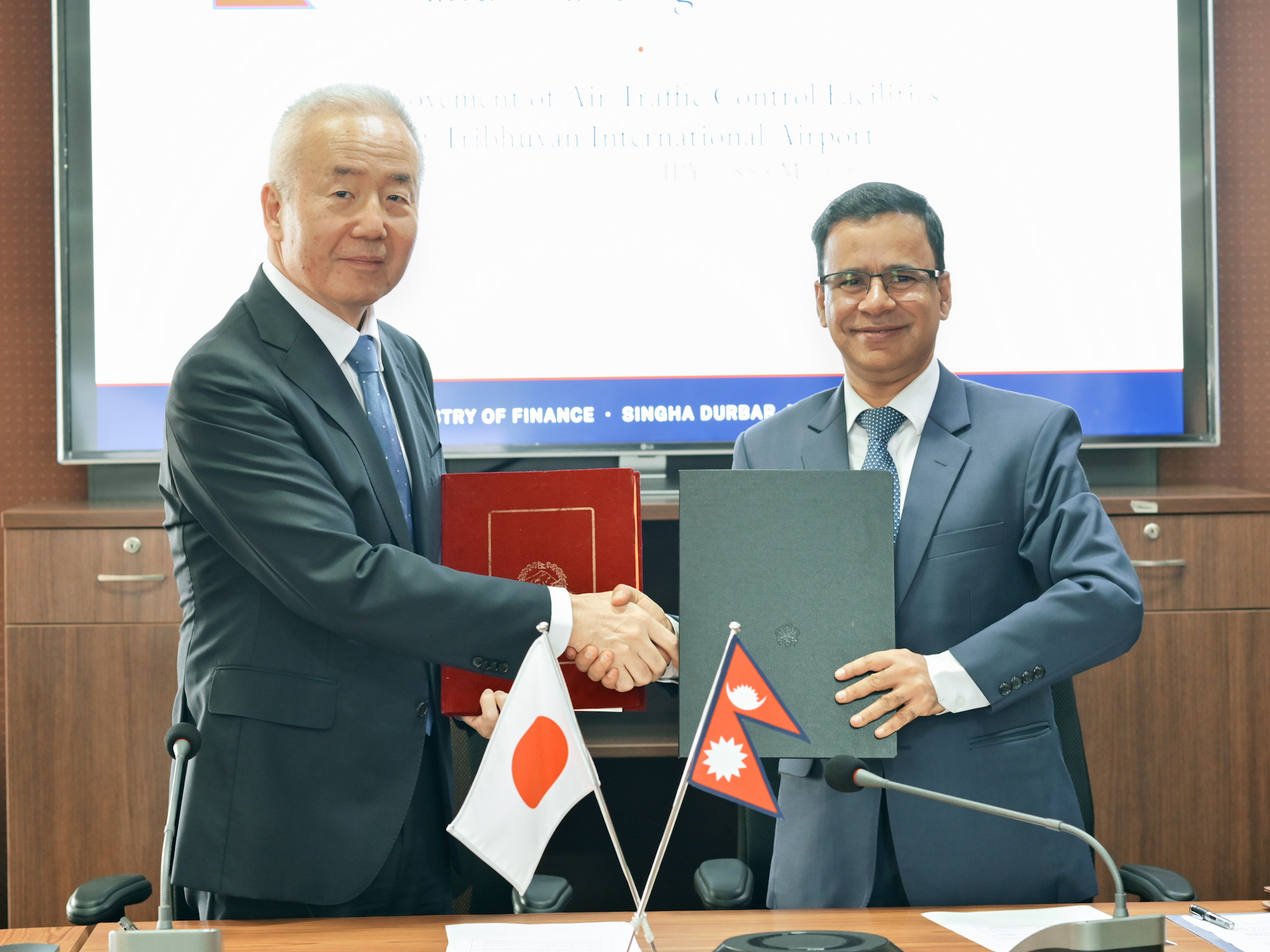





Comment