The Tourism Times | Breaking tourism-related news from Nepal and beyond
°C
Aviation
Cyclone Arnab prompts aviation safety measures across Nepal
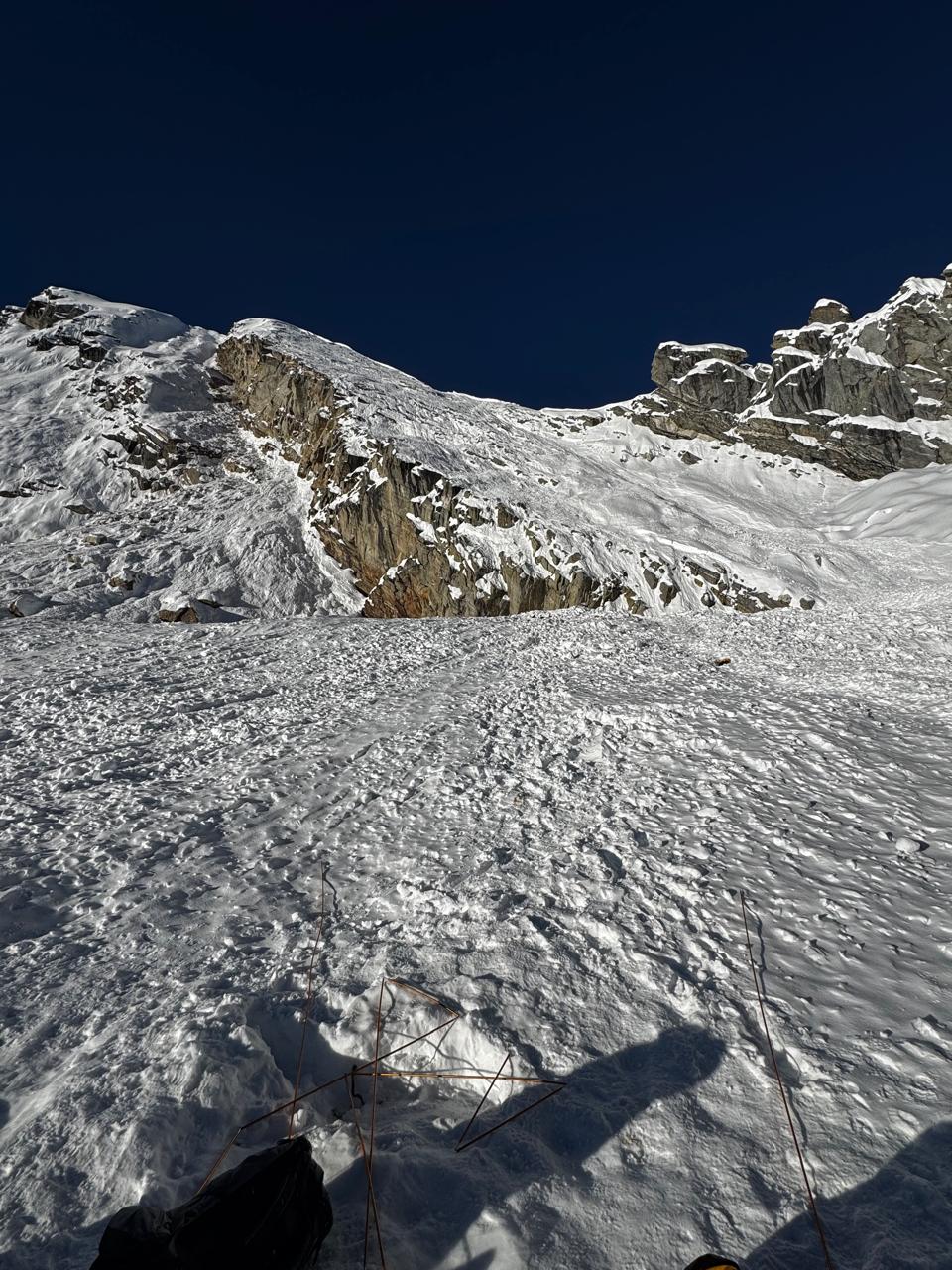
Photo: Vita Leonis on Unsplash
By
Tourism Times
Published at : 29 Oct 2026, 11:26 AM
KATHMANDU: The Civil Aviation Authority of Nepal (CAAN) has issued a safety circular warning of potential disruptions to flight operations due to severe cyclonic storm Arnab, which is expected to bring heavy rain, thunderstorms, strong winds and snowfall to parts of Nepal from Thursday to Saturday.
The alert, issued on October 28 by CAAN’s Air Navigation Services Safety Standards Department, follows a special weather bulletin from the Nepal Meteorological Department. The storm, expected to make landfall near Visakhapatnam in India’s Andhra Pradesh state, could draw moisture into Nepal and affect aviation operations, particularly in Koshi, Madhesh, Bagmati, Gandaki and Lumbini provinces. Parts of Karnali and Sudurpaschim could also be affected.
CAAN has directed air traffic service providers to coordinate flight departures, holding patterns and rerouting when weather conditions deteriorate below operational limits. Controllers have also been asked to adjust aircraft spacing during heavy precipitation and alert flight crews to wind shear, turbulence and thunderstorms.
Aerodrome operators have been told to monitor runway and taxiway conditions, drainage systems, wind-related hazards and essential facilities. The circular also calls for frequent runway inspections to clear debris, monitoring of water accumulation and hydroplaning risks, and uninterrupted operation of airfield lighting, with notices to airmen (NOTAMs) to be issued if facilities become unserviceable.
Aircraft operators and flight crews have been advised to conduct thorough weather assessments before flights and prepare for possible delays, holding and diversions. They have also been asked to ensure adequate fuel planning and comply with operational procedures.
CAAN has further urged aviation stakeholders to ensure the readiness of critical communication, navigation and surveillance systems, backup power and communication facilities, and to report significant hazards or disruptions through established channels.


 °C









Comment