The Tourism Times | Breaking tourism-related news from Nepal and beyond
°C
Climbing
Australian climber’s death on Himlung Himal sparks controversy
By
Tourism Times
Published at : 29 Oct 2025, 7:40 PM
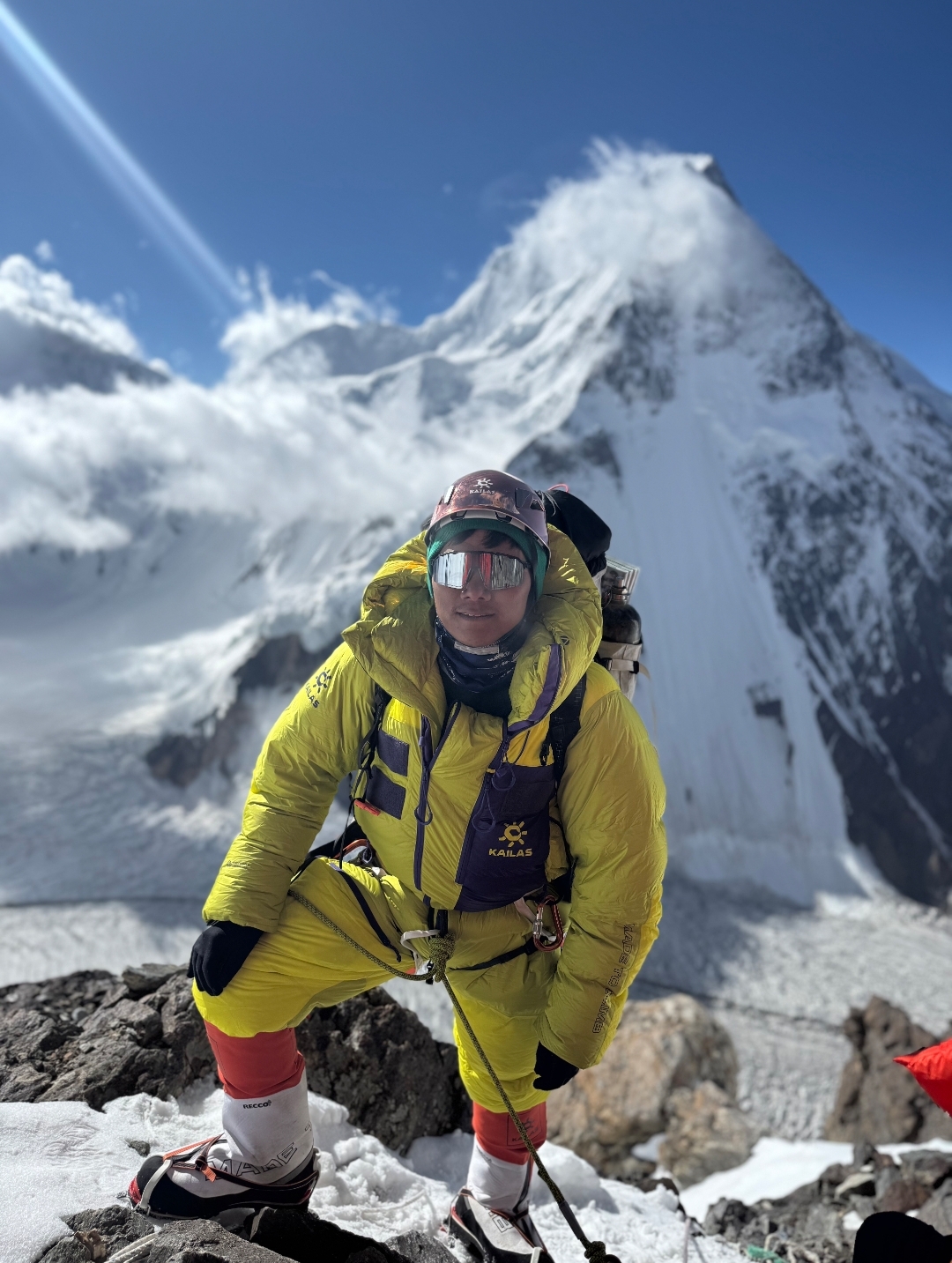
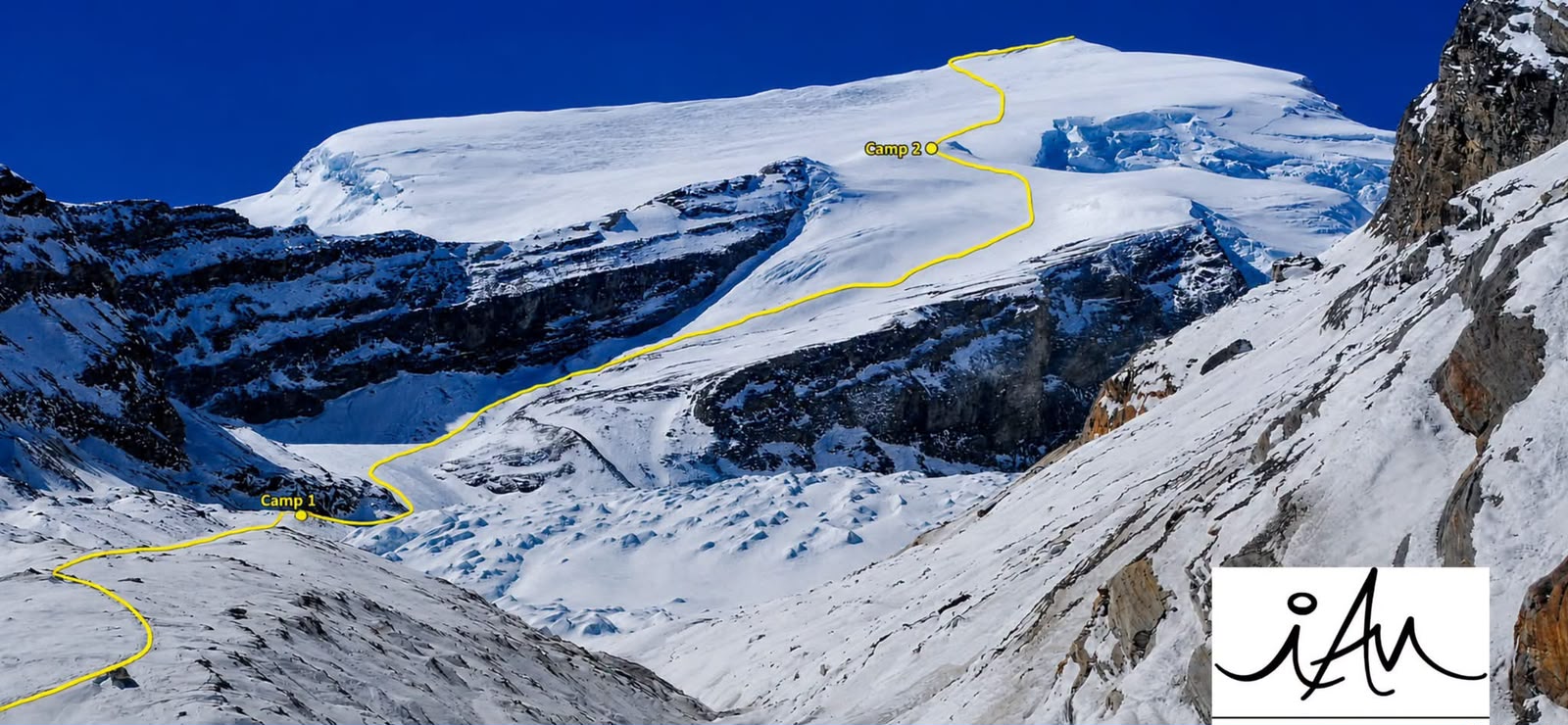
KATHMANDU: An Australian climber has died on Himlung Himal (7,126m) after Global Rescue, his emergency services provider, did not carry out an immediate evacuation from above Camp III, expedition operators have claimed. Chin Tark Chan, 49, died at approximately 6,100 meters on October 29, according to Lakpa Sherpa, Managing Director at 8K Expeditions.
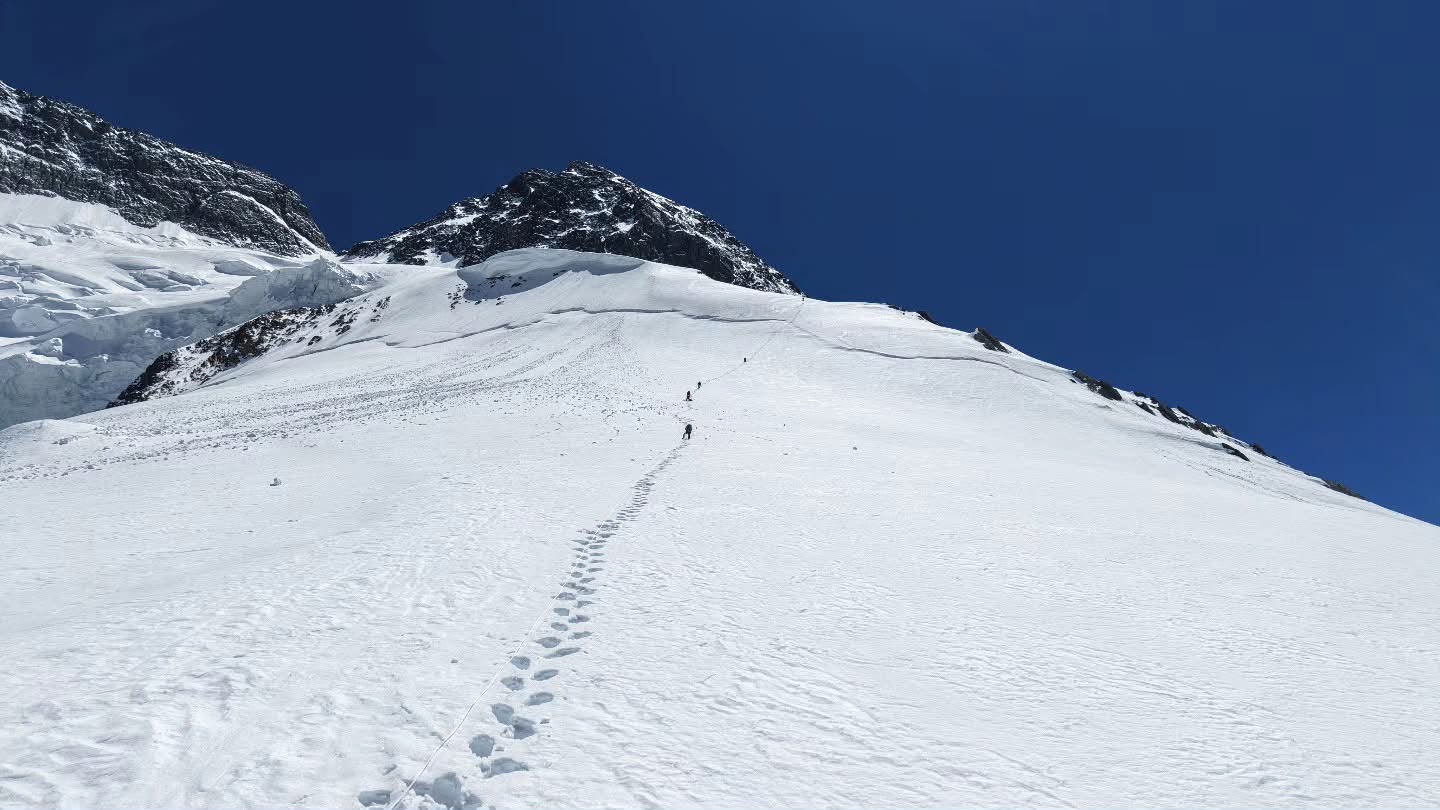
According to him, the climber fell ill just below the summit on October 27 during his summit push. "Chan fell ill at 6,800m on the morning of October 27, and the handling agency immediately informed Global Rescue to request an immediate evacuation," he said. 8K Expeditions further added that Global Rescue, Chan's insurer, responded that it could not carry out an operation until Chan was brought down to Camp III and that it needed to speak directly to him.
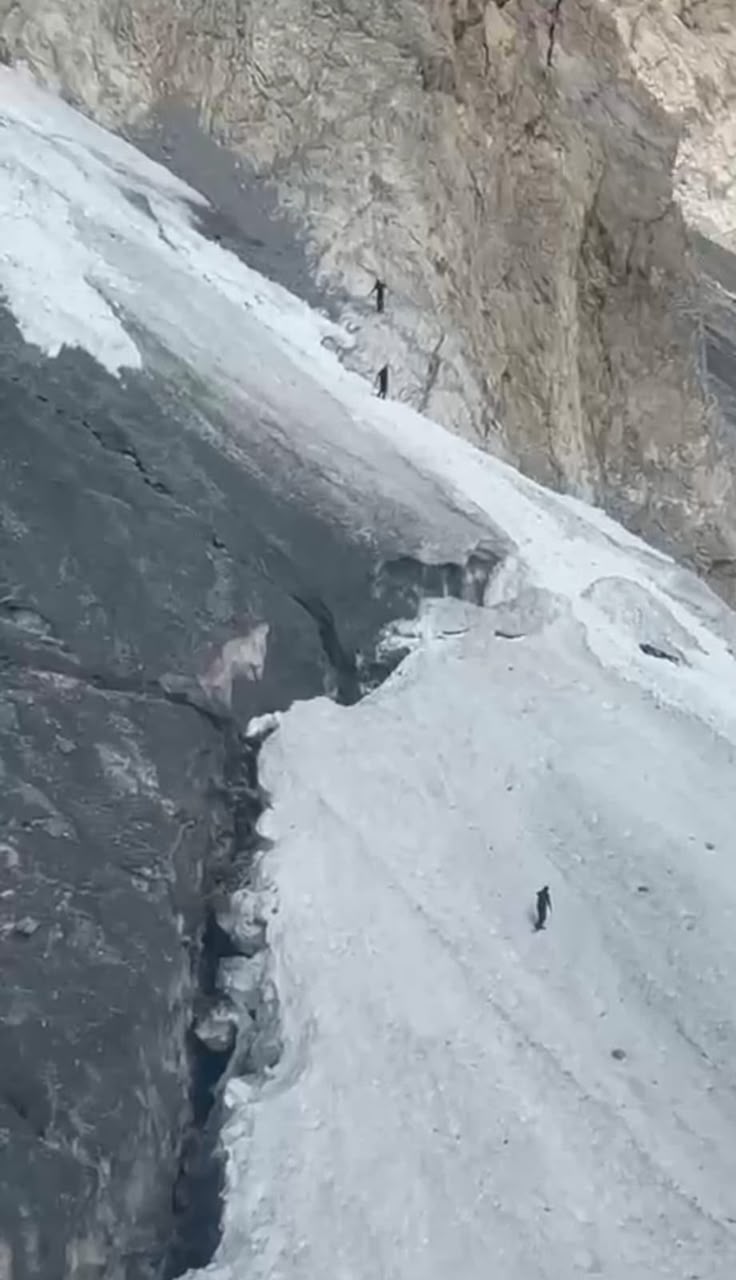
The handling agency, 8K Expeditions, tried to save Chan's life by deploying Sherpas and helicopters, according to Pemba Sherpa, Chairman at 8K Expeditions. They managed to bring him down to Camp III on October 29, but Chan died just below the camp at around 6,100m. Sherpa claimed that if Global Rescue had approved an evacuation from above Camp III on October 27, Chan could have been saved.
Efforts are now underway to bring his body down to the base camp. 8K officials added that five more rescuers have already been sent toward the high camp.
Meanwhile, in an email sent to The Tourism Times, the Global Rescue claimed: "On October 27, we were notified that one of our members climbing on Himlung Himal had become ill near 6,800 meters. At that elevation, any airborne longline or hover rescue would have required a helicopter to operate above the maximum operating altitude set by Nepal Aviation regulations, creating unacceptable risk to the pilot, the climber and the rescue team. We therefore advised and instructed the guides to assist a descent to Camp 3, the nearest safe helicopter landing zone.”
"While we were coordinating a helicopter rescue at Camp 3 (20,9967 feet / 6,400 meters), the expedition operator independently launched a helicopter for a highly risky, hover attempt, which failed due to adverse weather conditions. The injured climber was then moved to Camp 3 as we had advised. Unfortunately, hours had been lost due to the failed hover attempt, and persistent snowfall across Himlung Himal prevented further helicopter launches that day,” the Global Rescue added.
"On October 28, our approved helicopter rescue was prepared to launch as soon as conditions allowed, but the weather remained unsafe throughout the day. On October 29, national civil aviation authorities imposed a temporary ground stop on all helicopter flights following a crash elsewhere that was unrelated to this incident. Tragically, before a safe weather window presented, the client died below Camp 3 at approximately 6,500 meters. Our team then activated recovery and repatriation operations which are currently ongoing. We wish to express our deepest condolences to the family of the deceased climber,” it clarified.
(Editor’s Note: The story is updated with the statements from 8K Expeditions officials and the Global Rescue). Updated on Oct 30, 2025
To Expect A Helicopter Rescue From 6800m Is Unrealistic Unless The Flying Conditions Are Absolutely Perfect. Even Then It’s Asking The Pilot And Crew To Put Themselves In Great Danger. It Was Therefore A Reasonable Request For The Insurance Company To Ask For The Casualty To Brought Down To A Lower Altitude.
Climbers Who Go To High Altitude Shouldn’t Expect To Be Rescued. Better To Gain The Fitness, Ability, And Acclimatisation Necessary For The Safest Possible Ascent, And Accept The Inherent Dangers.


 °C
°C 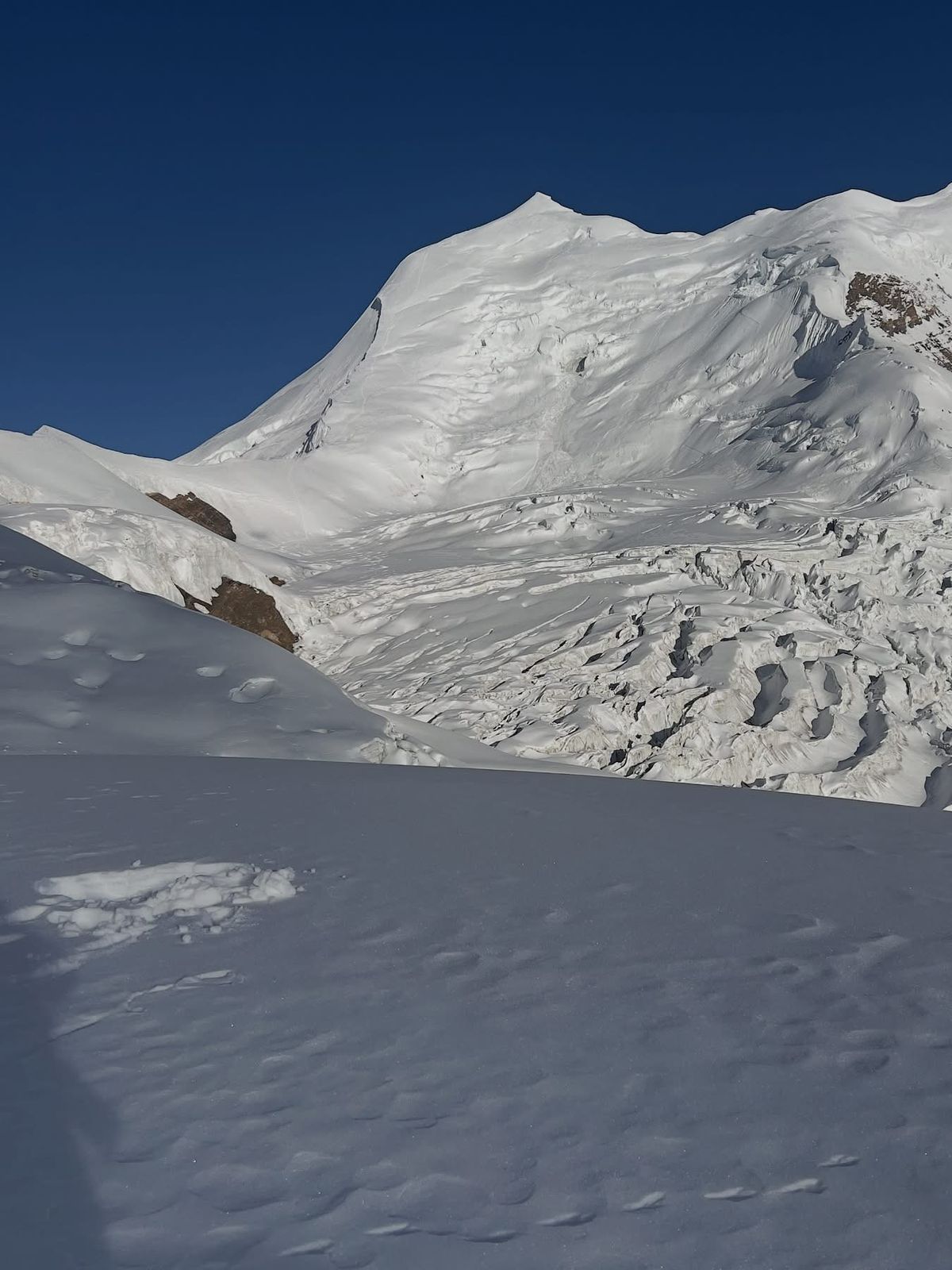

Comment
Steve Bell
To Expect A Helicopter Rescue From 6800m Is Unrealistic Unless The Flying Conditions Are Absolutely Perfect. Even Then It’s Asking The Pilot And Crew To Put Themselves In Great Danger. It Was Therefore A Reasonable Request For The Insurance Company To Ask For The Casualty To Brought Down To A Lower Altitude. Climbers Who Go To High Altitude Shouldn’t Expect To Be Rescued. Better To Gain The Fitness, Ability, And Acclimatisation Necessary For The Safest Possible Ascent, And Accept The Inherent Dangers.