The Tourism Times | Breaking tourism-related news from Nepal and beyond
°C
Climbing
Autumn climbing season opens in Nepal with 204 climbers from 45 countries
By
Tourism Times
Published at : 3 Sep 2025, 3:13 PM
Ama Dablam, Manaslu, and Himlung remain favorites as royalty fees top NPR 70 million
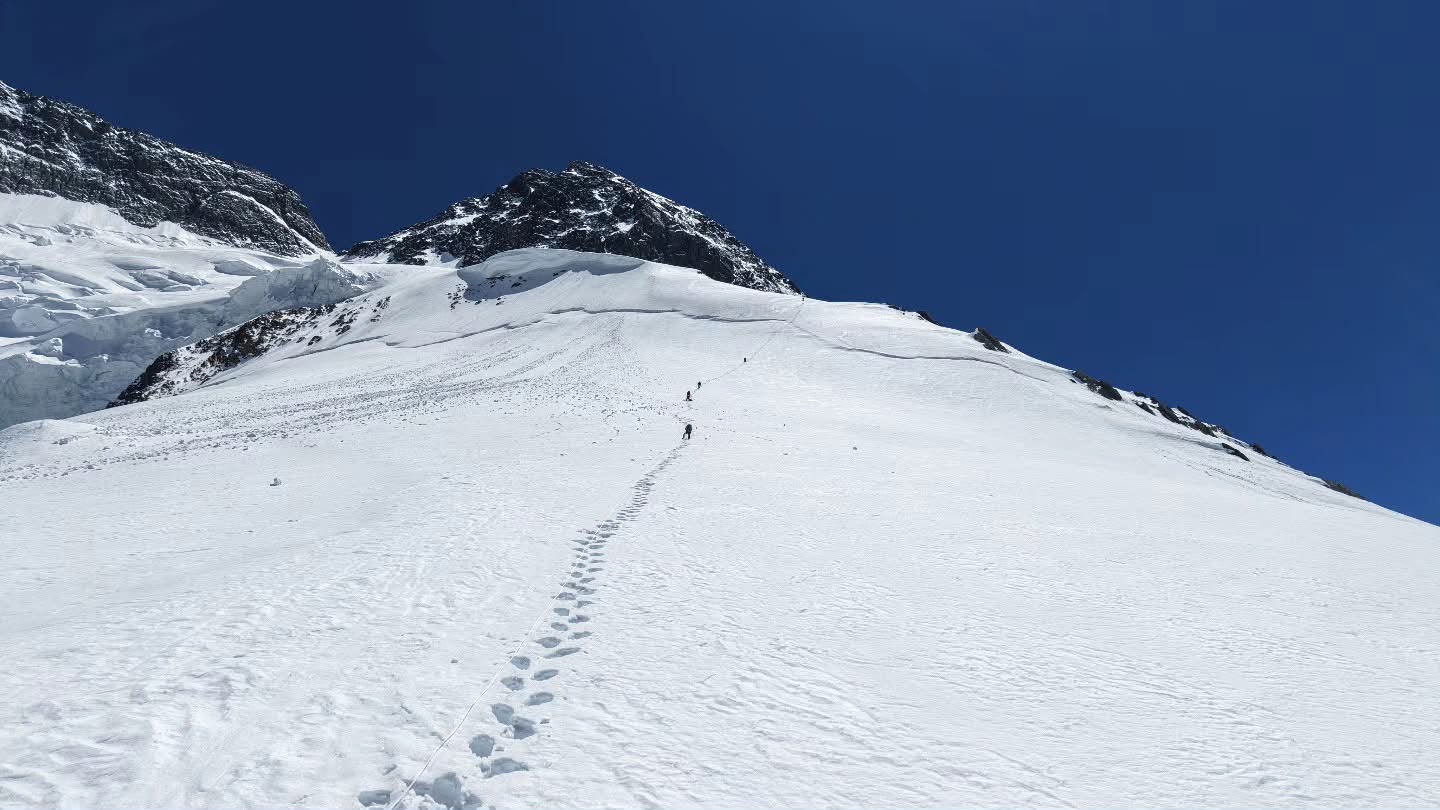
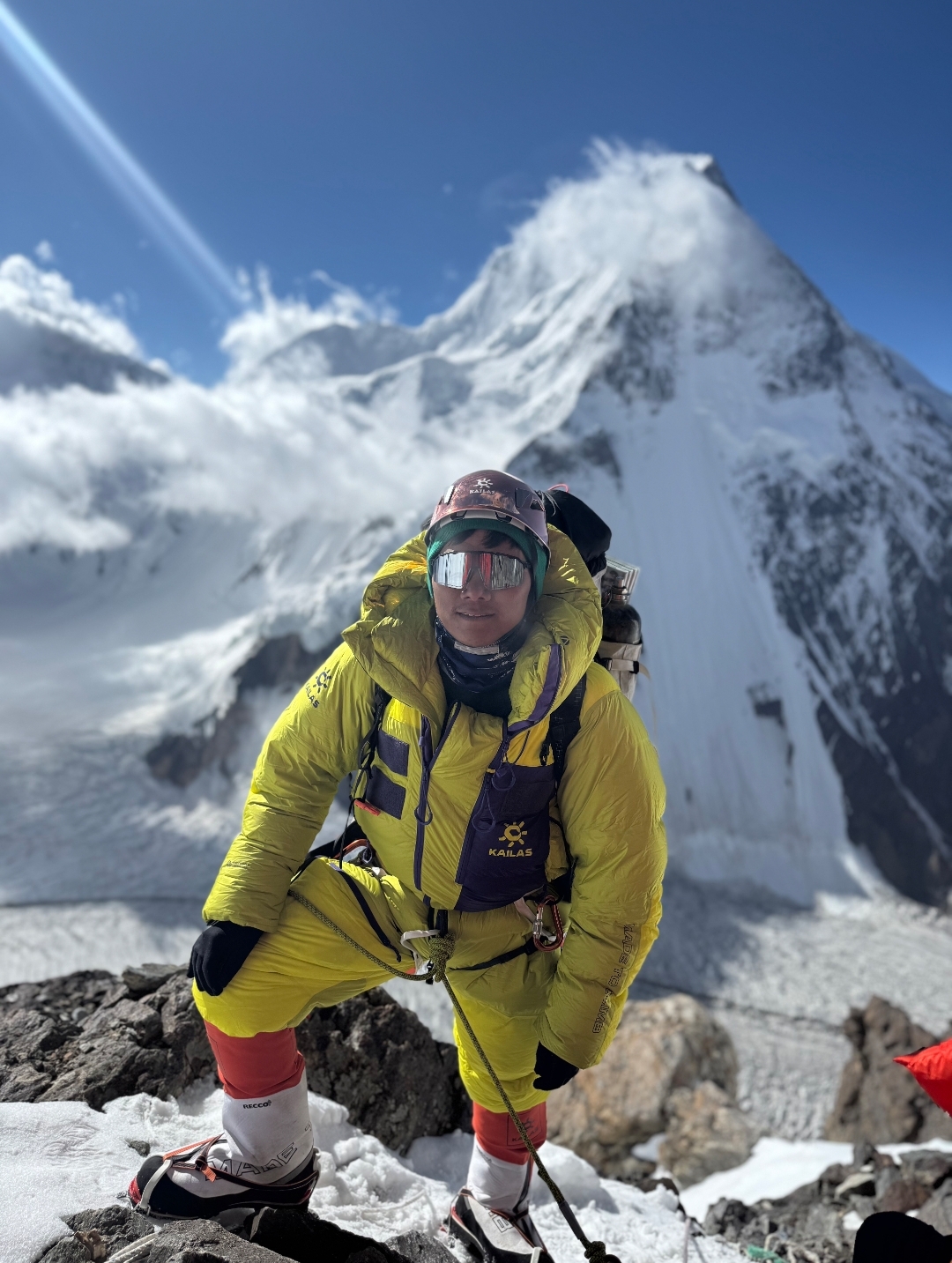
KATHMANDU: Nepal’s autumn mountaineering season has officially kicked off, drawing climbers from around the globe to its iconic peaks. Known for clear skies and stable weather, autumn is one of the country’s prime climbing windows, and this year’s figures once again underscore Nepal’s pull as the world’s mountaineering hub.
According to fresh reports from the Department of Tourism (DoT), as of September 2, a total of 204 climbers in 21 teams from 45 countries have secured permits for the season. Together, they generated USD 504,150 (approx. NPR 70.7 million) in royalty revenue. Of the total climbers, 161 are men and 43 women.
Popular peaks and teams
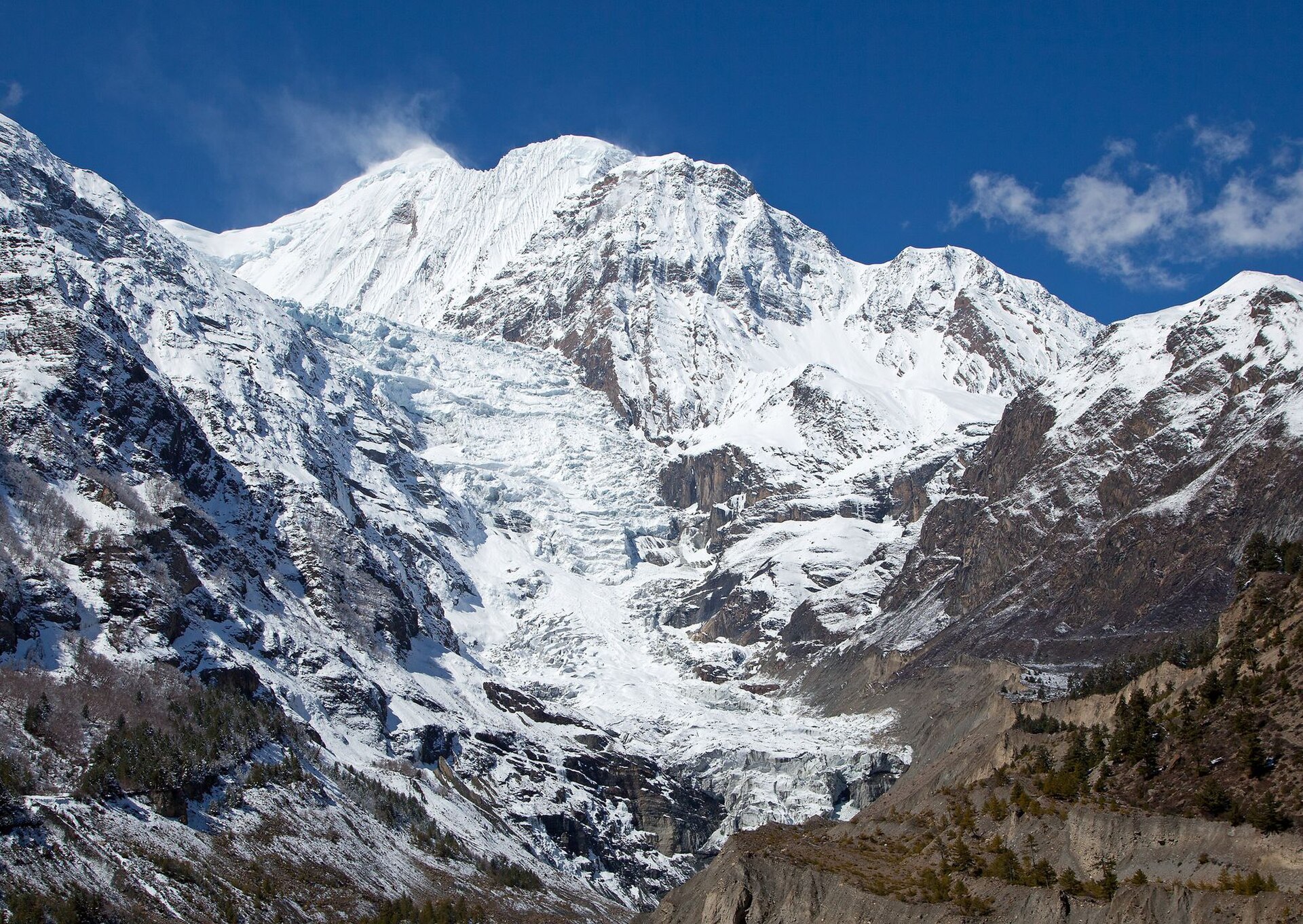
The data shows that Manaslu (8,163m) remains the centerpiece of the autumn season, drawing 162 climbers across 12 teams and contributing nearly USD 486,000 in royalty fees.
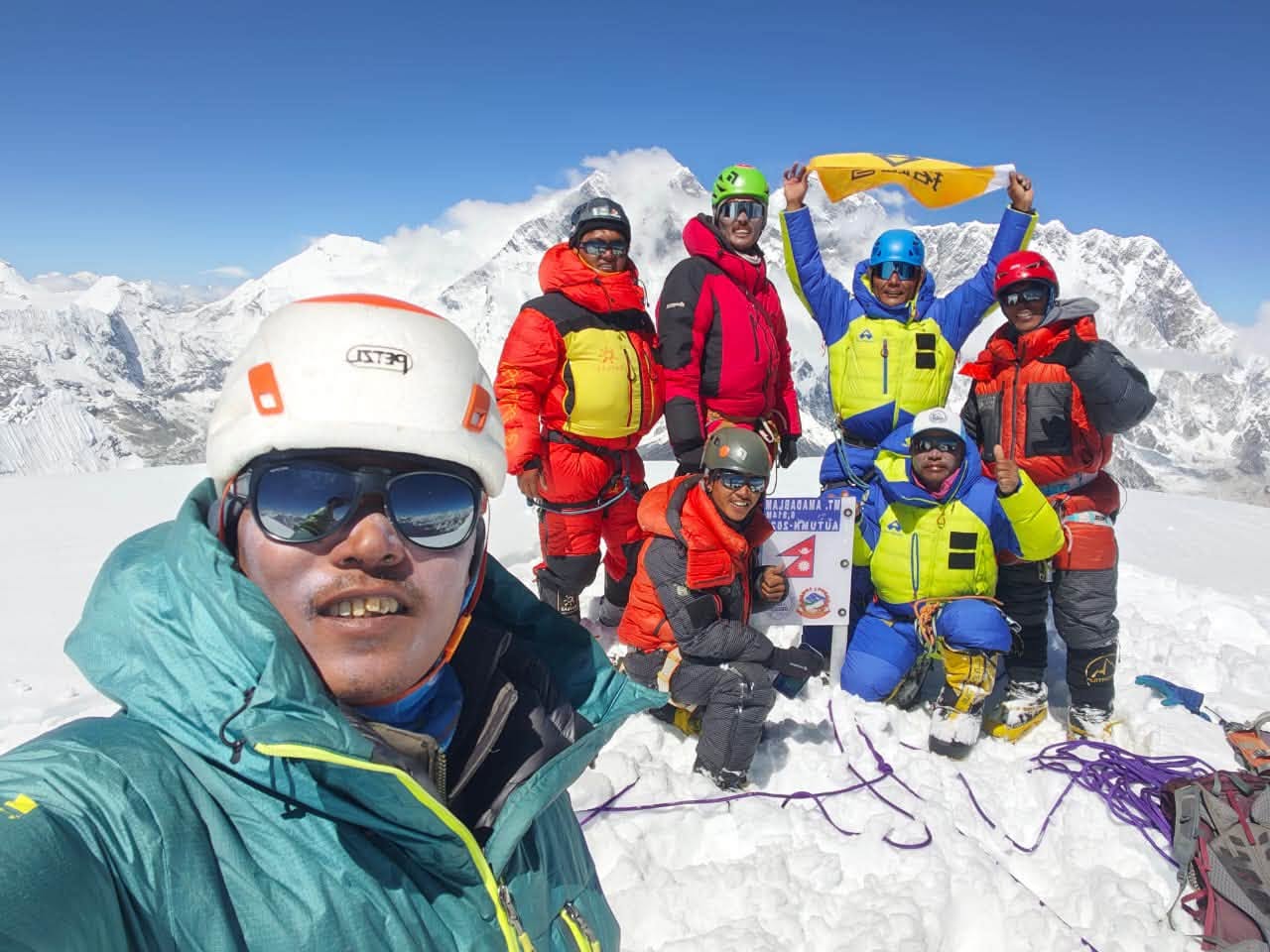
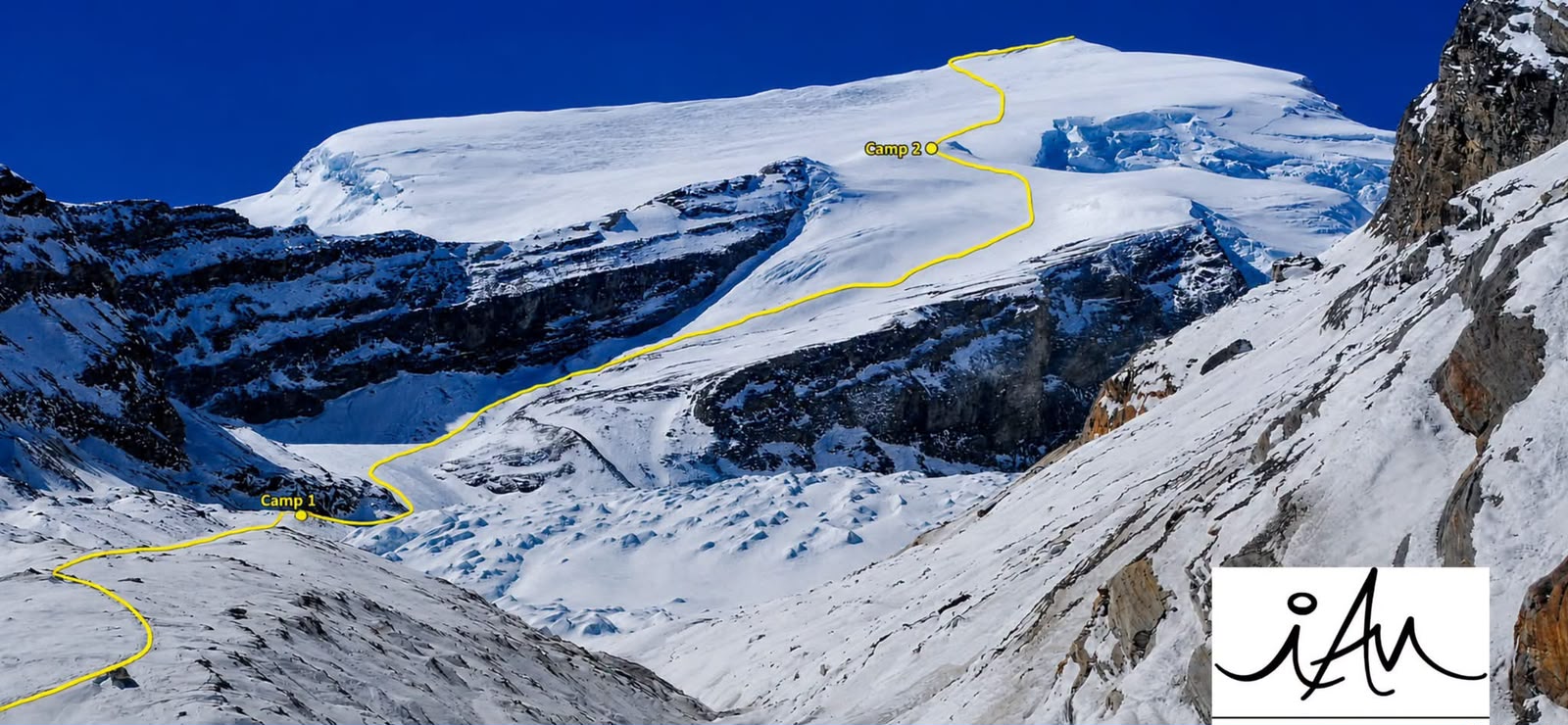
Ama Dablam (6,814m) continues to dominate as a technical favorite, with 481 climbers in 2024 and expected similar interest in 2025.
Himlung Himal (7,126m) has also seen rising popularity, with permits issued for 2 climbers this autumn.
Other mountains permitted this season include Lhotse, Nuptse, Khayang, Chhuama Peak II, Lhayul Peak, Api, and Kumbhakarna (Jannu).
Interestingly, permits for Lhayul Peak (6,395m) and Api (7,132m) were issued without royalty fees, as part of promotional efforts to encourage climber interest in new or less-frequented peaks. The two peaks, situated in Far Western Nepal, are included in the group of 97 for which the government revoked climbing permit fees for the year.
Climbers by country
This autumn season has attracted climbers from 45 nations, reflecting Nepal’s enduring global appeal.
China leads the foreign contingent with 34 climbers, followed by Poland (25), the United States (13), and France and Russia (10 each).
Regional neighbors also feature prominently, with 22 Nepali climbers, Bangladesh (2), and India not included in this dataset but expected in trekking and non-expedition arrivals.
The diversity is striking: permits were issued to climbers from countries as far apart as Costa Rica, Morocco, Saudi Arabia, and Estonia.
Seasonal trends
Compared to last year, the number of climbing permits issued so far is slightly lower, but the revenue base remains strong due to royalty fees from 8,000m giants such as Manaslu, Everest, and Lhotse. In 2024, the DoT recorded 158 teams and 1,280 climbers, generating NPR 763 lakh in royalties.
According to the Department of Tourism, the past two autumns have seen only a slight variation in numbers, suggesting that demand for Nepal’s mountains remains strong. In 2024, the department recorded 158 teams and 1,280 climbers, compared to 170 teams and 1,326 climbers in 2023. Royalty revenues also dipped marginally from NPR 781 lakh in 2023 to NPR 763 lakh in 2024.
While the figures for 2025 may ultimately vary as the season progresses, officials note that autumn remains a pillar of Nepal’s mountaineering economy.
A boost for tourism and local economies
With climbers now heading to base camps, the ripple effects are already being felt in Khumbu, Manaslu, and Annapurna regions. Lodges, trekking agencies, porters, and guides are preparing for one of the busiest times of the year.
“Autumn is a season of crisp skies, breathtaking Himalayan views, and renewed energy along the trails,” noted an official at the Department of Tourism. “The climbers not only challenge the peaks but also contribute directly to local livelihoods.”
The autumn season typically runs through September to November, with Ama Dablam, Manaslu, and Himlung Himal expected to be among the most watched climbs this year.
Quick Facts: Autumn 2025 climbing season
Total climbers permitted: 204 (161 men, 43 women)
Total teams: 21
Countries represented: 45
Royalty collected: USD 504,150 ≈ NPR 70.7 million
Top peaks: Manaslu (162 climbers), Ama Dablam, Himlung Himal


 °C
°C 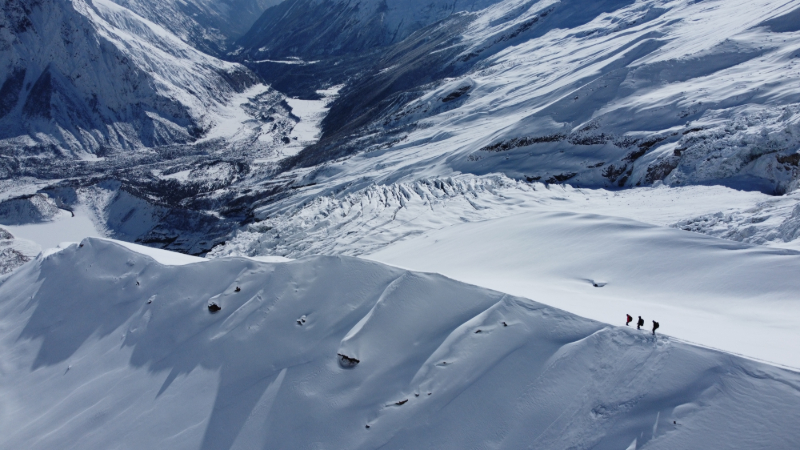




Comment