

 °C
°C Canadian-Iranian climber Andrew Aziz summits Mt Manaslu, suggests safer approach to “True Summit” recognition
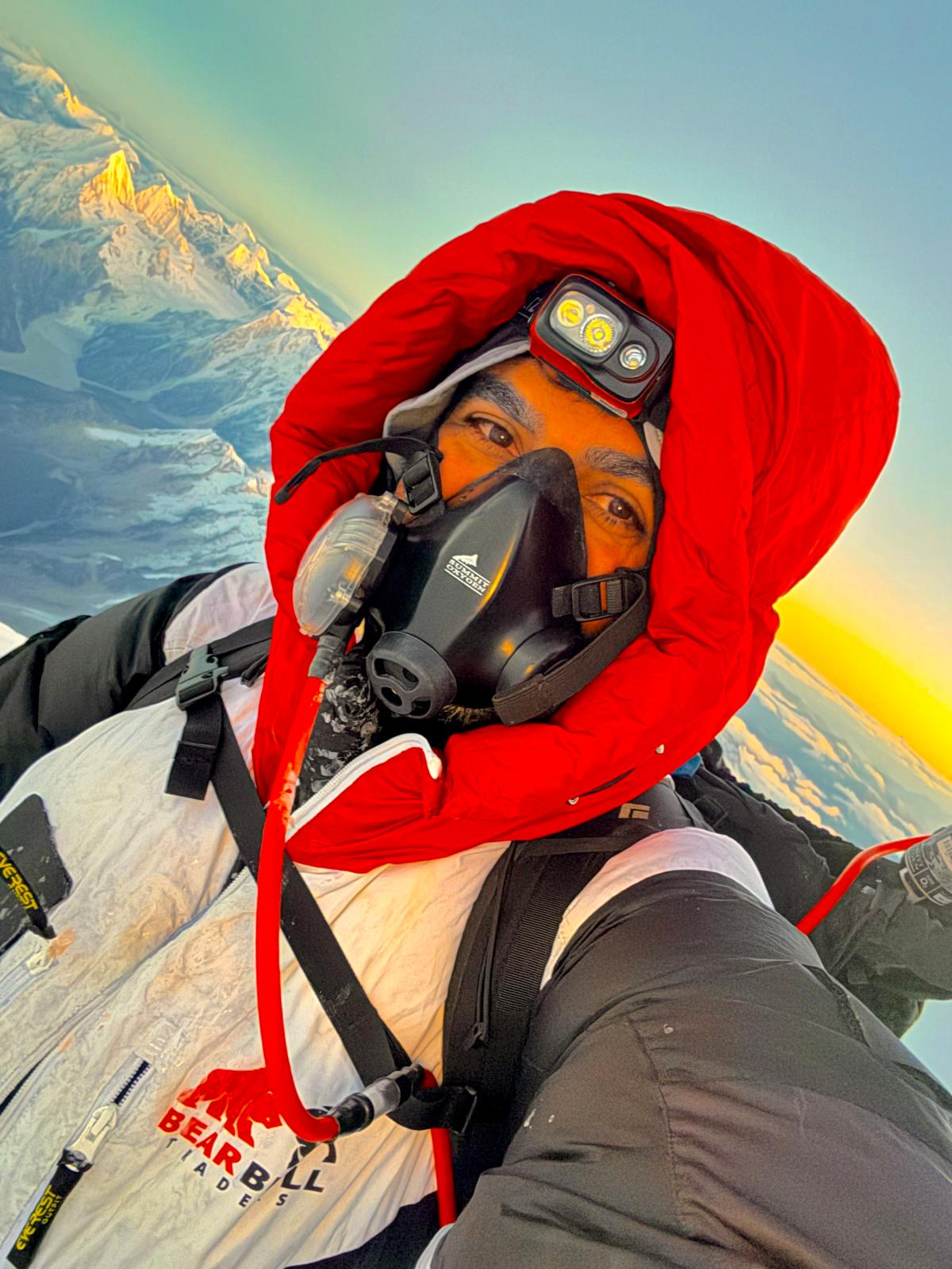
KATHMANDU: Andrew Aziz, a Canadian Iranian high-altitude climber, entrepreneur, and bestselling author, successfully reached the summit of Mount Manaslu on 24 September 2025 with support of Nepal’s Kaitu Expedition. Manaslu, the eighth-highest mountain in the world at 8,163 meters (26,781 feet), impressed him with its beauty, but he also reflected on the challenges and risks of the final summit push.
For decades, most climbers stopped at Manaslu’s “false summit,” a point just shy of the actual highest ridge. In recent years, however, the true summit has been opened and now has become the recognized endpoint. Aziz explained that while this adds prestige to the climb, it has also created bottlenecks in the so-called “death zone.”
.jpeg)
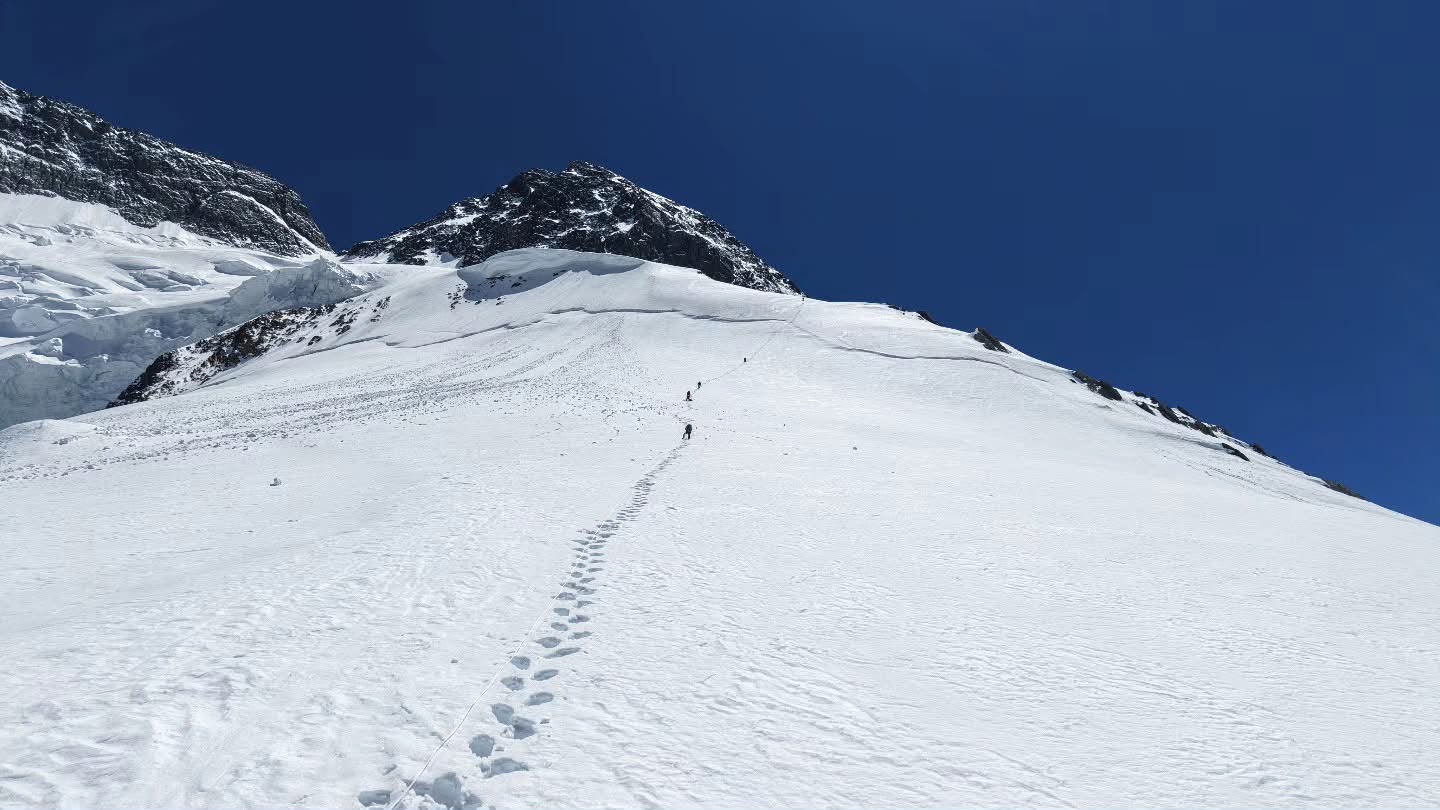
Manaslu true summit, September 23, 2025, 8:30 a.m. Photo by Chen Shaked.
One day later, on September 24, when Aziz summited, the ridge was much busier, packed with climbers.
“At around 8,200 meters (26,900 feet), people had to wait for hours just to get onto the ridge,” Aziz said. “There was only one fixed line, and on the way down, climbers were holding onto each other for balance. It took nearly two extra hours just for the final section, and all of this in the death zone. For what? A picture.”
Still, Aziz stressed his admiration for Nepal and its mountaineering community. “Nepal has done an incredible job leading the world in guiding climbers safely to these peaks,” he said. “It’s one of the most beautiful destinations on earth for mountaineering, and the Sherpa community is unmatched in experience and dedication.”
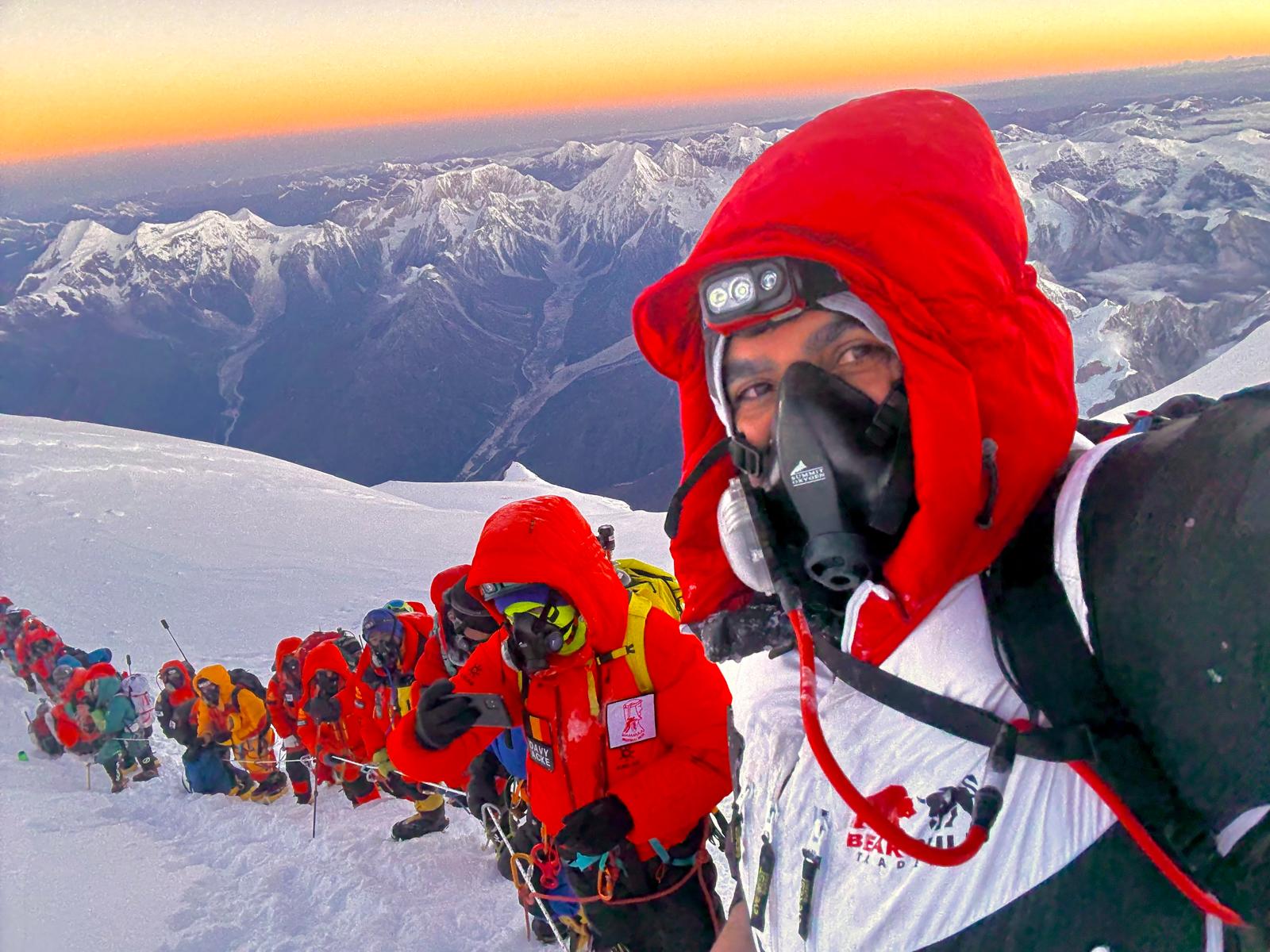
Photo: Aziz waiting in line before the ridge to the true summit, sunrise at 5:30 a.m., September 24, 2025.
One rumor Aziz heard at Basecamp concerned official summit recognition. Climbers said that to be listed in the government database and receive a certificate, they might be required to stand on the true summit and provide a photo without an oxygen mask. “If that rumor is true, it would be a little disappointing,” Aziz noted. “It puts pressure on climbers to take unnecessary risks when the difference between the false and true summit is just a few meters. The accomplishment remains the same.”
As an alternative, Aziz suggested a symbolic solution. “Maybe a prayer flag could be placed at the safer summit point,” he said. “That way, climbers can celebrate the achievement in the traditional Nepali way, without feeling unofficially pressured to take on extra risk. The climb should be about the journey, the mountain, and the culture, not just a certificate.”
A photo Aziz shared from the climb, shows the crowded ridge leading to the true summit. The image illustrates how precarious the situation can become when over 50 climbers move along a single line at extreme altitude.
For Aziz, who has previously summited Everest and other Himalayan giants, Manaslu remains a remarkable peak. “The mountain amazed me,” he said. “I hope future climbers can continue to enjoy it with the same sense of awe and respect, without unnecessary risk.”
In closing, Aziz expressed his deep admiration for Nepal, its government, and the guiding community. “Nepal has become the heart of the mountaineering world,” he said.
“The Sherpas, the tour operators, and the officials have all done so much to make climbing safer and more accessible. I’m grateful for their leadership, their culture, and their commitment to protecting both climbers and the mountains themselves.”

Comment