Climbing

Dawa Sherpa moved out of ICU, set for discharge as new details reveal he was a cook sent to Camp IV due to guide shortage
Dawa
By Tourism Times
Published at : 9 Jun 2026, 10:37 PM

Everest Summiteers join calls for probe

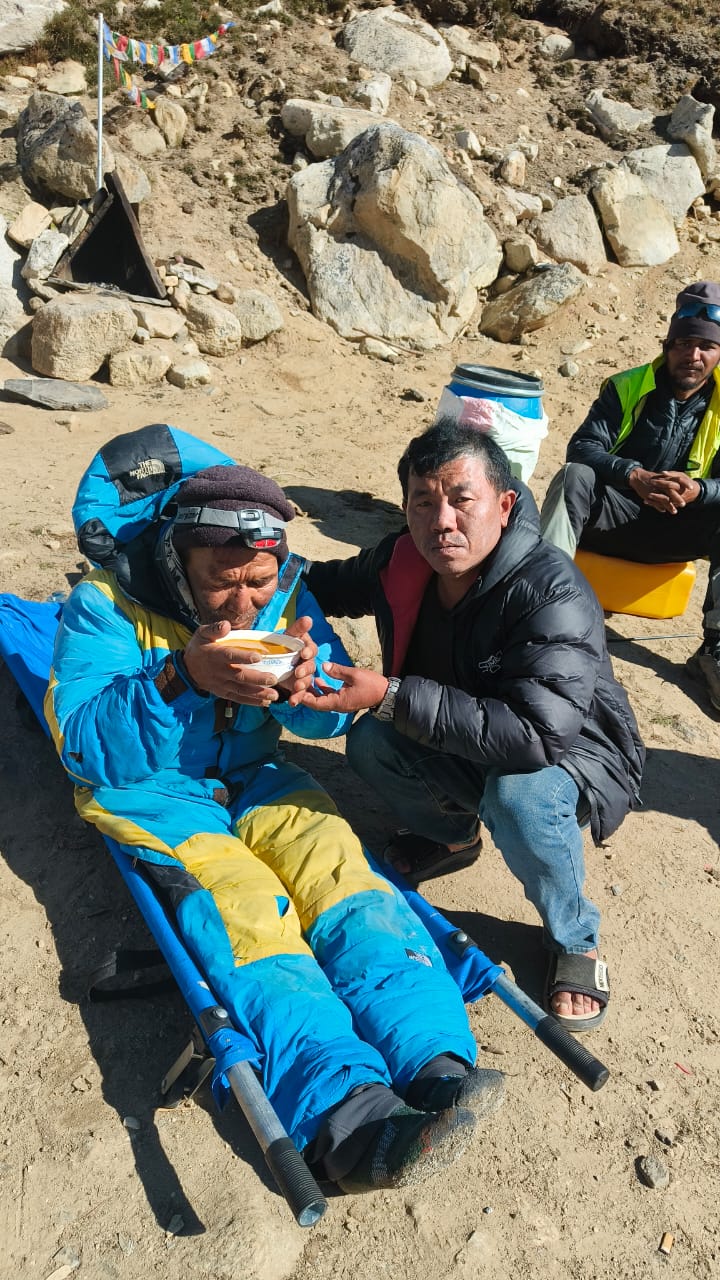
KATHMANDU: Dawa Sherpa, the Sherpa guide who survived seven days alone in Everest's death zone without food or bottled oxygen, is on the verge of being discharged from HAMS Hospital in Kathmandu after being moved out of the intensive care unit to a general ward, marking a remarkable recovery that has drawn renewed calls for accountability from Nepal's mountaineering community.

From ICU to general ward

Dawa, 57, was shifted from the ICU to a general ward overnight and is expected to be discharged within a day, according to hospital sources. His recovery has been described as swift given the severity of his condition upon arrival — severe dehydration, Grade II frostbite on both little fingers, Grade I frostbite on his right thumb and middle finger, and a right medial femoral condyle fracture with distal thigh intramuscular hematoma. He had been receiving intravenous Iloprost therapy for frostbite, supplemental oxygen, and fluid resuscitation since his airlift to Kathmandu on June 4.

A cook sent to Camp IV

As Dawa recovers, new details have emerged about the circumstances of his ordeal that have deepened the controversy surrounding Himalayan Traverse Adventure Pvt. Ltd., the expedition company responsible for the climb.

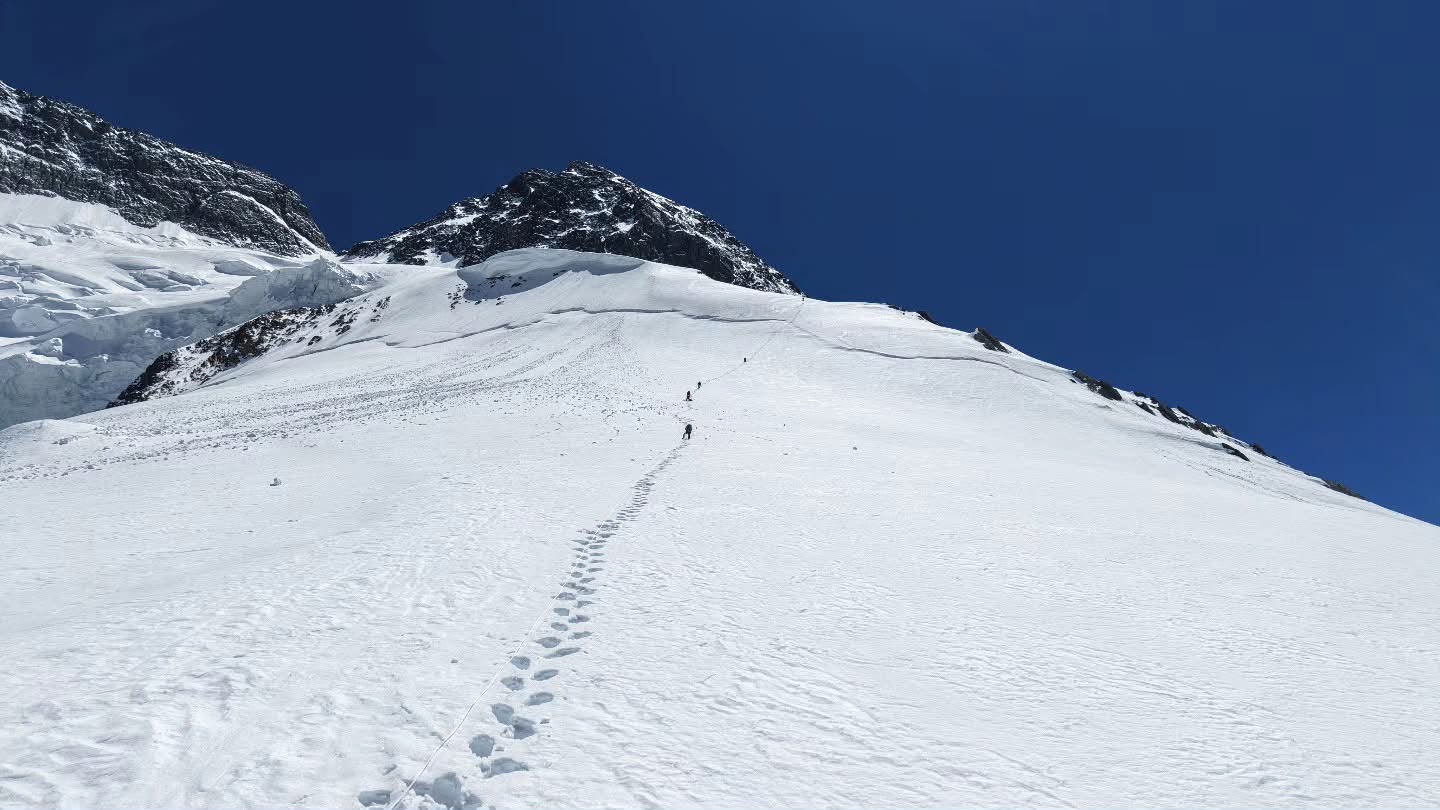
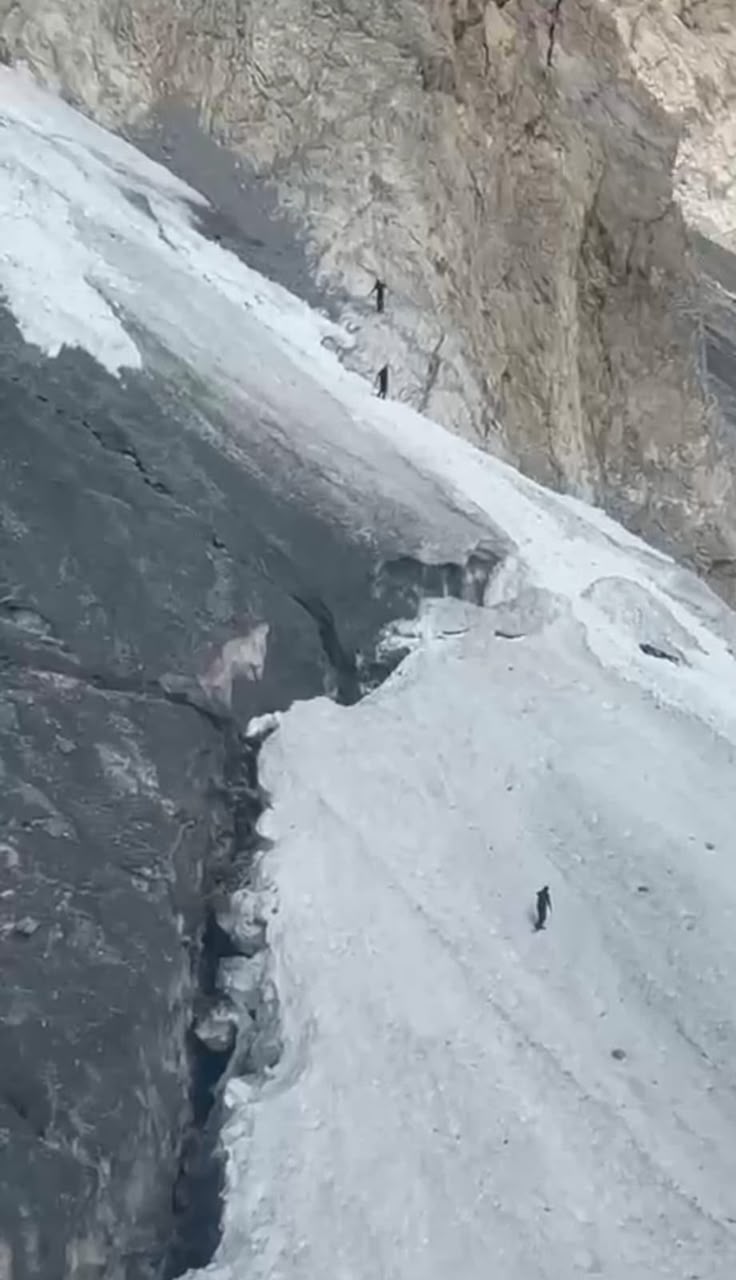
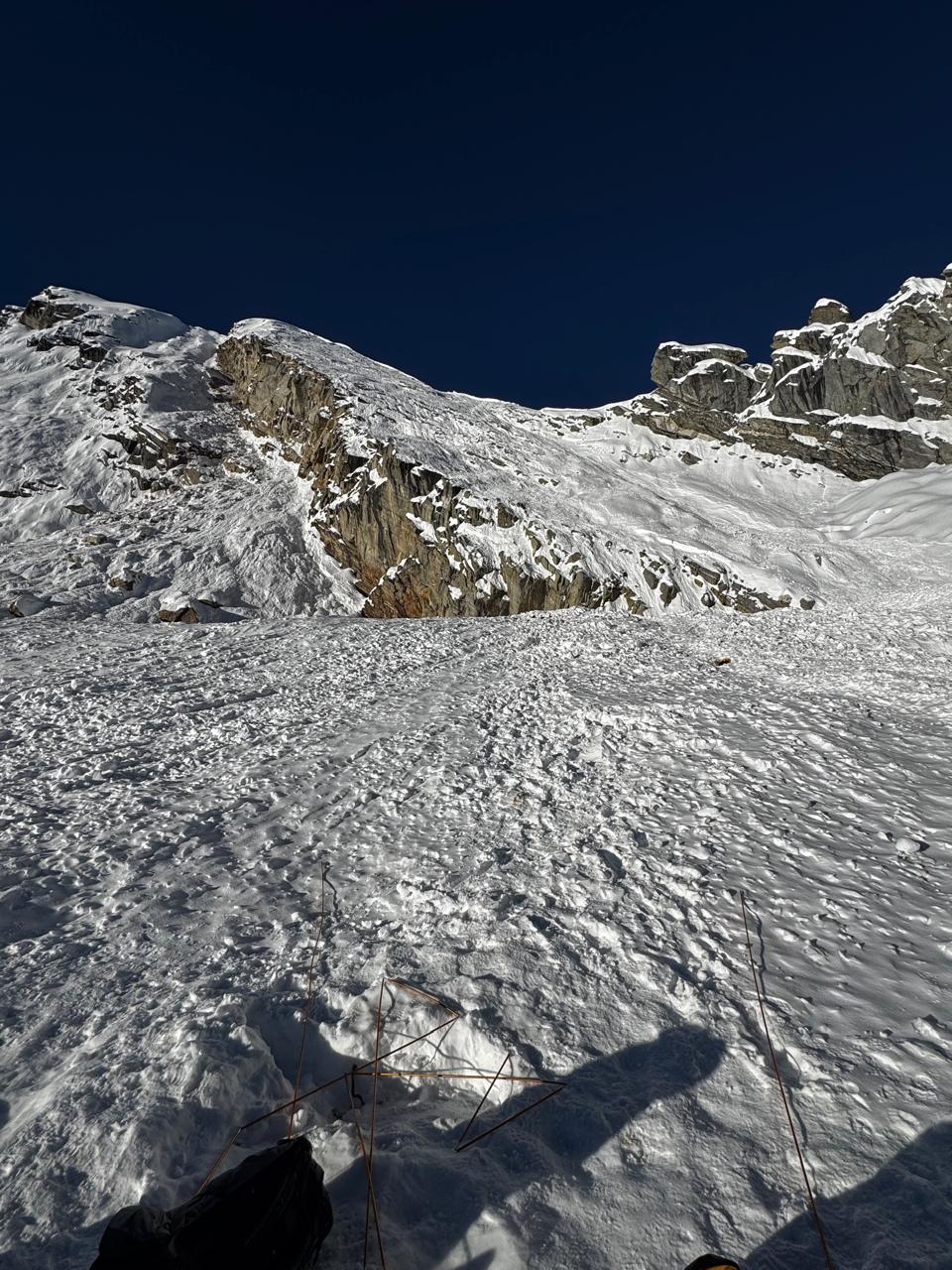
In a formal complaint filed with authorities, Dawa's wife Damu Sherpa revealed that her husband had gone to Everest as a cook at Camp II — not as a high-altitude climbing guide. Due to a shortage of guides on the expedition, he was sent up to Camp IV. It was during his descent from Camp IV that he lost contact with the team and was left behind near the Yellow Band above Camp III on May 29.

"When I repeatedly requested the company to search for my husband, they ignored me," Damu stated in her complaint. "Instead of searching for him, the company's representative arranged for the ladders on the route to be removed while he was still missing on the mountain."

She added that while her husband was lost in the death zone for nearly a week, the company told her in an irresponsible manner that he would not return and that she should perform his funeral rites. The family had begun those rituals before Dawa was found alive on June 4, crawling toward base camp at Crampon Point, where he was spotted and rescued by a Sagarmatha Pollution Control Committee garbage management team.

Damu has demanded immediate accountability for the company, appropriate compensation, effective medical treatment, and the strictest possible action against those responsible for the negligence. She has also asked that the climbing certificates of all members of the expedition who descended while Dawa remained missing be suspended pending investigation.

Everest Summiteers Association demands probe

The Everest Summiteer Association has added its voice to growing calls for a high-level investigation, expressing solidarity with Dawa's family and flagging what it described as serious loopholes in the safety and security framework governing Nepal's high-altitude climbing industry.

In a statement, the association said it was deeply concerned by the circumstances under which Dawa — employed as a cook at Camp II — was pressured to ascend to Camp IV, and demanded a thorough probe into what actions, if any, were taken to search for him during the six days he was missing.

"This incident highlights the loopholes in the safety and security of Nepal's Himalayan region and underscores the urgent need to address the negative impact it has left on foreign tourists," the association said, noting the irony of the tragedy coinciding with Nepal's announcement of 2085 BS as Nepal Tourism Year.

The association urged the government to make its official stance on the incident public and to formulate concrete laws to prevent similar incidents from occurring in the future. "We, the climbers, are deeply saddened by the insecurity observed in the Himalayan region," the statement read.

A systemic question

The Nepal Mountaineering Association (NMA) had earlier also demanded a government-led independent investigation, calling the abandonment of a guide in the death zone a serious ethical and humanitarian failure. The USNCA has separately launched a broader campaign demanding free education and health insurance for the families of tourism workers killed or permanently disabled on the job.

Dawa's case — a cook deployed beyond his role due to a guide shortage, abandoned without rescue for six days, his own company telling his family to perform his last rites while he was still alive — has struck a nerve across Nepal's mountaineering industry, raising questions that go beyond one expedition to the structural vulnerabilities faced by the workers who make every Everest season possible.

He survived. The questions his survival has raised are unlikely to go away as quickly.

Tags: #Trekking

Comment