

 °C
°C From the death zone to the people's house: Mingma Sherpa’s next ascent
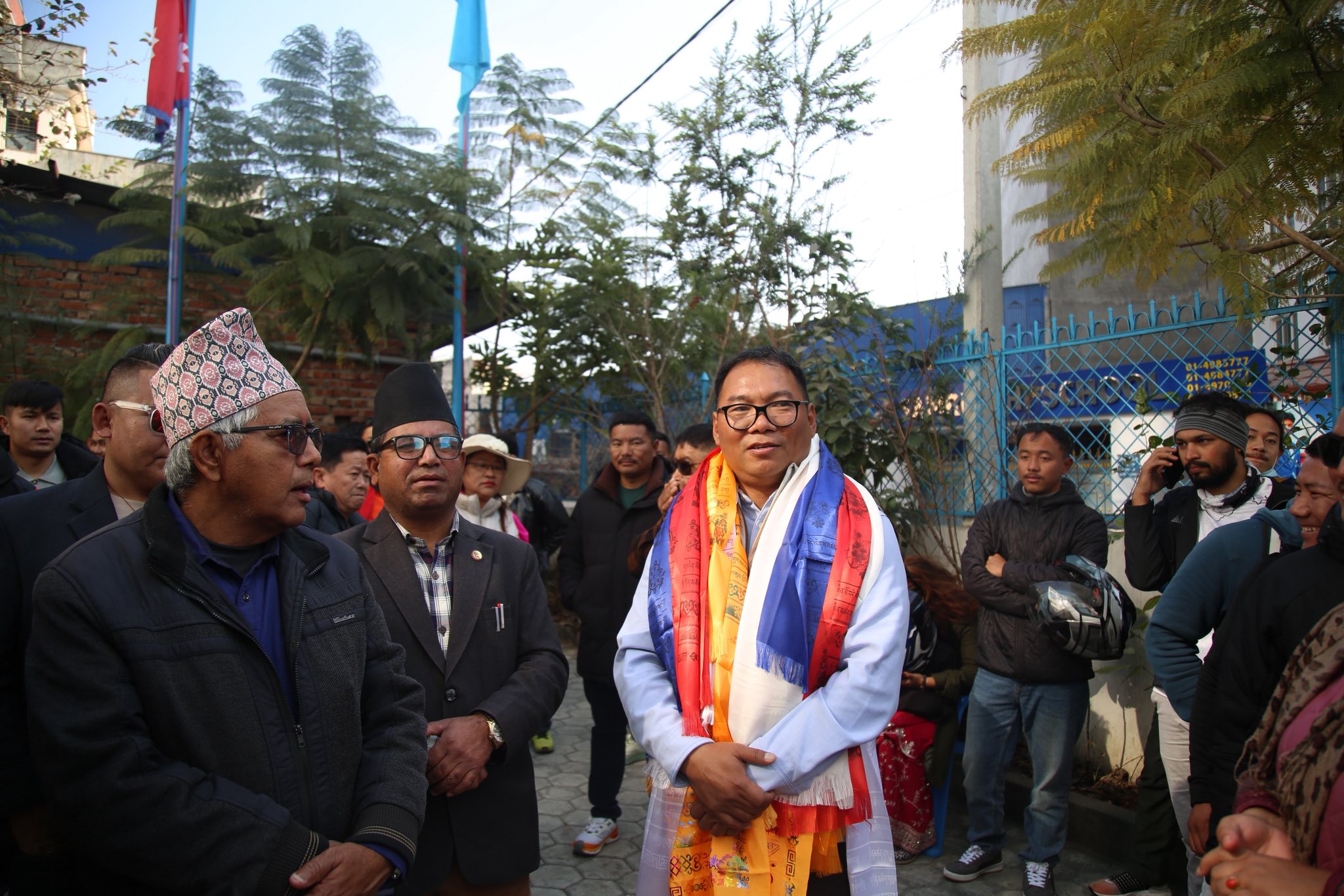
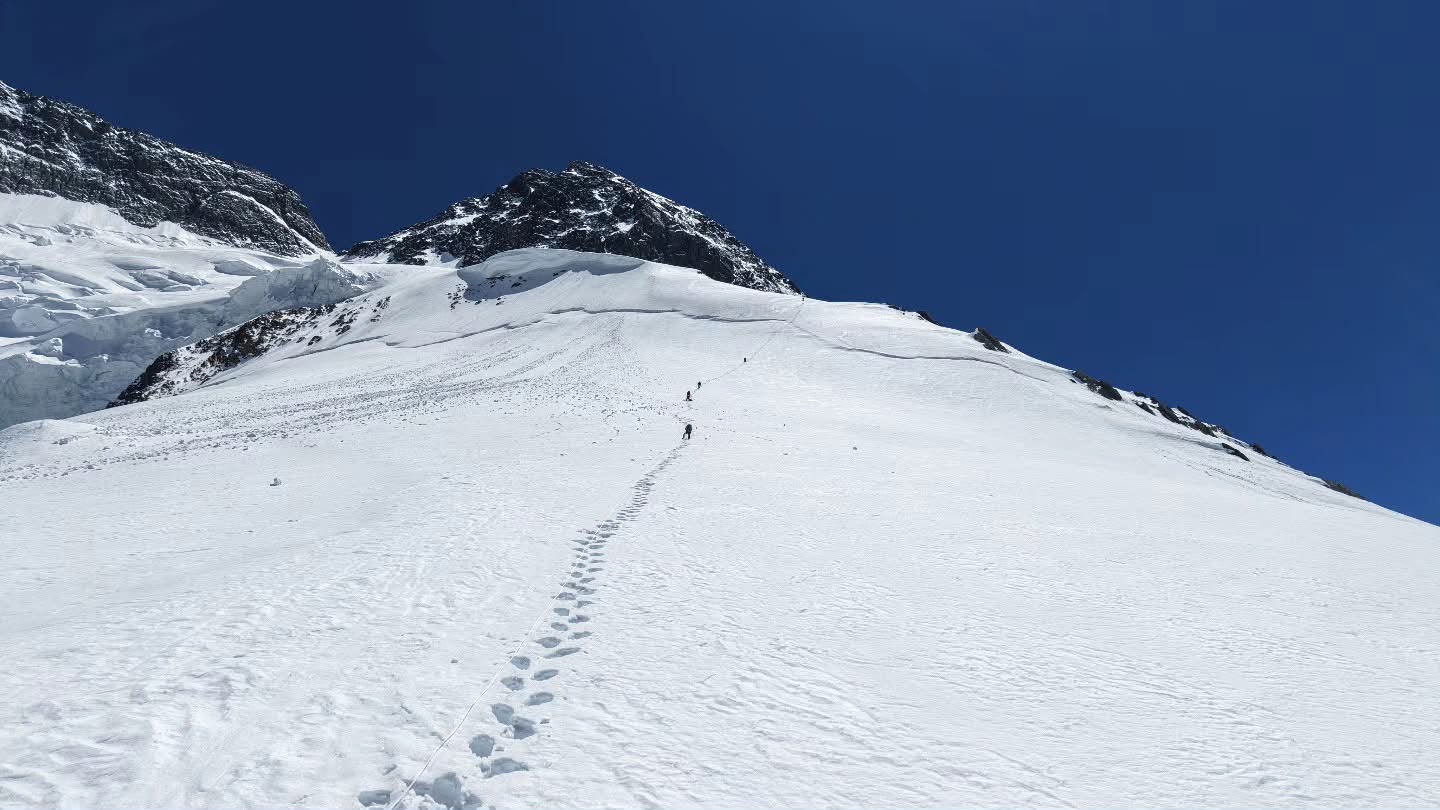
KATHMANDU: For Mingma Sherpa, risk has never been unfamiliar. From the icy ridges of Everest to the lethal slopes of K2, he has spent decades navigating the world’s most unforgiving terrain. Now, the legendary mountaineer is preparing for a different kind of ascent, national politics.
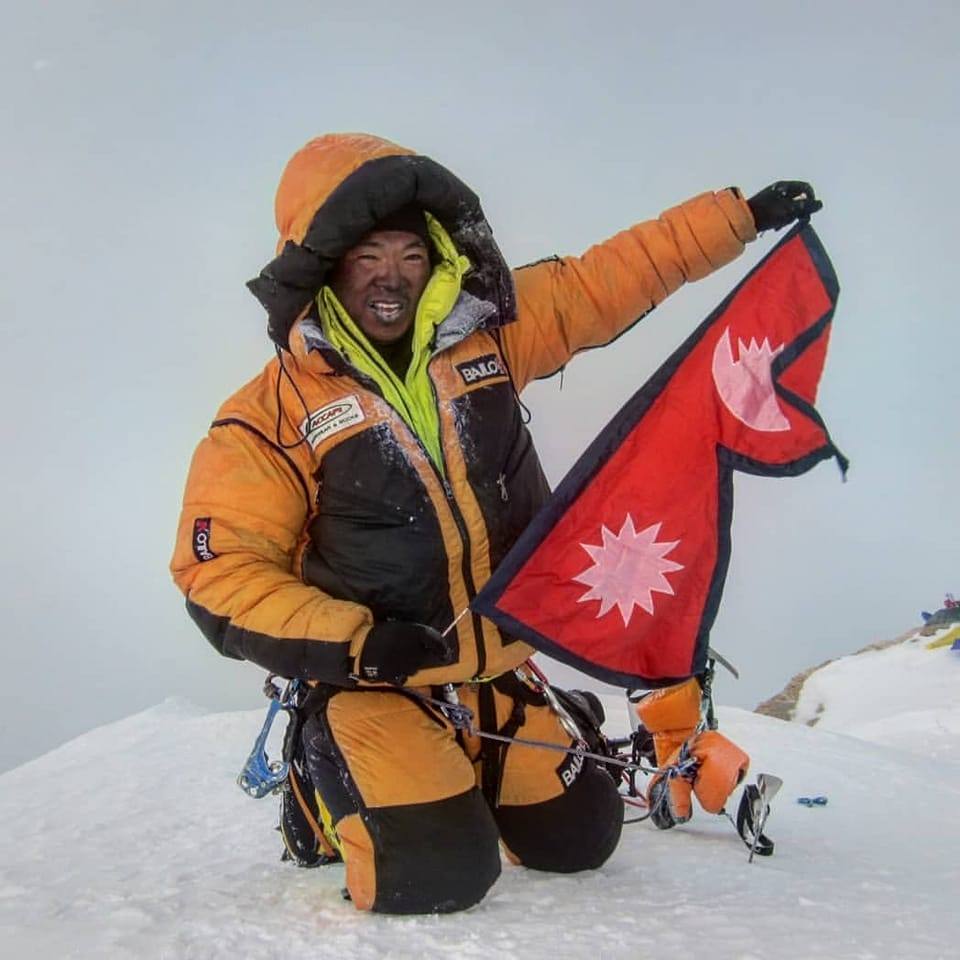
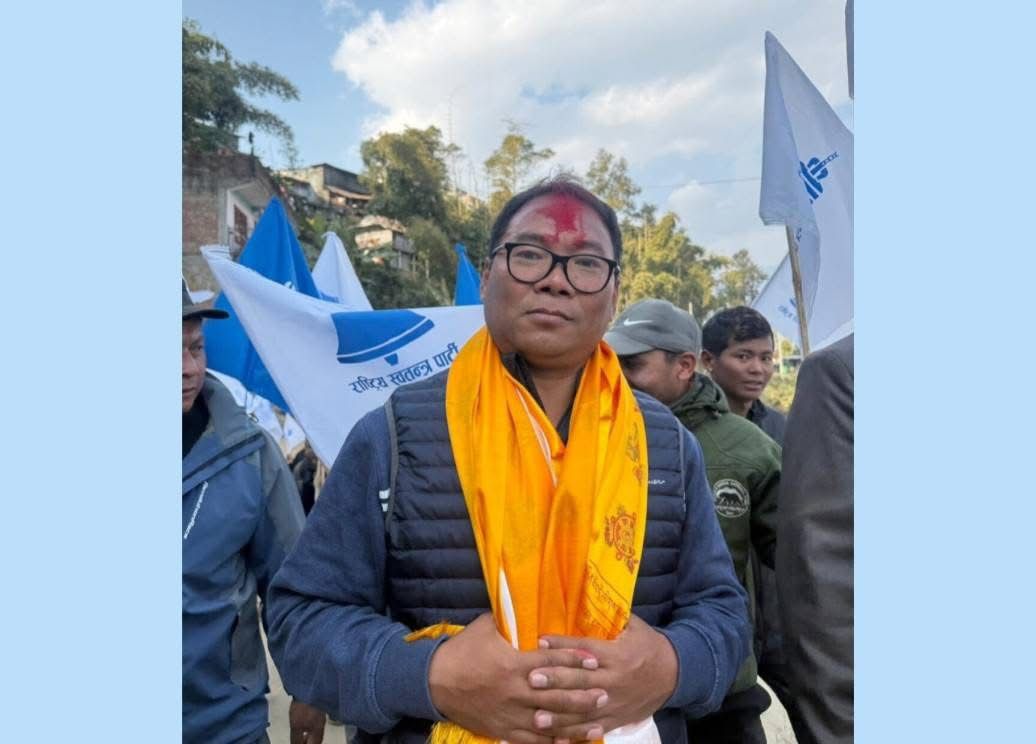
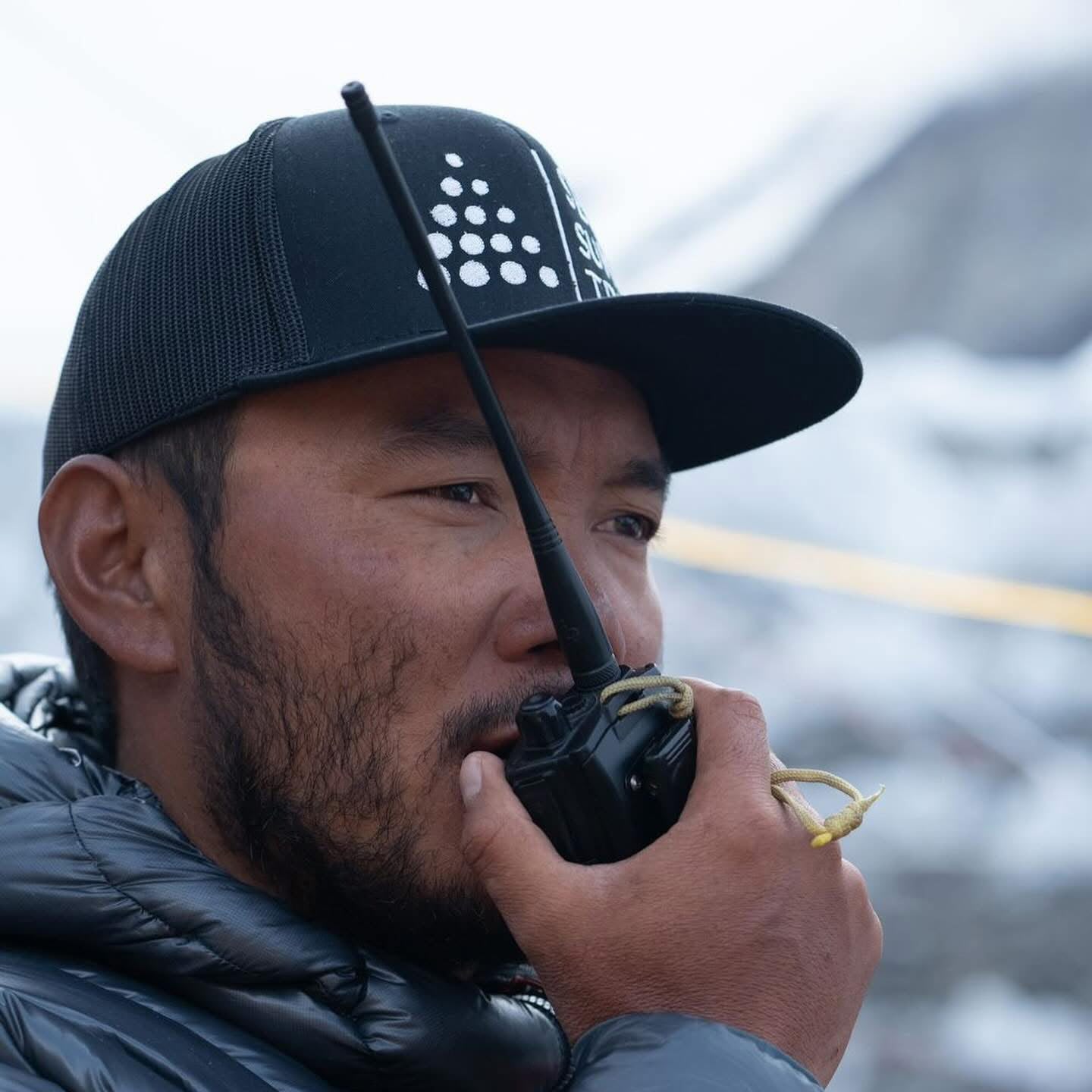
Mingma Sherpa, the first Nepali and South Asian to summit all 14 of the world’s 8,000-metre peaks, is contesting the March 5 House of Representatives election from Sankhuwasabha. Representing the Rastriya Swatantra Party (RSP), his candidacy marks a rare transition from global mountaineering fame to grassroots political engagement.
He is the only Sherpa candidate contesting direct elections for HoR seats from the country.
Rooted in the Himalayas
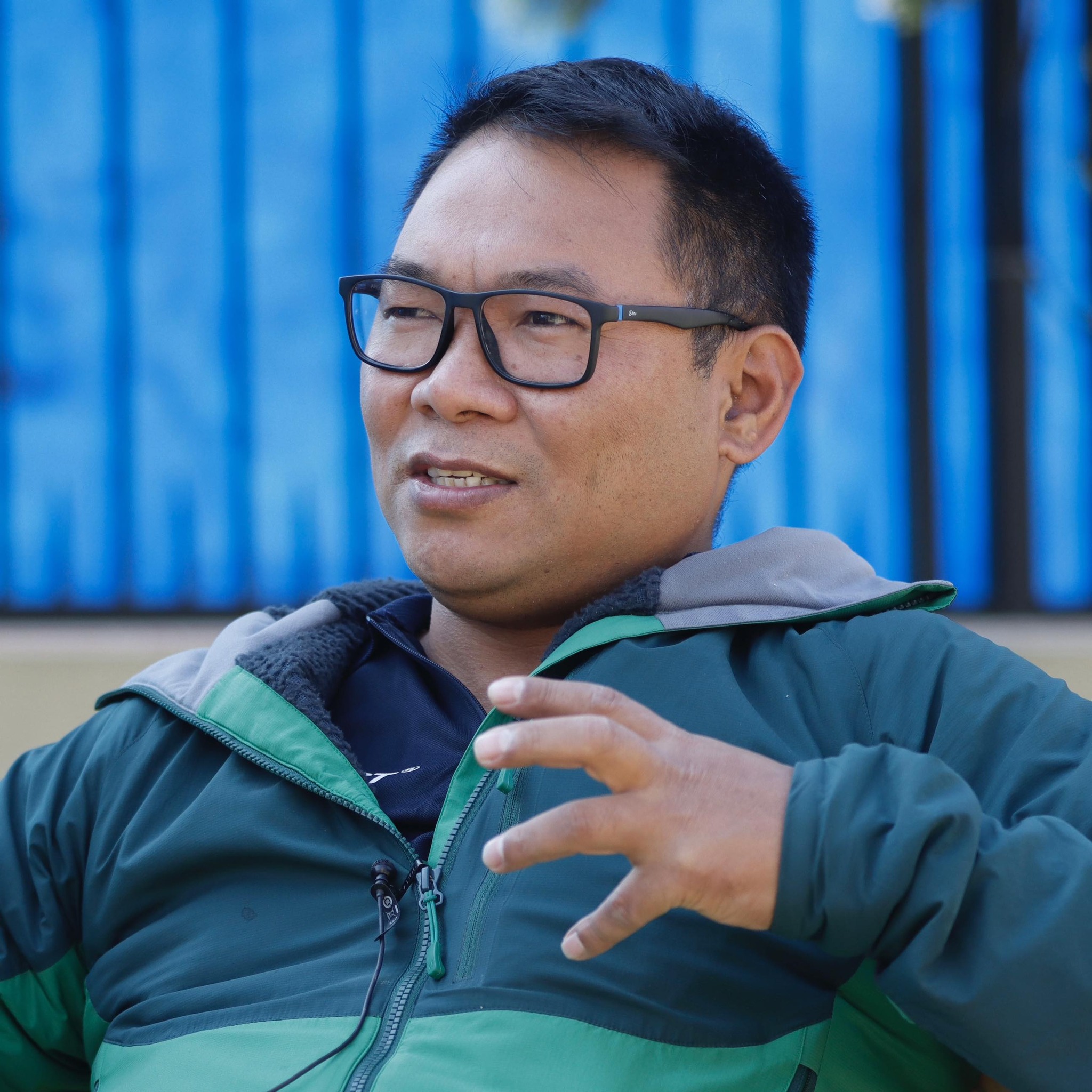
Born in Walung, Makalu Rural Municipality–1, in the heart of Sankhuwasabha, Mingma’s life has been shaped by mountains. The district he now seeks to represent is home to Makalu (8,485 m), the world’s fifth-highest peak, and the Arun Valley, considered the deepest valley on earth. It is a land rich in geography, biodiversity, culture and potential, yet long constrained by infrastructure gaps and uneven development.
“Mountains taught me discipline, accountability and leadership,” Sherpa says. “Those same principles are missing in politics.”
A global record holder
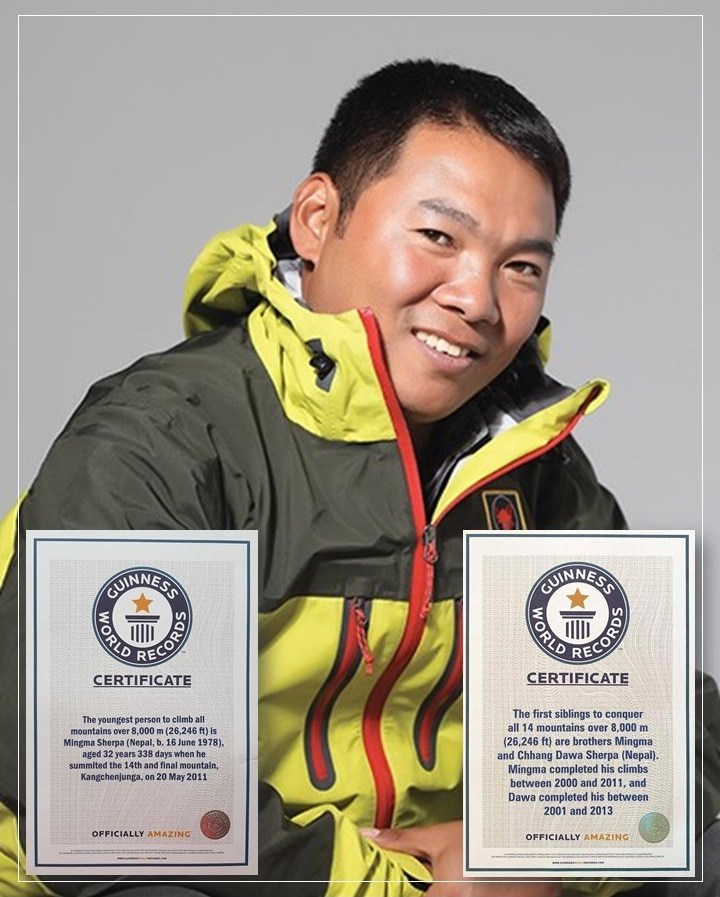
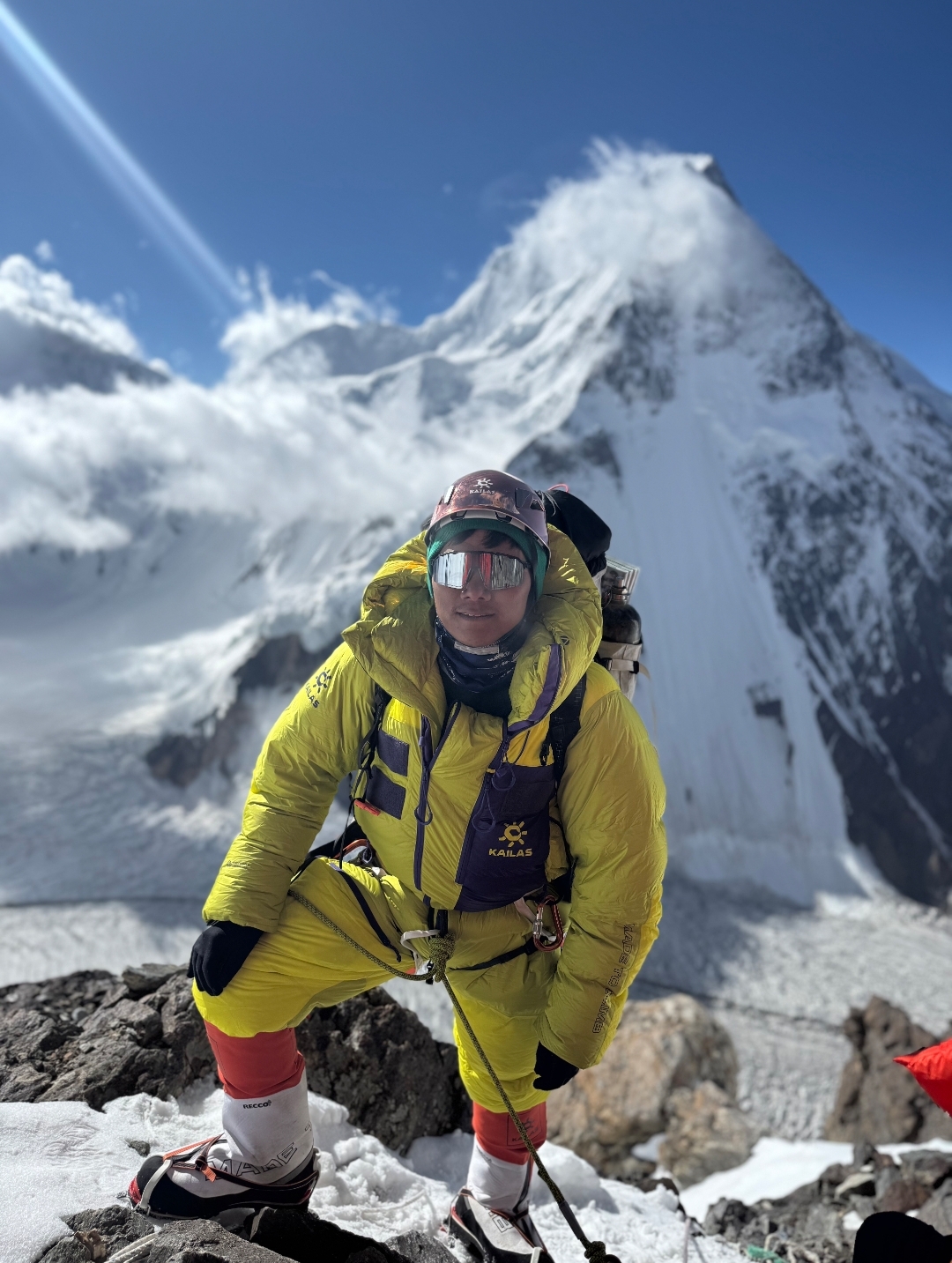
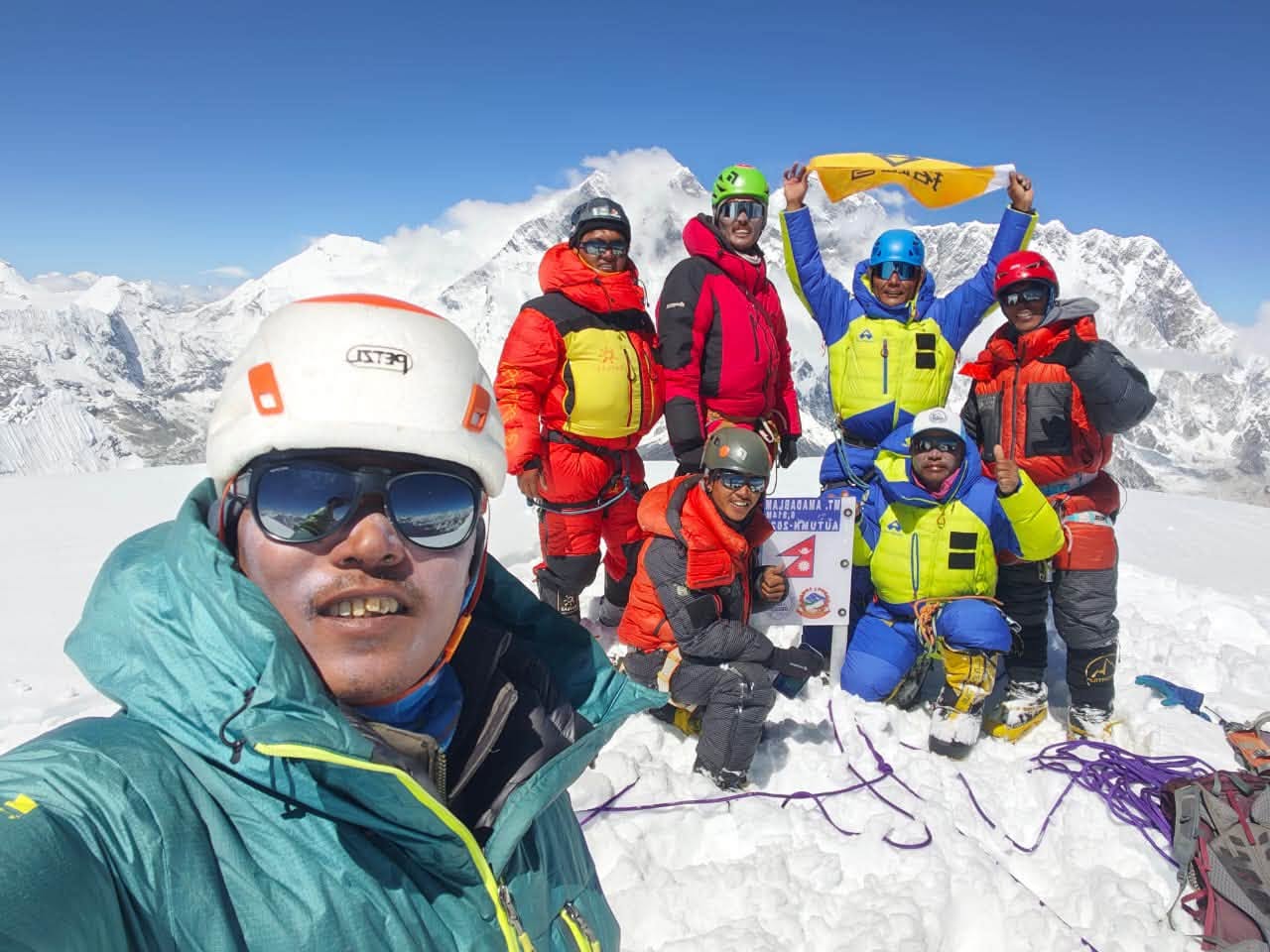
On May 20, 2011, Mingma Sherpa etched his name into mountaineering history by becoming the first person to climb all 14 eight-thousanders on his first attempt, a feat unmatched at the time. Alongside his brother Chhang Dawa Sherpa, he later set a Guinness World Record as the world’s first two brothers to achieve the same milestone.
By October 2024, the Sherpa brothers added another historic achievement—completing the Seven Summits, becoming the first siblings globally to do so.
Beyond the peaks, Mingma is also the Chairman of Seven Summit Treks Pvt Ltd, Nepal’s largest expedition operator, employing hundreds of Nepali youths and bringing thousands of international climbers and trekkers to Nepal.
Why politics?
Sherpa says his decision to enter politics stems from years of observing how policy failures limit regions like Sankhuwasabha despite their immense natural wealth.
“Sankhuwasabha should be a national tourism model,” he argues. “But without roads, education, and accountable leadership, potential remains trapped.”
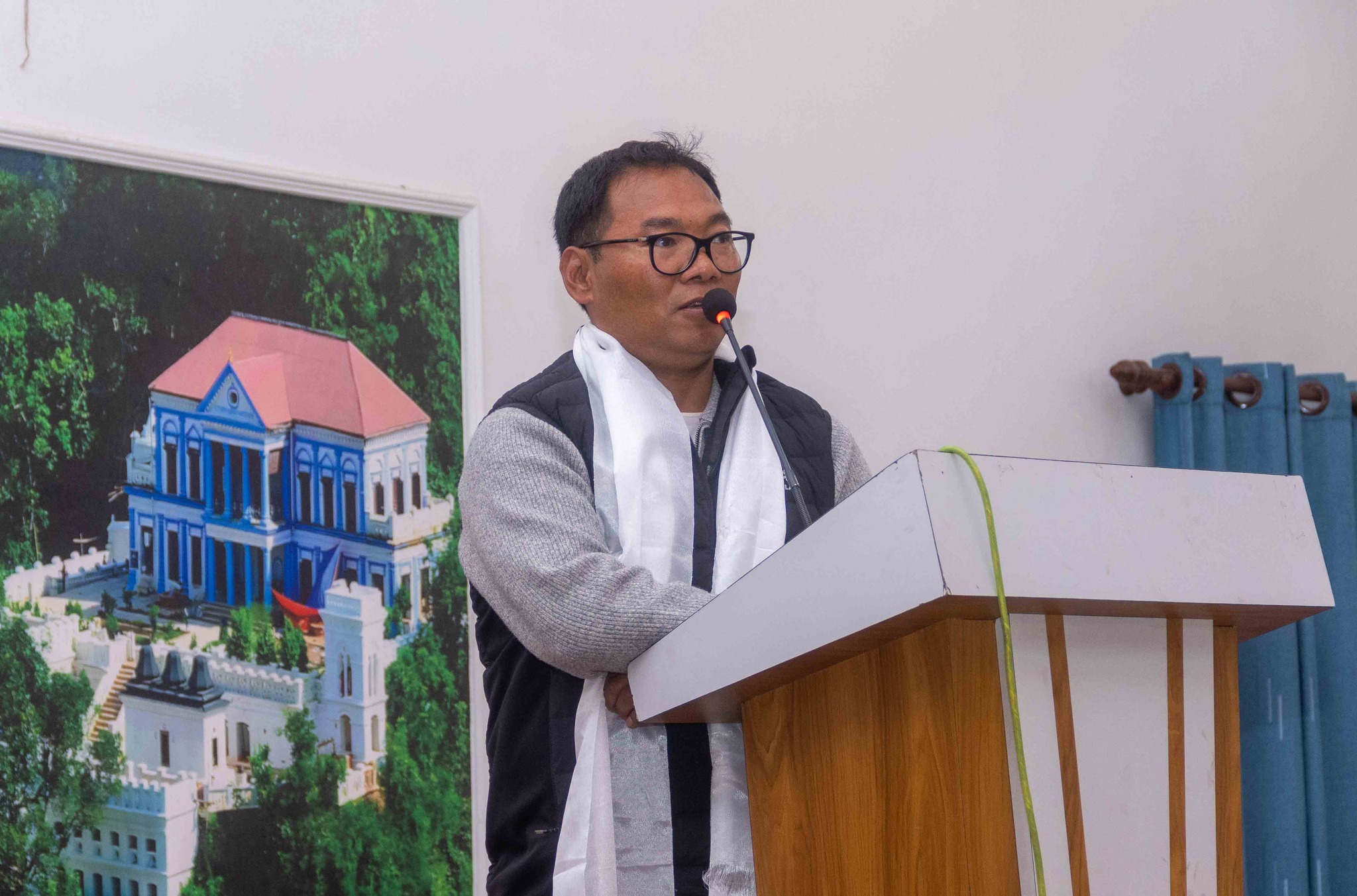
His agenda focuses on three core pillars:
- Infrastructure: Prioritising roads such as the Khandbari–Chainpur–Kimathanka corridor, improving rural connectivity, and ensuring transparent, corruption-free tender processes.
- Tourism-led economy: Using his international marketing experience to promote Makalu and surrounding regions as premium destinations, creating local employment.
- Inclusive development: Addressing long-standing social gaps, particularly gender inequality.
A focus on women and equity
Sherpa has openly highlighted the gender gap in Sankhuwasabha, citing the 2021 (2078 BS) census data, Sherpa points to the sharp gender gap in Sankhuwasabha (Male literacy: 86.4% vs. Female: 72.9%). He pledges targeted investments in women’s education, STEM scholarships, economic empowerment, and a zero-tolerance approach to gender-based violence.
“Equality cannot remain a slogan,” he says. “It must be measurable, enforceable, and accountable.”
A different political promise
Rejecting traditional rhetoric, Mingma Sherpa speaks of a “citizen contract”—a political culture where promises are tied to responsibility and consequences.
“I’ve lived my life where mistakes cost lives,” he says. “Politics should carry the same seriousness.”
As Sankhuwasabha prepares for the polls, voters are weighing an unusual candidate, one whose leadership was forged above 8,000 metres, and whose next test lies not on a summit, but in Parliament.
For Mingma Sherpa, the climb continues, this time, for representation, reform, and results.

Comment