

 °C
°C Historic first ascent of Mt. Pathibhara achieved via South-East face
.jpeg)
Expedition charts new technical route in eastern Nepal’s Kanchenjunga–Taplejung region
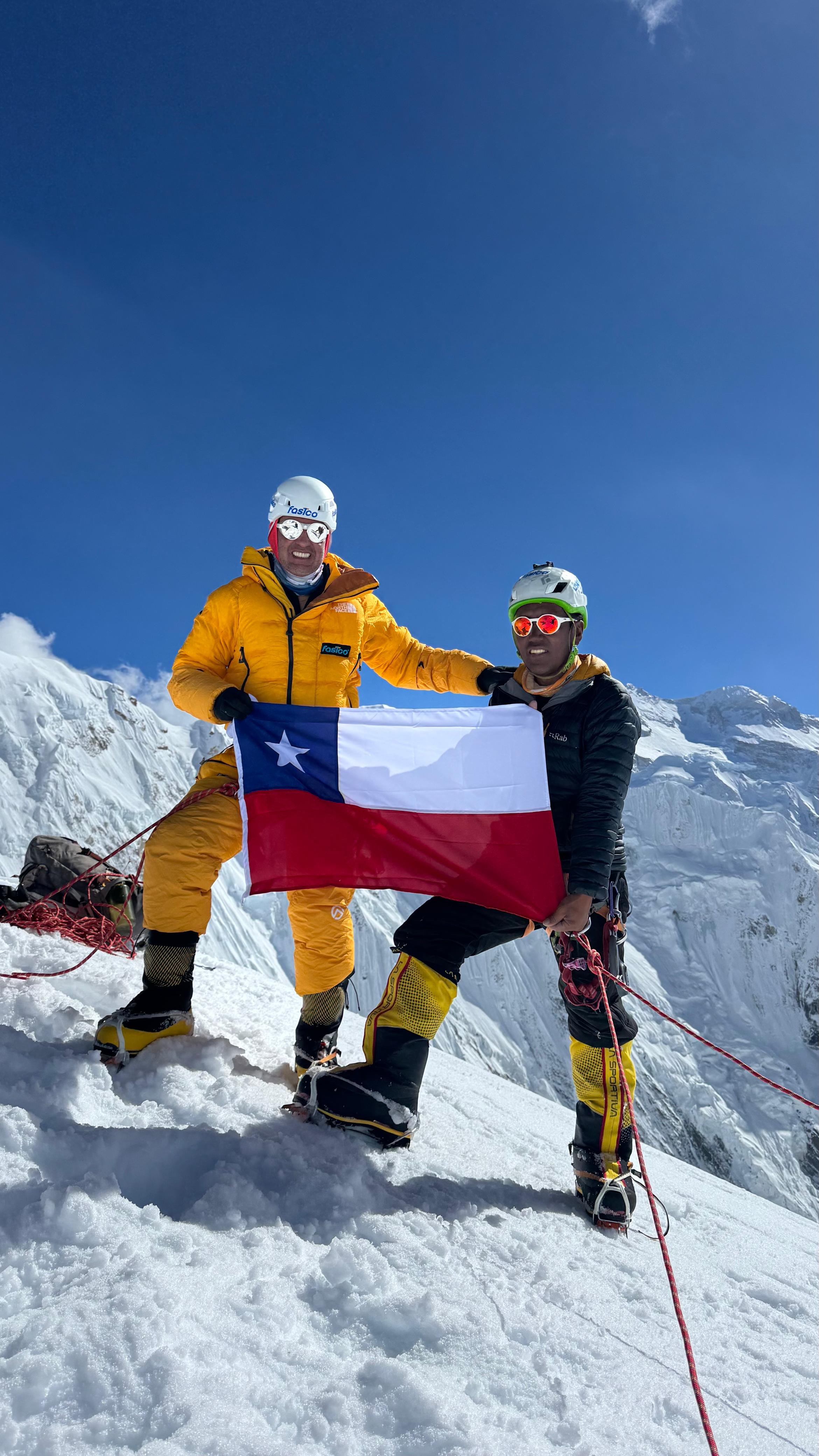
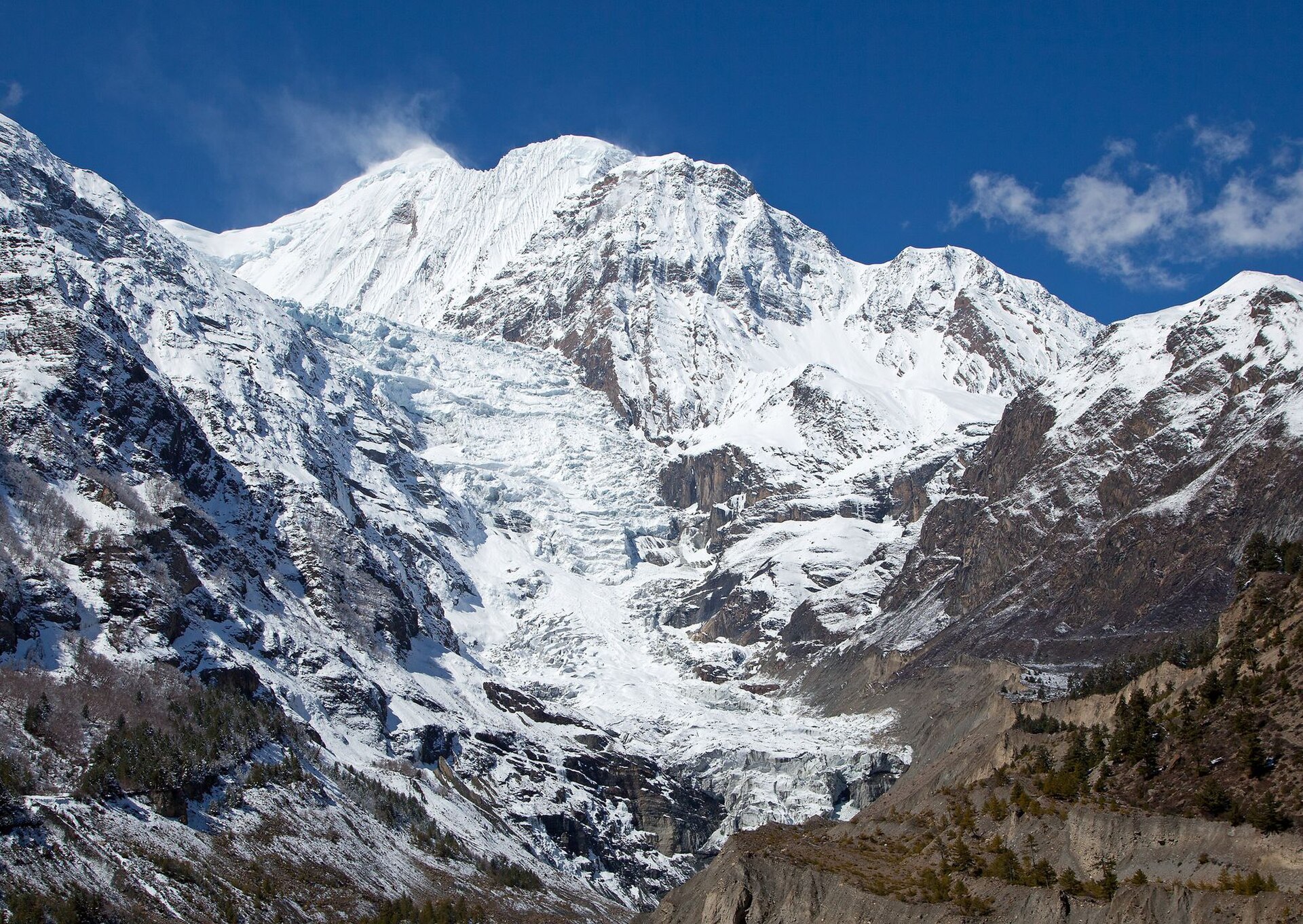
KATHMANDU: A five-member expedition has completed the first recorded ascent of Mt. Pathibhara (6,686 m) in eastern Nepal, pioneering a challenging route along the South-East Face.
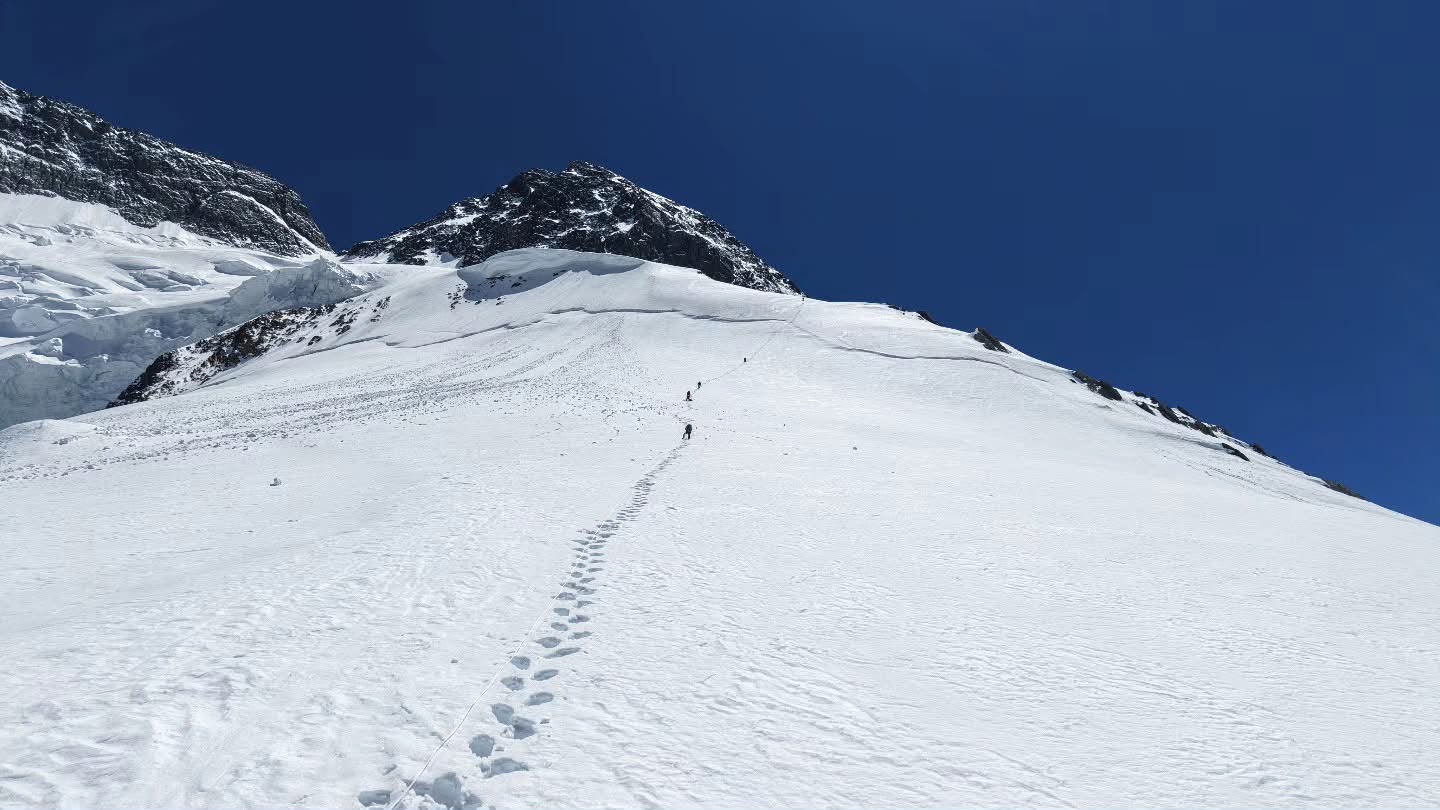
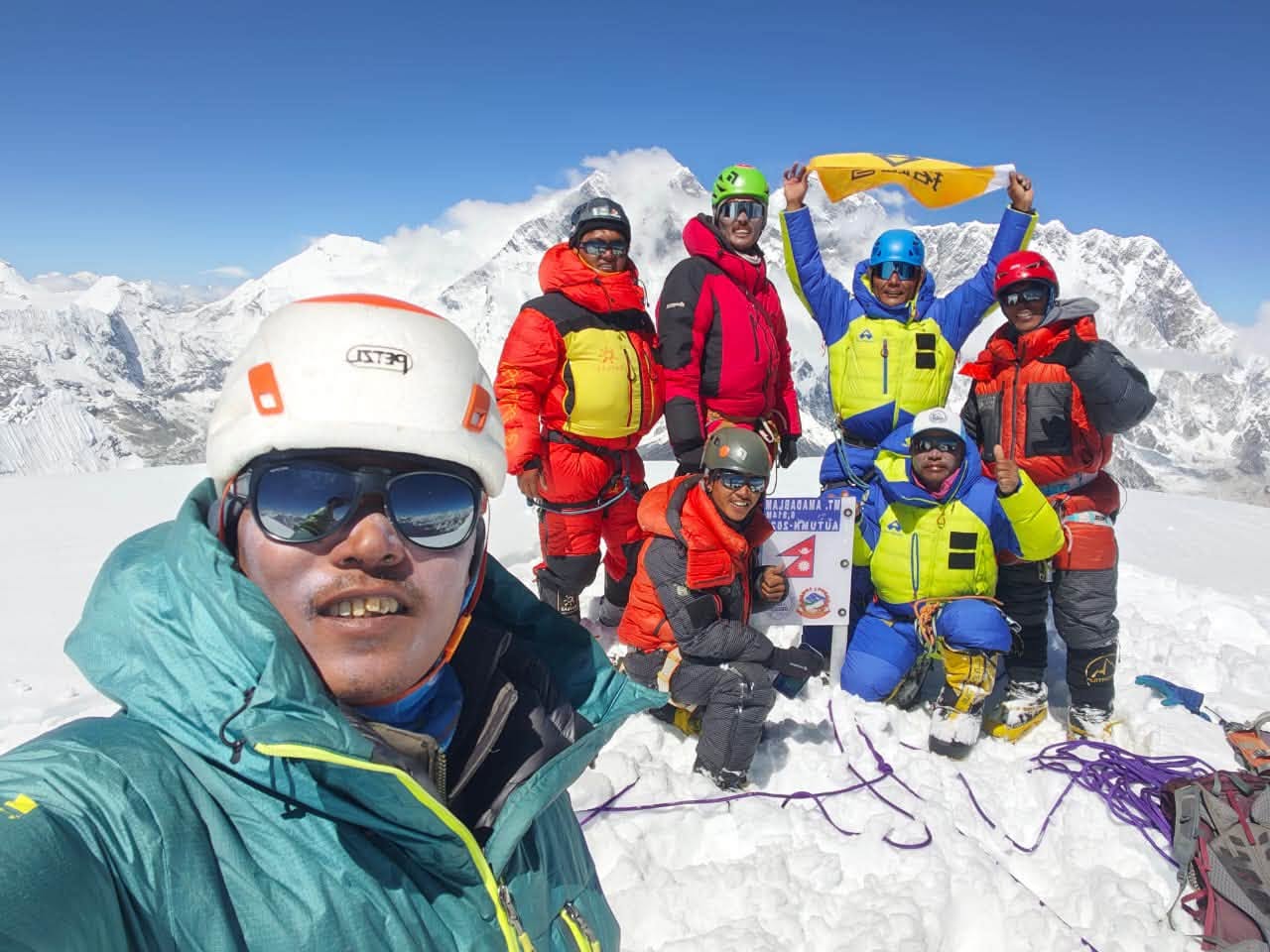
The summit was reached on October 14 at 1:50 p.m. after an 11-hour climb over steep, mixed terrain of ice, rock, and snow, graded TD/7 in technical difficulty. The team descended along the same line, using fixed protection and controlled rappels to navigate exposed and crevassed sections safely.
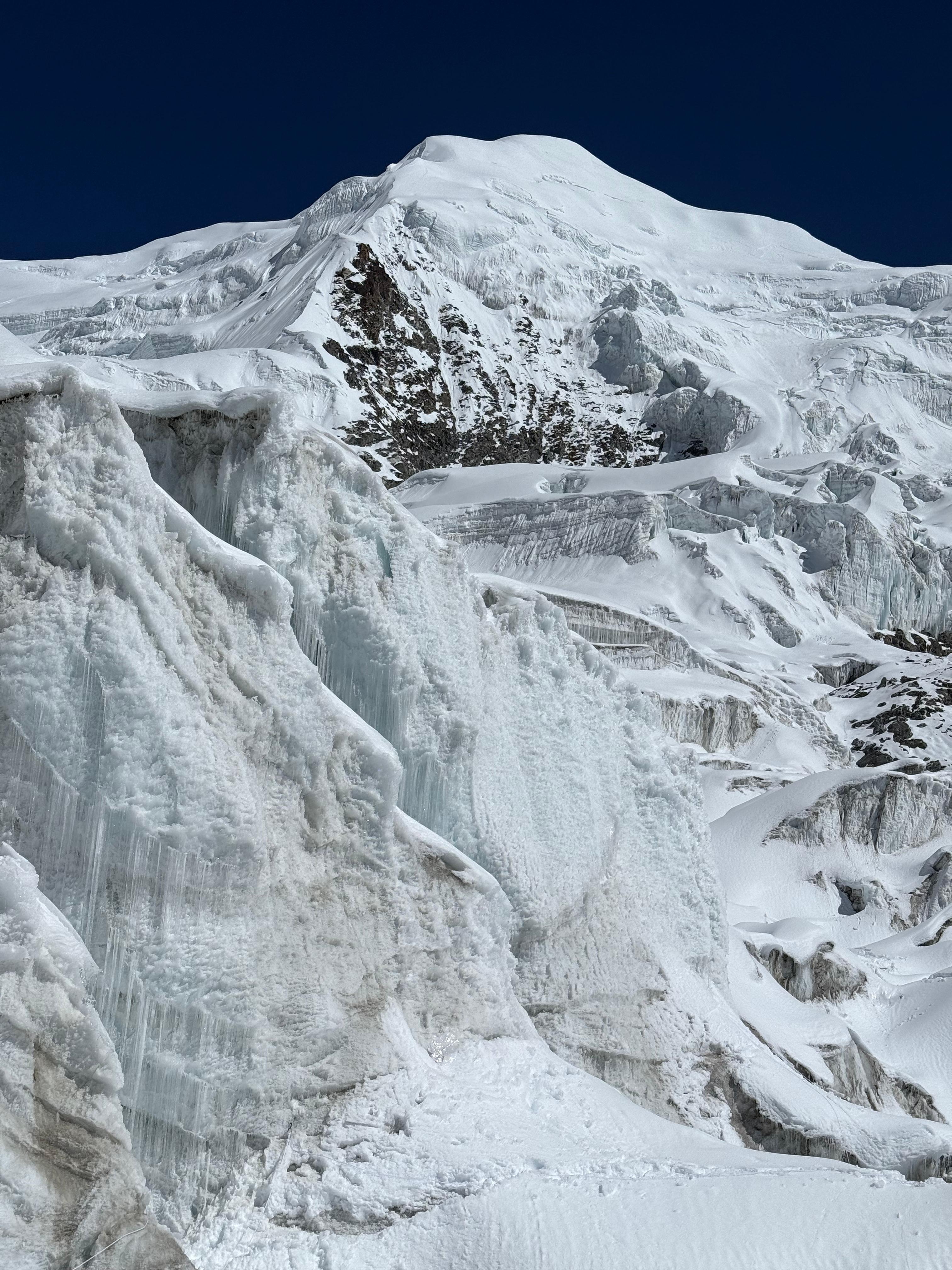
Mt. Pathibhara, officially opened for mountaineering in 2025, is located in the Kanchenjunga–Taplejung region at coordinates 27°48′50″ N / 88°11′12″ E.
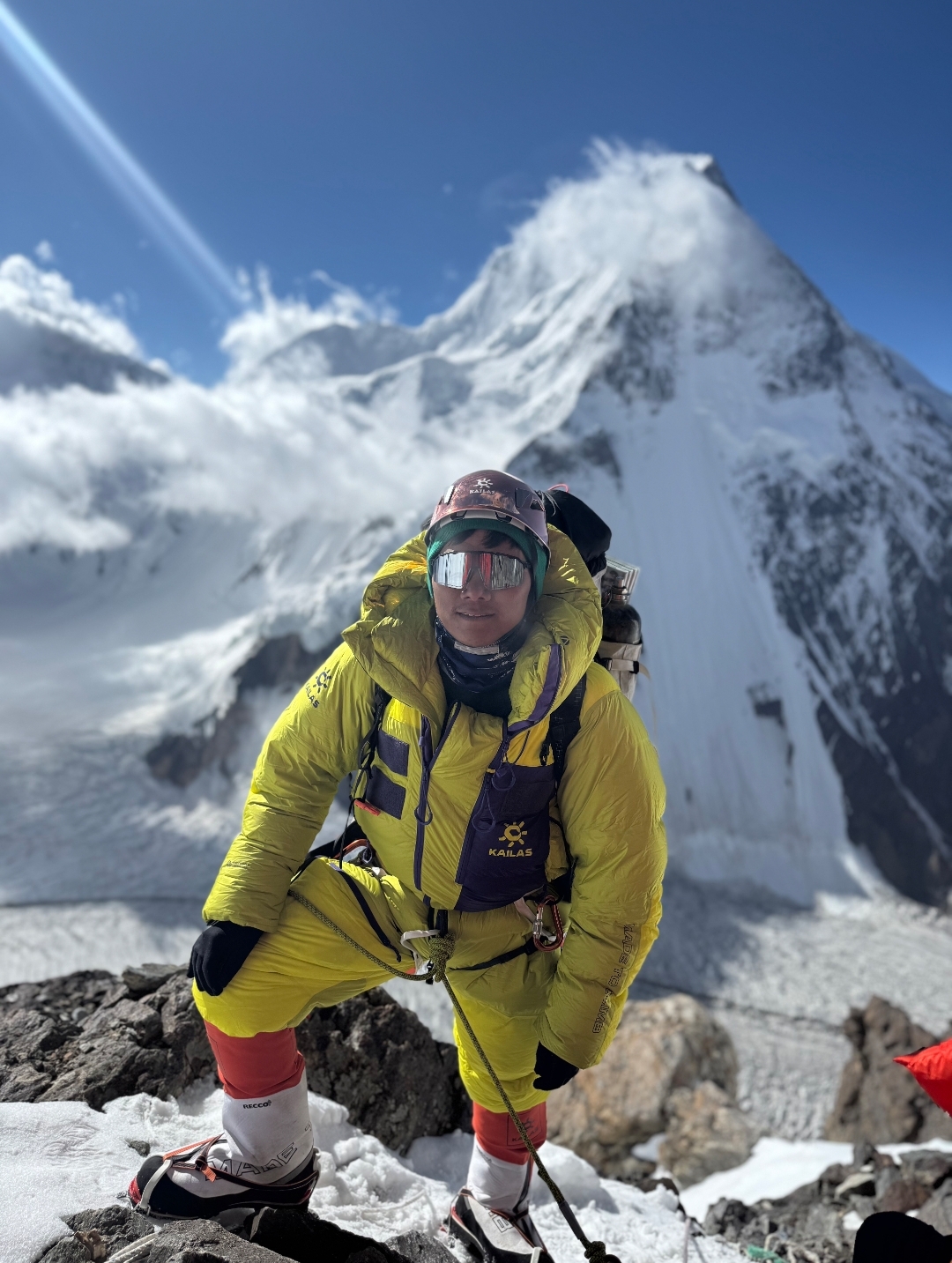
The expedition, organized by Xtreme Climbers Treks & Expeditions, began on September 21 under the leadership of Chilean climber Hernán David Leal Barrientos, supported by Nepali Sherpas Lakpa Chhiri Sherpa, Lhakpa Chhiring Sherpa, Kunga Gyaju Sherpa, and Pema Tasi Tamang.
.jpeg)
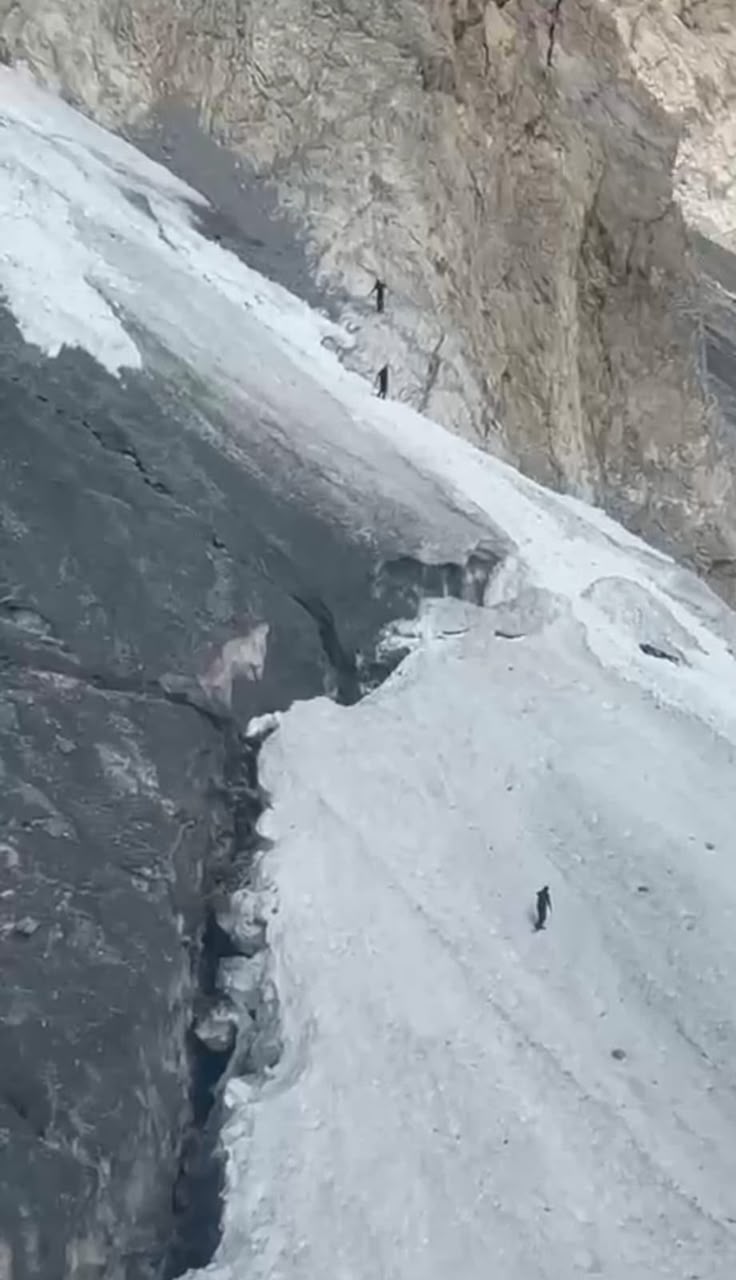
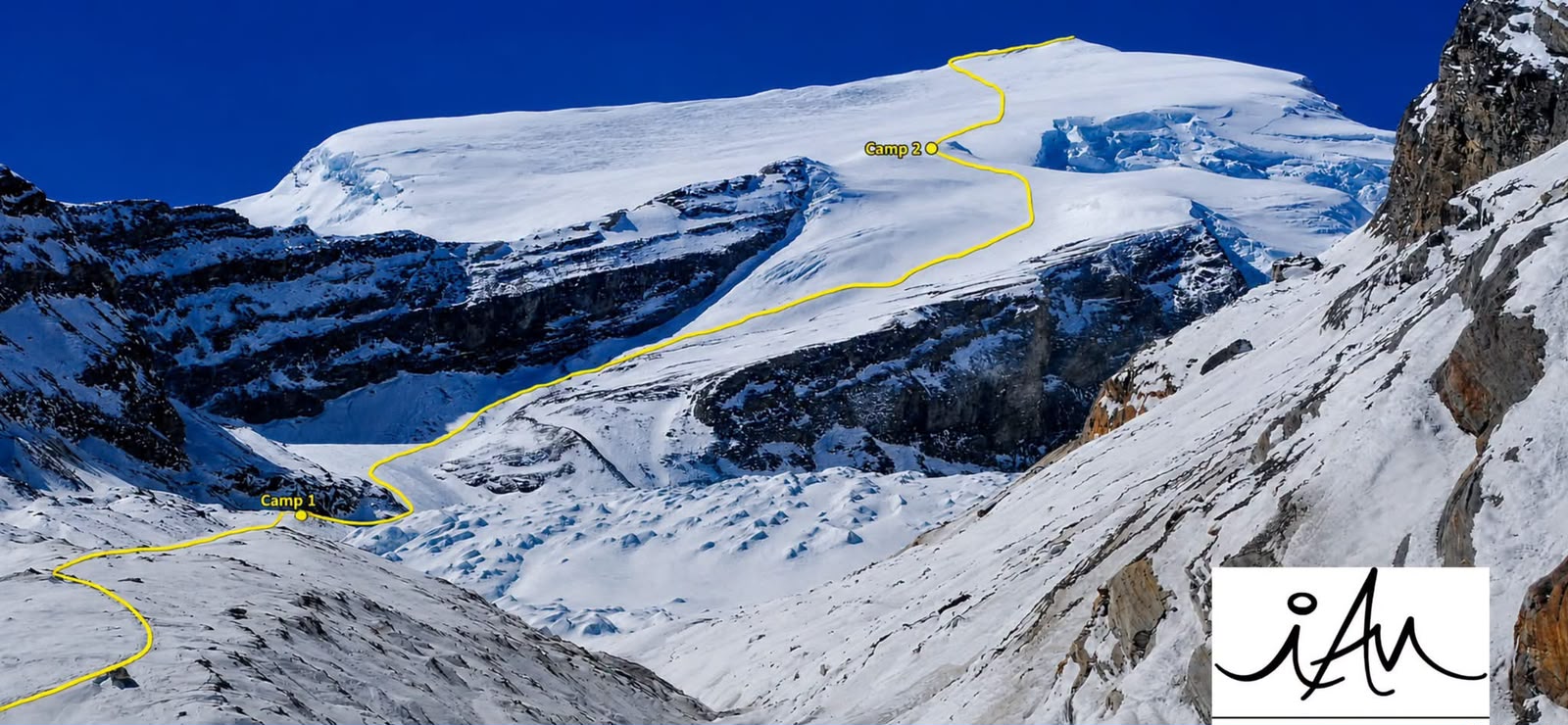
The expedition established a new route via the South-East Face, negotiating unstable rock, loose scree, exposed ice flutings, and glaciated slopes, marking the expedition as a true exploration endeavor from the outset.
During the approach and reconnaissance, the team studied topographic maps to locate Pathibhara South-East (6,868 m), the summit listed on their official permit. Initially, a nearby peak labeled Pathibhara East (6,857 m) appeared to match, prompting reconnaissance on October 1 by Sonam, Kunga, and Lhakpa, while the expedition leader and another Sherpa conducted acclimatization climbs on nearby 6,000-meter peaks and monitored the regional weather.
A snowstorm forecast for October 4 led the team to return to Base Camp for safety. During the storm, satellite-based topographic data revealed a previously unnamed peak near Pathibhara Main Peak (7,140 m) at 6,868 m, confirming it as the true South-East Peak.
A second reconnaissance on October 8 verified the correct route alignment. Despite losing some equipment cached at Pathibhara East, the team pressed on toward the South-East Face, adopting a hybrid approach in which only the most technical sections were fixed, with roughly 90 percent of the climb completed in pure alpine style.
.jpeg)
The climb involved establishing multiple camps. Base Camp (5,150 m), set in a remote glacial basin, served as the operations and acclimatization hub. High Camp (5,408 m) was reached after a six-hour climb over steep, unstable terrain.

Camp I (5,747 m) was located on a broad glacier plateau after negotiating fractured ice ridges and loose moraine, with considerable exposure to avalanches and crevasses, approximately three hours from High Camp.
.jpeg)
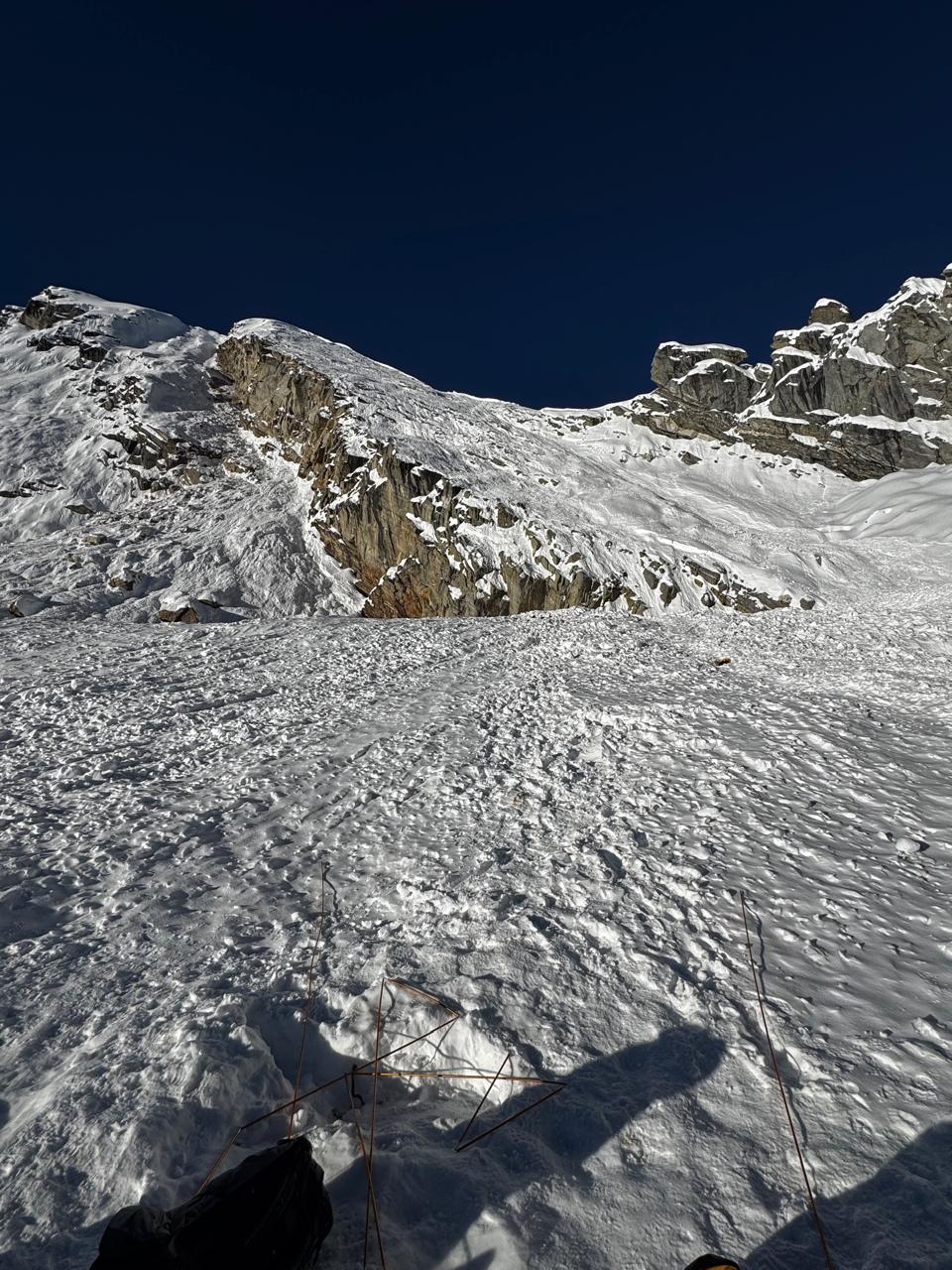
Camp II (5,845 m) was positioned beneath the steepest section of the South-East Face, requiring sustained mixed climbing on near-vertical ice and snow, around two hours from Camp I.

The summit (6,686 m) was achieved following 11 hours of highly technical climbing across ice, rock, and snow ridges.
.jpeg)
For expedition leader Hernán Leal, the Pathibhara success marked his second Himalayan first ascent in 2025. Earlier this year, on March 25, he became the first person to summit Mt. Sharphu IV (6,433 m), also with Xtreme Climbers.
The successful first ascent of Mt. Pathibhara via the South-East Face highlights the technical potential of eastern Nepal’s peaks and underscores the Kanchenjunga–Taplejung region as a destination for alpine-style expeditions. Offering remote terrain, uncluttered routes, and pristine landscapes, the area presents opportunities for sustainable adventure tourism.




Comment