Climbing

Icefall Doctors head to Everest Base Camp as SPCC steps up waste rules for Spring 2026
Icefall
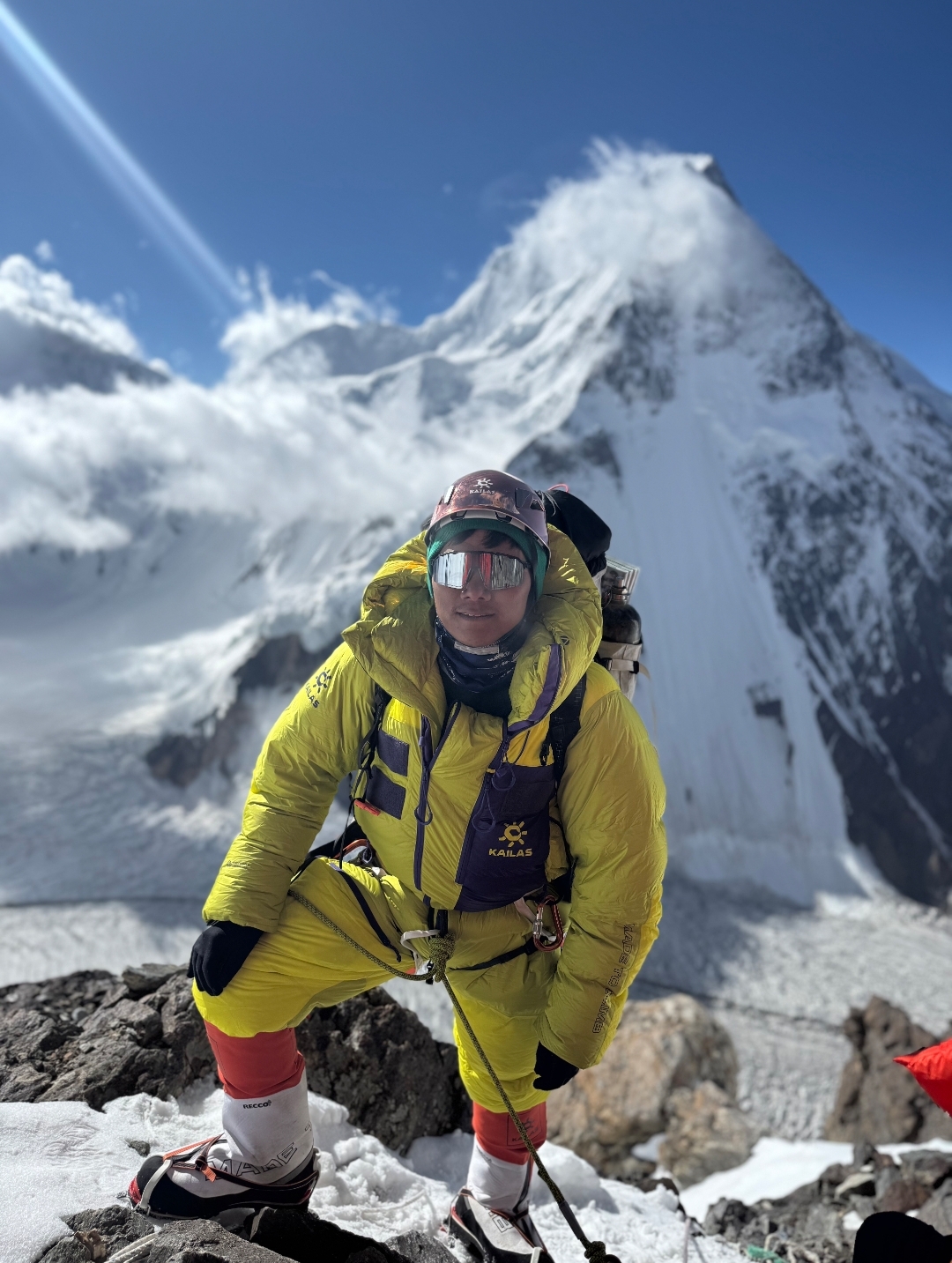
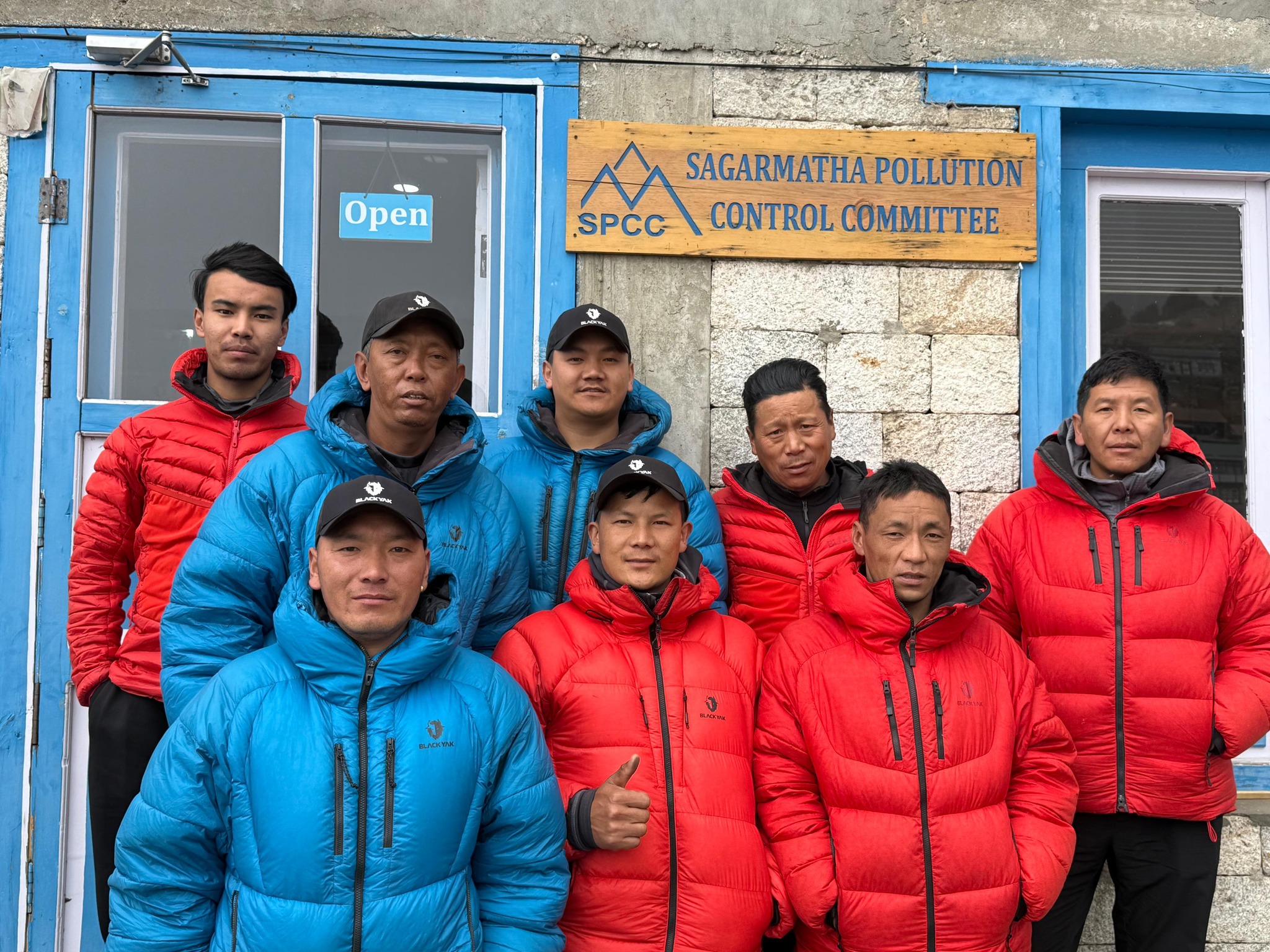
Icefall Doctors . Photo: SPCC
By Tourism Times
Published at : 1 Mar 2026, 11:33 AM

Route fixing to begin after March 16 puja; at least 400 foreign climbers expected on Mt Everest

NAMCHE BAZAAR: Preparations for the Spring 2026 climbing season on Mount Everest have formally begun, with the Sagarmatha Pollution Control Committee (SPCC) dispatching its Icefall Doctors team to Everest Base Camp.

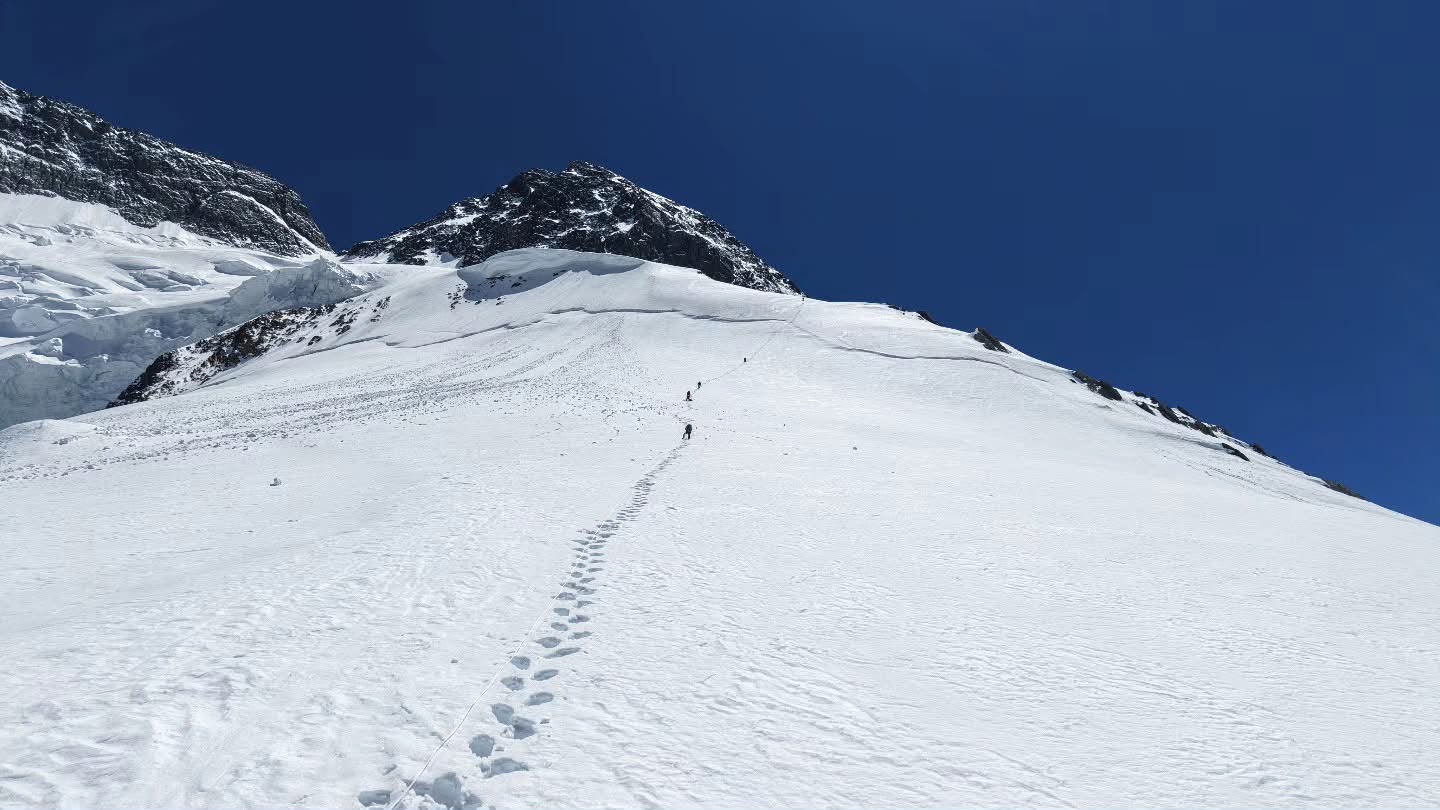
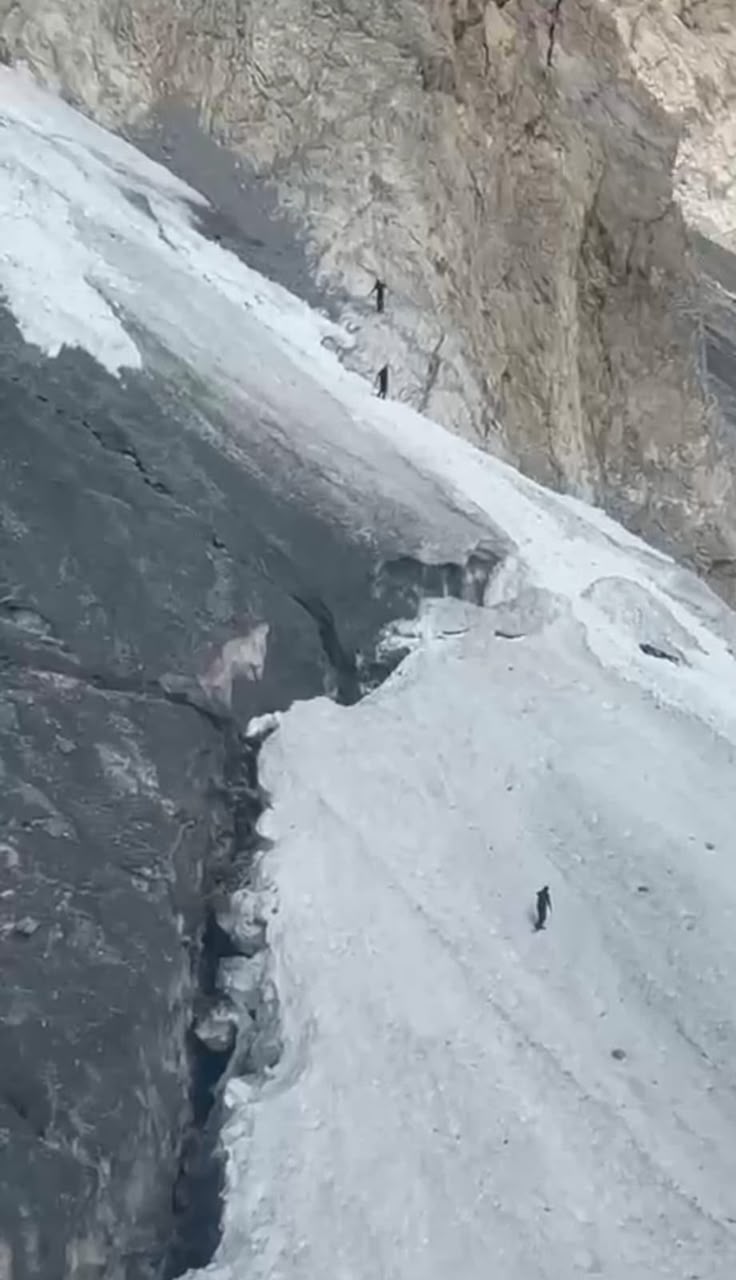
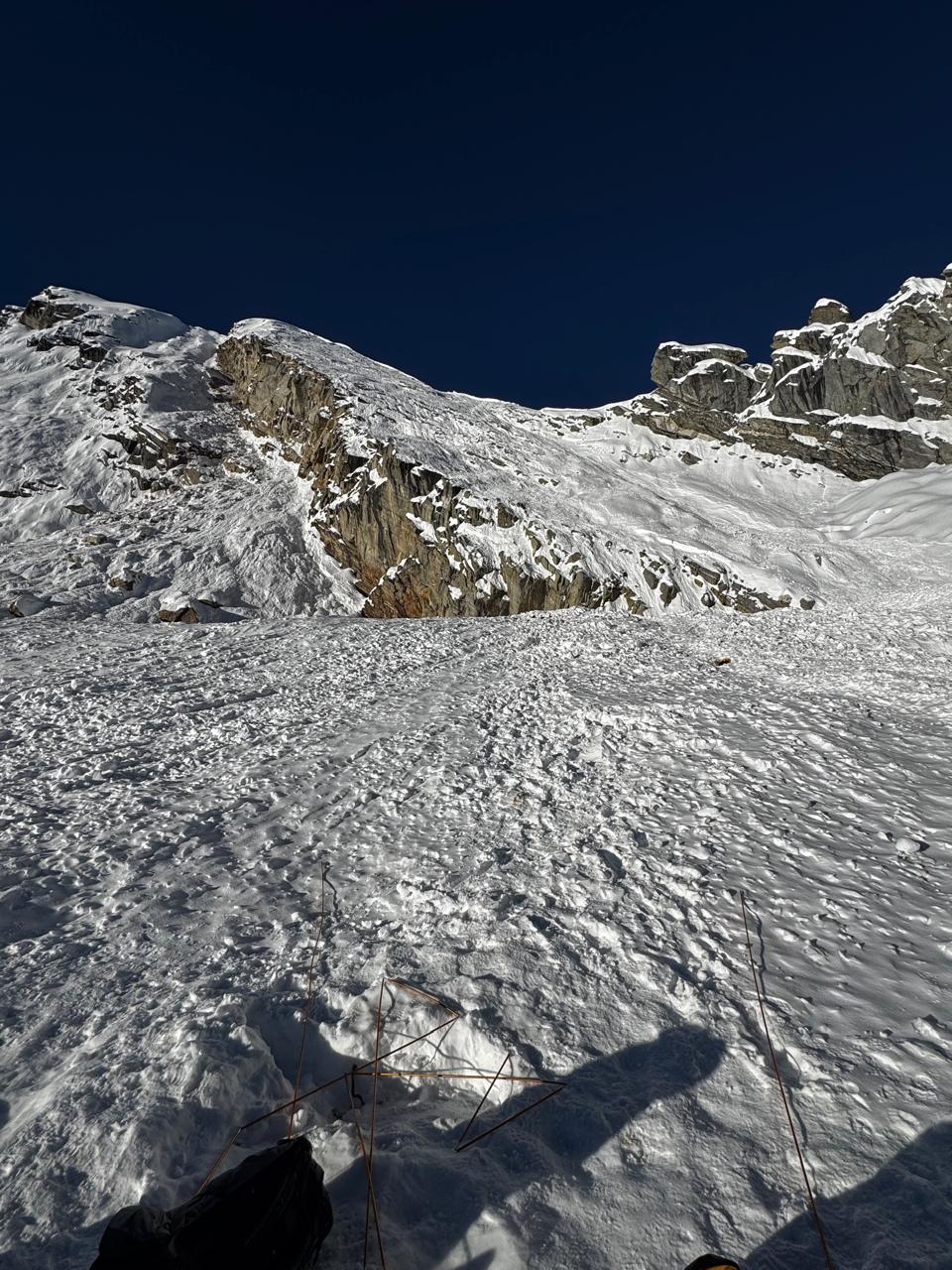
The team departed from SPCC's head office in Namche Bazaar on Saturday and is en route to base camp. From March 5 to 10, the Icefall Doctors will undergo refresher training conducted by instructors from the Khumbu Climbing Center. A traditional puja ceremony is scheduled for March 16, after which the team will begin fixing the route through the Khumbu Icefall — widely regarded as the most technically challenging section of the Everest ascent, between Base Camp and Camp II, due to shifting ice and deep crevasses.

The Spring 2026 team is led by Ang Sarki Sherpa as chief leader and Dawa Jangbu Sherpa as team leader, under Base Camp Manager Tshering Tenzing Sherpa. Ang Sarki is from Sewangma village of Khumbu Pasang Lhamu Rural Municipality and has been working as icefall doctor since 2008.

Other team members includes Tendu Sherpa, Ngima Tenji Sherpa, Phura Chheten Sherpa, Dawa Chhirri Sherpa, Sonam Geljen Sherpa and Mingma Gyaljen Sherpa. Black Yak is providing equipment and technical gear for the team this season.

The team will remain stationed at SPCC's Base Camp office for the next three months, ensuring safe passage for climbers on Everest, Lhotse and Nuptse. 

Expedition operators estimate at least 400 foreign climbers will attempt Everest this spring.

Poop bags to be enforced this season
This spring, SPCC plans to strictly enforce the use of its own poop bags on each expedition. CEO Tshering Sherpa said the committee is consulting with expedition operators and government officials on how to implement the mandatory provision effectively.

"We are also consulting with the expedition operators and concerned officials on how the mandatory poop bag provision should be implemented to make Everest clean in the spring climbing season," he said.

The push reflects growing concern over human waste on the mountain, one of several environmental pressures intensifying alongside rising expedition traffic in the Khumbu region.

Broader conservation drive
Established in 1993 by the Sherpa community and entrusted by the Department of Tourism with fixing the Khumbu Icefall route every season since 1997, SPCC plays a central role in waste management across Khumbu Pasang Lhamu Rural Municipality, including Sagarmatha National Park and its buffer zone.

In a wider effort to address mounting environmental pressures, SPCC and WWF Nepal have launched the Swachya Sagarmatha: Sustainable Waste Management for Clean Himalaya project — a three-year initiative with a budget of Rs 80 million funded by the Thomas L. Kempner Jr. Foundation. The project aims to strengthen waste segregation, recycling systems, electronic waste management and material recovery facilities along the Everest Base Camp trekking corridor from Lukla to Gorakshep.

"For over three decades, SPCC has been at the forefront of waste management in the Everest region. But the scale and complexity of waste is growing rapidly," said Sherpa. 
"This project strengthens our community-led model by improving infrastructure, advancing recycling practices and empowering local people with the skills and knowledge they need to protect our mountains."

Tourist arrivals to the Everest region have surged from around 20,000 in 1998 to over 55,000 in 2024, intensifying environmental pressure in the high Himalaya. Tourism remains the primary source of livelihood in the Khumbu region.

In a parallel effort, SPCC has partnered with Leave No Trace Korea to provide environmental training to climbers and field staff. A recent one-day session in Lukla saw 22 participants, including Icefall Doctors, receive instruction on minimising environmental impact in the Everest region.

Spring is Nepal's main climbing season, when expeditions attempt Everest, Lhotse, Makalu, Kanchenjunga and Nuptse, among others.

Tags: #Travel

Comment