The Tourism Times | Breaking tourism-related news from Nepal and beyond
°C
Climbing
Nepal revises mountaineering royalty and insurance provisions
By
Tourism Times
Published at : 4 Feb 2026, 3:55 PM
KATHMANDU: The Government of Nepal has updated its mountaineering royalty and insurance provisions, outlining revised financial and regulatory requirements for climbers based on nationality, mountain category, climbing route, and season.
Under the updated provisions, mountaineering royalties are charged per climber and vary according to the mountain’s height and the season. For foreign climbers, the royalty for Mount Everest via the normal route has been fixed at USD 15,000 in spring, USD 7,500 in autumn, and USD 3,750 in winter and summer. Climbers using other Everest routes will pay USD 10,000 in spring, USD 5,000 in autumn, and USD 2,500 in winter/summer. For other peaks above 8,000 metres, excluding Everest and Manaslu, the royalty has been set at USD 3,000 for spring, USD 1,500 for autumn, and USD 750 for winter/summer.
For Mount Manaslu (8,163 m), the fee is set at USD 1,500 for the spring season, USD 3,000 for autumn, and USD 1,500 for the winter/summer period. Peaks between 7,501 m and 7,999 m have a royalty of USD 1,000 for spring, USD 500 for autumn, and USD 250 for winter/summer. For summits from 7,001 m to 7,500 m, the fee is USD 800 in spring, USD 400 in autumn, and USD 200 in winter/summer.
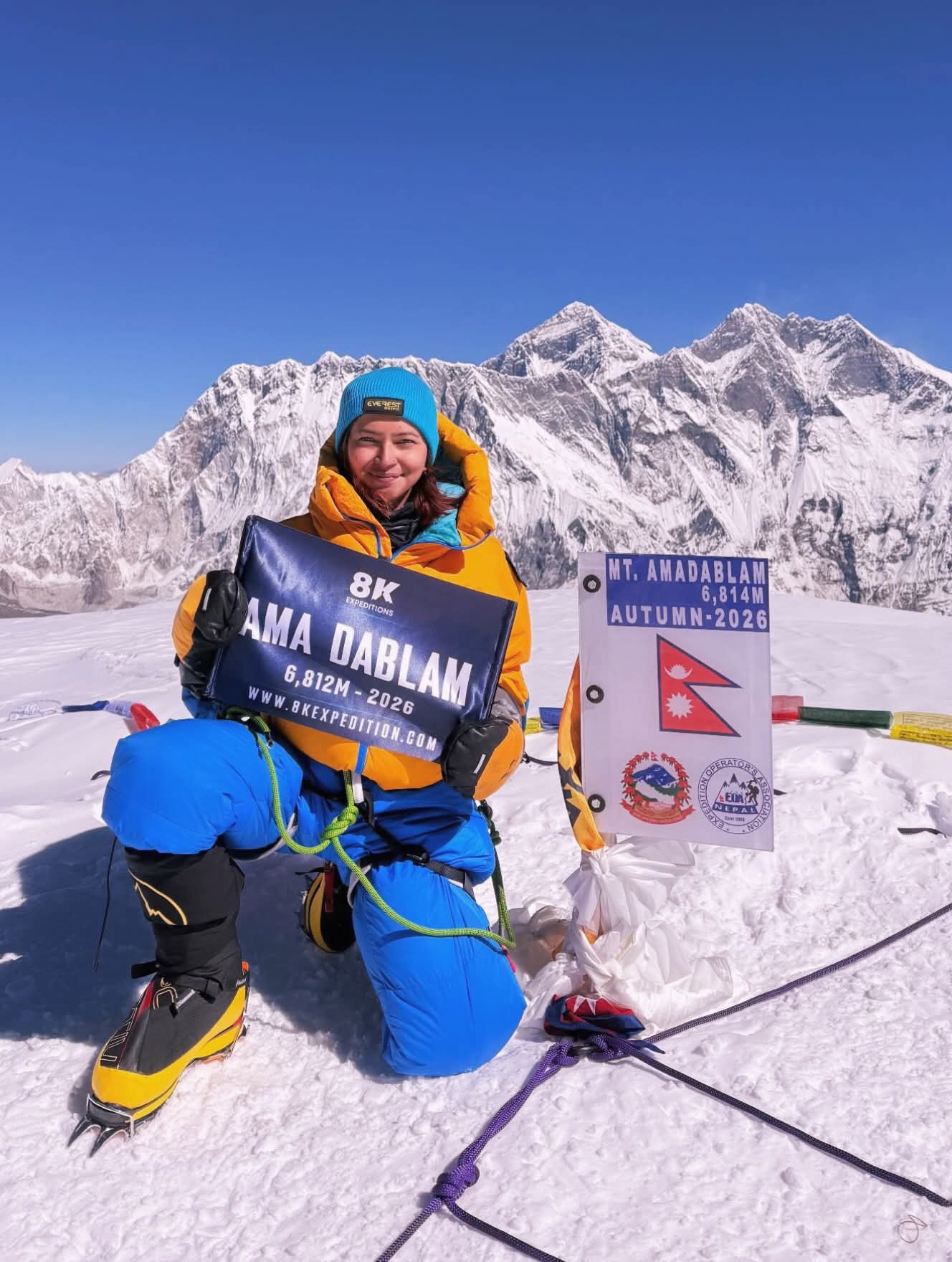
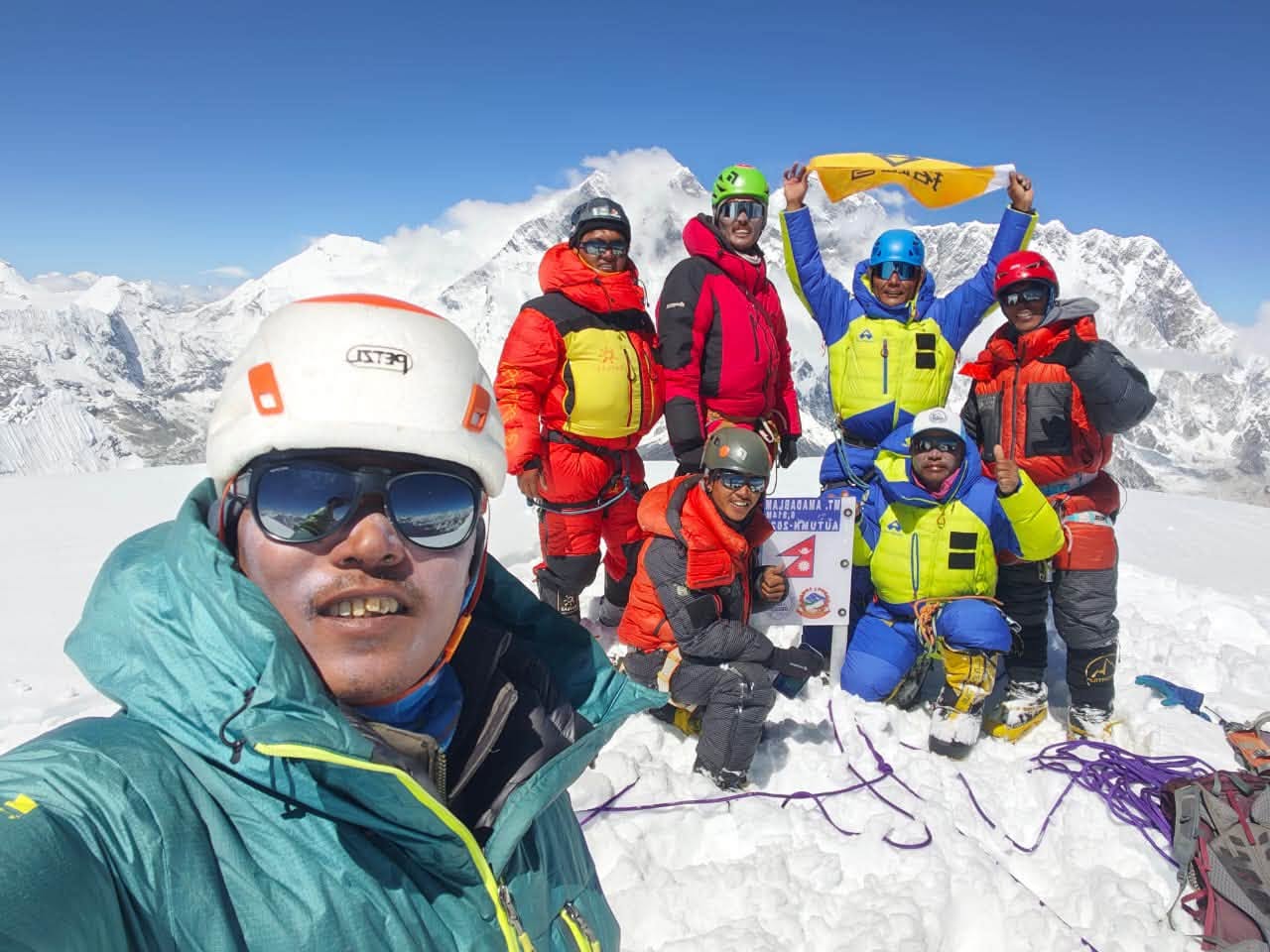
Climbers aiming for peaks from 6,501 m to 6,999 m will pay USD 500 in spring, USD 250 in autumn, and USD 200 in winter/summer. For Mount Ama Dablam (6,812 m), a special rate of USD 1,000 applies for both spring and autumn, with USD 500 charged in winter/summer. Finally, for peaks below 6,500 m, the royalty is fixed at USD 350 for spring and USD 175 for both autumn and winter/summer seasons.
For Nepali climbers, the royalty for Everest via the normal route has been fixed at Rs 150,000 in spring, Rs 75,000 in autumn, and Rs 37,500 in winter and summer. For Everest climbs via other routes, the fees are set at Rs 100,000 in spring, Rs 50,000 in autumn, and Rs 25,000 in winter and summer. Fees for other peaks have been adjusted accordingly, with lower rates applied to mountains below 8,000 metres.
The government has defined the climbing seasons as spring (March–May), summer (June–August), autumn (September–November), and winter (December–February).
The updated provisions also mandate compulsory accident and medical insurance for all expedition personnel through companies recognized by the Government of Nepal. Minimum accident insurance coverage has been set at Rs 2 million for mountain guides and high-altitude workers, Rs 1.5 million for liaison officers and base camp workers, and Rs 500,000 for local workers. In addition, teams must provide medical insurance to cover minor injuries for all expedition staff, including the Sardar.
The revised royalty and insurance framework aims to strengthen regulation of mountaineering activities while ensuring better protection and welfare for climbers and support staff in Nepal’s high-altitude expeditions.


 °C
°C 

Comment