The Tourism Times | Breaking tourism-related news from Nepal and beyond
°C
Climbing
NMA recovers unidentified body from Khumbu Icefall in coordinated Everest operation
Screengrab
By
Tourism Times
Published at : 3 May 2026, 10:07 AM
KATHMANDU: The Nepal Mountaineering Association (NMA) has successfully recovered an unidentified climber's body from the Khumbu Icefall section of the Everest climbing route and transported it to Kathmandu for forensic identification, in a multi-agency operation concluded on May 2, 2026.
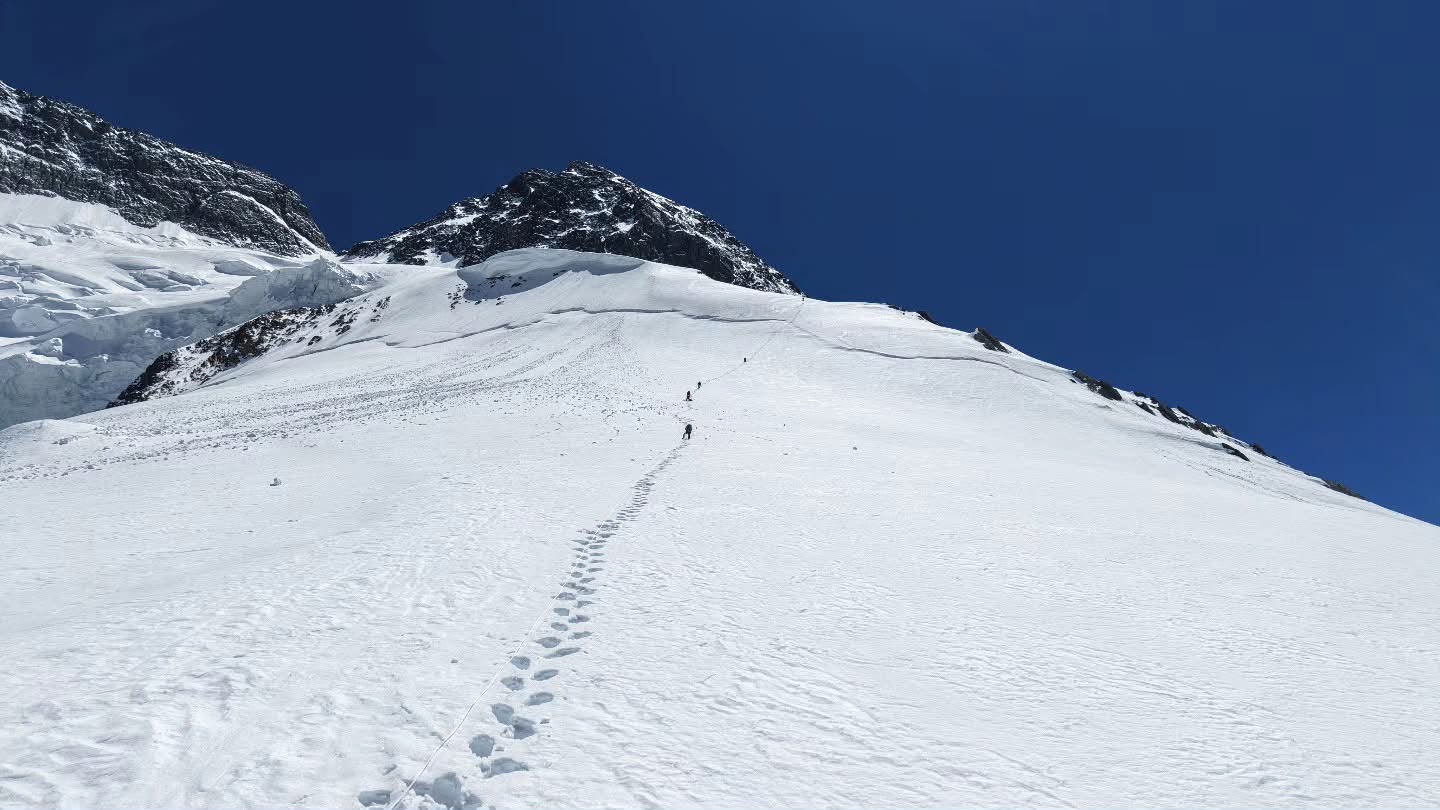
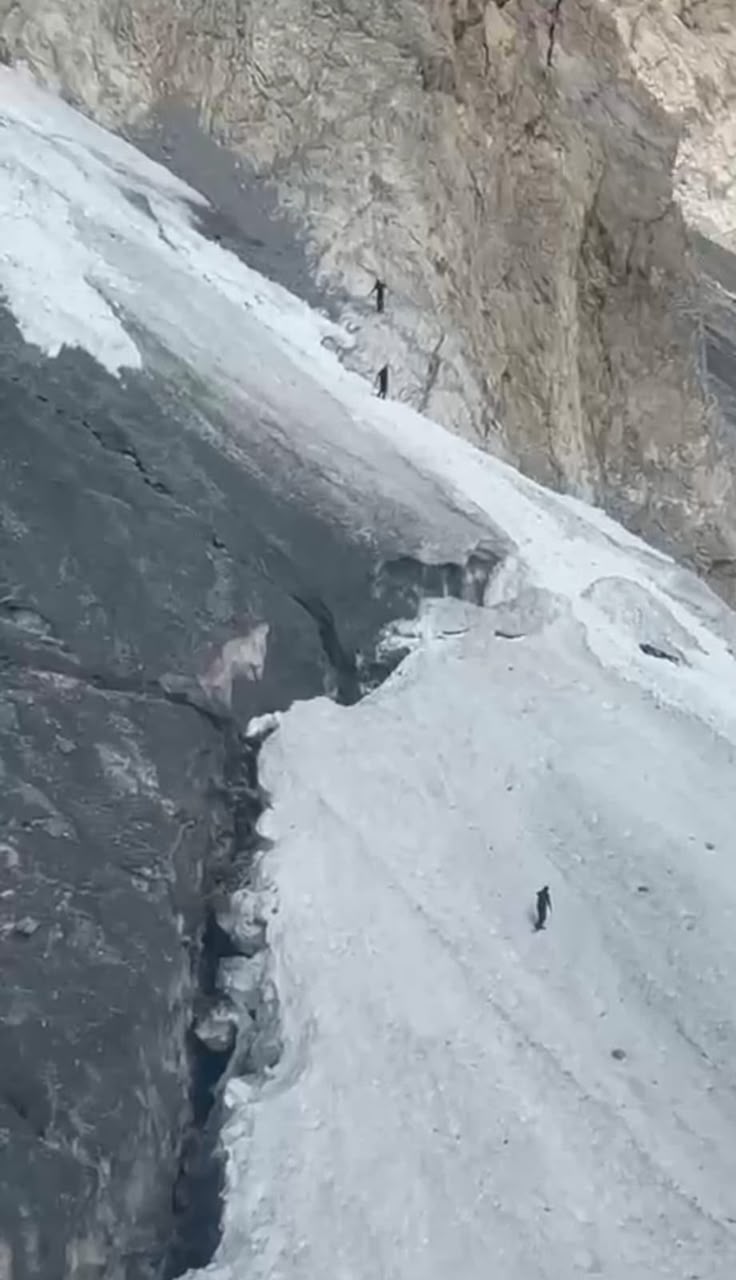
The body was discovered by the Icefall Doctors — the specialised team responsible for fixing and maintaining the route through the Khumbu Icefall — during routine operations on the trail from Everest Base Camp to Camp I. It was found partially buried under ice, lying directly on the primary climbing path, and presenting both a safety hazard and an environmental concern during the active spring climbing season.
Following a formal request from the Department of Tourism, NMA mobilised a recovery team of experienced climbing Sherpas at Everest Base Camp with logistical support from the Sagarmatha Pollution Control Committee (SPCC).
The body was extracted from the ice and brought to Base Camp on April 29. After a weather-delayed helicopter evacuation — the first attempt on April 30 was aborted — the body was successfully airlifted to Lukla on May 1, where a post-mortem was conducted by local authorities. It was transferred to Kathmandu's Teaching Hospital the following morning.
The identity of the deceased remains unknown. On-site identification attempts involving Icefall Doctors and fellow climbers at Base Camp proved unsuccessful. NMA will cross-reference historical records of climbers who perished on Everest in past seasons, and DNA testing is anticipated to provide a definitive identification.
The operation was conducted with the formal consent of the Ministry of Culture, Tourism and Civil Aviation and in coordination with the Nepal Tourism Board. NMA President Phur Gelje Sherpa credited the Department of Tourism, Nepal Tourism Board, and SPCC for enabling the recovery, describing it as a contribution to the preservation of dignity, safety, and environmental integrity in the Himalayan region.


 °C
°C 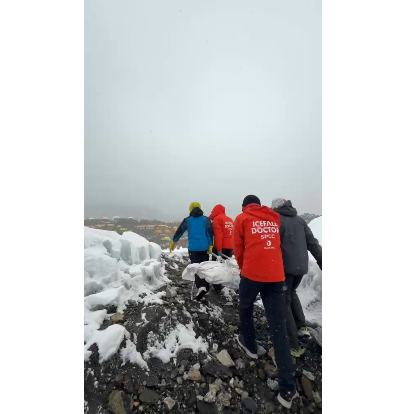
Comment