

 °C
°C NMA suspends Professional Mountain Guide Training after industry backlash
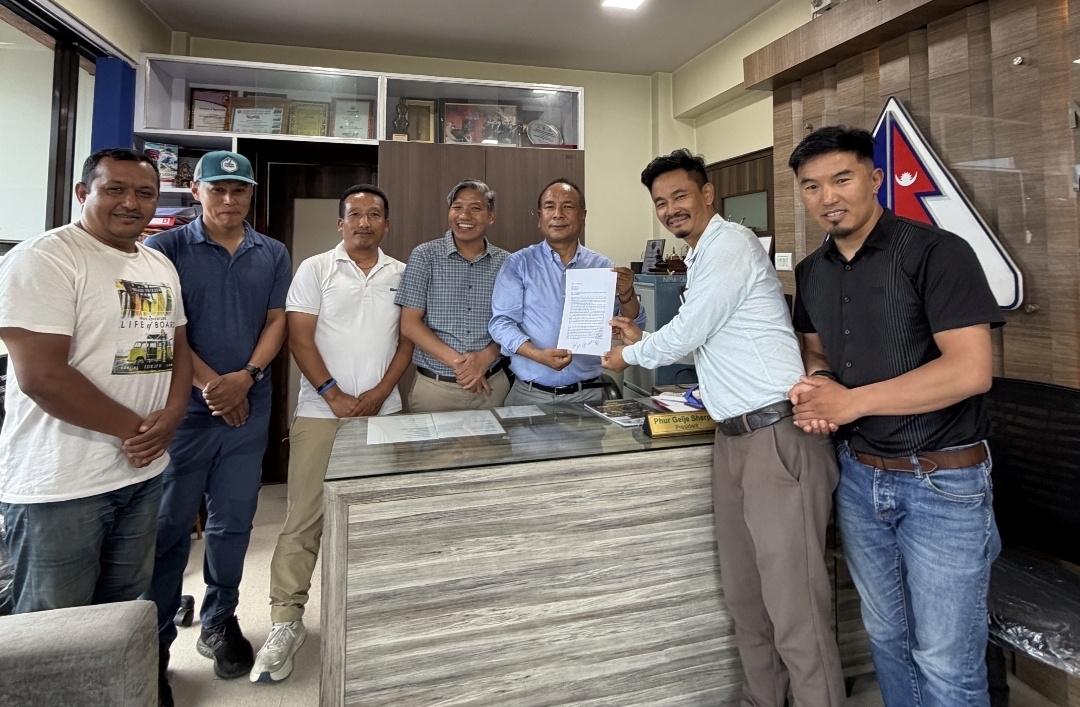
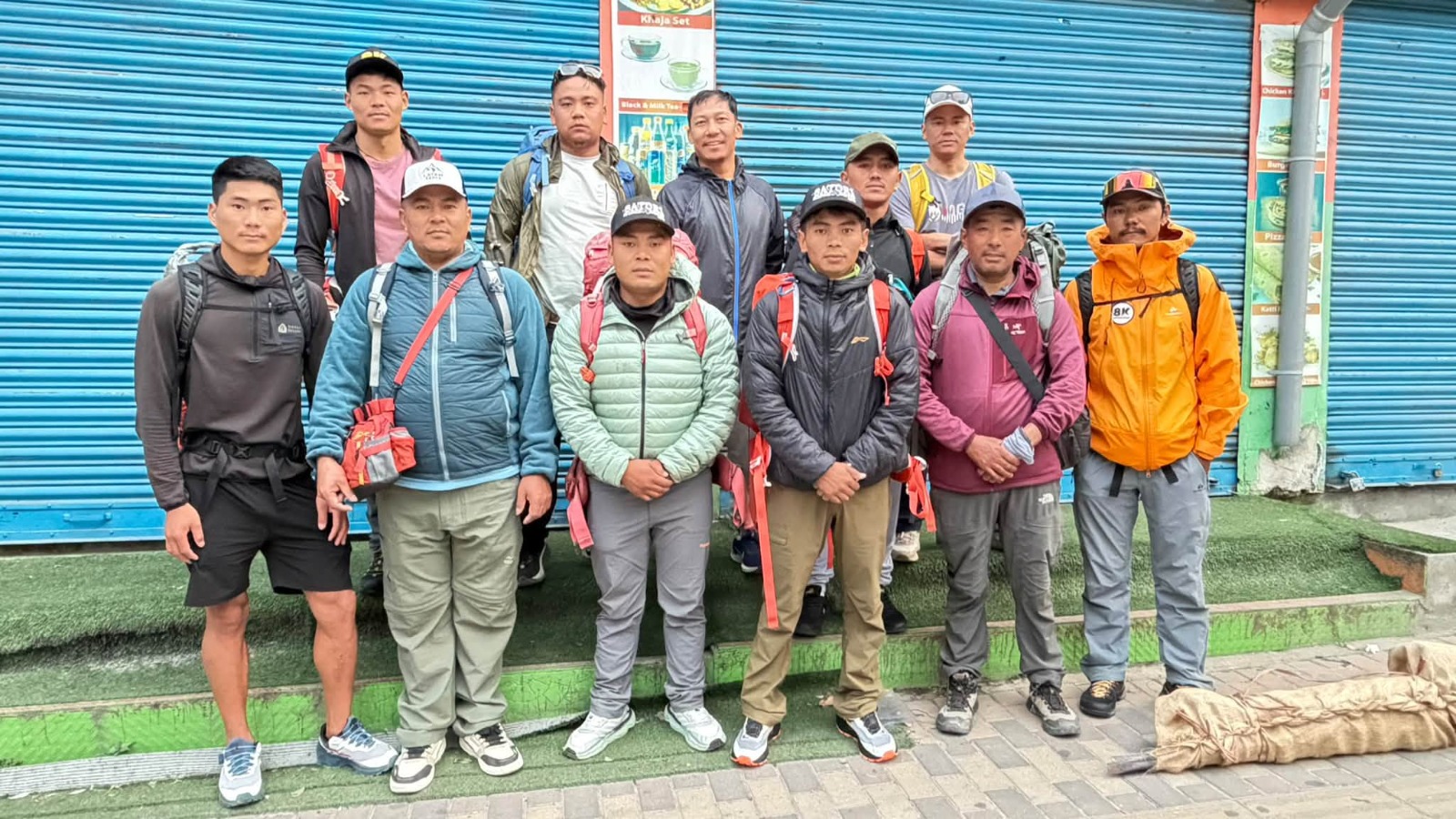
KATHMANDU: The Nepal Mountaineering Association (NMA) has suspended the second summer phase of its Professional Mountain Guide (PMG) Training 2026 until further notice, following weeks of mounting criticism from Nepal's mountaineering community over the programme's design, approval process and departure from the country's long-established guide training system.
In a notice issued on July 27, NMA General Secretary Rajendra Bahadur Lama said the decision was taken on the instruction of President Fur Gelje Sherpa, with the consent of Acting President Bodharaj Bhandari, Mountaineering and Training Expedition Committee Convener Furi Geljen Sherpa, and Central Executive Board members Bikram Karki and Sandesh Sherpa. The association apologised for the inconvenience caused by the postponement.
New course reignites debate over guide training
At the heart of the controversy was the NMA's decision to introduce the new 1,696-hour Professional Mountain Guide course while its long-running Basic Mountaineering Course (BMC) and Advanced Mountaineering Course (AMC)—the traditional pathway for guide development—have remained suspended since 2019.
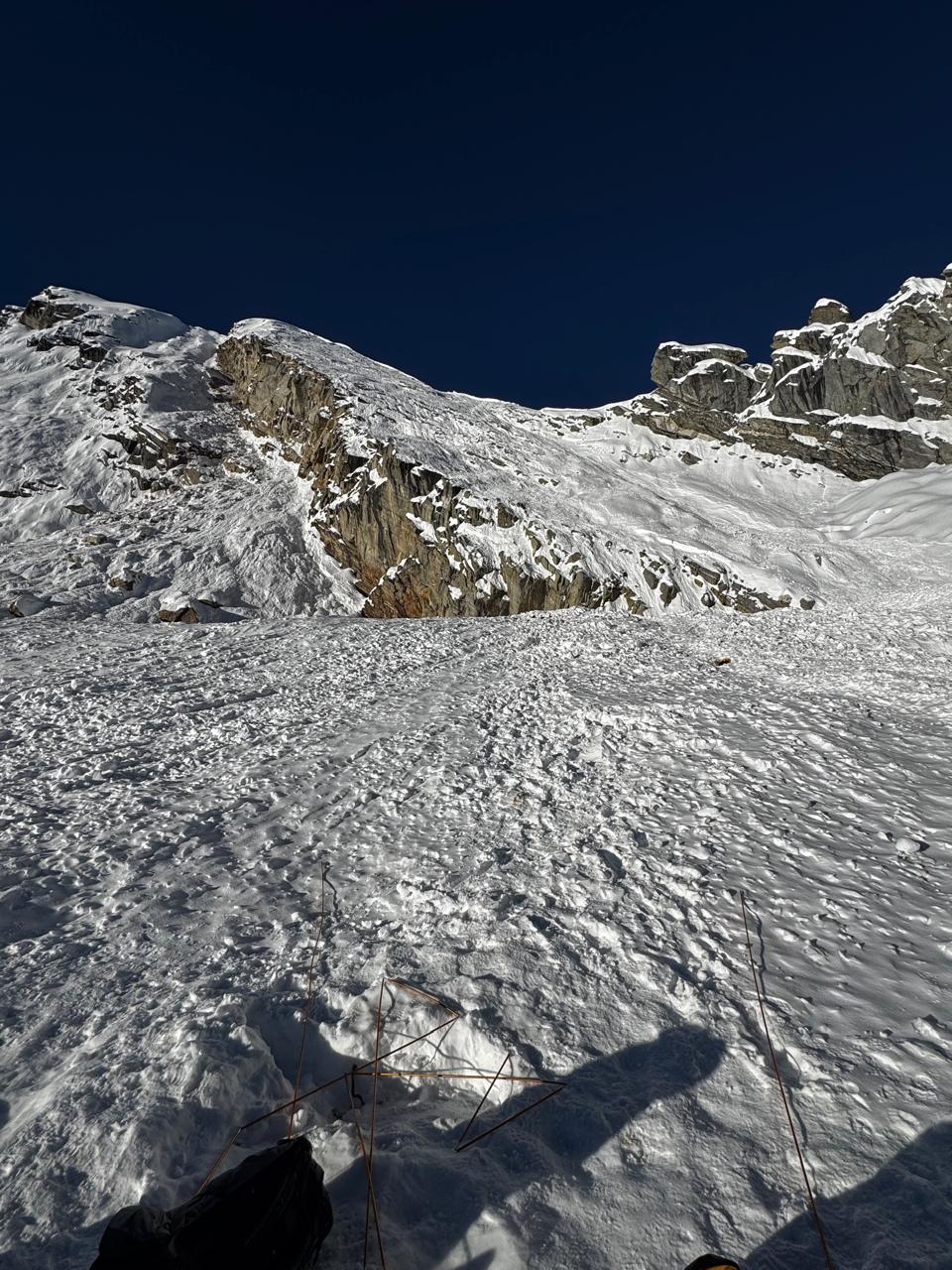
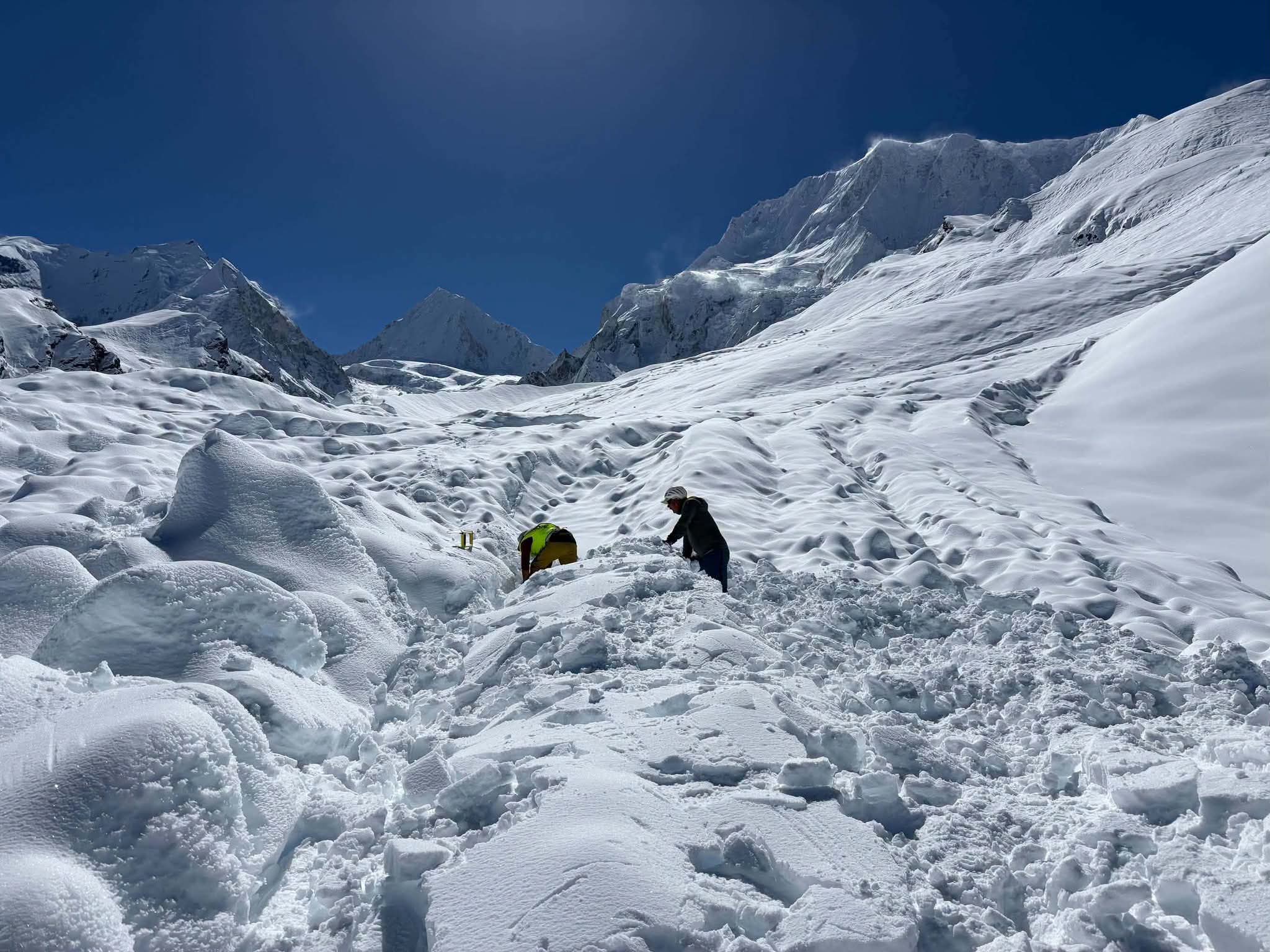
Critics argued that the PMG programme effectively bypassed the established progression system and questioned several aspects of its implementation, including reports that anchor-building exercises were conducted on earthen mounds rather than alpine terrain. Their criticism focused less on reform itself than on the manner in which it was introduced, alleging a lack of board approval, transparency in instructor selection and alignment with internationally recognised standards.
For decades, the BMC and AMC served as the foundation of Nepal's guide training system. Established in 1979 with technical support from the Slovenian Alpine Association and later strengthened through France's École Nationale de Ski et d'Alpinisme (ENSA), the courses trained generations of guides, instructors and rescue personnel before being suspended during the COVID-19 pandemic. Completion of both courses traditionally led to Aspirant Mountain Guide training and ultimately International Federation of Mountain Guides Associations (IFMGA) certification—a progression many in the Nepal National Mountain Guide Association (NNMGA) say the new programme overlooked.
Industry groups had raised concerns weeks earlier
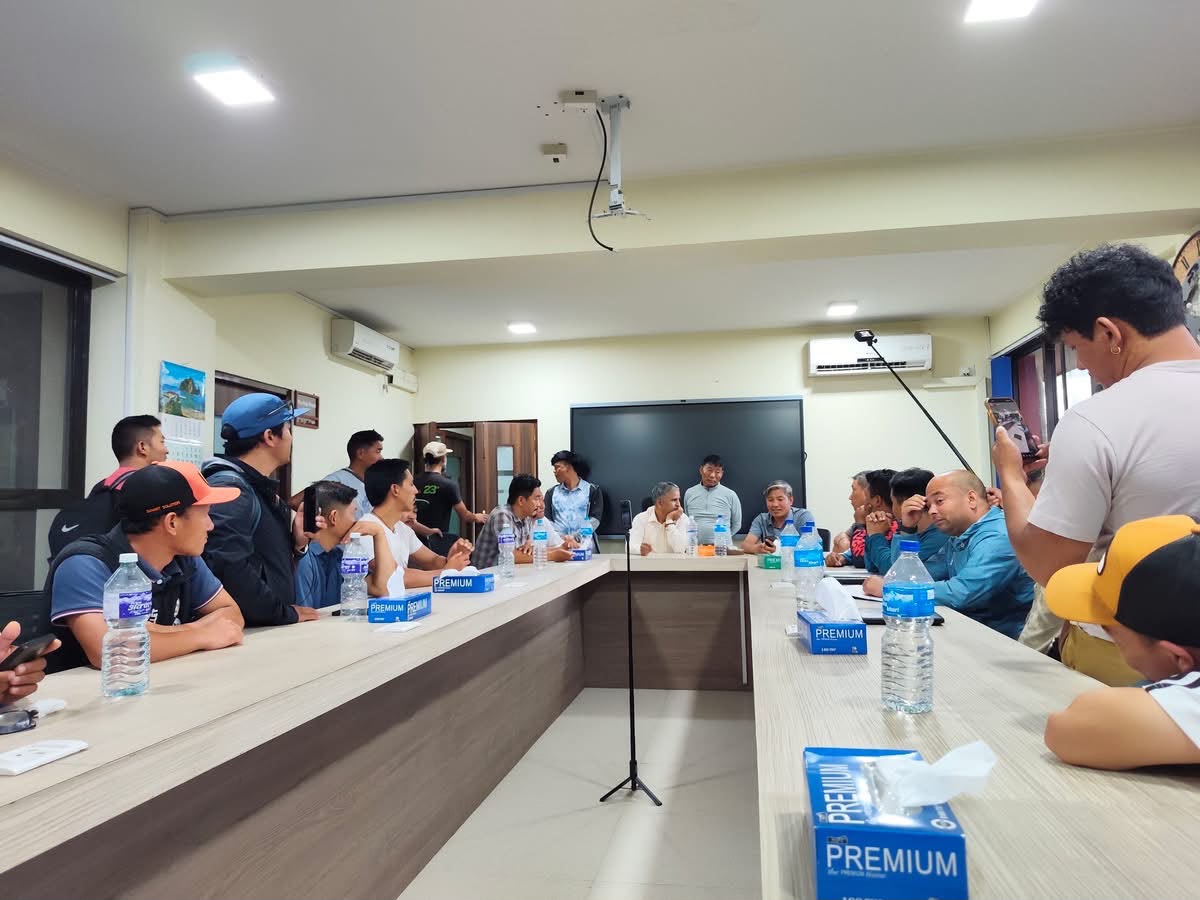
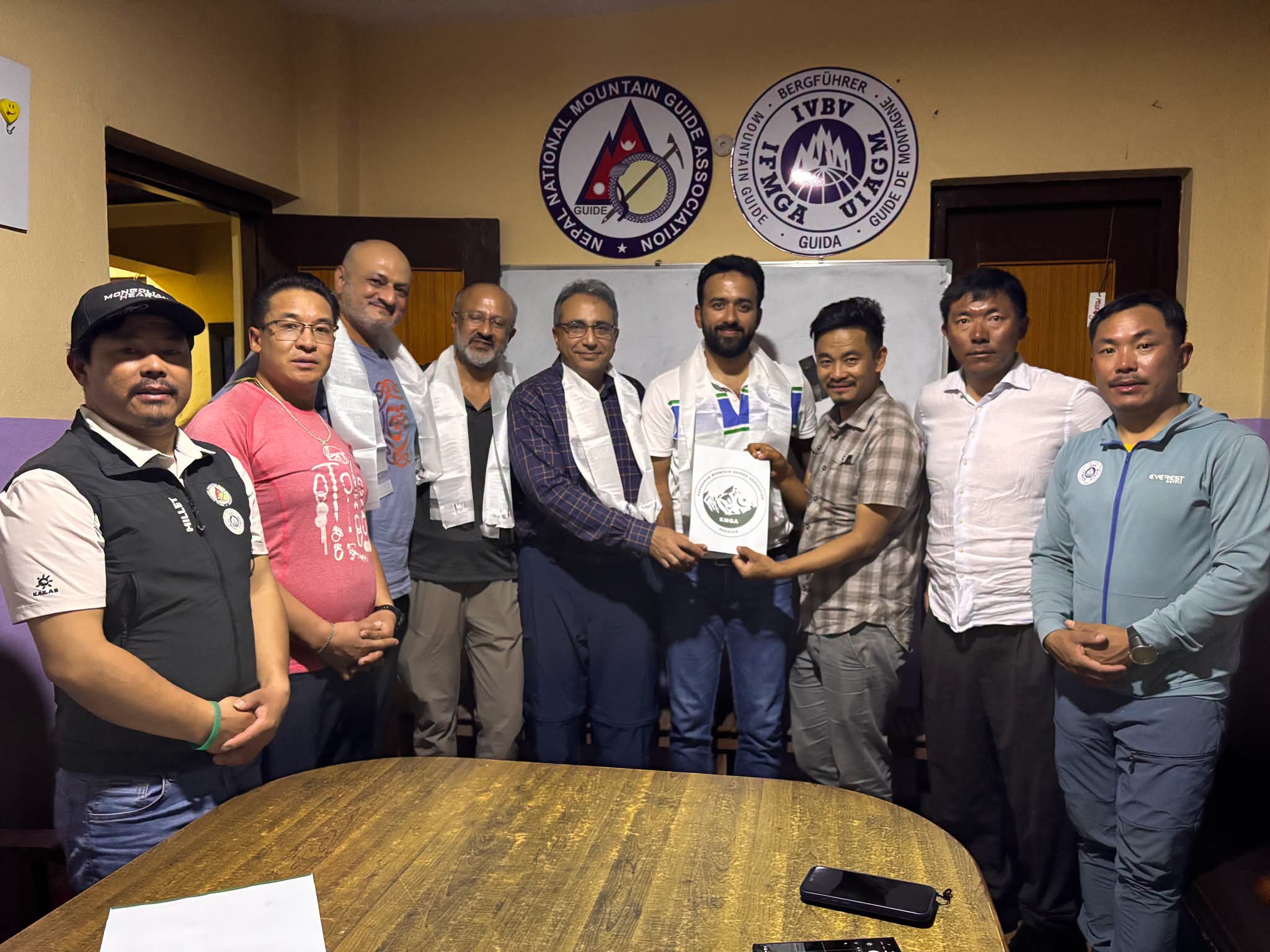
The dispute had been building for weeks. On July 10, six leading mountaineering organisations—including the Nepal National Mountain Guide Association (NNMGA), Everest Summiteers Association, Mount Everest Summiteers Club, Khumbu Climbing Association, Gandaki Alpine Club and Nepal Mountaineering Instructors' Association (NMIA)—jointly urged the NMA to revive the suspended BMC and AMC programmes.
The organisations argued that the prolonged suspension was weakening Nepal's pipeline of qualified mountain professionals at a time of growing international demand for experienced guides.
Their memorandum also noted that while occupational standards for the higher-level Aspirant Mountain Guide and Mountain Guide qualifications have already been certified by the Council for Technical Education and Vocational Training (CTEVT) and the National Skill Testing Board (NSTB), the entry-level standards remain incomplete.
NNMGA President Tulsingh Gurung later said repeated attempts to resolve the issue privately had failed, prompting the organisations to take their concerns public. He also questioned how a programme of such significance could proceed without formal approval from the NMA Executive Board.
Guides question title and instructor qualifications
Senior IFMGA-certified guides also challenged the programme's terminology, arguing that international standards recognise only the designation Mountain Guide, and that introducing a separate Professional Mountain Guide title could create confusion for both trainees and employers.
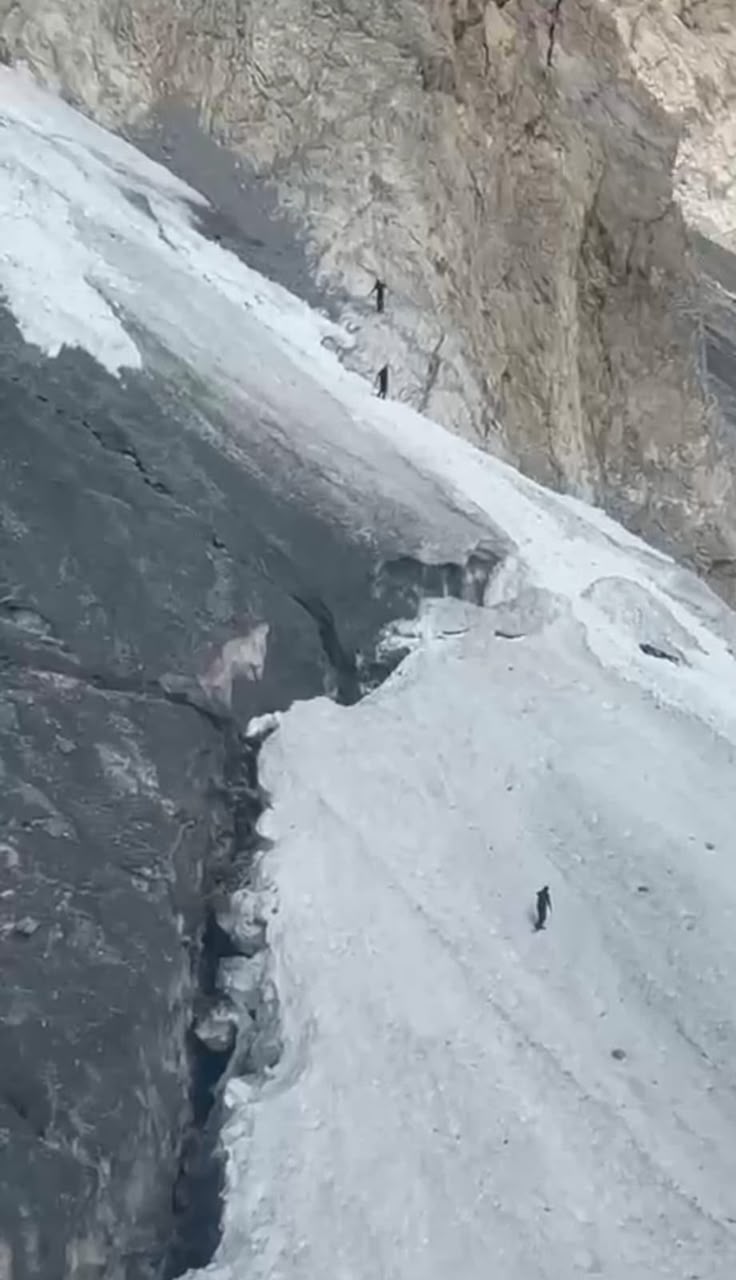
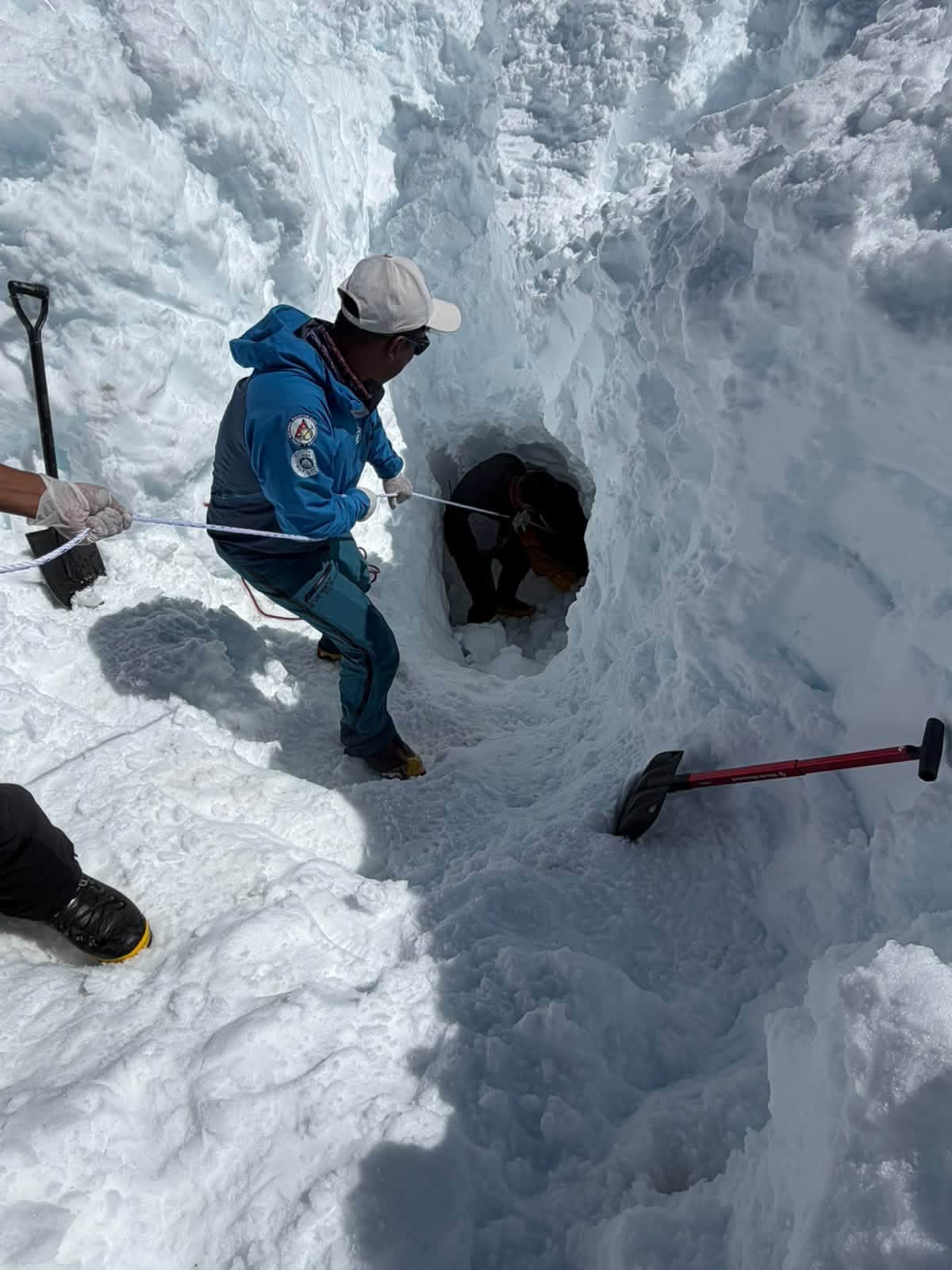
Questions were also raised about instructor qualifications. Critics said some trainers were drawn from Nepal's mountain leader community, whose qualifications under the Union of International Mountain Leader Associations (UIMLA) focus on trekking and non-glaciated terrain rather than technical alpine climbing. They argued that such instructors should not oversee training involving glaciers, crampons, ice tools and expeditions above 6,000 metres.
Prominent guides take criticism public
Several of Nepal's most prominent climbers later aired their concerns publicly.
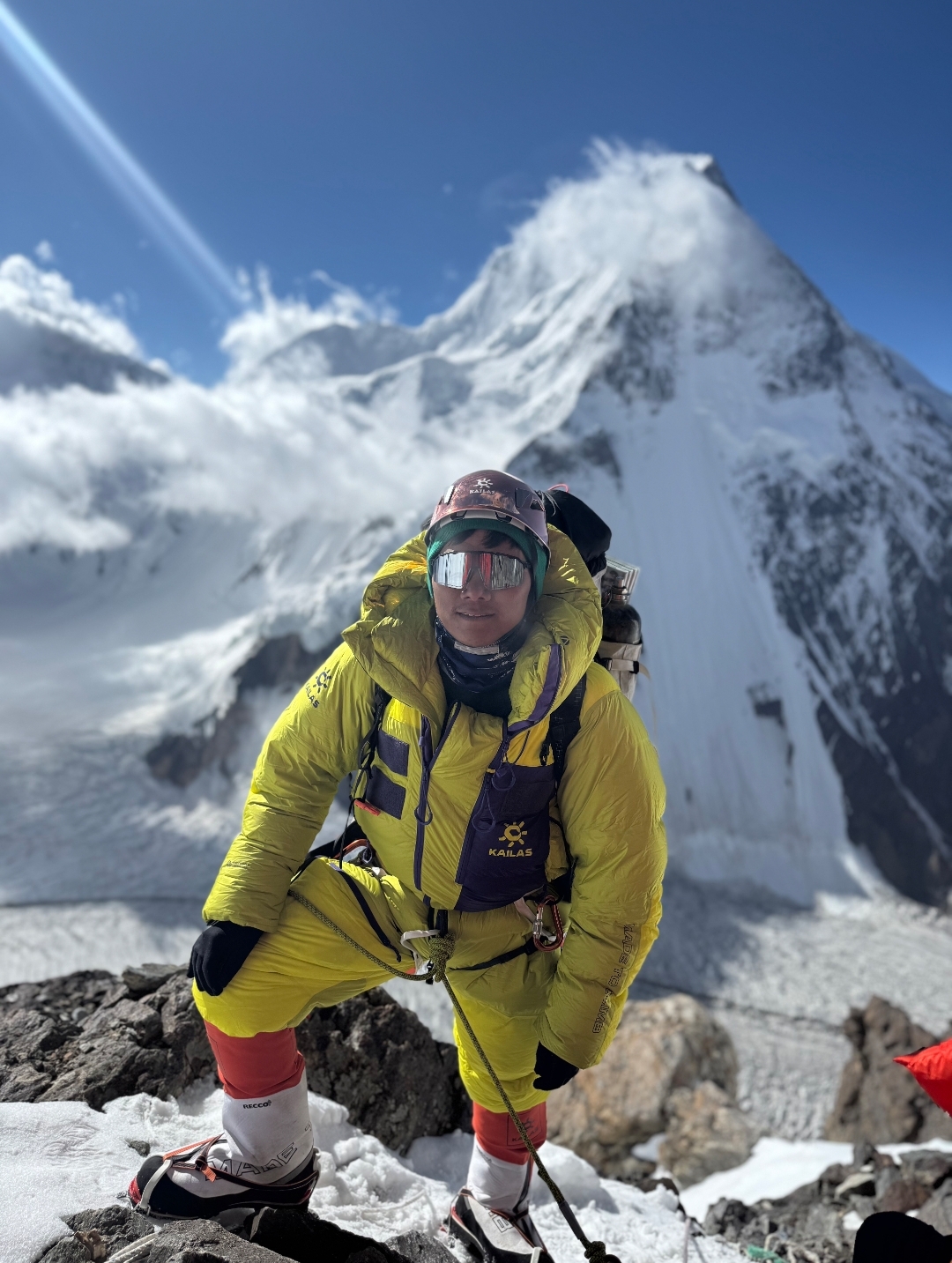
IFMGA guide Pemba Gelje Sherpa said suspending the BMC and AMC had created a significant gap in Nepal's guide training system, warning that the country's Himalayan tourism industry already faces a shortage of skilled professionals. He urged the Ministry of Culture, Tourism and Civil Aviation and the wider climbing community to revive the courses, describing them as essential to mountaineering safety and Nepal's international reputation.
Veteran climber Phurba Tenzing Sherpa argued that the NMA belongs to Nepal's mountaineering community rather than individual office bearers, and said major training decisions should be made through consultation with technical bodies such as the NMIA and NNMGA. He also questioned the growing overlap among organisations involved in guide certification, warning that parallel licensing systems risk creating confusion within the industry.
It remains unclear whether the NMA will now revive the suspended Basic and Advanced Mountaineering Courses, as demanded by the six organisations. For many in Nepal's climbing community, the suspension of the PMG programme has become more than a dispute over one training course—it has evolved into a broader debate over governance, transparency and the future of professional mountain guide training in the country.
Comment