

 °C
°C Record-holding Chinese climber, Sherpas felicitated for historic Mustang first ascents
He Jing receives Guinness certificates; team recounts challenging winter climb of two virgin peaks
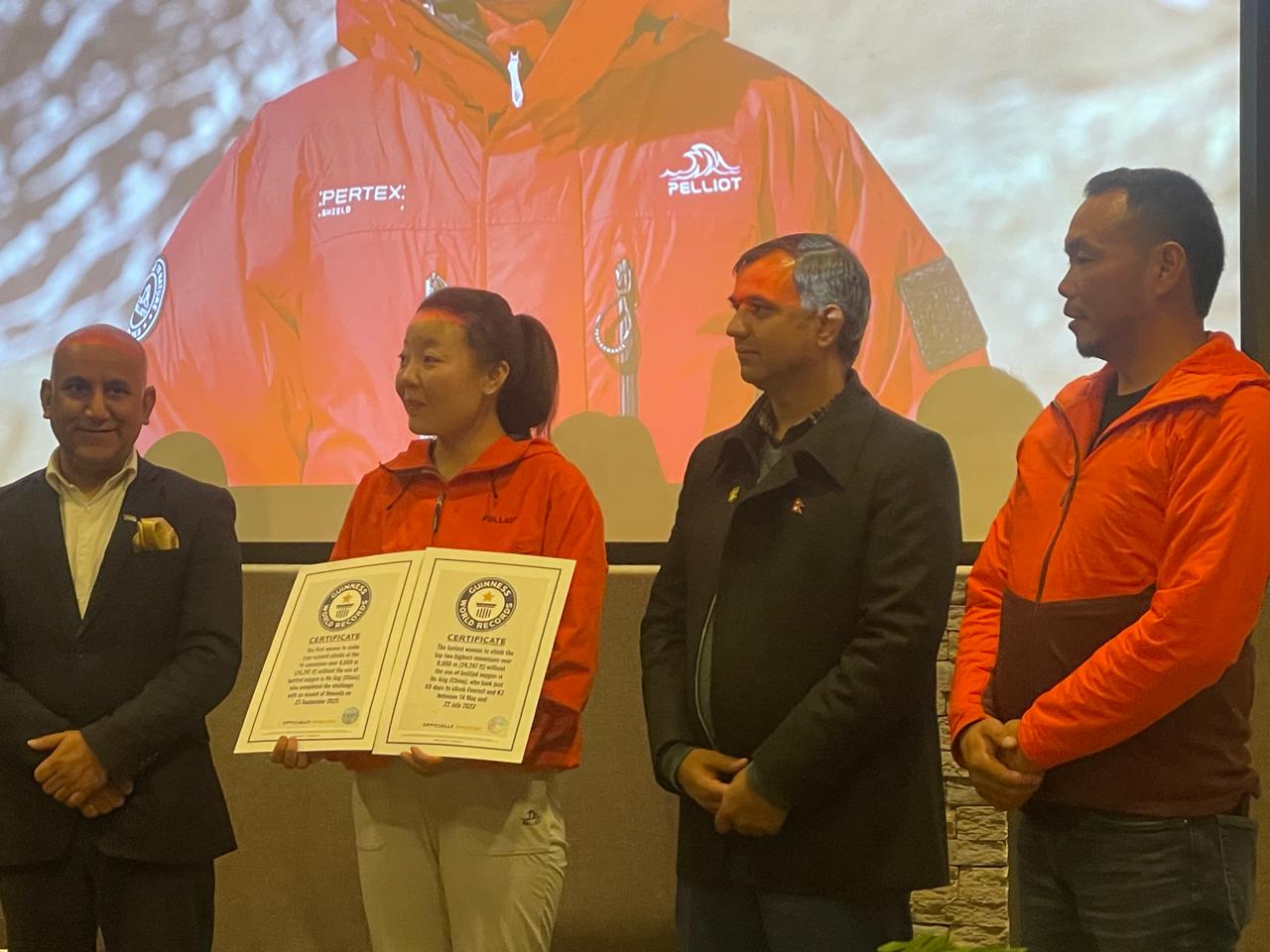
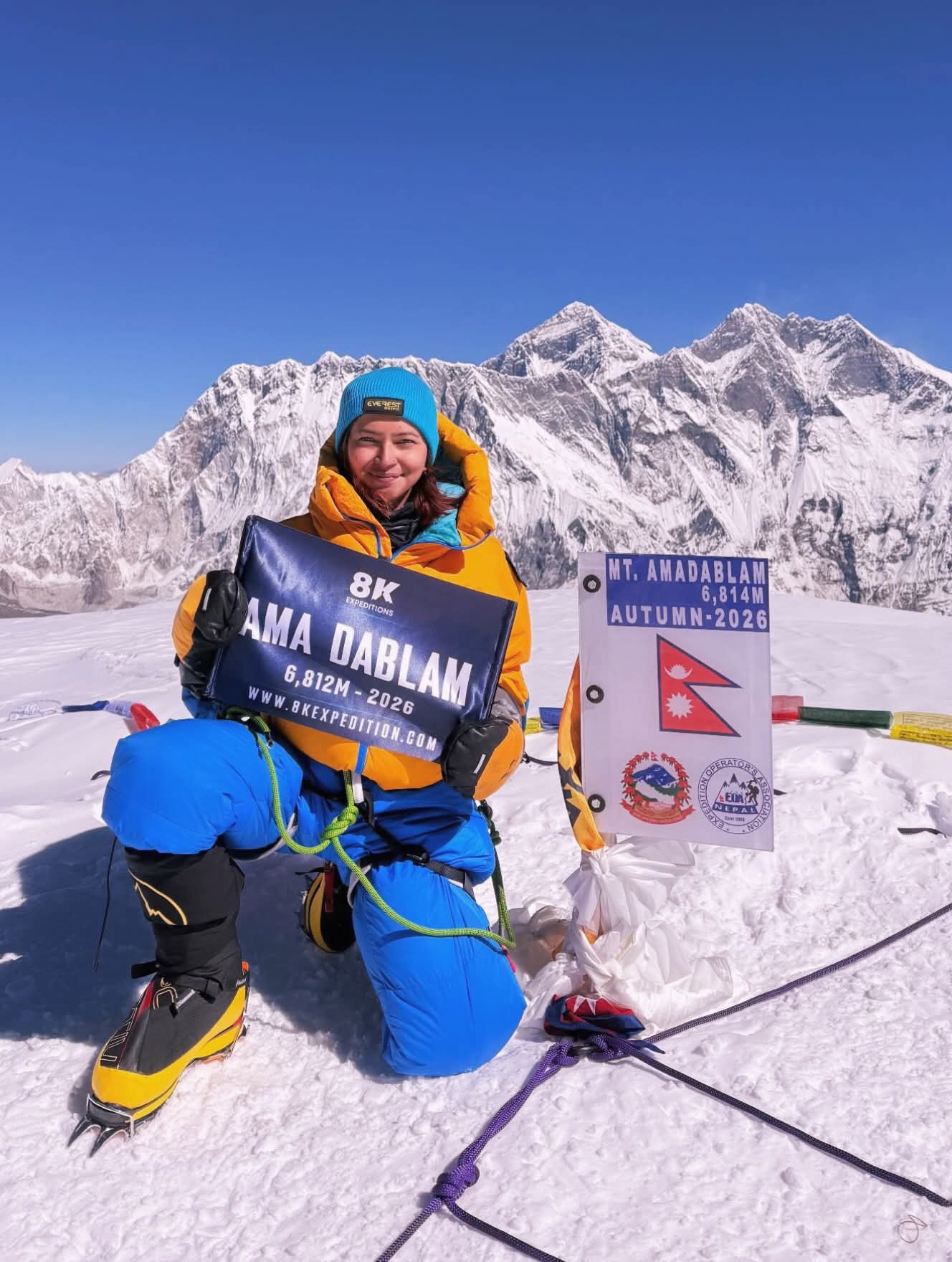
KATHMANDU: Record-holding Chinese mountaineer He Jing and her Sherpa climbing partners were felicitated in the capital after returning from the historic first winter ascent of two previously unclimbed peaks in Upper Mustang.
General Secretary of Expedition Operators' Association Nepal and Executive Board Director of Nepal Tourism Board Rish Ram Bhandari, NTB Chief Executive Officer Deepak Raj Joshi, and Seven Summit Treks Managing Director Chhang Dawa Sherpa handed over Guinness World Record certificates to He Jing for being the first woman to climb the true summits of all 14 eight-thousanders without supplemental oxygen. She also received a world record certificate for making the fastest Everest and K2 summit without bottled oxygen.
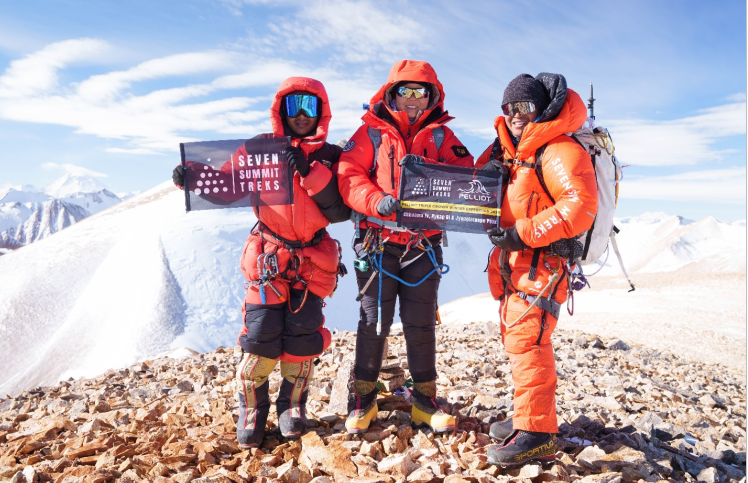
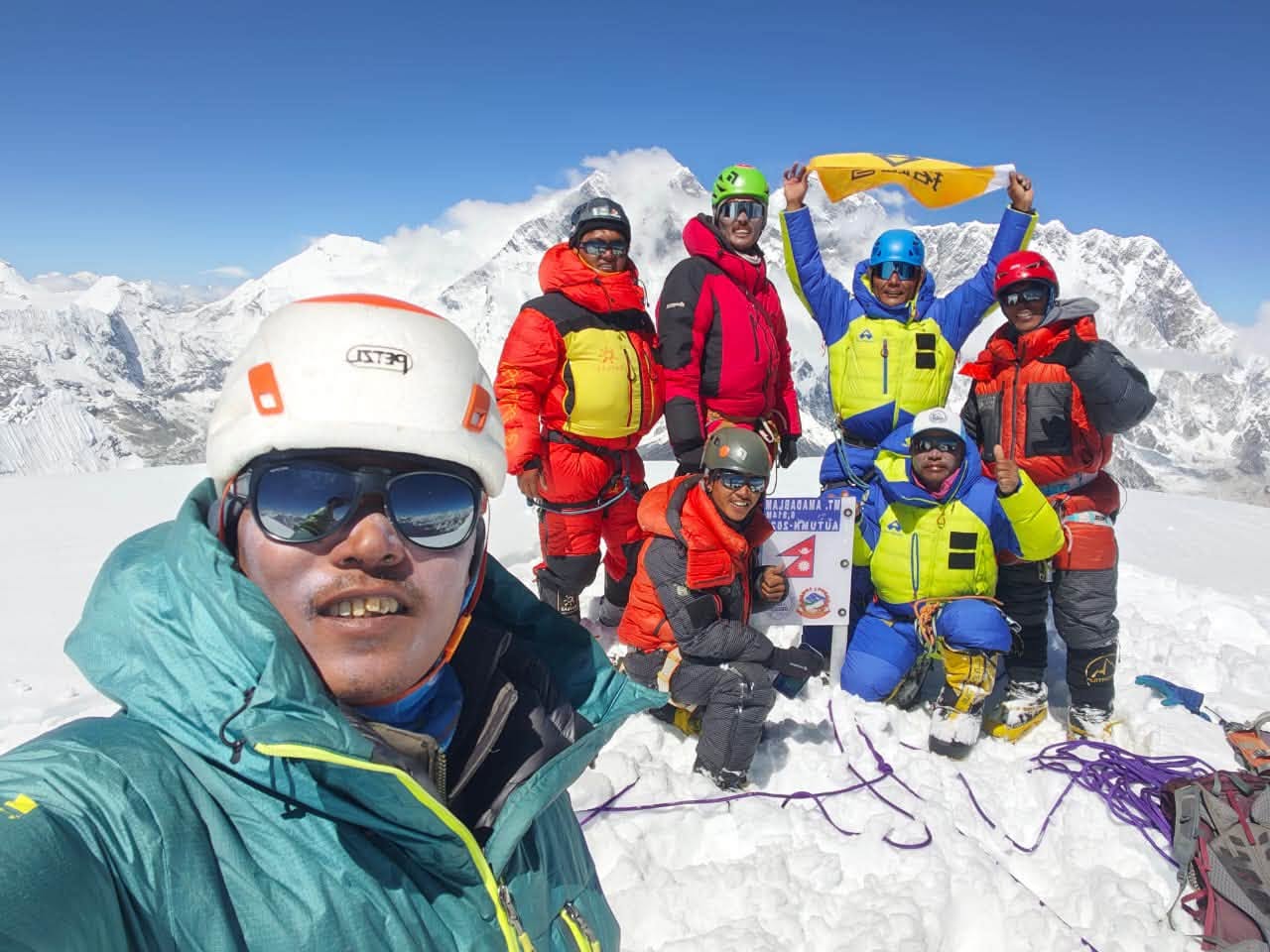
He Jing, along with IFMGA Guide Dawa Phinjo Lama Bhote and SST's senior guides Ming Temba Sherpa, Phurba Sonam Sherpa, Wangdang Bhote, and Speed Dawa, were felicitated for completing first ascents of Jyanglatunpu (6,062m) and Kekyap Ri (6,187m) on February 9.
Exploring Nepal's virgin peaks
During the event, EOAN General Secretary Bhandari said the first ascent would send a positive message about Nepal's climbing sector to the world.
Similarly, speaking at the felicitation ceremony, NTB CEO Joshi congratulated He Jing and her team for exploring the potential of Nepal's unclimbed peaks.
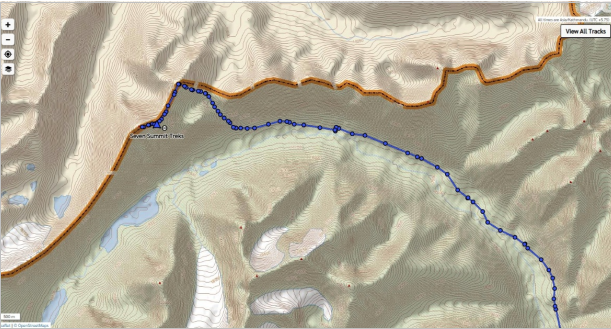
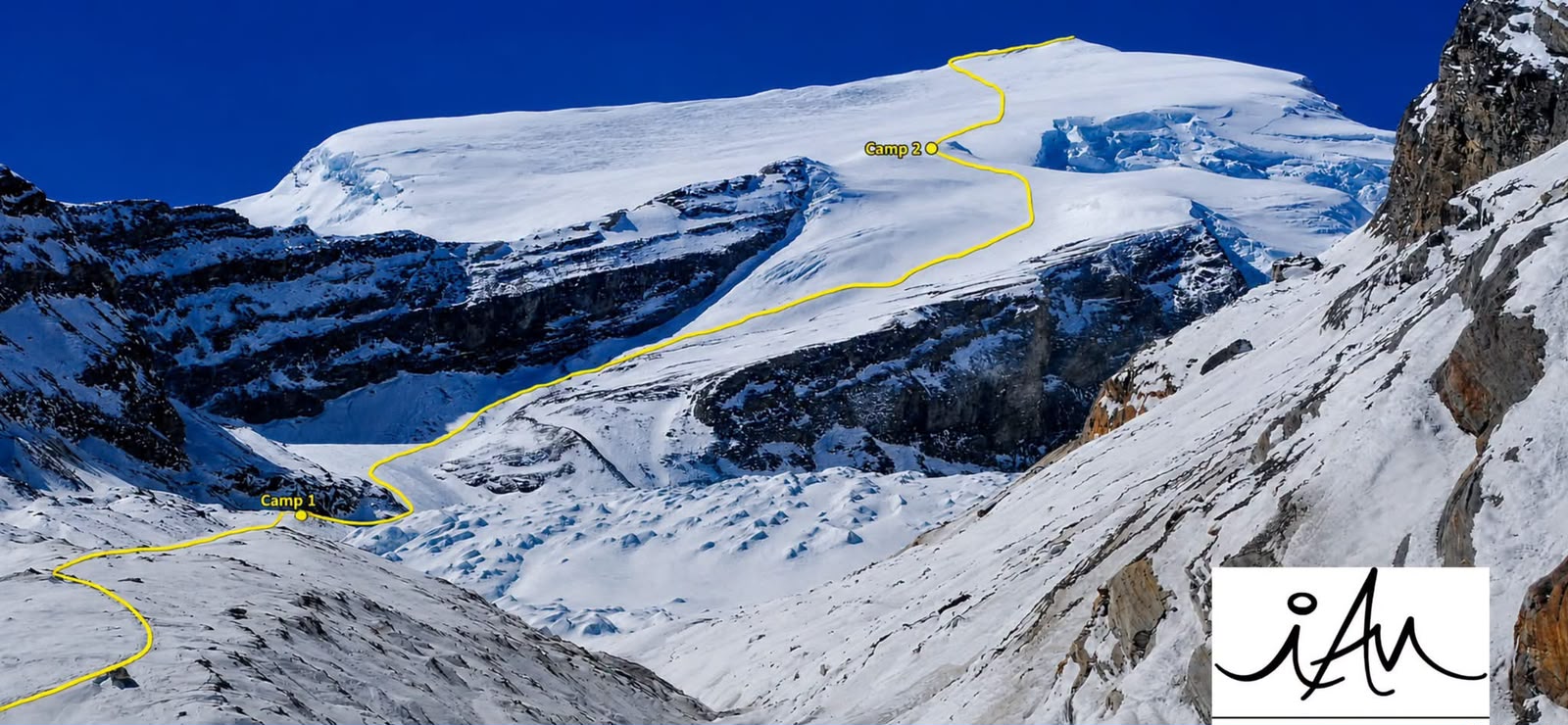
The Seven Summit Treks-Pelliot Triple Crown Virgin Peak Expedition departed Kathmandu on February 4, taking an alternative access route into the Ghyun valley previously scouted by an earlier SST first-ascent team. Initial base camp was established near Ghar Gumba, approximately 200 metres lower than prior SST sites in the area.
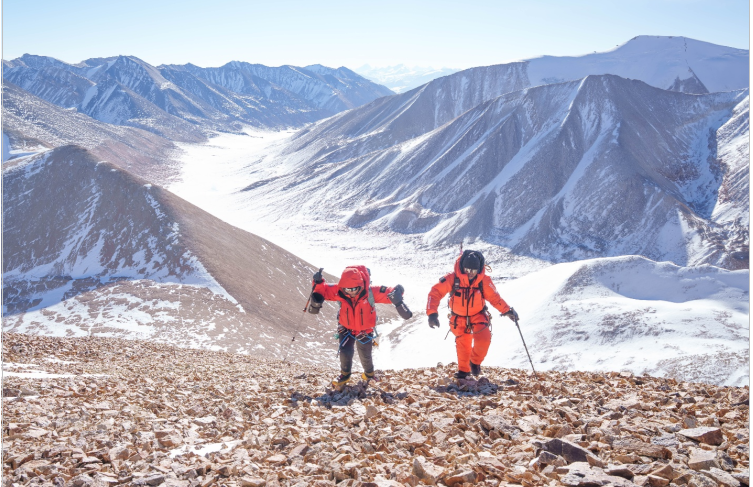
The team adjusted plans due to recent snowfall, bypassing a planned couloir and traverse in favor of a ridge route. After crossing Kekyap La pass (5,600m) on Day 3, the climbers descended into the valley and trekked along the riverside to establish their final base camp.
Technical challenges and adaptive climbing
The summit push commenced at 2:25 am on February 9. The team reached the summit of Jyanglatunpu at approximately 9:25 am, followed by Kekyap Ri at 12:45 pm.
"For me it's very special, a big challenge," He Jing said, recounting the expedition. "Before, when I climbed all 14 [eight-thousanders] without oxygen, I always followed professional setups. This time, everything was on our own, all together as a team. It was a different way, no big support like ropes and Sherpas but as partners."
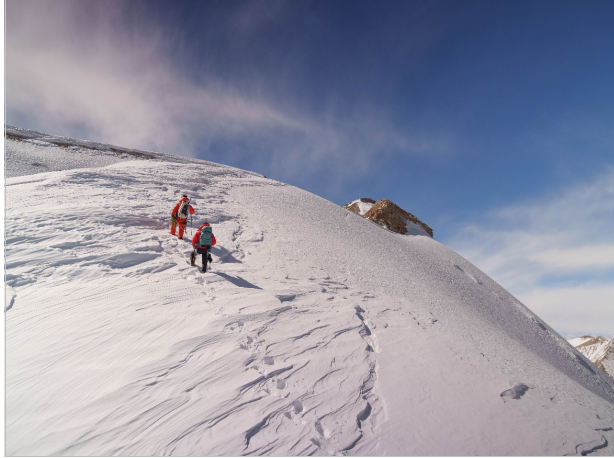
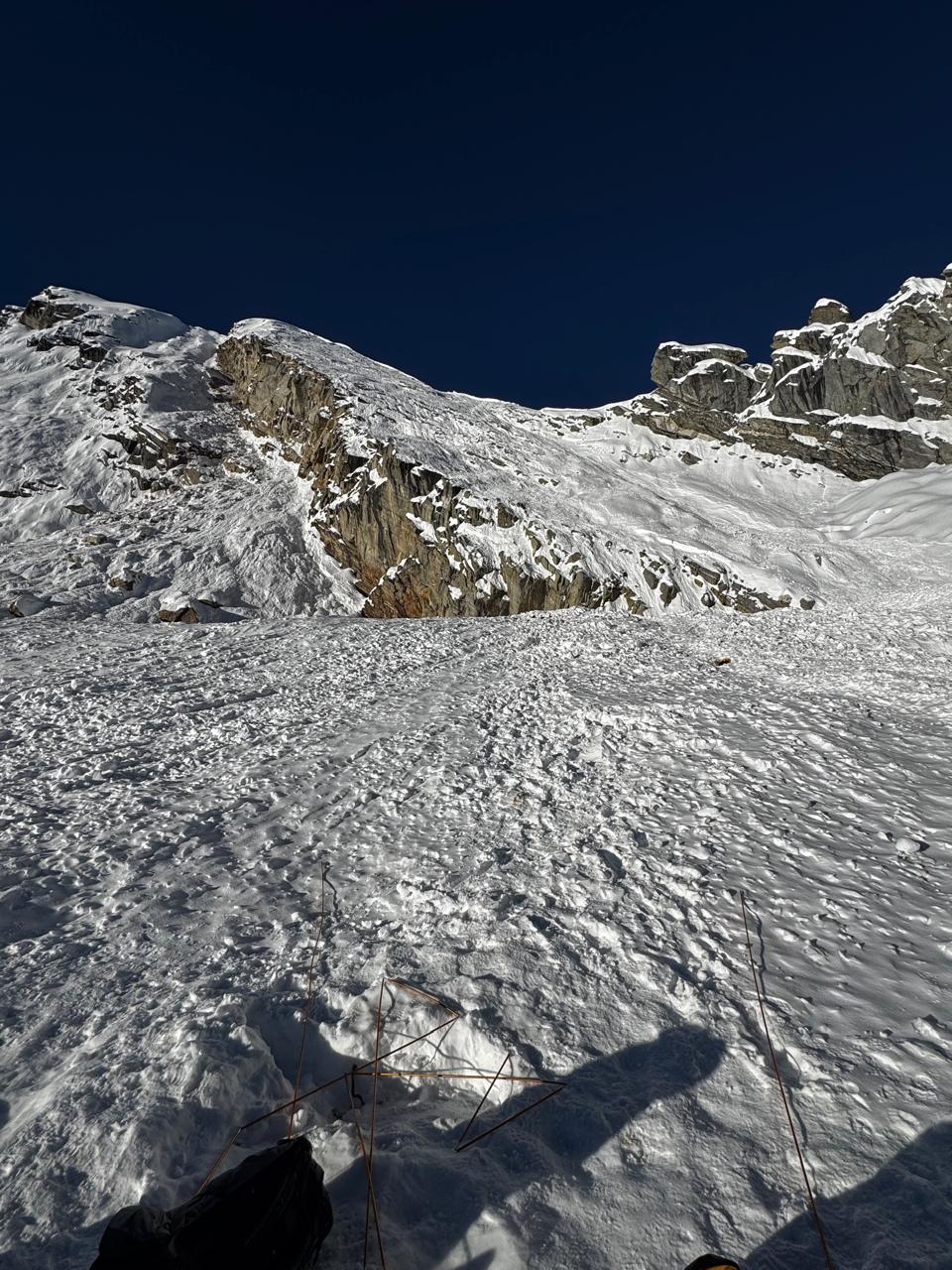
She described varying conditions on the two peaks. "On one peak, no snow on top. On the second peak (6,187m), too much snow, and in the last 100 meters, lots of rock and very steep. We saw Dhaulagiri and Annapurna."
Dawa Phinjo Lama Bhote described the climb as particularly challenging due to navigation demands. "The planned route couldn't be followed directly because of snowfall and terrain conditions," he said. "On Jyanglatunpu, there was less snow. It was winter, so very cold. The second peak felt a bit more technical. I felt like I was climbing in Europe where it is common practice that you plan a route and all details by yourself."
Commercial potential
Ming Temba Sherpa, who has summited all 14 eight-thousanders, said the peaks could be developed for commercial climbing. "It was easy for all of us to climb since we all are professionals, but reaching base camp was a bit far," he said. "For clients wanting to climb both peaks in one go, you'd need a high camp. With a high camp, both peaks can be done."
Phurba Sonam Sherpa said the unclimbed status initially excited him. "In Mustang, so many tourists come, but why hadn't anyone reached there? It didn't feel too hard. For professional climbers, you might not even need fixed ropes, but for basic climbers, ropes would be needed. Mixed climbing is required."
Speed Dawa described the pioneering nature of the climb. "First time [for such a climb], so I was a bit nervous at first, but everything went fine," he said. "Mingtemba and I went ahead a bit to find the way. We fixed about 50–60 meters of rope! The place was quite remote!"
Kekyap Ri's final challenge
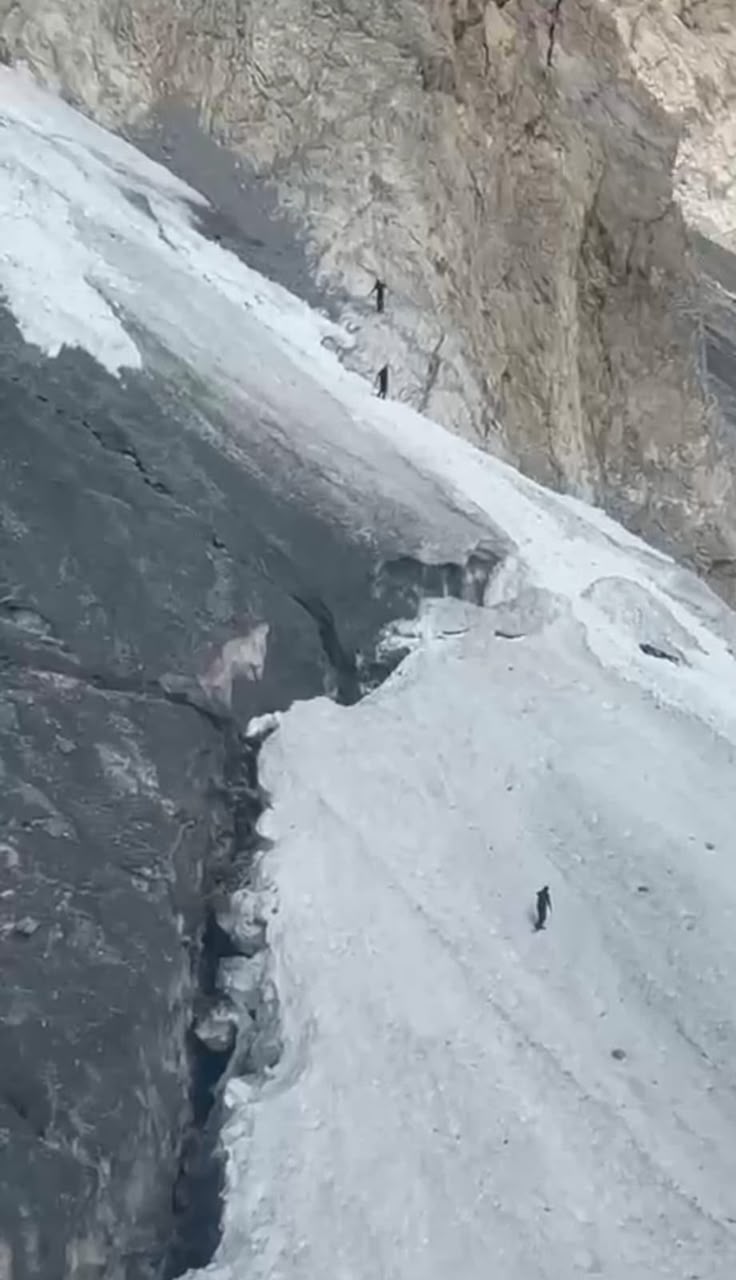
The final 100 metres below Kekyap Ri's summit involved steep mixed terrain with snow and rock, culminating in a sharp, exposed rocky ridge that required 30-45 minutes of careful climbing. The descent mirrored the ascent ridge with full roping for security, followed by a 300-400-metre drop via an alternative couloir path back to base camp.
Although the team intended to attempt Chhuama IV (6,179m), the last unclimbed peak in the nearby Chhuama Range, time limitations following the double ascent necessitated a retreat. Chhuama IV remains a compelling challenge for future expeditions.
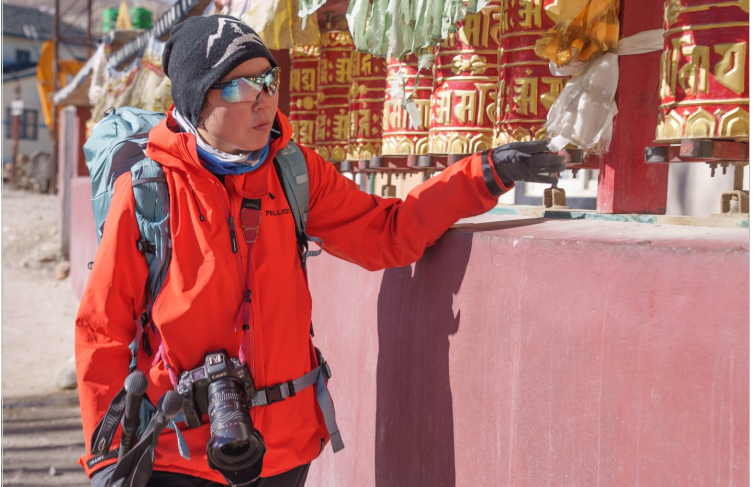
He Jing thanked sponsor Pelliot for providing expedition gear. "I'm thankful to our sponsor Pelliot who provided our team with expedition gears, I'm grateful to them," she said.
The expedition exhibits Seven Summit Treks' dedication to pioneering new peaks and evolving alpinism styles, blending lightweight, self-reliant approaches with classical Himalayan values of respect, teamwork, and minimal environmental impact, said SST, the largest adventure operator in Nepal. It specializes in high-altitude expeditions, first ascents and remote Himalayan exploration, with an unmatched safety record and commitment to ethical mountaineering, the company said.
Comment