

 °C
°C SPCC rule for Everest 2026: Climbers must bring back 2kg of waste from high camps
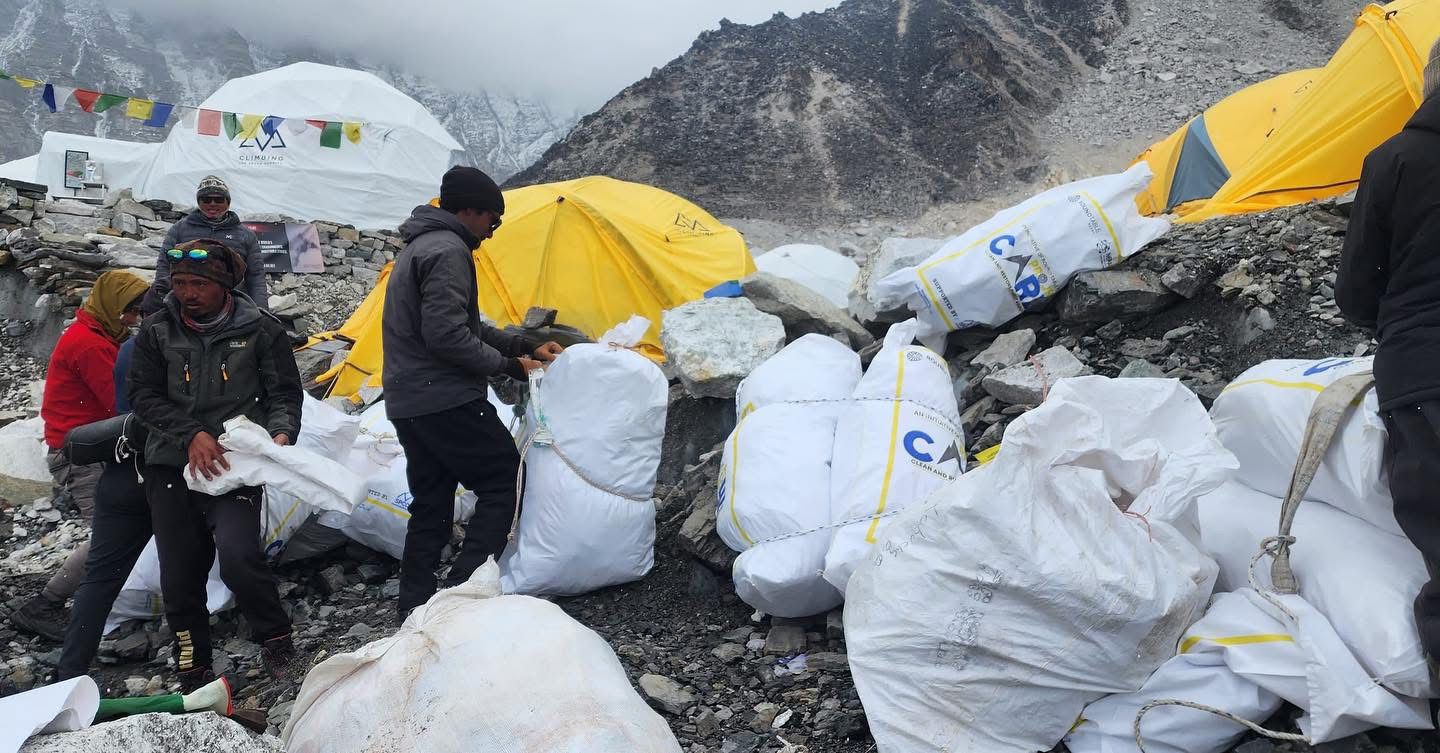
KATHMANDU: This spring, garbage management on the world's highest peak will become significantly stricter. Climbers attempting to scale Mount Everest will now be required to bring back at least two kilograms of waste from areas above Camp II.
The Sagarmatha Pollution Control Committee (SPCC), after receiving approval from the Department of Tourism (DoT) under the Ministry of Culture, Tourism and Civil Aviation, announced the new regulation today. While expedition members are already required to deposit a total of 8 kg of trash at the base camp upon their return, they must now ensure that two kg of that waste is specifically collected from the area above Camp II.
Speaking at a multi-stakeholder consultation on strengthening waste management regulations for trekkers and expeditions in Kathmandu, Tshering Sherpa, Chief Executive Officer at the SPCC, stated that a monitoring team will be stationed at Camp II throughout the climbing season to enforce the new rule. "Earlier, the SPCC team monitored garbage collection from the base camp, but starting this season, it will impose the two-kg garbage rule for waste sourced from above Camp II," Sherpa explained.
Under the previous rule, climbers were compulsorily required to submit at least 8 kilograms of biodegradable and non-biodegradable garbage—excluding oxygen cylinders and human excreta—from above the base camp to the SPCC. "This new rule aims specifically at cleaning the higher camps, such as Camp III and IV," Sherpa shared.
To meet the 8 kg quota at the base camp, climbers often left rubbish scattered in the high camps above Camp II, instead depositing trash they had collected from lower down. "To avoid such negligence, the SPCC's team will strictly monitor returning climbers at Camp II to ensure they are carrying an additional two kg of garbage from either Camp III or IV," Sherpa added. The SPCC team will also verify the food and logistics carried by expedition members above Camp II.
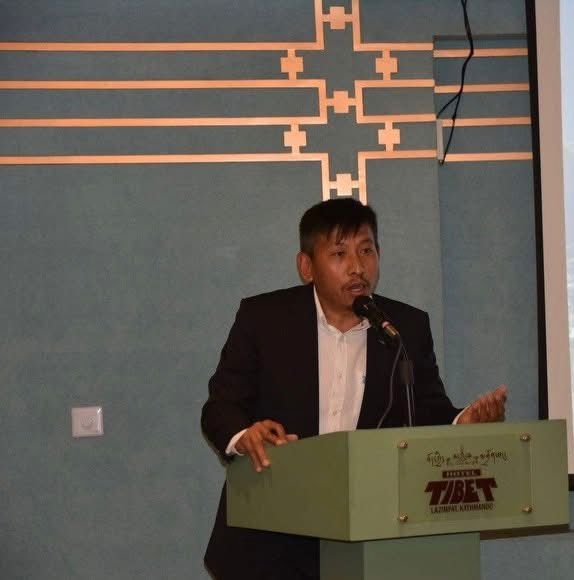
For over three decades, the SPCC has been at the forefront of waste management in the Everest region. In a further measure, Sherpa announced, "From this season, expedition members will not be allowed to use their own poop bags and must instead use the bags provided by the SPCC and Khumbu Pasang Lhamu Rural Municipality." He added that this move is intended to discourage climbers from leaving the poop bags on the mountain. "The mandatory bags will be recorded and collected once climbers return from the expedition," Sherpa said.
The SPCC also proposed designating a specific area at Camp IV where climbers could deposit rubbish in case of emergencies. "By doing so, the garbage could be brought down in the next season," he added.
Mingma Chhiri Sherpa, Chairman of the Khumbu Pasang Lhamu Rural Municipality, noted that with the growing influx of climbers in the Everest region, waste management has emerged as a critical environmental challenge. "KPLRM will leave no stone unturned to protect the Everest environment by establishing better coordination among the stakeholders," he said.
Rishi Bhandari, General Secretary of the Expedition Operators Association of Nepal, stated that operators would comply with the new garbage rule. "It's a small but positive step to keep Mount Everest clean," Bhandari said, emphasizing the need for wider consultations and coordination to promote adventure tourism in the country. In the past, climbers paid little attention to waste management, often discarding used materials along the climbing routes. Over the years, waste—including human excreta, packaging, and other discarded items—has accumulated around base camps and higher camps, contributing to long-term environmental damage.
Shiva Bahadur Sapkota, General Secretary of the Everest Summiteers Association, also commended the SPCC's decision and urged the Department of Tourism to assign each climber a specific terms of reference on garbage management when they embark on an Everest expedition. "All need to work towards implementation and monitoring of rules rather than only framing them," he added.
Director General at the DoT, Ram Krishna Lamichhane, acknowledged that operational gaps and a lack of accountability have hampered effective environmental protection initiatives in the Everest region. "The DoT is ready to cooperate with mountaineering stakeholders to implement the garbage rule and make the Everest environment clean," he added.





Comment
Maya Sherpa
Great 👍 👌 👍 👌 👍 Spcc Is Doing Great Job. We Need To Save Our ⛰️ Everest Is Our Pride.