

 °C
°C Stripes at Everest summit: How IFMGA guide Pasang Kidar has pinned a Gurkha’s new rank to Rgr Rana on top of the world
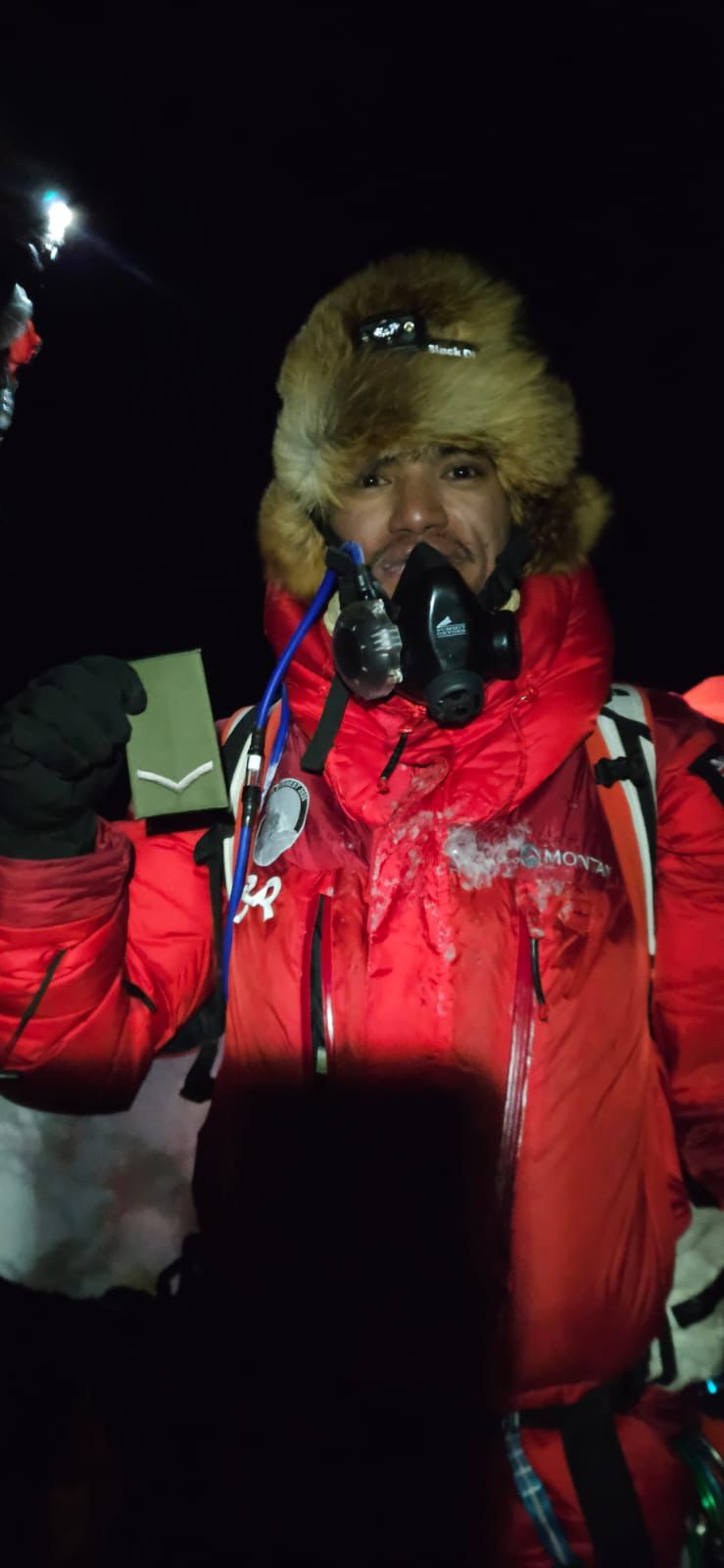
KATHMANDU: May 23 wasn’t just another summit day on Mount Everest. For a Gurkha rifleman of the UK’s special forces, and for the legendary Sherpa guide who pinned a new rank on fellow climber’s jacket at 8,848 metres, it became a moment of history—chilling winds, thin air, and a promotion no soldier will ever forget.
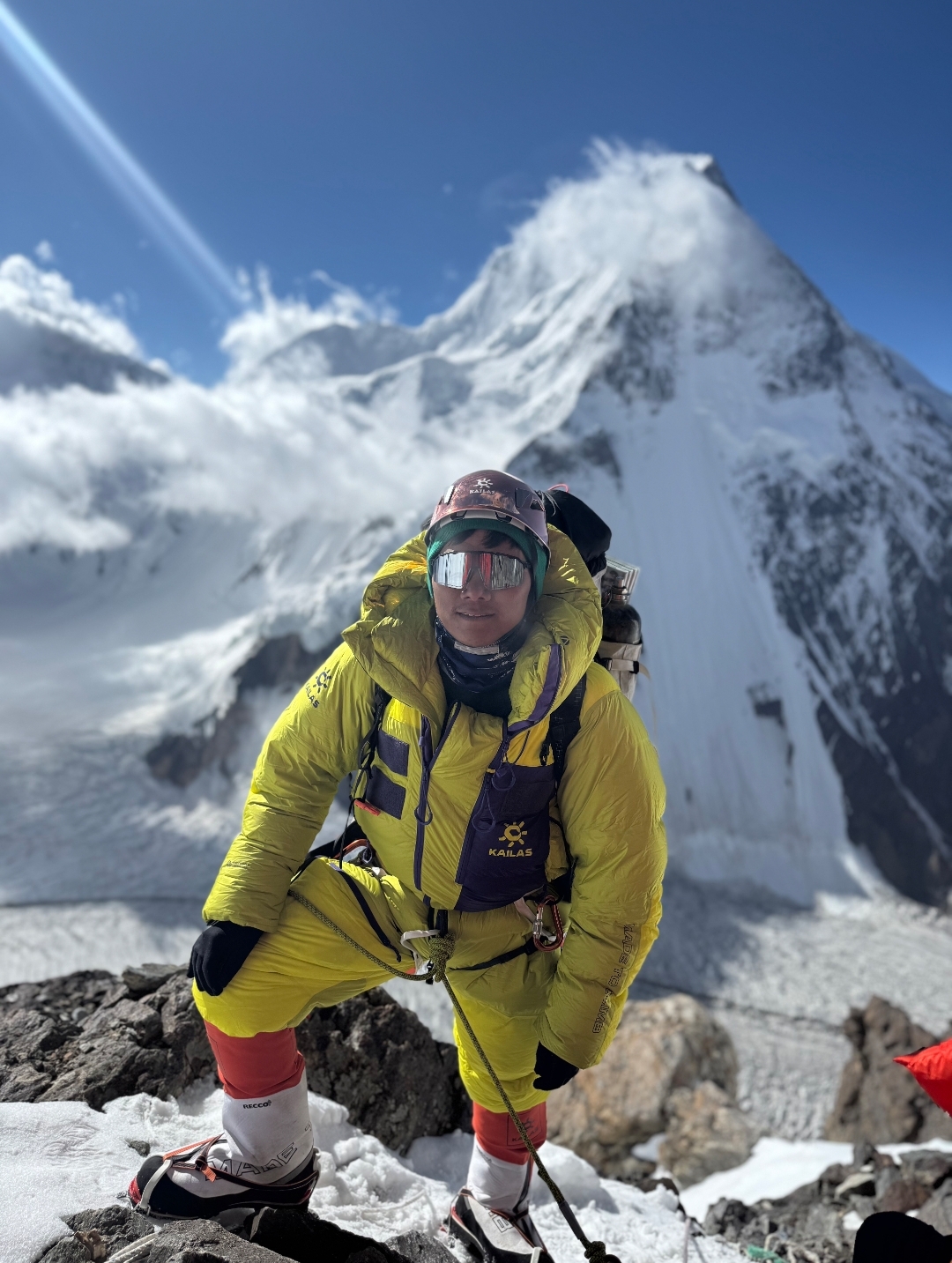
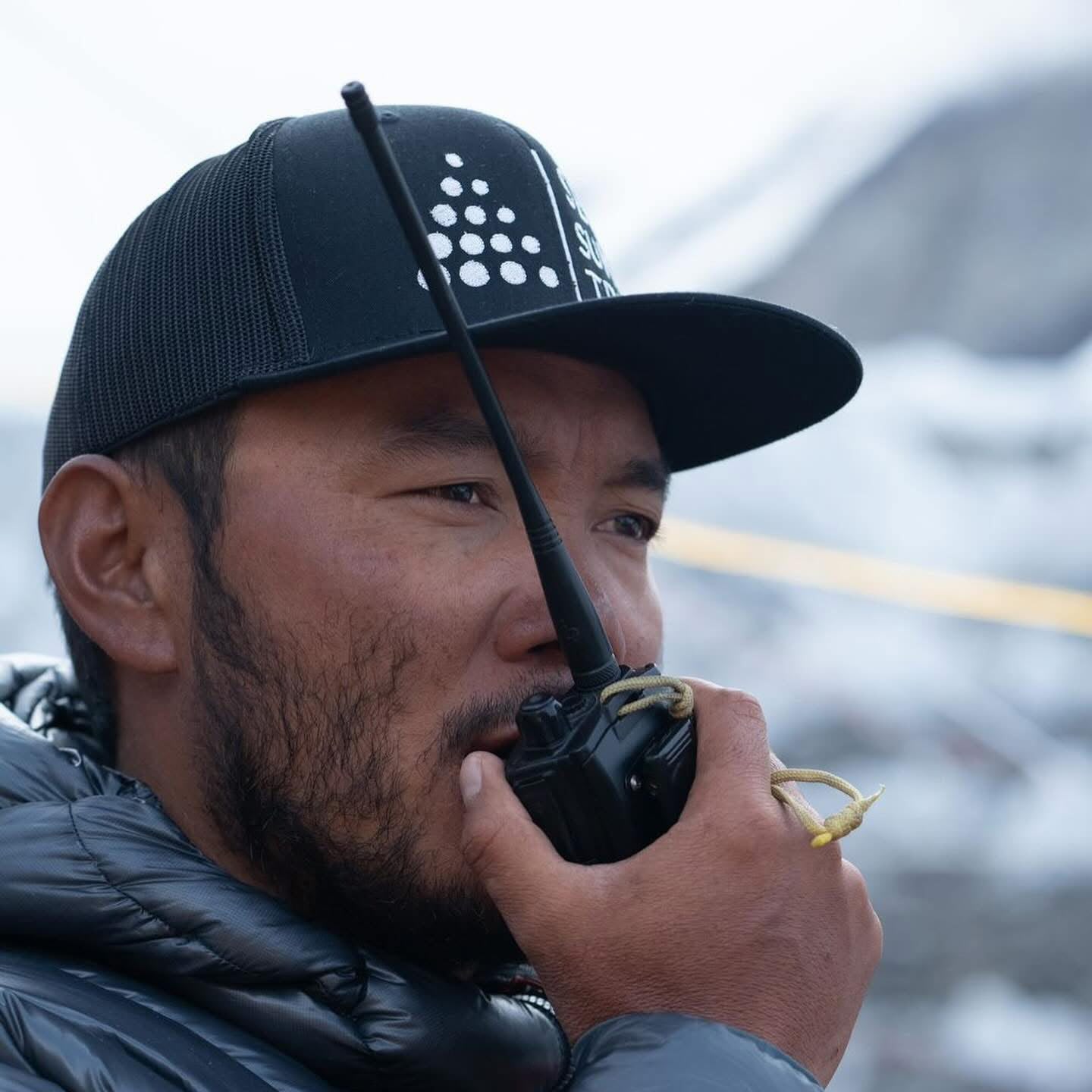
The man who offered the insignia? Pasang Kidar Sherpa, an IFMGA/NNMGA guide from Rolwaling, one of Nepal’s most decorated climbers. His mission, handed down by Maj Joe Adamson of the British Army, was as unusual as it was symbolic: take Gurkha rifleman Bijaya Rana to the summit first, and there, on the roof of the world, confer his promotion.
The team, eight British Army special forces members and 14 Nepali Sherpa climbers, had left the South Col for their summit push at 7:04 pm on May 22. But NNMGA guide Pasang Kidar and Rgr Rana waited. They stepped off the Col at 7:34 pm, about half an hour behind the others.
“I left the South Col at 7:34 pm and reached the summit at 3:06 am on May 23 along with Rgr Rana,” Pasang Kidar said. He described the climb as “an awesome and honoured climb.”
At 3:06 am, under a cold, star-dusted sky, they stood on the highest point on Earth. Pasang Kidar reached into his gear and offered the Lance Corporal insignia to him. “Once I took Rana to the summit, I handed over the insignia of promotion to Rana,” he recalled. Then, acting as a British Army major would, he pinned the new rank on Rifleman Rana. “He got officially promoted,” Pasang Kidar said, with a quiet smile.
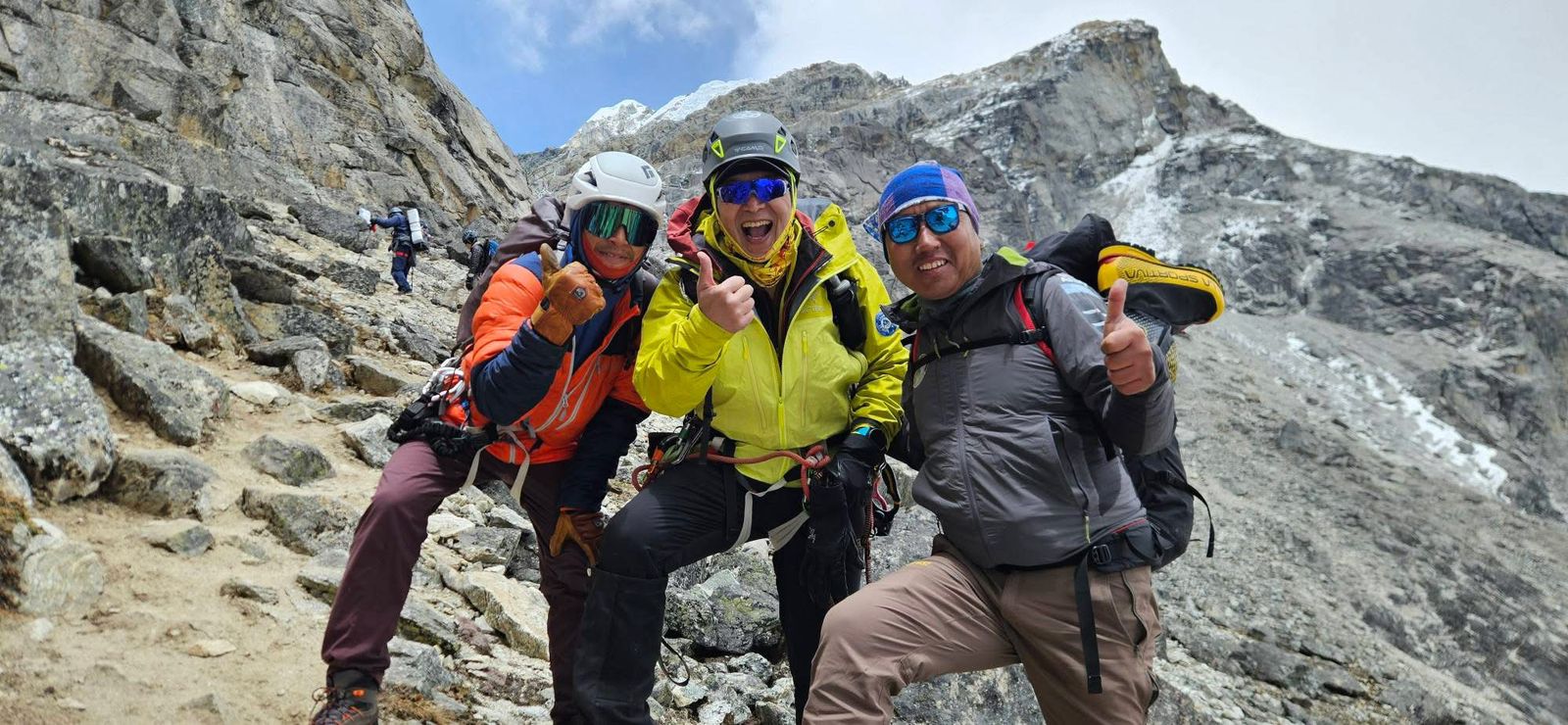
Only after that ceremony did the other climbers arrive. The rest of the UK’s special forces team—including Maj Joe Adamson (Expedition Leader), Maj Kate Thompson (Chief Medical Officer), Lt Col Raj Joshi, Capt Jacob Sargent, WO2 Avtar Gill, SSgt Ryan McGregor, Sgt Silas Simpson, Sgt Vince Sulaiman, Cpl Will Goddard, LCpl Chris White, LCpl Kishor Thapa, and Sgt Ali Holman—plus the 14 Sherpa climbers, all reached the summit point later.
Pasang Kidar, who has summited Everest many times before, couldn’t hide his pride. “I feel that the UK has a great honour to Nepali Sherpa climbers and Gurkhas serving for her country,” he said. Then he added with a laugh: “I acted as their boss in the team when we reached the summit.”
Now, LCpl Rana, who hails from Kaski district, has served in the British Army for over a decade. “Rana was so young and strong a climber, and so were the other team members,” Pasang Kidar shared. “It was a historic moment for all—the UK, the special forces, and Nepali Sherpa climbers.”
Pasang Kidar is no stranger to historic climbs. Last year, on October 13, 2024, he and Danika Gilbert (Colorado, USA) were nominated for the prestigious Piolets d’Or award for establishing a new alpine-style route on the northwest ridge of Beding Go (6,125m) in the Gaurishankar range, on the Nepal-Tibet frontier east of Gaurishankar (7,134m). He is one of only 14 IFMGA guides from the Rolwaling valley and runs Khangri Treks.
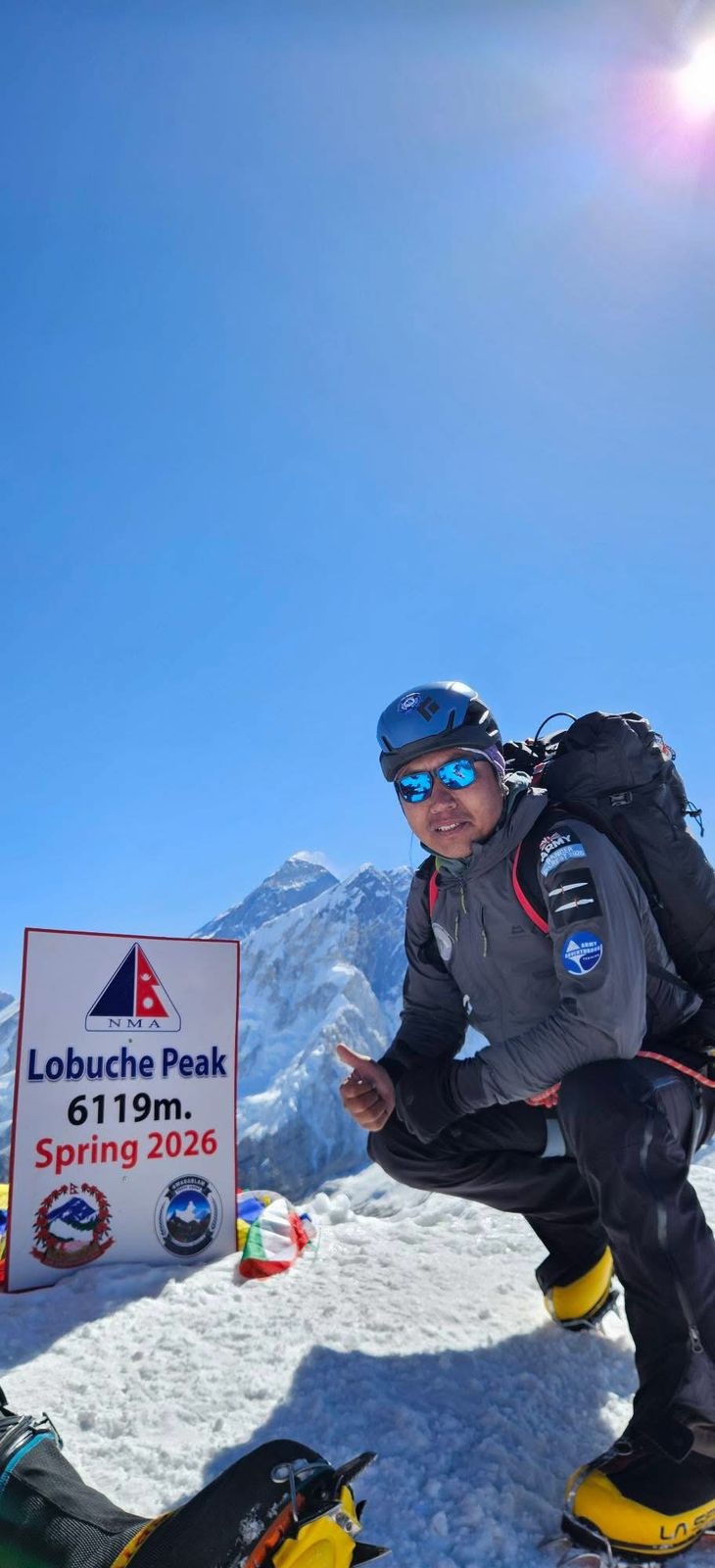
Mingma Wongchu Sherpa, Managing Director of Himalayan Sherpa Adventure—the company that exclusively ran the British Army Expedition on Everest this season—called the feat a page in climbing history. “They all created a history in Everest climbing,” he said.
He added that upon the team’s return to Kathmandu on May 26, British Ambassador to Nepal Rob Fenn hosted them at his residence. “The team are back in Kathmandu where they had an opportunity to meet and share their experience with His Majesty’s Ambassador Fenn at the British Embassy Kathmandu.”
On Everest, promotions are usually earned by surviving the climb. For Bijaya Rana, his Lance Corporal stripes came not in a muddy trench, but 8,848 metres above the sea—pinned by a Sherpa guide who, for one unforgettable moment, stood in as his commanding officer.
Comment