The Tourism Times | Breaking tourism-related news from Nepal and beyond
°C
Climbing
The master principle of war in the death zone: What Broad Peak teaches us about leadership
By
Krishna Prasad Bhandari
Published at : 2 Aug 2026, 11:08 AM
KATHMANDU: At the foundation of tactical military education rests a single, uncompromising maxim: the selection and maintenance of aim. Enshrined in operational manuals from UK’m military academy, Sandhurst, Nepali military academy, Kharipati to the US military academy West Point, this principle dictates that a commander must identify a clear, singular objective and focus all available assets toward its execution.
Yet, military doctrine carries a vital warning. In his seminal texts, strategist Carl von Clausewitz emphasized that a rigid commitment to an initial plan must never mutate into blind obstinacy when the battlefield baseline shifts.
The heartbreaking disaster on Pakistan’s 8,047-meter Broad Peak—which claimed the lives of a 10-member international expedition—stands as a stark case study of what happens when an unyielding military mindset is transferred directly into the chaotic reality of high-altitude mountaineering.
Fromspecialforcestothedeathzone
At the center of this tragedy was expedition leader Nirmal “Nimsdai” Purja, a 43-year-old pioneer who redefined human endurance. Born in Nepal’s Myagdi district, Purja served with distinction in the British military, first joining the Gurkha Rifles before breaking barriers as the first Nepali to enter the Special Boat Service (SBS), the UK’s most elite special forces naval unit.
Upon leaving active service, he achieved global renown by conquering all 14 of the world’s highest peaks in a record-shattering six months and six days. Driven by his operational motto, "Nothing Is Impossible", Purja had recently embarked on his ultimate campaign: to become the first person in human history to summit all 14 eight-thousanders twice without supplemental oxygen.
TheshiftonBroadPeak
Purja’s selection of aim for his Summer Pakistan itinerary initially prioritized Gasherbrum II. However, right before deploying, he chose to add Broad Peak to maximize his push for the historical record. On July 21, his team successfully topped Gasherbrum II. True to his rigorous special forces training, which instills a deep psychological momentum to lock onto an objective, Purja quickly moved his team to Broad Peak.
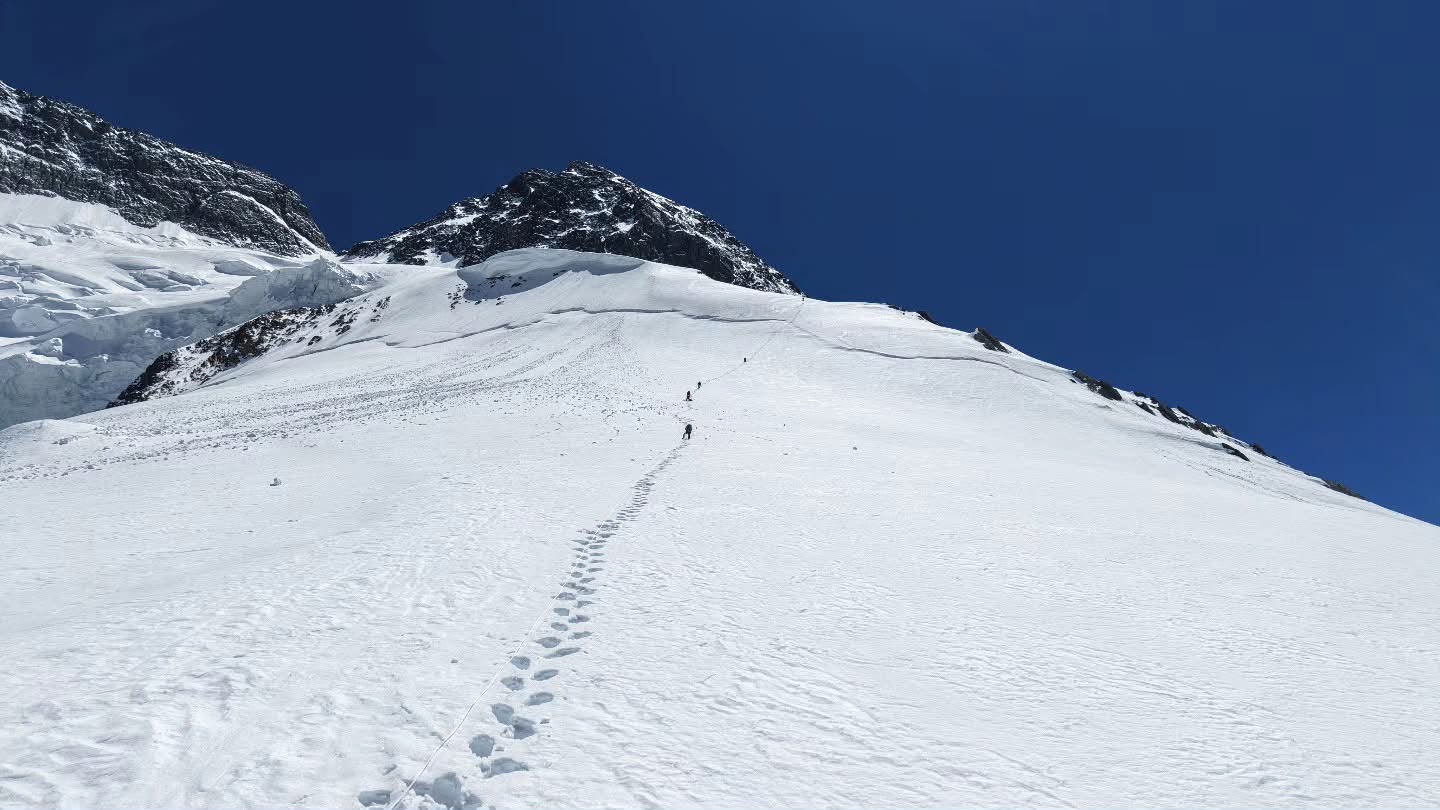
However, as the team ascended, the environment underwent a catastrophic transformation. Heavily accumulating snow overloaded the mountain's upper slopes, prompting other commercial teams to abandon their aims and retreat to base camp.
Where traditional civilian guides saw an unmanageable hazard, a combat-conditioned mindset can easily misinterpret extreme environmental friction as merely another barrier to be breached through sheer discipline.
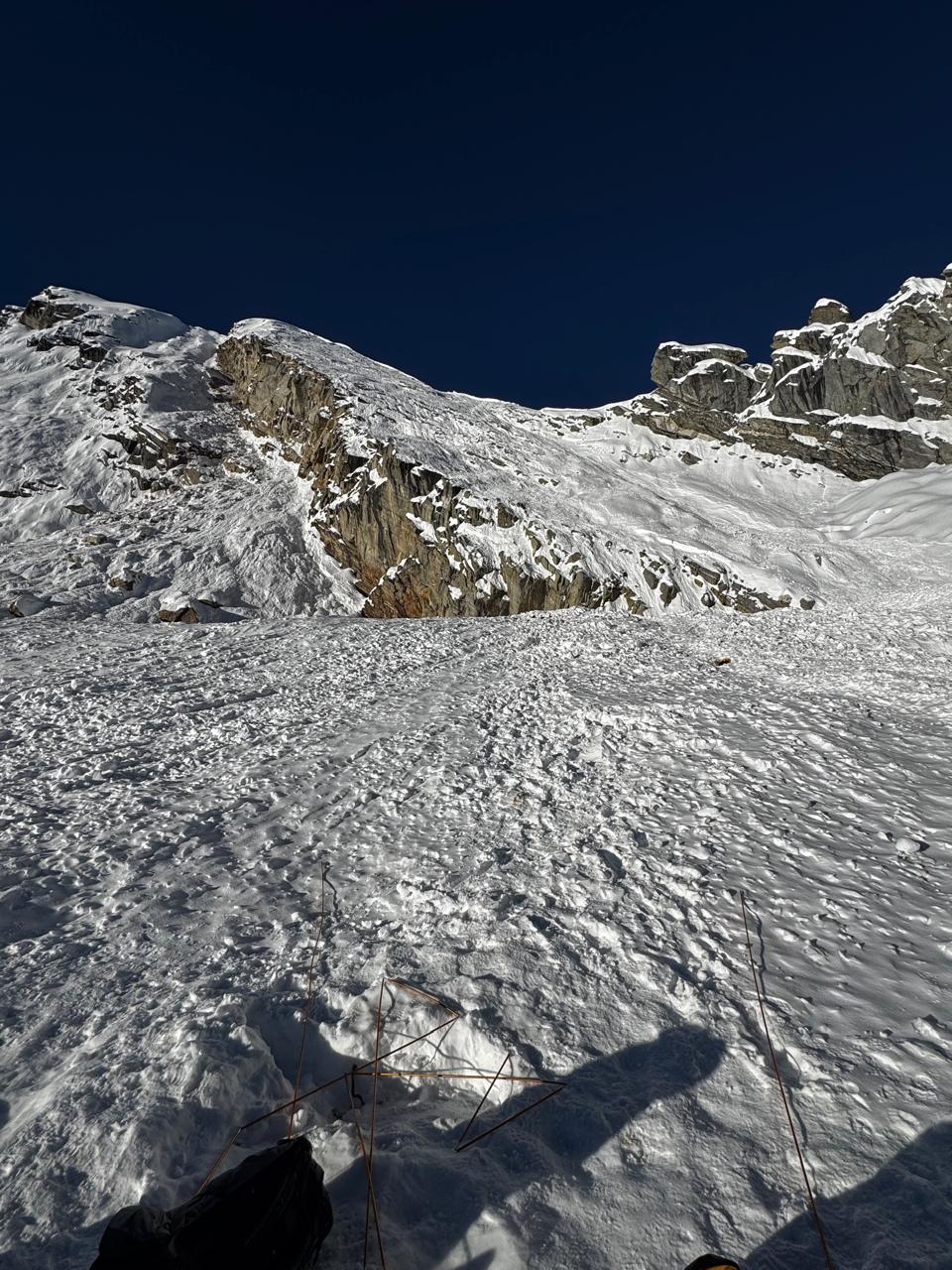
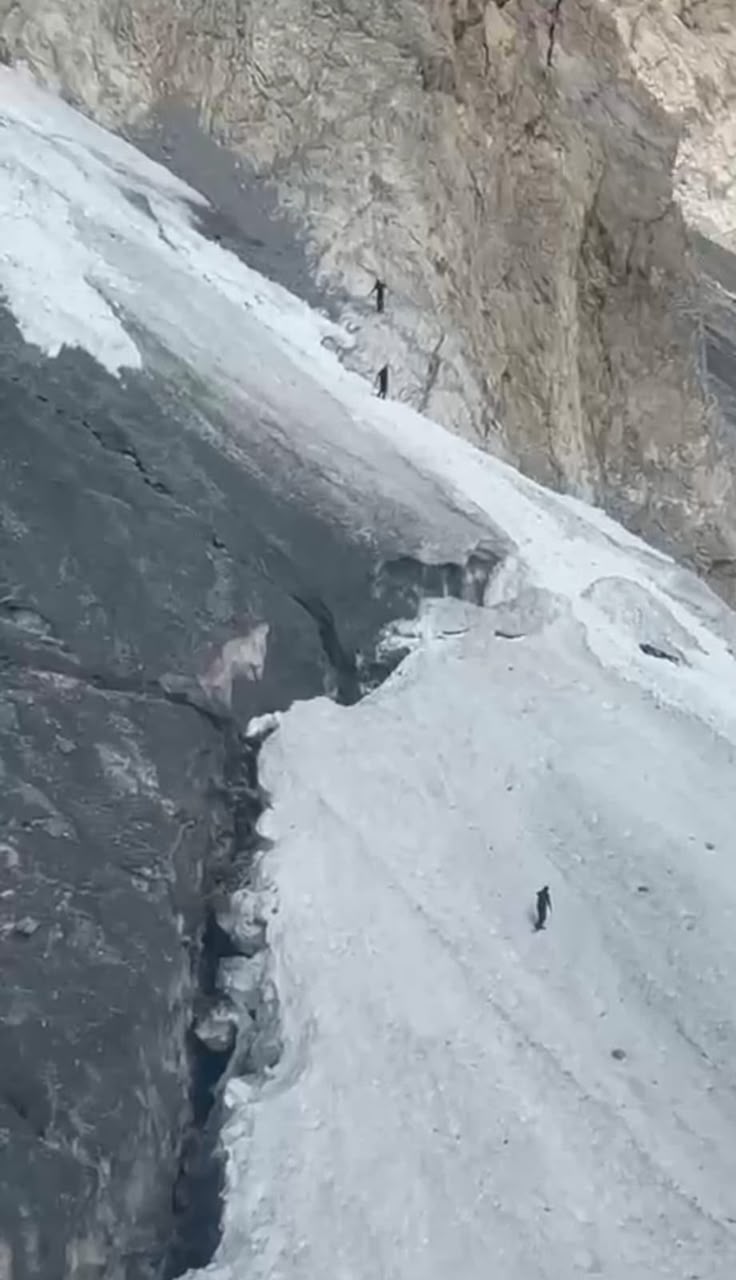
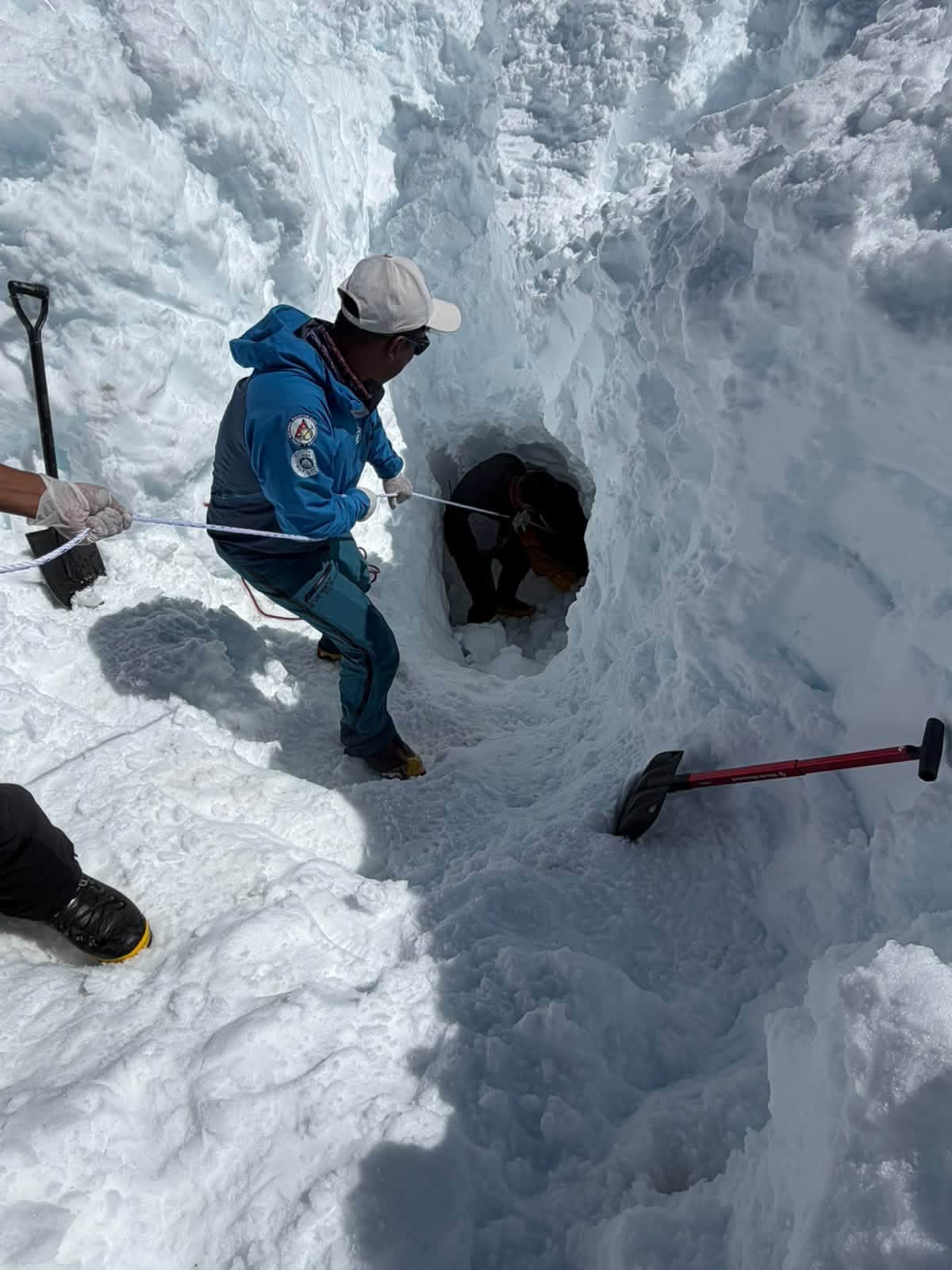
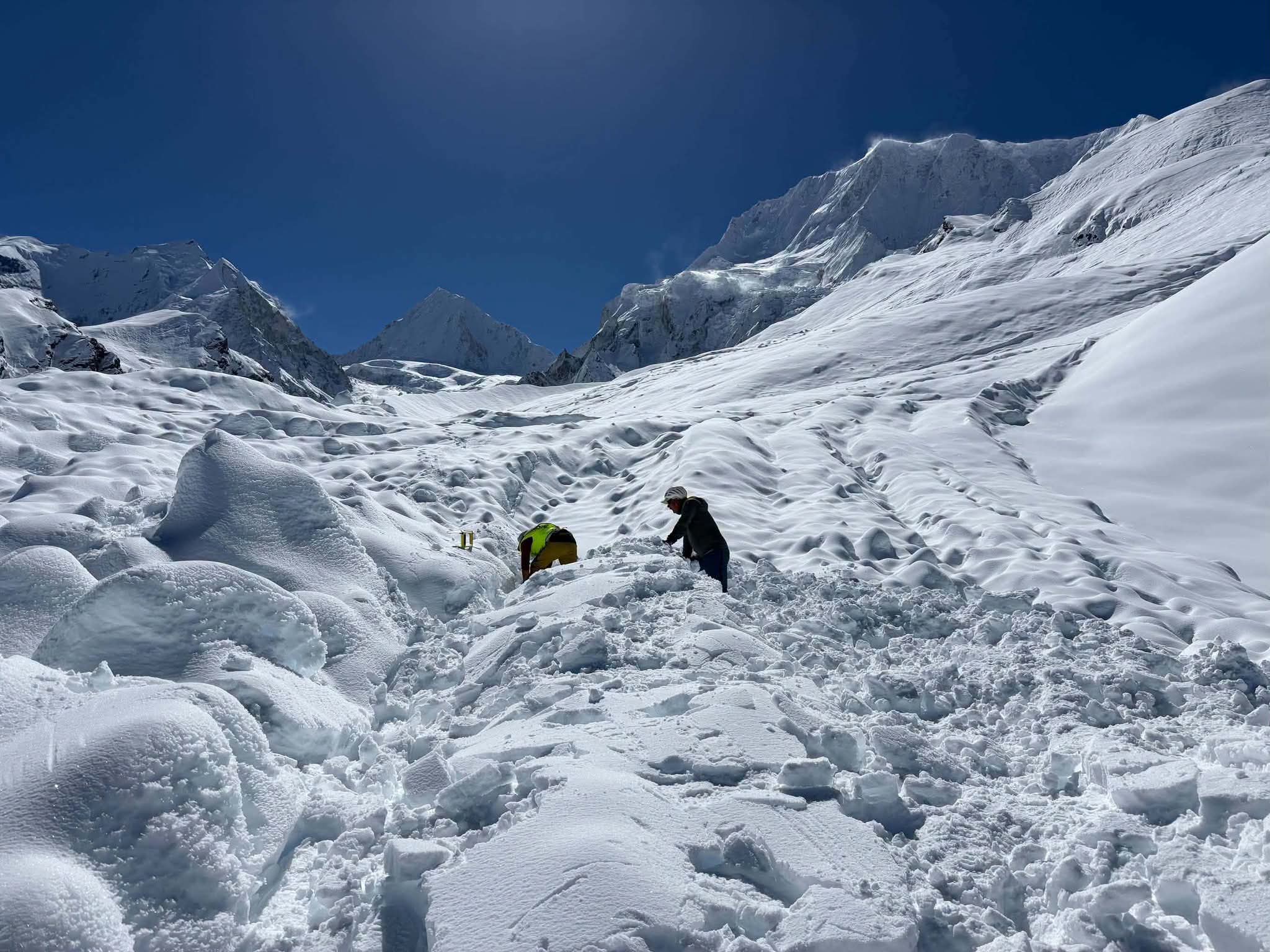
The consequences of maintaining that aim proved fatal. Around midday on Thursday, July 30, a massive avalanche tore through a high-altitude gully between Camp II and Camp III, severing all communication. Despite a rapid mobilization of ground teams and Pakistani military helicopters, the slide claimed the lives of Purja, his elite guiding partners Pur Bahadur Gurung (“Yukta”) and Nima Sherpa, as well as their international clients.
Anecessaryanalyticallens
In the immediate shadow of such immense loss, engaging in analytical deconstruction may feel insensitive or untimely to those mourning. However, it is precisely because of the deep respect owed to the victims and the gravity of their sacrifice that the mountaineering community must critically evaluate the incident.
According to the Australian Army Journal “at all levels the general confusion of war and the ever changing situation, makes it extremely difficult to ‘keep one's eyes on the ball.’ (https://researchcentre.army.gov.au/library/australian-army-journal-aaj/number-1-july-1948/principles-war) ” Yet, doctrine also demands that an objective be adjusted if it threatens total destruction.
To look away from the operational choices that led to this tragedy would be a disservice to the safety of future climbers. True analysis does not seek to tarnish a legacy; rather, it honors the fallen by converting a devastating failure into life-saving knowledge.
Inconclusion: Theultimatelimit
Ultimately, the Broad Peak disaster exposes the structural limitations of migrating military principles directly into the natural world. In a combat theater, maintaining an aim despite overwhelming hazards can mean the difference between victory and defeat against a human adversary.
Yet, nature is not a tactical opponent that can be outmaneuvered, out-disciplined, or intimidated by willpower. The mountain acknowledges no operational superiority. When the environment shifts past the threshold of human survival, the true hallmark of leadership is not the stubborn determination to push forward, but the tactical wisdom to abandon the aim and preserve the force.


 °C
°C 




Comment