

 °C
°C Mountain tourism stakeholders seek overhaul of proposed Tourism Bill
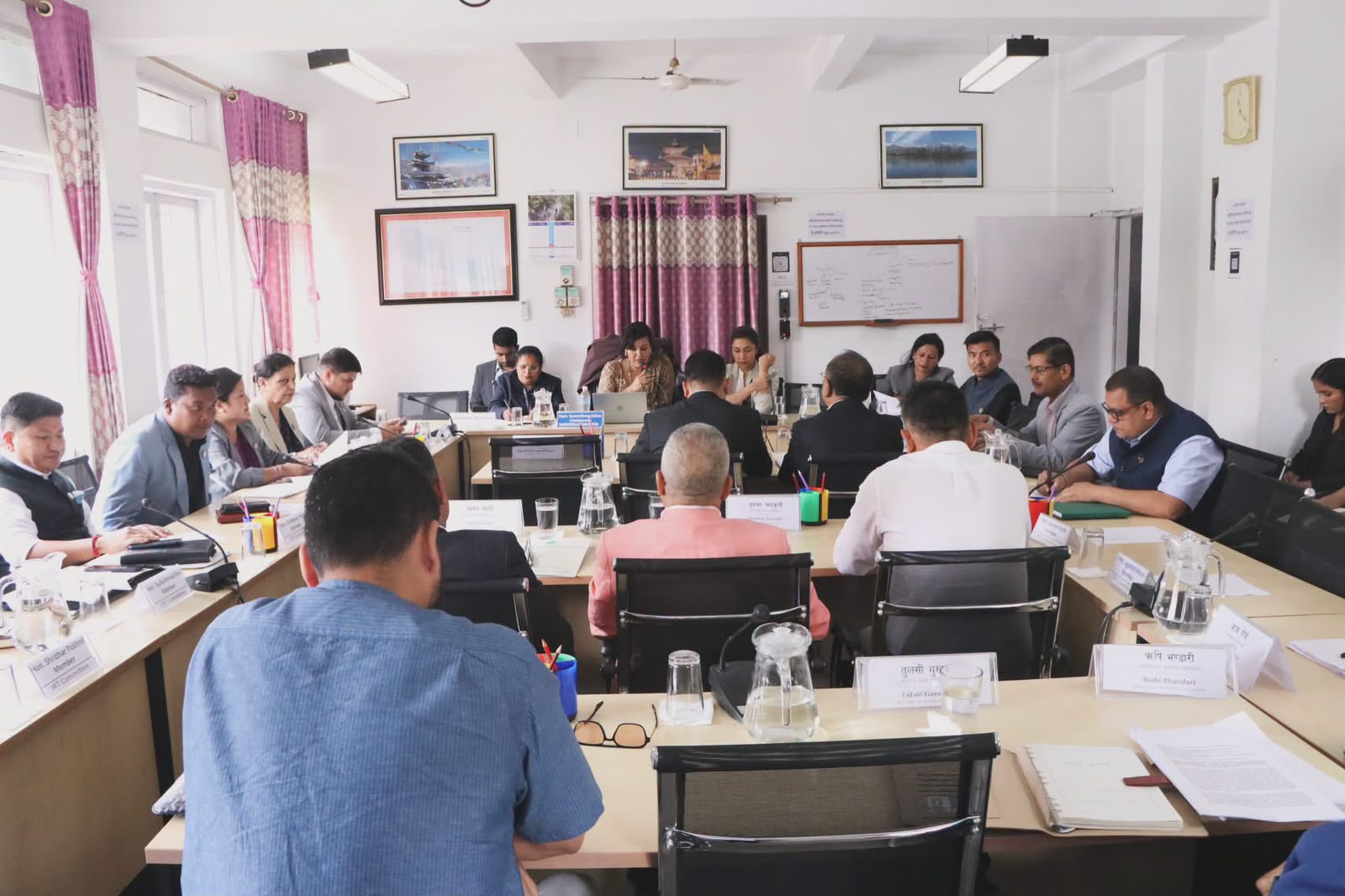
Stakeholders tell parliamentary committee the bill should set a 20–50-year tourism roadmap and clearly address safety, federal roles, investment and mountain communities.
Tags:
#Tourism
#Travel
#Trekking
#Mountaineering
#Tourism Policy
#Expedition
#Everest Region
#Tourism Economy
#Trails
#Climbing
#Mountain Guide
#Summit
#Sherpa
#Himalayas
Comment
Deependra Chapai
Nepal’s Tourism Is Different From Almost Anywhere Else. Our Strength Is Not Simply Mountains—it Is The Unique Combination Of Adventure, Culture, Spirituality, Biodiversity And Living Communities. Any New Tourism Law Or Policy Must Protect This Identity Rather Than Treat Tourism Only As A Business Or Revenue-generating Sector. What We Urgently Need Is A 30-year National Tourism Roadmap, With Clear Targets, Responsibilities, Budgets And Accountability—not Policies That Change With Every Government. We Are Already Seeing Serious Warning Signs On The Ground: Trekking Trails Being Destroyed By Unplanned Roads, Unmanaged Solid Waste, Declining Biodiversity, Erosion Of Local Cultures And Heritage, Overcrowding In A Few Destinations, And Tourism Workers Remaining Economically Vulnerable Despite Years Of Service. We Cannot Sell A Pile Of Garbage At A Remote Himalayan Destination As “tourism.” We Cannot Continue Accepting Poor Hygiene, Unsafe Trails And Weak Safety Standards As Normal. And We Should Not Build Our Tourism Image Around Pity—“look How Difficult Life Is Here”—when Nepal Has The Potential To Deliver World-class, Professionally Managed Tourism. Quality Tourism Requires Quality Workers. Guides, Porters, Cooks And Other Tourism Workers Need Proper Training, Certification, Grading, Insurance, Fair Wages And Opportunities For Professional Growth. Someone Who Has Carried Loads At High Altitude For 20 Years Should Not Still Be Treated As An Unskilled Worker With No Pathway Forward. We Also Need To Address Basic Governance Problems: Clear Professional Categories For Guides, Porters, Trekking Agencies And Other Tourism Businesses. Fair And Transparent Taxation Appropriate To Each Profession And Business Model. Stronger Safety And Emergency-response Standards. Food, Water And Hygiene Standards On Trekking Routes. Sustainable Waste-management Systems From Cities To Remote Mountain Villages. Fair Pricing And Protection Against Unhealthy Competition And Exploitation. Better Distribution Of Tourism Benefits To Local Communities. Most Importantly, We Need To Protect The Trails Themselves. A Trekking Trail Is Not Simply A Place Where A Road Has Not Yet Been Built. It Is Part Of The Landscape, Culture And Experience. For Example, Where Communities Need Reliable Energy, Let Us Invest In Appropriate Renewable Energy And Hydropower Solutions Rather Than Destroying Trekking Trails With Unnecessary Roads. Where Roads Are Genuinely Necessary, Plan Them Around Tourism, Environment And Local Livelihoods—not Through The Heart Of Established Trekking Routes Without Considering The Long-term Consequences. We Need Tourism Development Where Local People Receive The Maximum Possible Benefit From Tourism In Their Own Communities—better Health Services, Education, Clean Water, Waste Management, Connectivity, Skills And Dignified Employment. Imagine If Nepal Developed A Mountain Waste-management Model So Effective That The World Came Here To Learn From Us. Imagine If Our Trekking Workers Were Among The Best-trained Adventure Professionals In The World. Imagine If Our Villages Could Preserve Their Architecture, Traditions And Biodiversity While Earning A Dignified Income From Tourism. It Is Possible. We Already Have The Mountains, Culture, Communities And Experience. What We Lack Is Long-term Vision, Coordination And Political Commitment. So The Real Question For The Proposed Tourism Bill Is Not Only “What Should The Law Say?” It Is: How Visionary Are We Willing To Be About Nepal’s Tourism For The Next 30 Years? Those Of Us Working On The Trails Every Season See Both The Opportunities And The Damage Firsthand. Please Listen To The People Who Live And Work There—not Only Those Sitting In Offices. Protect The Trails. Protect The Culture. Protect Biodiversity. Professionalize The Workers. Empower Local Communities. Build Tourism For The Next Generation, Not Just The Next Season.