The Tourism Times | Breaking tourism-related news from Nepal and beyond
°C
T3 Special
Nepal Tourism Bill draws 263 amendments as lawmakers push for overhaul of mountaineering, casino and digital tourism rules
By
Tourism Times
Published at : 20 Jul 2026, 10:19 AM
KATHMANDU: Nepal's long-awaited Tourism Bill 2081 has attracted 263 amendment notices from 58 members of the House of Representatives, signalling that the legislation, which covers everything from hotel licensing and mountaineering permits to casino regulation and digital tourism, faces significant revision before it can be enacted.
Speaker Dol Prasad Aryal has accepted all 263 amendment notices for discussion under Rule 113 of the House of Representatives Rules 2083.
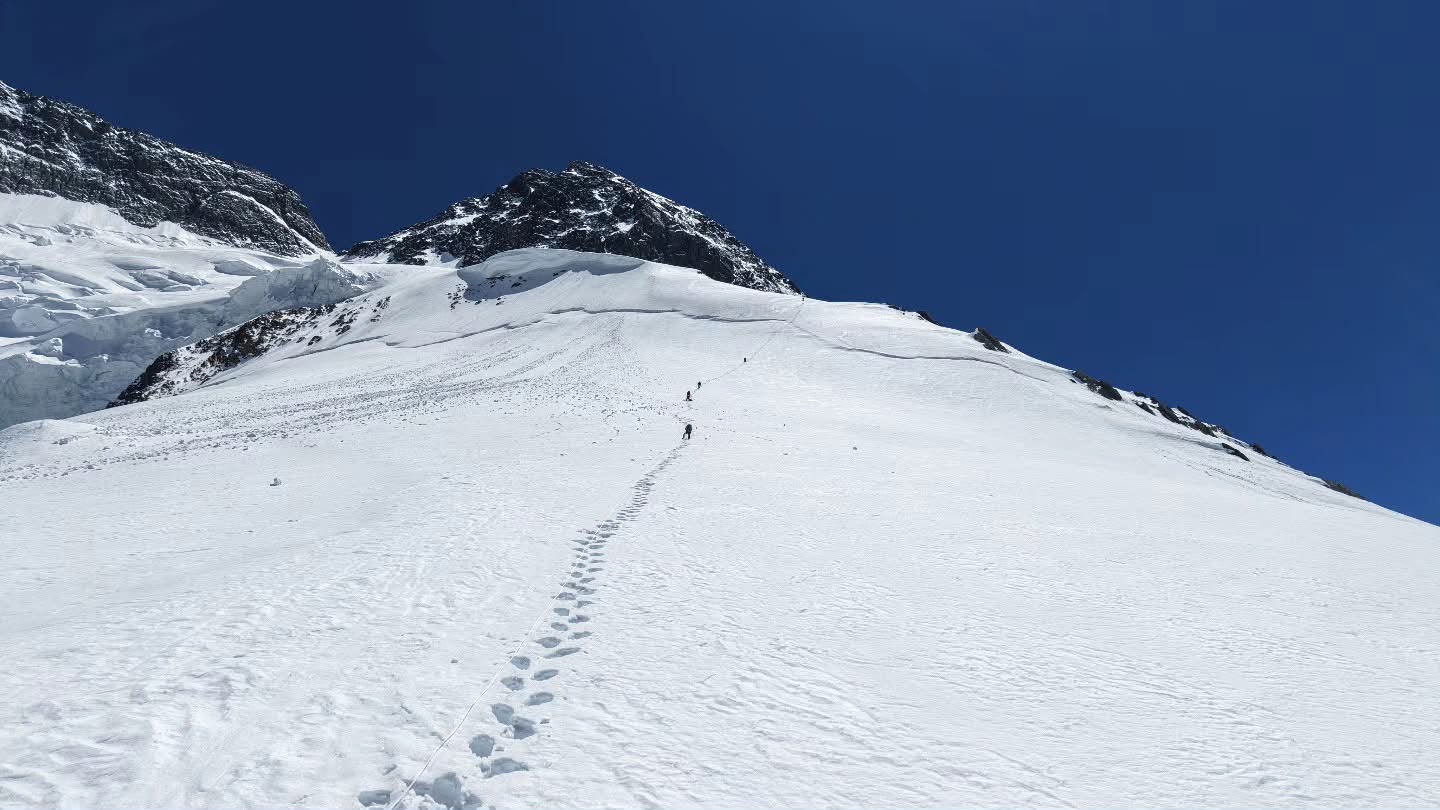
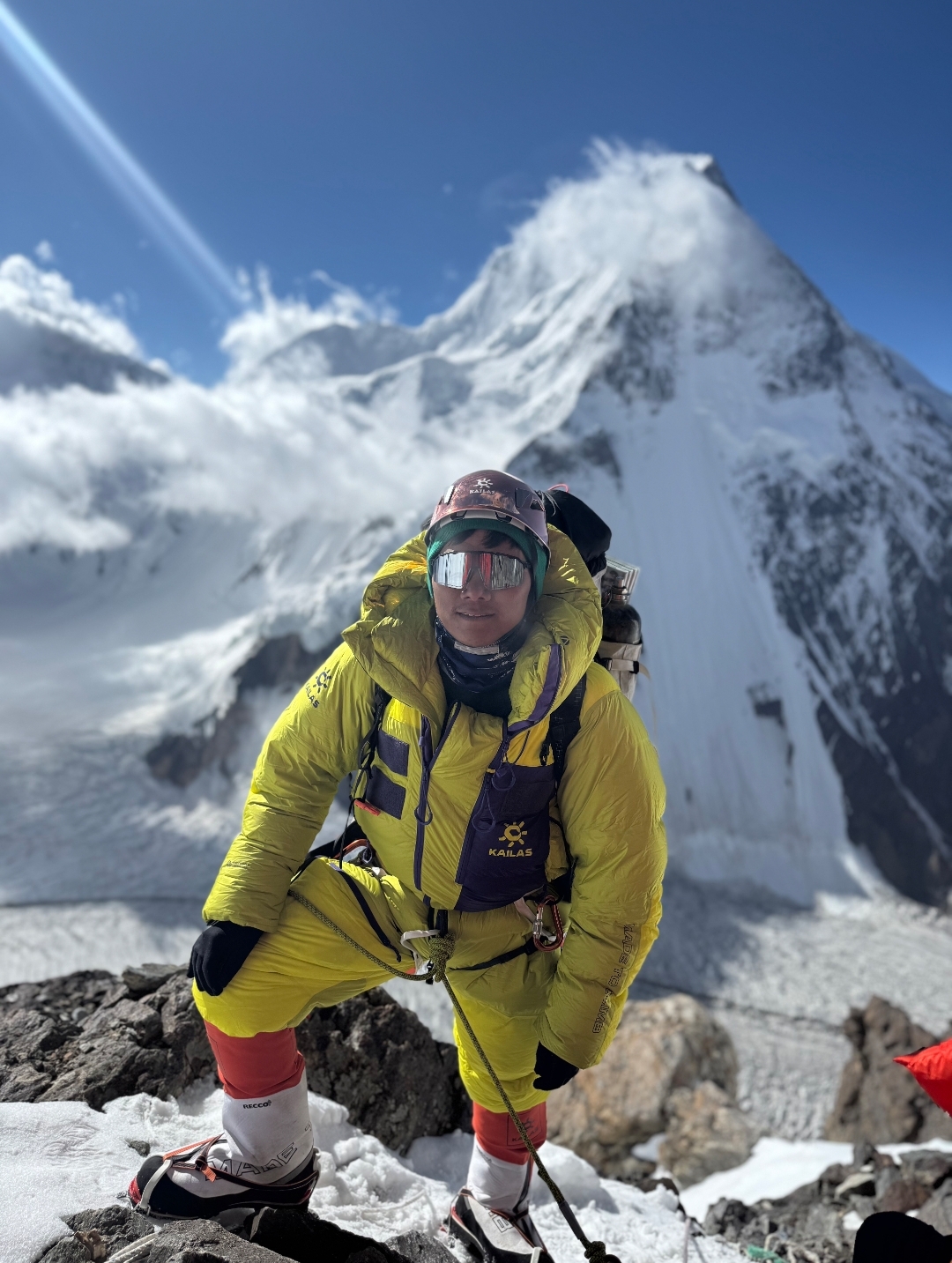
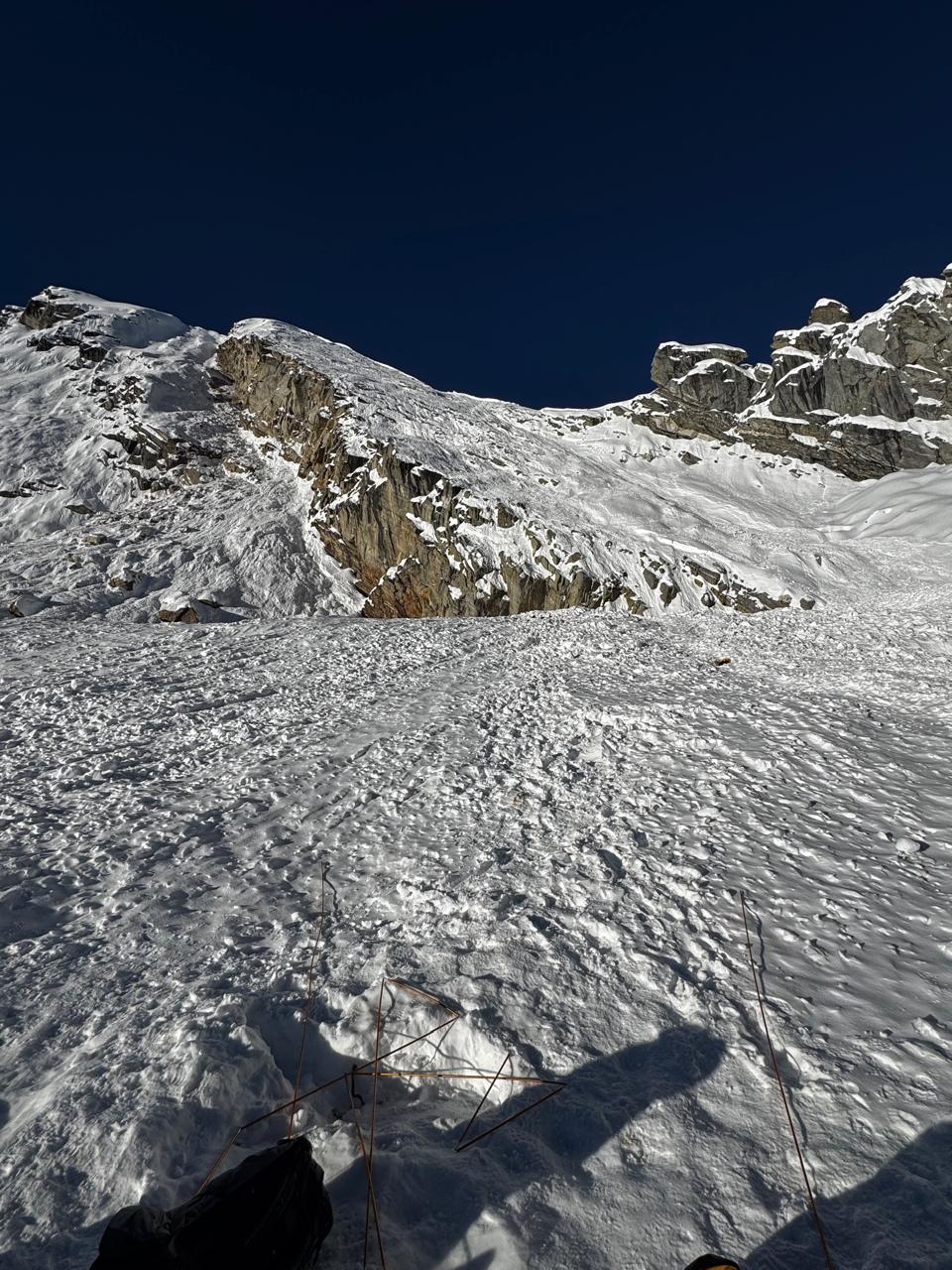
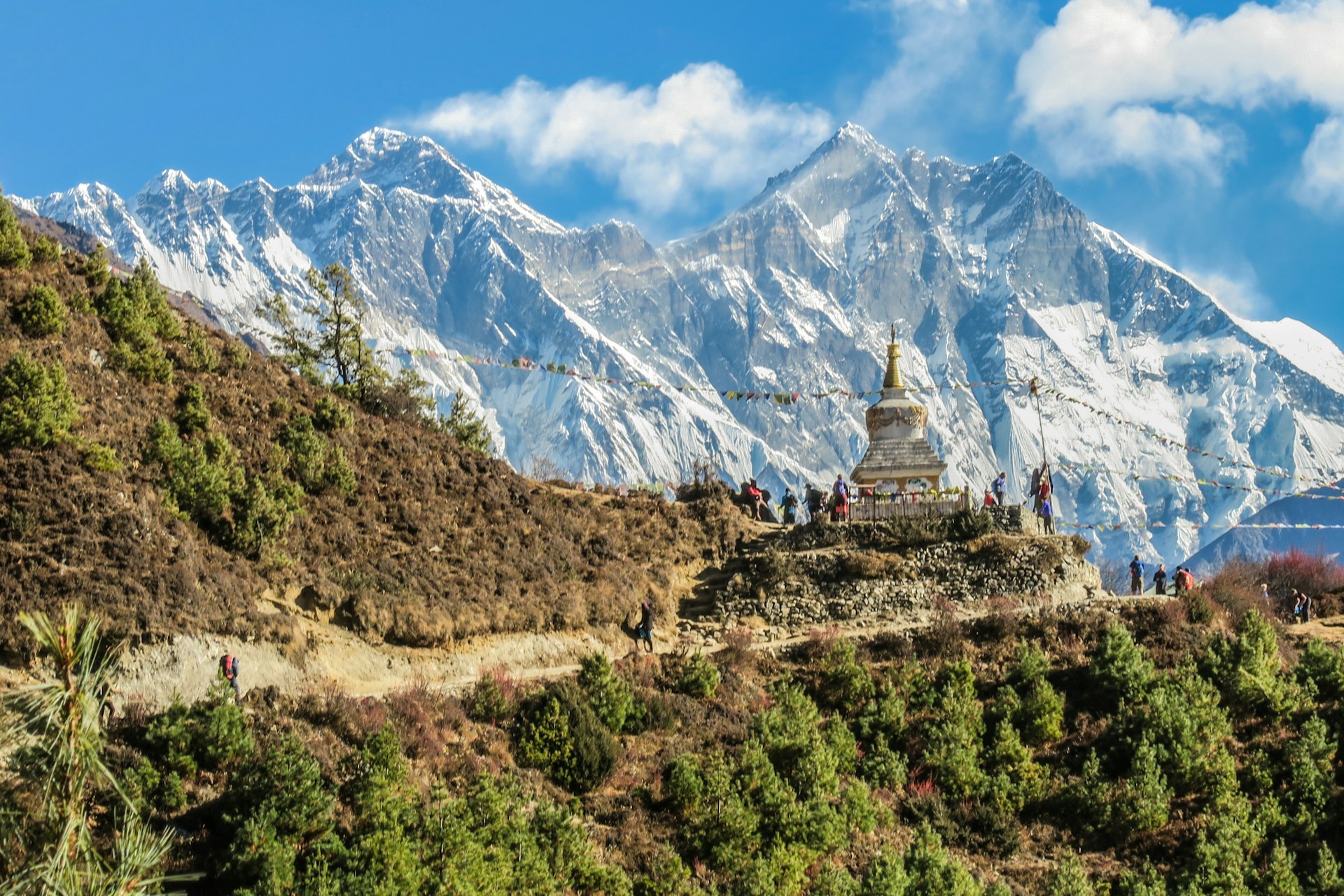
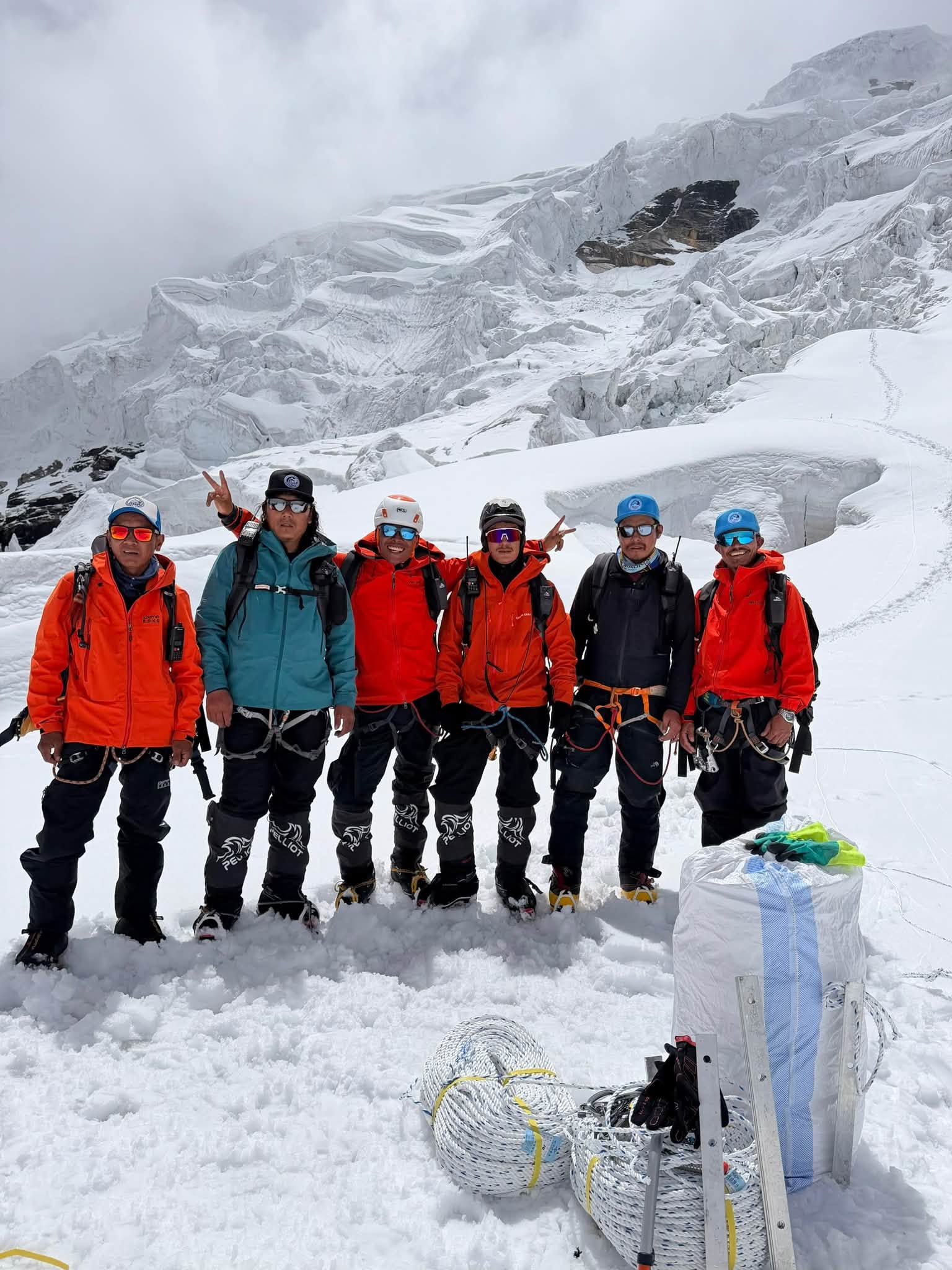
Among the most consequential amendments are those targeting mountaineering regulation. Several lawmakers have proposed that Everest climbing permits should only be issued to those who can demonstrate a prior successful ascent of at least one peak above 7,000 metres in Nepal. Others have gone further, suggesting an 8,000-metre prerequisite, while one proposal would require two peaks above 6,000 metres and one above 7,000 metres before an 8,000-metre permit is issued.
One amendment proposes auctioning Everest and other peak permits above a minimum price to the highest bidder, within a cap set by carrying capacity assessments for each mountain each season. Another calls for fixed camp plots at base camp and higher camps to be centrally allocated by the Department of Tourism rather than left to individual expedition teams.
A cluster of amendments would require all mountaineering expedition packages, promotion and sales to be routed exclusively through Nepal-registered trekking agencies, prohibiting foreign companies from selling packages directly. All financial transactions would be required to pass through Nepali banks, with foreign exchange settlements through Nepal Rastra Bank.
Amendments also propose establishing integrated check posts at base camps of all open peaks, led by Nepal Army officers and including representatives from the Department of Tourism, the environment ministry and local governments, with authority to cancel permits on the spot for violations.
On porter and high-altitude worker protections, proposals include capping loads above base camp at 20 kg in normal conditions and 15 kg above 3,500 metres, mandatory insurance covering death, medical treatment and search and rescue, and a right to refuse unsafe assignments without penalty.
The casino provisions of the bill have drawn the largest cluster of amendments, with multiple lawmakers calling for an independent Casino Regulatory Unit under the ministry rather than the Department of Tourism handling oversight.
Several proposals would require full disclosure of ultimate beneficial owners holding ten percent or more of any casino-licensed company, with transfers requiring regulatory approval. Others call for mandatory KYC systems, real-time Financial Intelligence Unit monitoring, Suspicious Transaction Reports and an AML compliance officer at each casino.
On foreign investment, competing proposals range from capping foreign ownership at 49 percent to requiring at least 25 to 30 percent local ownership of the hotel or resort in which a casino operates. One amendment proposes that companies currently operating multiple casinos under a single licence be required to either choose one or establish separate companies for the others within defined transition periods ranging from three months to five years depending on the proposal.
Multiple Madhesh-based lawmakers have tabled identical amendments seeking the removal of a clause that would restrict casino licensing, with some proposing designated casino zones or casino villages subject to feasibility study.
Digitalnomadvisas, newtourismcategories
A significant set of amendments seeks to add entirely new provisions to the bill. These include a digital nomad visa framework — allowing foreign nationals working remotely for overseas employers to reside temporarily in Nepal — with provisions covering duration, renewal, minimum income thresholds, health insurance and tax obligations.
Other new categories proposed for inclusion in the bill's schedule of tourism businesses include hot air ballooning, glamping, astro-tourism, voluntourism, virtual tourism, digital heritage experience services, community-based sustainable tourism, wellness and yoga tourism, agricultural tourism, indigenous tourism, tea tourism, and workation tourism.
NepalTourismAuthorityproposed
Several lawmakers have proposed the establishment of a Nepal Tourism Authority as an autonomous statutory body, restructured from the existing Department of Tourism, with separate wings for promotion and regulation to avoid conflicts of interest.
One proposal would give the Tourism Authority a tourism development fund drawing from royalties, permit fees, foreign aid and government allocations, with at least 60 percent of funds spent in the local government area where the relevant mountain or attraction is located.
Otherkeyproposals
Among the range of other amendments: mandatory bilingual websites for licensed tourism businesses within six months of licensing; universal design standards for tourism infrastructure to ensure accessibility for persons with disabilities, elderly visitors and children; a carrying capacity assessment obligation for special tourism zones within two years of designation; mandatory food safety standards across all hotels and restaurants in coordination with the Department of Food Technology and Quality Control; and a tourism ombudsman or guarantee fund for resolving tourist complaints.
Proposals on royalty distribution would direct a fixed share — ranging from ten percent to 40 percent depending on the proposal — to local governments and Himalayan community development funds from mountaineering royalties.
The bill is now before the House committee stage, where the accepted amendments will be taken up for debate and consolidation.


 °C
°C 
Comment