The Tourism Times | Breaking tourism-related news from Nepal and beyond
°C
T3 Special
Nirmal ‘Nimsdai’ Purja: The climber who turned the impossible into a matter of months
By
Tourism Times
Published at : 7 Aug 2026, 8:13 PM
• OBITUARY
KATHMANDU: Nirmal “Nimsdai” Purja, the Nepal-born mountaineer who compressed the challenge of climbing all 14 of the world’s 8,000-metre peaks from years into months and helped place Nepali climbers at the centre of global mountaineering, died in an avalanche on Broad Peak in Pakistan on July 30. He was 43.
Purja’s death came while he was pursuing yet another ambitious chapter in a climbing career defined by records. By July 2026, his published tally stood at 57 successful ascents of 8,000-metre peaks, including 29 without supplemental oxygen. He was working towards a third circuit of the 14 eight-thousanders when the Broad Peak expedition ended his life.
For a climber who became synonymous with Himalayan speed, Purja's path to the world's highest mountains began far from the peaks.
Born on July 25, 1983, in Dana, Myagdi, and raised largely in Chitwan, Purja grew up in a family with a strong Gurkha tradition. His father and three elder brothers had served as Gurkhas, and he followed them into the British Army, joining the Gurkhas at 18 in 2003. He spent six years in the regiment before becoming the first Nepali accepted into the Special Boat Service (SBS), where he served for another decade.
His military career shaped much of the approach that later defined his mountaineering: assessing difficult situations quickly, making decisions under pressure and maintaining focus on the wider objective. He eventually became a subject matter expert in extreme cold-weather warfare within the SBS mountain cell.
A late start to climbing
Purja did not begin his mountaineering career as a child growing up in the Himalayas. His first exposure came during a trek to Everest Base Camp in 2012 while on leave from the SBS. He subsequently climbed Lobuche East, his first mountain, before gradually moving towards more demanding Himalayan expeditions.
He reached Everest for the first time in 2016. During the descent, he carried out a solo rescue of a stricken climber high in the death zone, an episode that became an early indication of the importance he placed on helping others on the mountain.
His climbing partnership with Mingma David Sherpa also began around this period. The two later became close friends and business partners, eventually founding Elite Exped.
After a decade in the SBS, Purja left the military in early 2019 to pursue a project that many considered unrealistic.
He called it Project Possible.
189 days that changed mountaineering
At the time, the fastest recorded ascent of all 14 eight-thousanders was nearly eight years. Purja set out to complete the same feat in seven months. He left the military, gave up his pension and put his home and financial future at risk to finance the expedition.
He began with Annapurna on April 23, 2019, and completed the sequence on Shishapangma on October 29, taking 189 days, six months and six days.
The achievement transformed the perception of how quickly the world's highest mountains could be climbed. During the project, Purja climbed six eight-thousanders in Nepal in 31 days, all five of Pakistan's eight-thousanders in 23 days, and Everest, Lhotse and Makalu within 48 hours and 30 minutes.
But Project Possible was never a solo story.
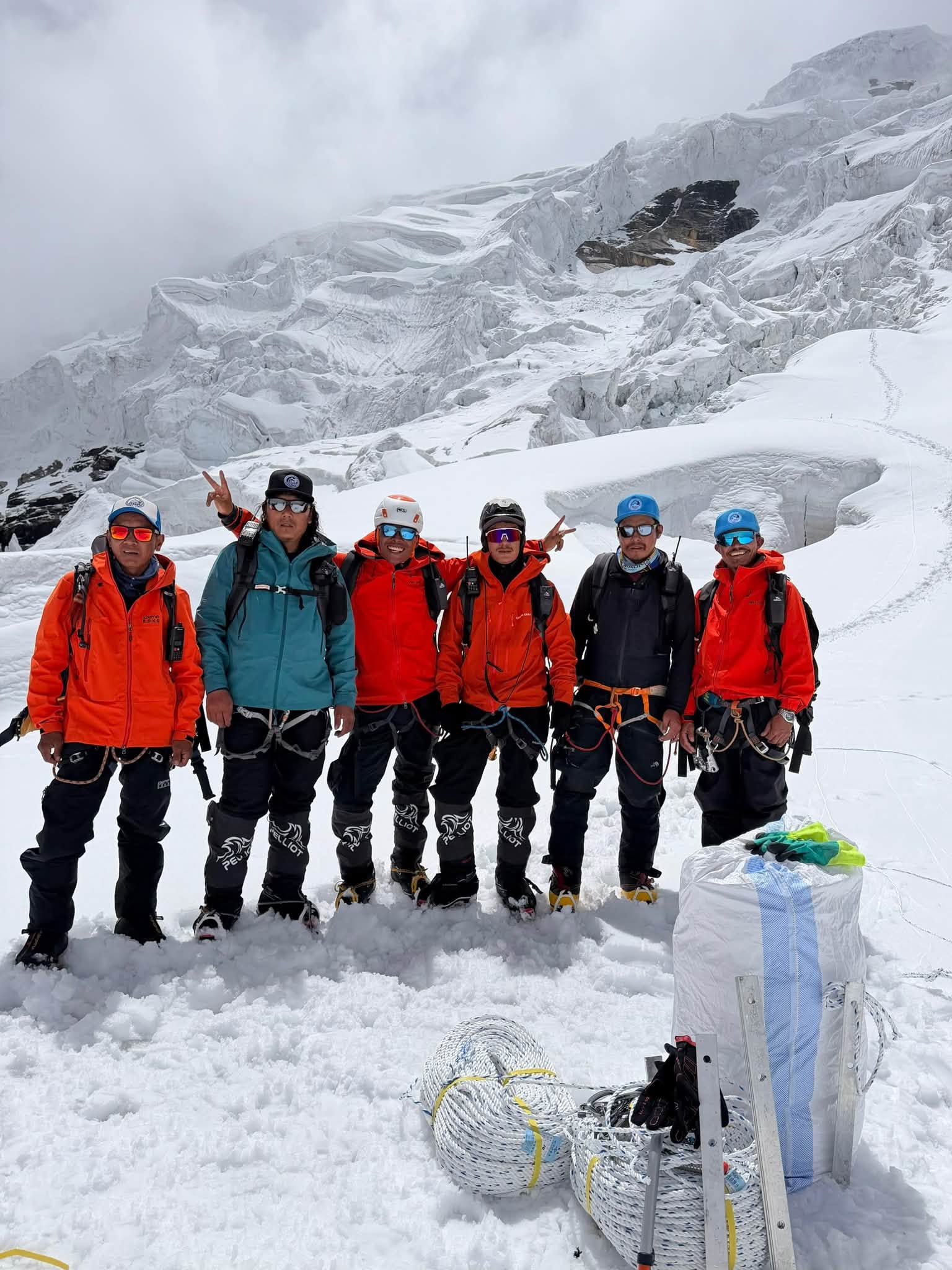
Mingma David Sherpa, Geljen Sherpa, Lakpa Dendi Sherpa, Gesman Tamang, Tensi Kasang Sherpa, Halung Dorchi Sherpa and other Nepali climbers played important roles throughout the expedition.
Purja's strength lay not only in his ability to move quickly at altitude, but also in assembling teams, coordinating logistics and moving between mountains at extraordinary speed.
His achievement also changed the visibility of Nepali mountaineers. For years, Sherpas and Nepali high-altitude workers had often appeared in international climbing stories as support figures. Purja increasingly presented Nepali climbers as expedition leaders, elite athletes and record-setters in their own right.
K2 And the power of a team
Perhaps the most symbolic moment of his career came less than two years later.
On January 16, 2021, Purja and nine other Nepali climbers made the first winter ascent of K2, the world's second-highest mountain and the last eight-thousander to remain unclimbed in winter.
The team reached the summit together while singing Nepal's national anthem. Purja completed the climb without supplemental oxygen. Among the team was Kili Pemba Sherpa, who would later die alongside Purja on Broad Peak.
The K2 ascent reflected another defining feature of Purja's career: ambition built around a strong team rather than solely individual achievement.
He also repeatedly demonstrated a willingness to interrupt his own objectives to help other climbers. During Project Possible, he participated in the rescue of Malaysian climber Chin Wui Kin from Annapurna after the climber had spent about 40 hours stranded without food, water or oxygen. On Kangchenjunga weeks later, Purja and his teammates gave up their own oxygen while attempting to help climbers in distress.
Beyond the records
Purja's influence extended well beyond the mountains.
His story reached a global audience through the Netflix documentary 14 Peaks: Nothing Is Impossible, while his memoir, Beyond Possible, further popularised his philosophy of challenging accepted limits.
He also sought to use his success to support the people and places connected to Himalayan mountaineering.
The Nimsdai Foundation, established in 2022, worked on education, environmental initiatives, disaster relief and rehabilitation. Its mountain clean-up campaigns reported removing hundreds of kilograms of waste from Manaslu, Everest and K2.
In June 2026, the foundation opened the Porter House in Lobuche, at about 5,030 metres, intended to provide accommodation for up to 100 porters on the Everest Base Camp trail. The foundation also supported scholarships, rural infrastructure and disaster relief.
Purja's climbing achievements were formally recognised in several ways. He received an MBE for outstanding achievements in extreme high-altitude mountaineering and the Piolets d'Or Asia/Sherpa of the Year recognition.
Purja's legacy, however, cannot be reduced to records.
His approach to mountaineering generated debate over the use of supplemental oxygen, fixed ropes, established routes and helicopters in high-altitude expeditions. His 2019 achievement was later reassessed after questions over whether the geographical summits of Manaslu and Dhaulagiri had been reached during the original sequence; he returned to both mountains in 2021.
The Broad Peak ending
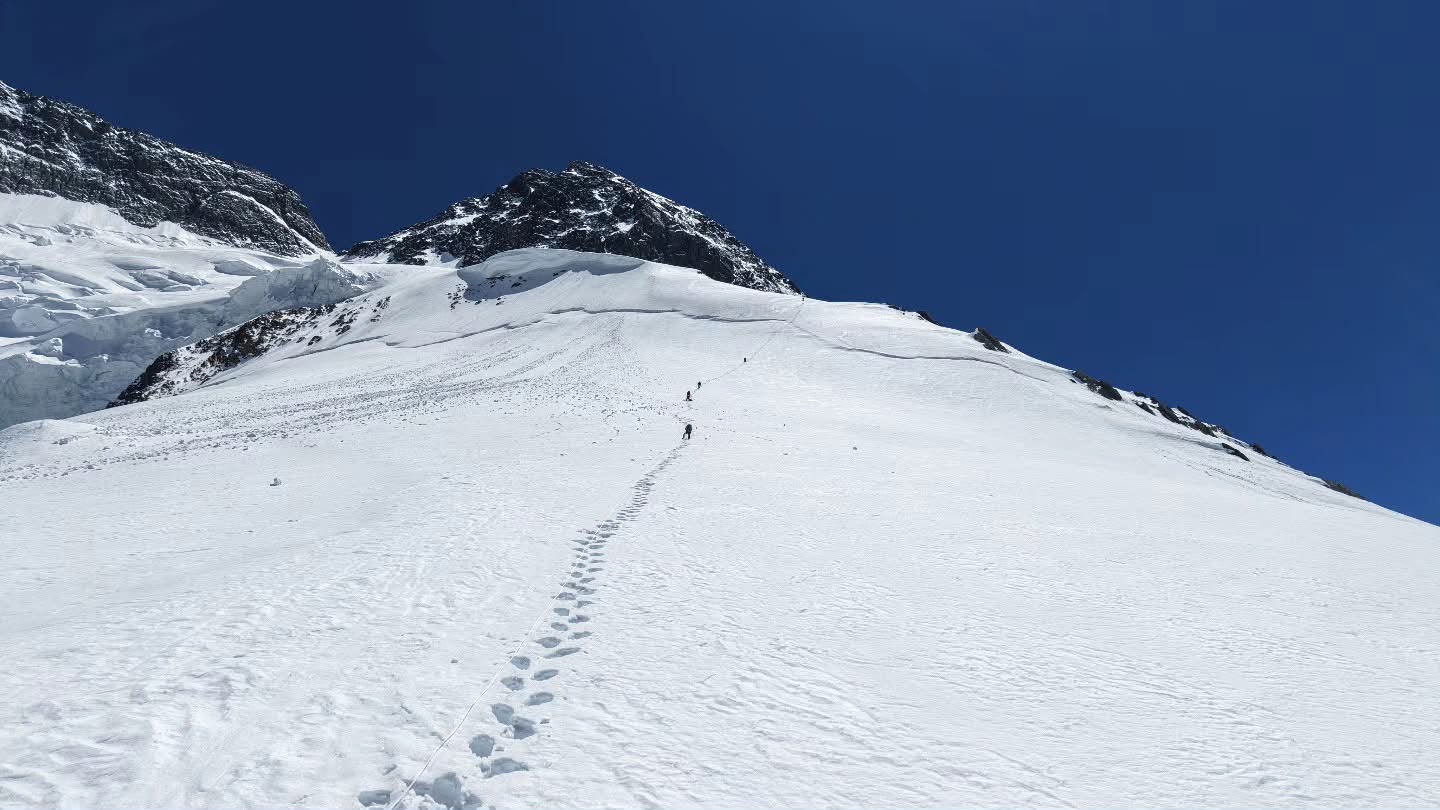
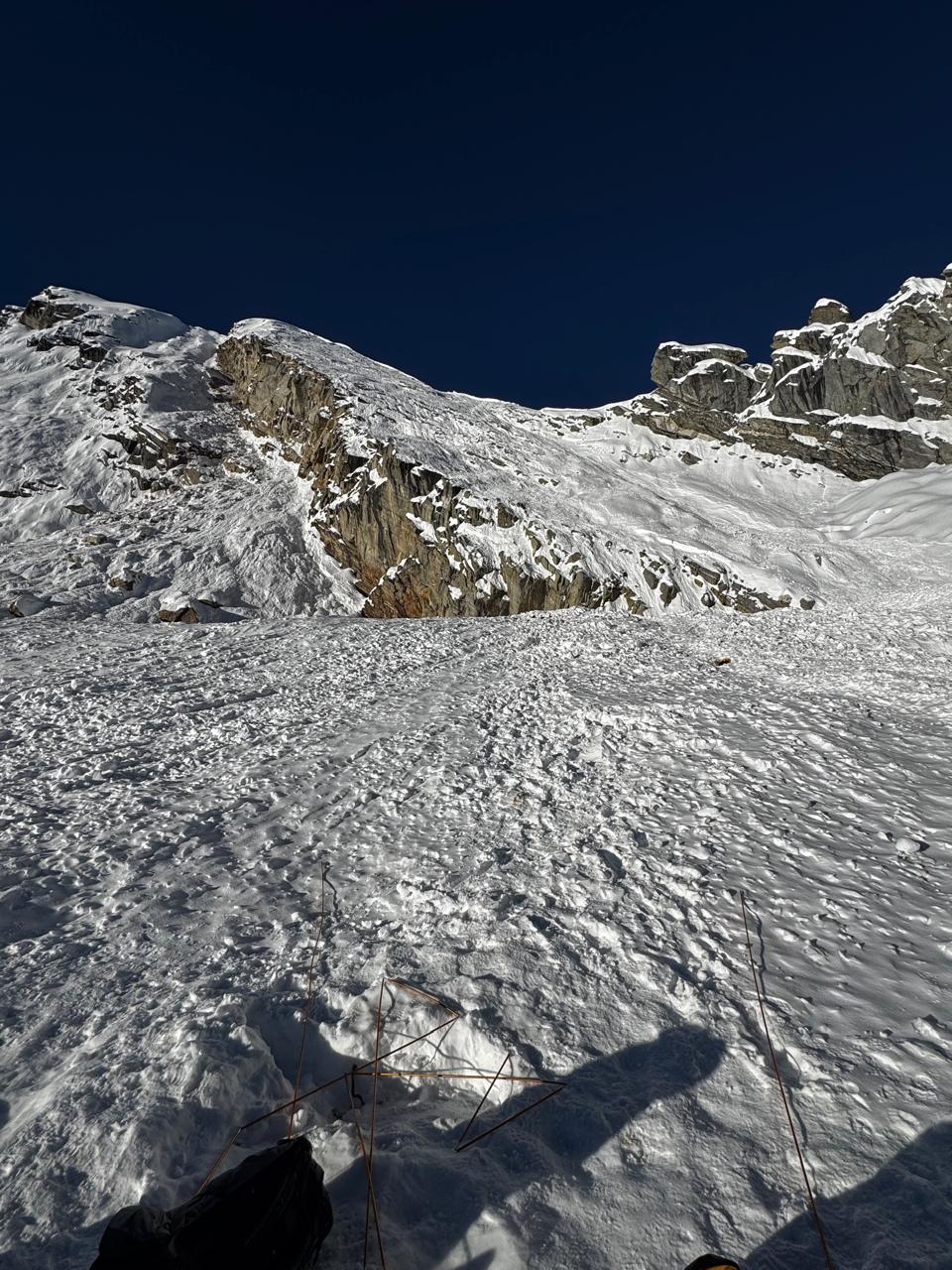
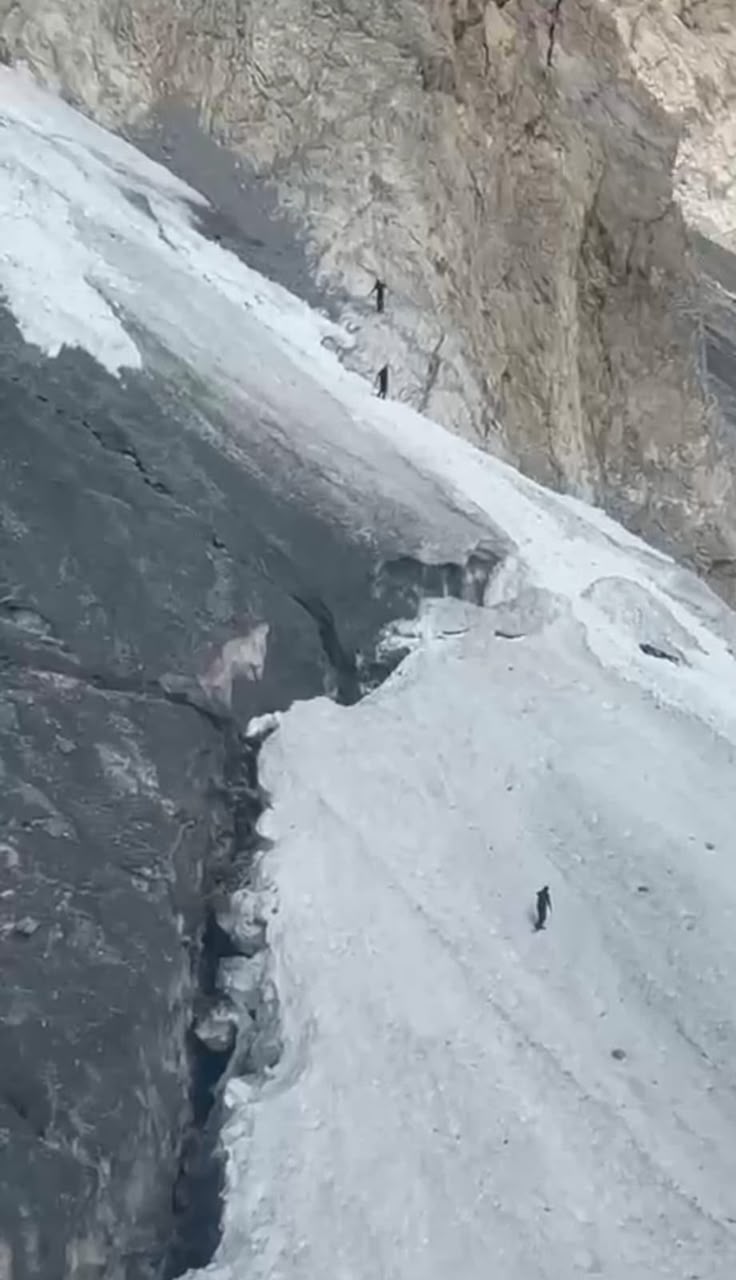
On July 30, 2026, an avalanche swept through a 10-member international team on Broad Peak at around 6,600 metres. Purja was among those killed.
Elite Exped confirmed his death on August 1. A Nepali-Pakistani recovery team later retrieved his body at approximately 5,700 metres, together with the bodies of Kili Pemba Sherpa, Nima Sherpa and Chinese climber Wang Zhong. All 10 members of the expedition died.
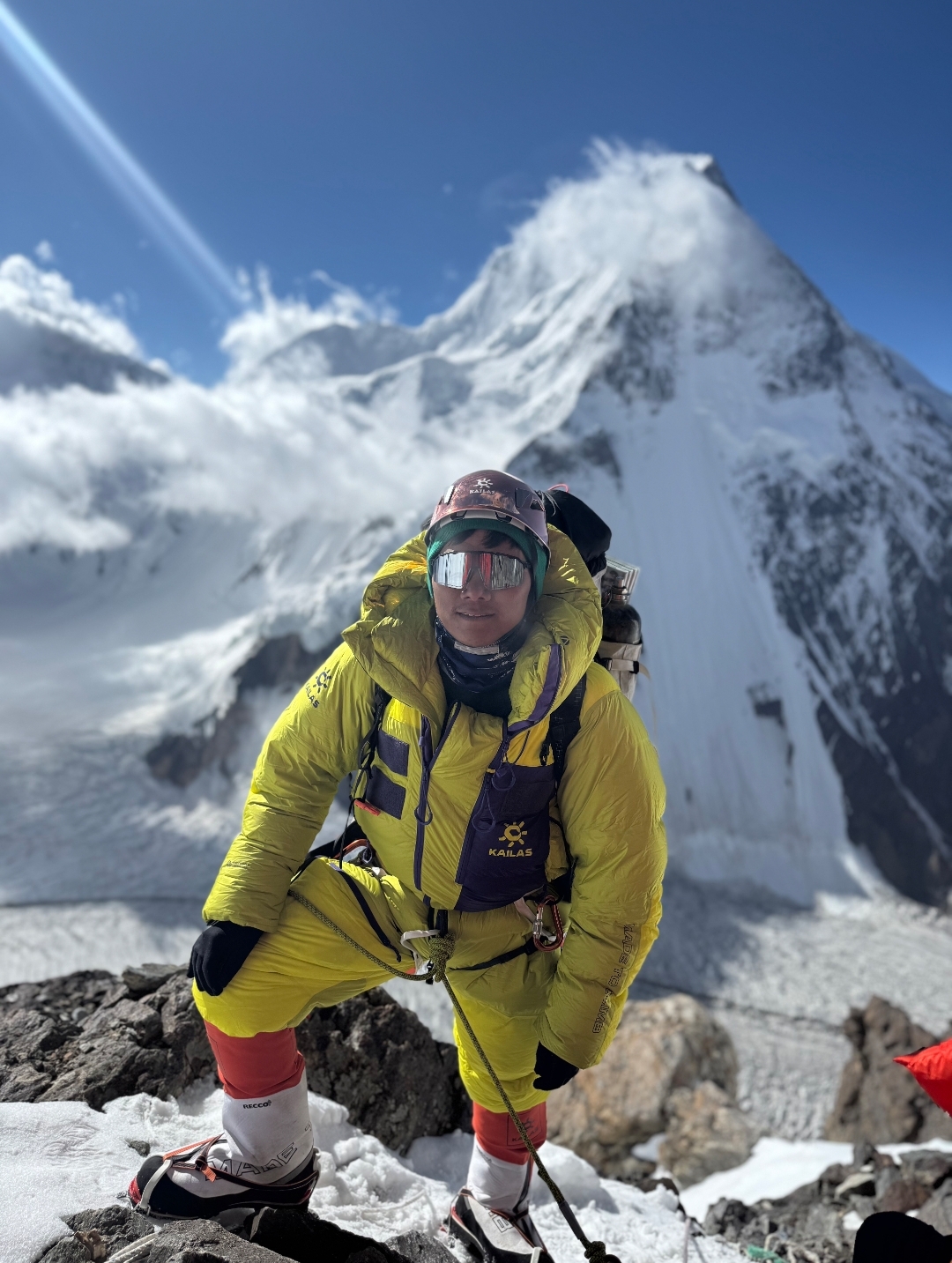
Only days before his death, Purja had stood on G-II, completing what Mingma Gyabu Sherpa described as his 57th successful ascent of an 8,000-metre peak, including 29 without supplemental oxygen. With Cho Oyu remaining, he had been pursuing another extraordinary objective: completing all 14 eight-thousanders three times while also working towards a third Seven Summits.
He did not finish that project.
But the significance of Nirmal Purja's career was never solely about whether every record survived.
He changed the pace of Himalayan mountaineering. He changed the visibility of Nepali climbers. He built teams, companies and a foundation around the mountains, while inspiring a generation to regard previously unthinkable objectives as possible.
Before Nimsdai, the 14 eight-thousanders were counted in years. After Nimsdai, they were counted in months.
Records will eventually be broken. His methods will continue to be debated. But the era he helped create will remain part of the history of modern Himalayan mountaineering.


 °C
°C 

Comment