

 °C
°C 'Our role is to bridge govt and private sector': New NTB Board Member Pemba Sherpa
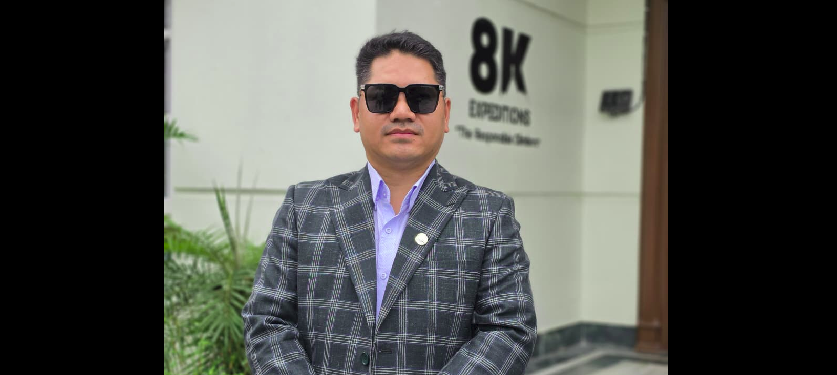
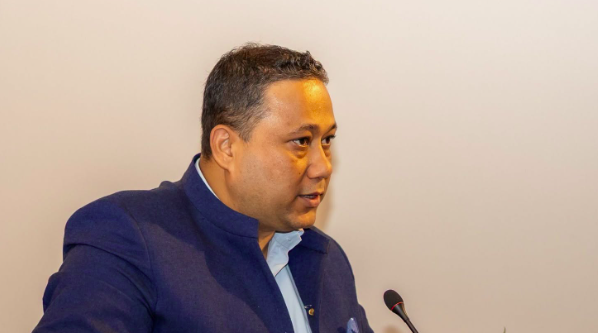
Pemba Sherpa, a director at 8K Expeditions and one of five new private-sector members appointed to the Nepal Tourism Board (NTB), spoke about his early priorities for the board in his first remarks since taking office.
The Ministry of Culture, Tourism and Civil Aviation named Sherpa to the board on Tuesday, July 14, alongside Dr Sovita Shrestha Dhakal (health and wellness tourism), Sahadev Dhamala (Vice President at Thamel Tourism Development Council), Santosh Pokharel (a Pokhara-based hotel entrepreneur) and Srijana KC (an IT and wellness-tourism expert). The five were chosen through open competition: a ministry-appointed recommendation committee, chaired by Department of Tourism Director-General Ram Krishna Lamichhane with Arvind Kumar Jha and Purna Kumar Sherpa as members, evaluated more than 1,100 applications and shortlisted 10 candidates before Minister Khadak Raj Paudel announced the final five. All will serve three-year terms on NTB's ten-member board, which also includes five ex-officio government representatives.
Sherpa brings nearly 15 years of experience in Nepal's tourism industry to the role. Born in the Makalu valley, he has managed numerous expeditions and treks, taught at a tourism college in Kathmandu, and previously served as General Manager at a leading trekking agency, where he was responsible for trip planning and traveller safety. He is currently a director at 8K Expeditions.
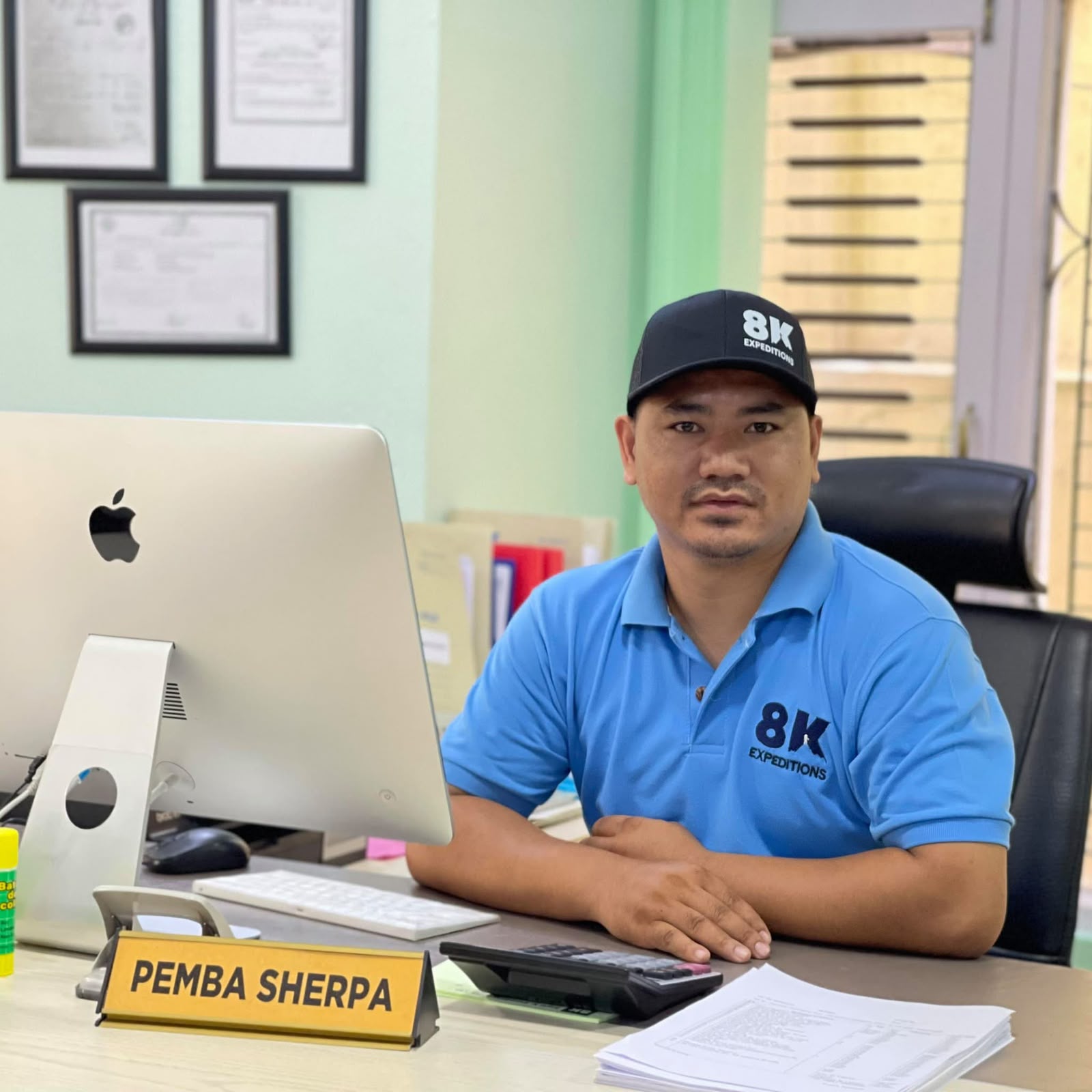
In this interview, Sherpa, the board's sole representative from the mountaineering industry, discussed the board's first steps, his views on infrastructure spending and global marketing, and the unresolved problems he says persist at organisations such as the Nepal Mountaineering Association (NMA) and the Trekking Agencies' Association of Nepal (TAAN). Excerpts:
Q: What is your agenda for reforming the Nepal Tourism Board?
A: "We have just been appointed, and the first board meeting hasn't been called yet. Our first task will be to sit for a board meeting under the chairmanship of the secretary. From there, we will try to understand the board's situation and its existing problems — including whether there are any financial discrepancies or audit irregularities left behind by previous leadership at the organisations we oversee. We will study those issues and work out what we can do about them." He added that the incoming board also intends to examine how NTB functions internally: "We need to understand the NTB staff — who is on contract and who is a civil servant, and how work is actually being done there — so that we get a full picture of the problems from inside."
Sherpa noted that the board's private-sector members have a three-year term to work with, and are conscious of the high public expectations that come with a change in government. "We are trying to keep pace with that and move ahead in an action-oriented, fast-paced manner," he said, citing the upcoming Visit Nepal Year, 2085 BS, and a Wellness Year planned for 2027, alongside budget and policy-level questions, as among the priorities ahead.
Q: How can the NTB address the problems currently facing the tourism industry?
A: Sherpa said the board intends to "deeply study" problems that, in his view, have gone unaddressed for some time. "We are currently seeing various problems in organisations like the Nepal Mountaineering Association and the Trekking Agencies' Association of Nepal — we are hearing about them, and those issues have not been properly addressed."
On the industry's broader demands, he pointed to three areas: infrastructure, taxation and digitisation. Nepal's international airports need to be fully operational and its tourist highways urgently upgraded, he said; tourism should be formally recognised as an "export-oriented industry" to unlock tax exemptions and easier access to credit; and the permit system for trekking and mountaineering should be made fully online.
Q: What are your thoughts on the current tourism policy, and what reforms would you prioritize in the near future?
A: Sherpa said Nepal's tourism law itself needs modernising. "Old laws should be amended to bring in an investment-friendly, integrated policy," he said, adding that tourist safety, trekking regulations and rescue systems need to be "strictly enforced through law."
On his own board's priorities, he was clear that construction would not be the focus. "This time, we do not aim to focus much on construction work — building roads, trails and other infrastructure. Since this country has three levels of government, we believe the NTB should concentrate on overall branding and advertisement, while construction and infrastructure should be built by the local level. They should be the ones building and promoting their own areas to attract tourism, in coordination with the local and federal governments." He added, however, that the board "will not completely depart" from investing in local infrastructure, and would do so selectively, "only where there is an immediate need."
Q: As a representative from the mountaineering industry, what efforts can the NTB launch to promote the climbing sector?
A: "I come from the mountain tourism sector myself, so I understand the problems it faces," Sherpa said. He listed a range of issues he intends to raise personally at the board: bringing the younger generation into mountain tourism, cleaning up the mountains and putting waste management on a more systematic footing, and the state of trails, roads, expeditions and safety during climbs. "I will closely study these issues and personally put them forward at the board," he said.
Q: What roles should the government and private sector play to improve the tourism industry, and how can the NTB serve as a bridge between them?
A: "We will try to work as a bridge between private organisations — expedition companies and other tourism-related businesses — and government agencies," Sherpa said. "We will also try to resolve the issues faced by the private sector by bringing them to the relevant agencies. Our role is to provide connectivity between government agencies and the private sector, and to work toward solving the problems in the tourism sector."
He framed this partnership as central to the sector's prospects more broadly: if government reforms infrastructure and law while the private sector raises investment and quality, tourism can help build Nepal into a more prosperous nation.
Q: How can the NTB work toward sustainable tourism practices, and what are your specific suggestions?
A: Beyond the mountain waste-management push described above, Sherpa pointed to destination diversification and community-based tourism as his two central ideas for sustainability. Nepal, he said, needs to identify and promote destinations beyond Kathmandu, Pokhara and Chitwan, particularly the "overlooked" regions of the far-west and the east. He also called for linking homestays and local products more directly into the tourism economy, so that tourism's benefits "reach villages directly" rather than concentrating in a few established hubs.
Q: How can the NTB accelerate its efforts to promote Nepal's tourism in the global market?
A: Sherpa was candid about what he sees as the shortcomings of Nepal's past marketing efforts. "Branding and marketing were mostly done on paper, and only superficially at the global level," he said. "Now we aim to do it more thoroughly — not only advertising abroad, but bringing in influencers and influential figures from other countries who talk about travel and tourism, and showing them the natural beauty of the country."
He named specific destinations he wants to showcase beyond the well-trodden circuit — Kanchenjunga, Api Himal, "new, virgin peaks," and rarely visited sites and trekking routes across the country — and linked this to a broader push for aggressive digital marketing of Nepal's adventure, cultural and natural heritage at the international level.
Sherpa was careful to caveat all of the above. "These are only our preliminary views," he said. "They can be modified, changed or edited, as the main board meeting is yet to be held."
Comment