The Tourism Times | Breaking tourism-related news from Nepal and beyond
°C
Global
Everest is getting safer, Harvard study finds — but still kills nearly one in 100 who attempt it
By
Tourism Times
Published at : 1 May 2026, 11:29 AM
KATHMANDU: Death rates on Mt. Everest have fallen by half over the past two decades, driven by better weather forecasting, improved equipment, fixed rope systems, and stronger teamwork — but the mountain still claims nearly one in every 100 climbers who attempt it, according to new research published in The Journal of Physiology and reported by The Harvard Gazette on April 28.
The study, led by Paul Firth — an experienced mountaineer and associate professor of anaesthesia at Harvard Medical School and Massachusetts General Hospital — builds on his earlier 2009 research into high-altitude deaths on Everest since the first recorded expedition in 1921. According to The Harvard Gazette's account of the findings, the mortality rate fell from 1.4 percent in the period 1921 to 2006 to 0.7 percent between 2007 and 2024.
The findings carry direct relevance for Nepal's Spring 2026 season, in which 425 climbers hold Everest permits — the largest single-peak contingent this year — and in which a prolonged Khumbu Icefall delay has already focused intense attention on safety decision-making on the mountain.
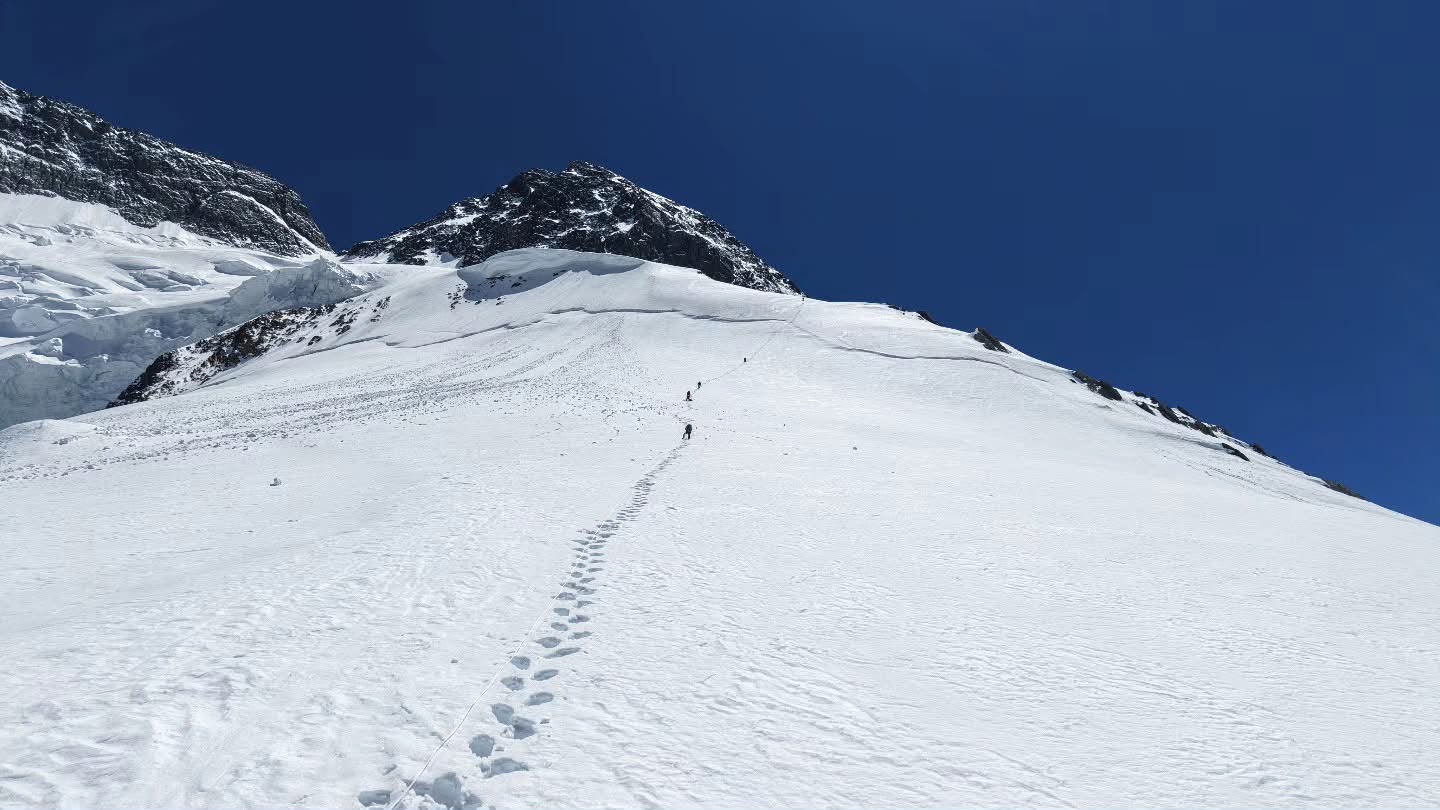
The Harvard Gazette reports that Firth and his colleagues attributed the improvement to several converging factors: the near-universal use of fixed ropes along standard routes, greatly improved weather forecasting and communication systems, and advances in logistics, clothing, nutrition, hydration, and oxygen delivery. "The data are that fewer people are involved in falls, and fewer people are getting isolated, left behind, and dying alone," Firth told The Harvard Gazette. "We speculate that teamwork has improved and that everything being roped the whole way has helped markedly."
Firth's research, partially funded by the MGH Anaesthesia Department, also found that just over half of all Everest deaths have occurred in the so-called death zone above 26,200 feet — where the air holds just a third of the oxygen found at sea level. At that altitude, a condition called cerebral oedema, in which fluid leaks into the brain causing headaches, fatigue, coordination loss, and impaired judgement, plays a larger role in deaths than was previously understood — a finding central to Firth's 2009 paper.
The Harvard Gazette also highlighted a sharp disparity in where climbers and Sherpas die on the mountain. Three-quarters of climber deaths occur high on Everest, on summit day or the descent, while the vast majority of Sherpa deaths happen lower on the mountain as they prepare the route for clients — a pattern that maps directly onto the realities of the 2026 season, in which icefall doctors and Sherpa guides spent weeks fixing the Khumbu route before a single foreign climber moved above Base Camp.
The study also documents the dramatic growth of Everest climbing. The Harvard Gazette notes that the mountain saw 1,921 summits in the 85 years up to 2006, and 9,823 summits in the 18 years since — an explosion in traffic that makes the halving of the mortality rate all the more significant.
A total of 426 people had died on Everest expeditions as of 2024, the research found.
Firth himself attempted Everest in 2004 — a year that saw seven deaths on the mountain. When his oxygen equipment malfunctioned, he recognised the warning signs his own research had primed him to identify, called a halt, sent one climber ahead with adequate oxygen, and led the rest of his group down. There were no deaths among his team, and the climber he sent on made the summit — becoming the first Norwegian woman to do so.
He never reached the top himself. But as The Harvard Gazette reports, Firth has made his peace with that. "To me, actually doing the study gave me more of a sense of achievement than climbing Everest," he said. "This was my, 'Hey, I didn't climb Everest, but I did the study instead.' It's my personal Everest in research."


 °C
°C 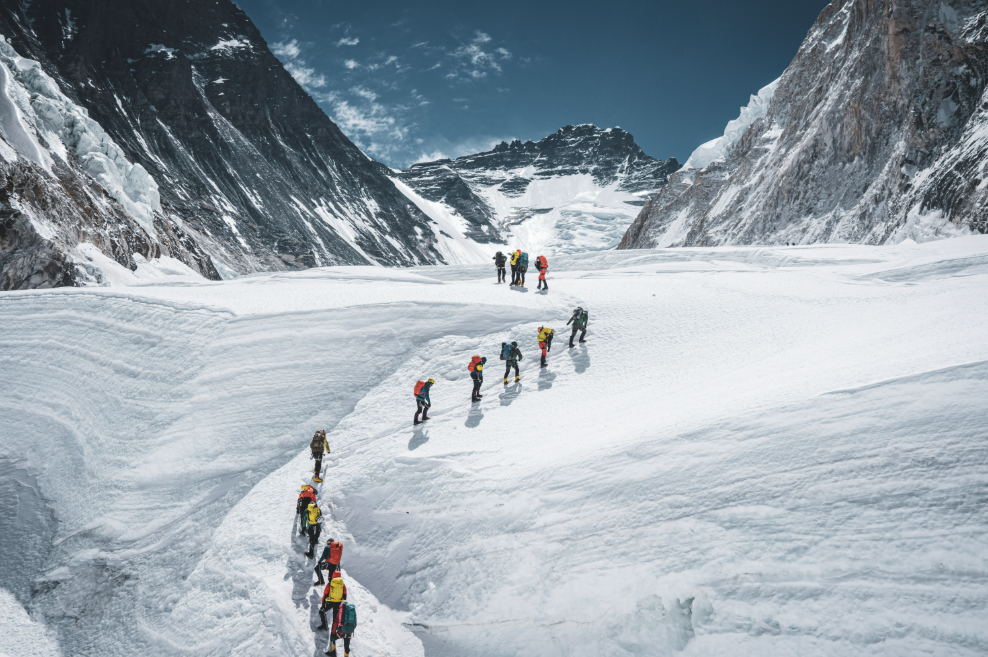




Comment