

 °C
°C From Denali to the Seven Summits: How AC Sherpa turned his mountaineering journey into a mission for education, health, and Himalayan communities
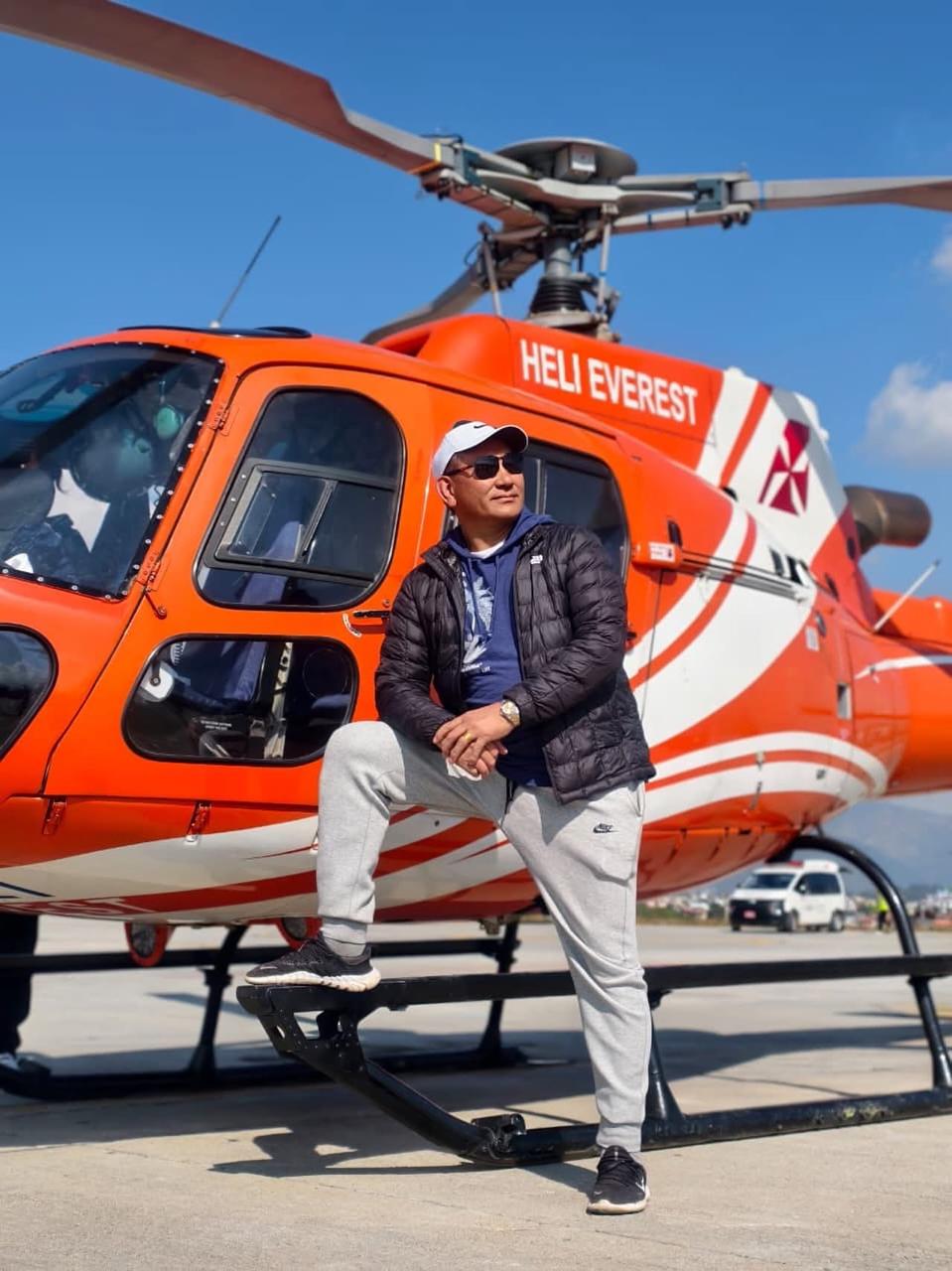
SEATTLE: AC Sherpa began climbing at the age of 13. Today, after completing the Seven Summits in a record 42 days, he has built hydroelectric projects for his village, established schools and health centers, and created support systems across Solukhumbu, Chitwan, Sindupalchok, and Gorkha. He demonstrates that mountaineering is not only about medals but also about giving back to the community. Growing up, he often faced a simple yet uncomfortable question: “You’re a Sherpa, so which mountains have you climbed?” At that time, he hadn’t climbed any. That question stayed with him and fueled his ambition.
Early inspiration and the road to Denali
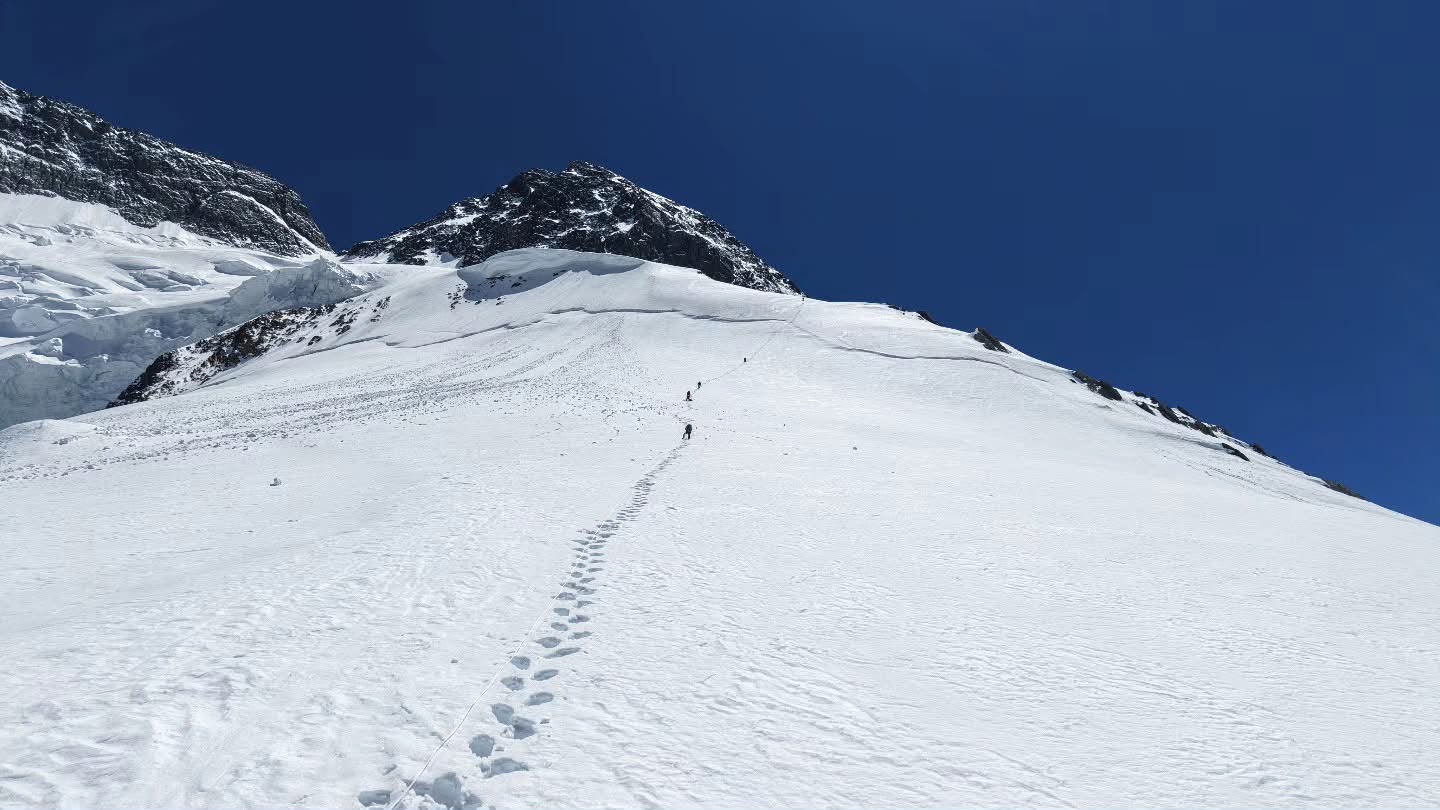
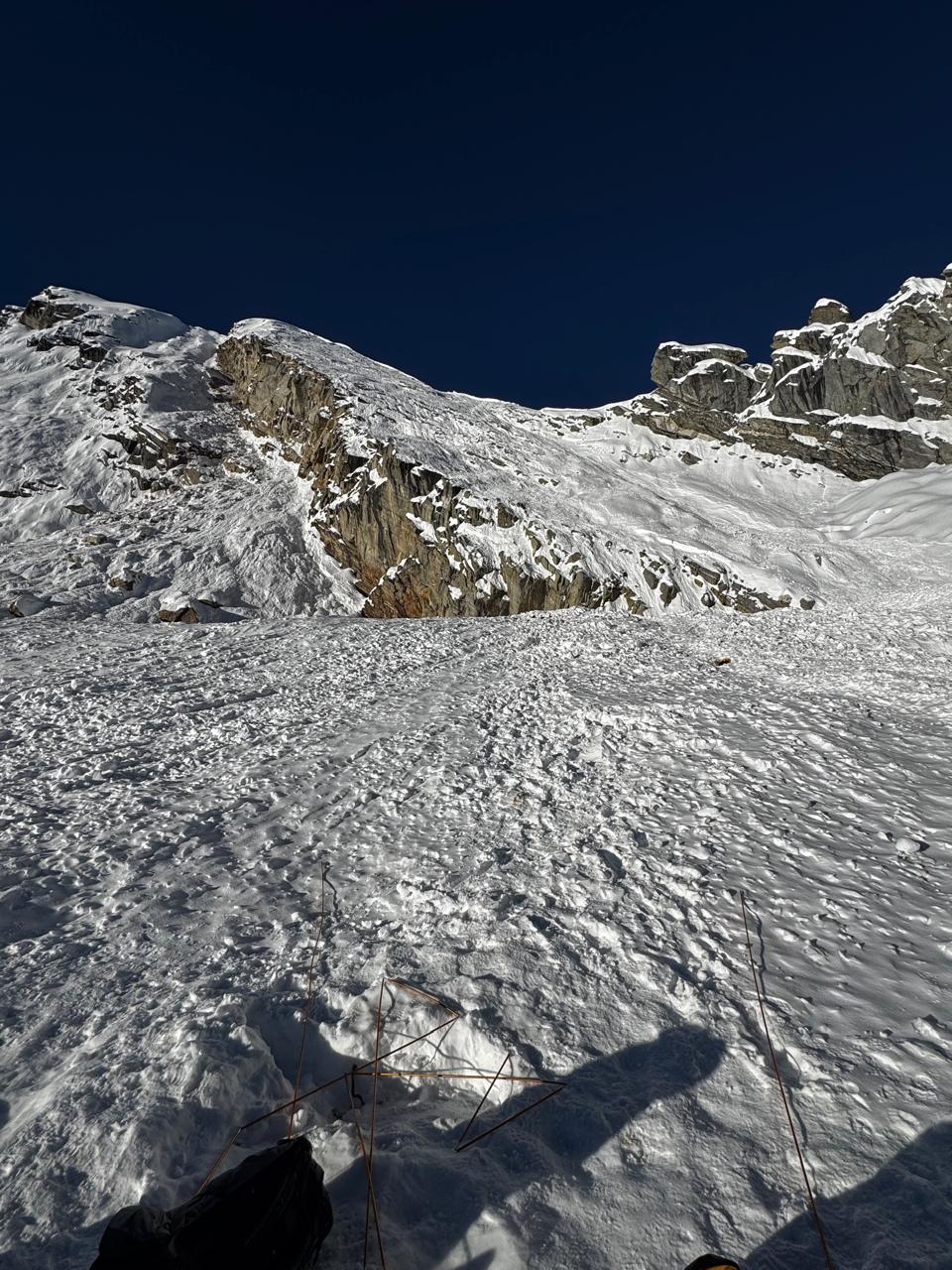
His curiosity about the mountains took hold while he was still in the eighth grade. Later, while in the United States, a Sherpa mentor encouraged him, teaching him about mountaineering and inspiring him to begin his climbing journey. His first major climb was Mount Rainier in Seattle, Washington, which he has now summited 17 times. He has also climbed Mount McKinley (Denali) in Alaska twice. The standard expedition to Denali takes about 21 days, while the guiding company’s best record was 18-19 days.
AC shattered that 20-year company record by reaching the summit in just 13 days. “That climb gave me confidence. I hadn’t set out to break records; it simply happened because I wanted to return home quickly to my family,” he recalls.
.jpeg)
A record-breaking Seven Summits journey
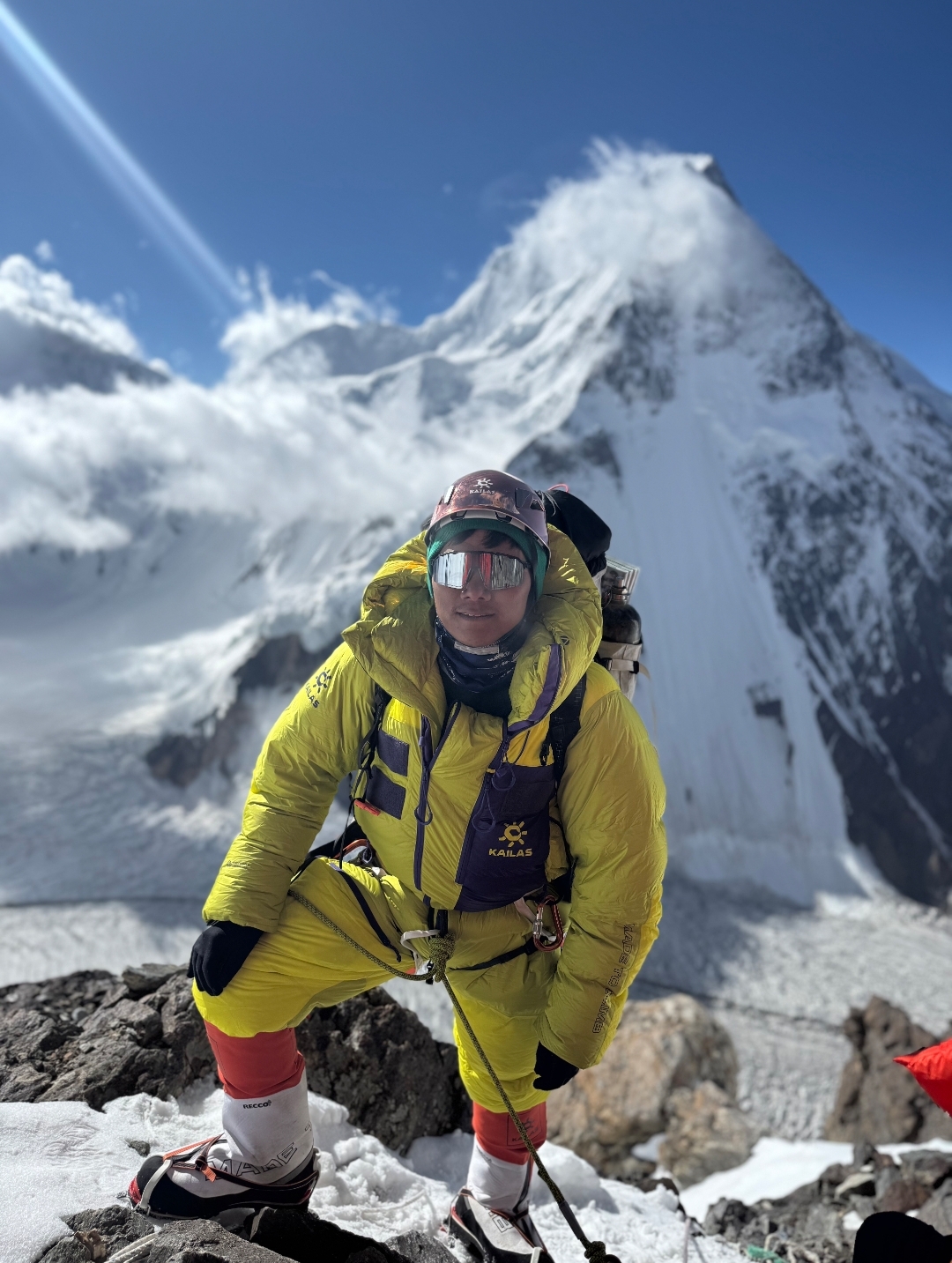
He later decided to climb mountains beyond Nepal, ultimately setting the goal of completing the Seven Summits. When all ascent and descent times were combined, he completed the Seven Summits in 40 days, finishing all climbs within 42 days over a 10-month period, breaking the world record:
- Mt. Denali (13 days)
- Mt. Kilimanjaro (16 hours and 32 minutes)
- Mt. Elbrus (7 hours and 22 minutes)
- Mt. Kosciuszko (2 hours and 37 minutes)
- Mt. Aconcagua (9 days)
- Mt. Vinson Massif (3 days)
- Mt. Everest (16 days)
“No one had done it that fast before,” he says. “But I wasn’t climbing for records. I climbed because I wanted to do something meaningful for people in the Himalayas.”
Family legacy and the influence of Tenzing Norgay Sherpa
Mountains were already a part of his family legacy. His elder brother had climbed Annapurna and other peaks. A visit to Tenzing Norgay Sherpa’s home in Darjeeling left a lasting impression on him, with dozens of medals hanging on wooden walls. “That made me think: climbing is not only about achievements. It’s about how you use your name and experience to change lives.” He points to how Edmund Hillary and Tenzing Norgay built schools, hospitals, and airstrips after their Mount Everest triumph. “That inspired me. If they could do so much after one climb, why should we not think beyond medals?”
.jpeg)
Seven Summit Foundation: A mission beyond the mountains
AC first returned to Nepal in 1998. Upon visiting his home village, Tapting in Solukhumbhu, he was shocked by the poor conditions resulting from the Maoist conflict, weak infrastructure, limited education, and inadequate health services. “I realized I had to do something for the place where I was born.” In December 2010, he established the Seven Summit Foundation in the USA, focusing on education and health. The foundation has since:
- Brought foreign doctors to run dental camps in remote districts, treating over 35,000 patients since 2006.
- Built hydroelectricity for 110 homes in villages where he once studied by the light of kerosene lamps.
- Delivered 10 laptops to schools in Solukhumbhu—one of the first initiatives of its kind.
- Raised awareness from the top of the world, holding a concert at Kalapattar and Everest Base
- Camp in 2011 to promote "Stop Global Warming" and save the Himalayas.
- Built a model village with 603 homes in Larpak.Contributed USD 38,000 to build a school in Sindhupalchok.
- Supported youth clubs and provided financial and educational assistance for children.
- Built a women’s birth center and Wonchu Memorial Hospital in Solukhumbhu Dudkundha, Tapting.
- Provided educational funding to over 25 children left behind by floods and earthquakes.
- Is building Buddha View Park by TikTok on the way to Pikey Peak to promote tourism between Okaldungha and Solukhumbu, at 2,920 meters high.
The foundation has also provided insurance worth NPR 1.5 million for 14 people working as Khumbu Icefall doctors since 2023 on Mount Everest and offered NPR 100,000 each to families of climbers who died on Everest in 2017, as well as NPR 7.5 million for children's education.
Additionally, the same insurance has been extended to 114 people working at the Royal Nepal Golf Course (RNGC) since 2022.
.jpeg)
Challenges on the peaks
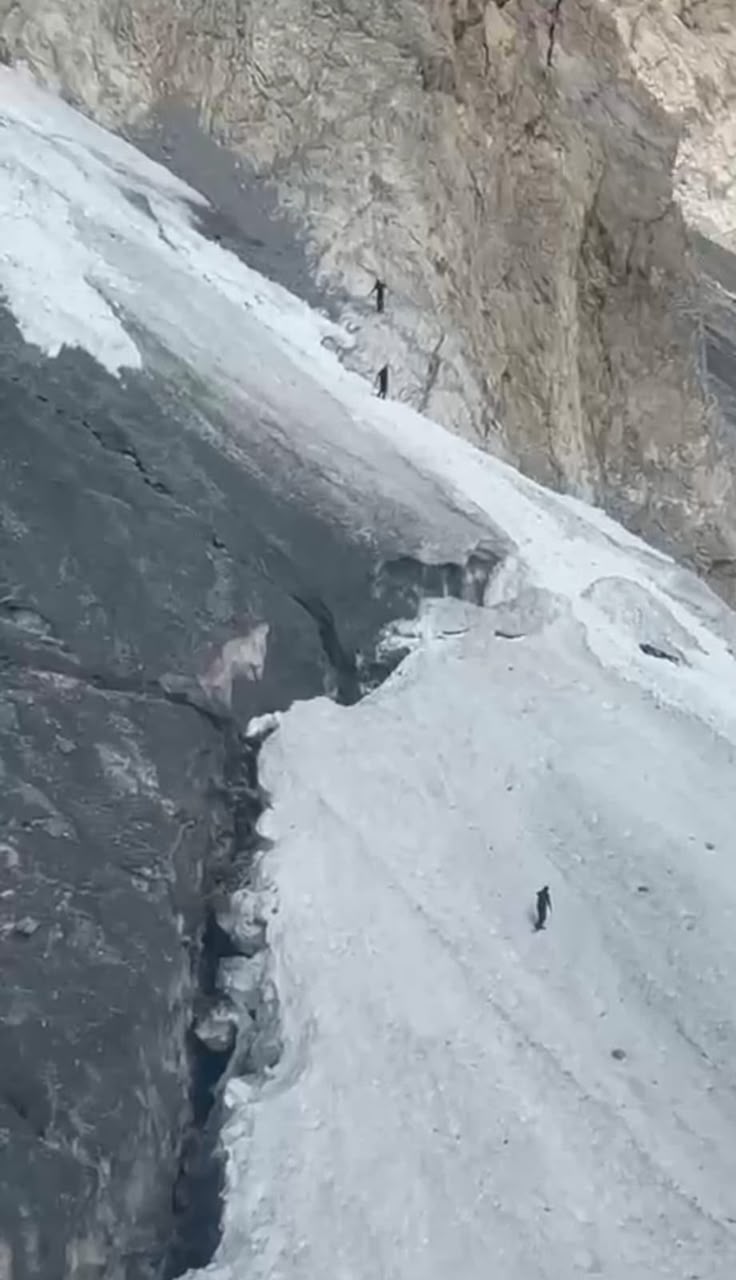
His climbs were not without challenges. “Denali scared me the most at first; it had a high fatality rate,” he recalls. His Mount Everest climb was equally difficult due to eye problems. “However, the Sherpas who supported me on Mount Everest became lifelong brothers. Without Sherpas, there is no climbing; without mountains, there are no Sherpas.”
Advice for Nepal’s new generation of climbers
“Nepal is full of mountains. Switzerland creates artificial ones and earns billions. We have real ones, but many don’t even have names.” He highlights key issues: a lack of meaningful government promotion, long delays in insurance payouts for mountain workers, a lack of ski resorts despite perfect terrain, and mismanagement and weak policies around tourism growth. He believes trained mountain experts should be directly involved in policymaking.
How the world views Nepal’s mountains
As the host of the New York Times Travel Show, he witnessed strong global tourism promotion, but Nepal, he says, did not stand out. “The Nepal Tourism Board conducts programs, but they lack impact. Many efforts feel like box-ticking rather than real promotion.”
He argues that Nepal must target quality tourists, not just large numbers. “Bhutan charges $100–250 per day and still attracts quality tourism. Nepal should learn from that model.” He also believes Nepal should engage the children of Nepalis living abroad (NRN youth) by offering cultural, arts, agricultural, and outdoor programs. “These families spend heavily abroad. If their children come here instead, Nepal will benefit more than from low-budget tourists.”
The need for national recognition and policy reform
He criticizes how Nepal fails to honor its mountaineers: “Tenzing Norgay Sherpa is sometimes labeled as Indian. Even statues of Sherpa women descending from Mount Everest have been misrepresented. The government must fix these mistakes.” Climbers who summit Mount Everest multiple times should receive special recognition, he believes. “Nepal is known as the land of Mount Everest, yet climbers gain nothing from their achievements. The government must monetize our iconic assets.”
Vision ahead: Promoting mountains, not just climbing them
He now plans to climb Mount Ama Dablam, not for records, but for advocacy. He wants to work on promoting Nepal’s mountains globally, supporting Sherpas, building unity among Himalayan communities, and strengthening education and health systems in the region.
“I have lived in the US for 35 years. When I was younger, I did not care much. But now it’s time to build unity, educate Sherpas, and do real work. Action matters more than words.”



Comment
Min Gurung
AC Sherpa’s Inspiring Journey Deeply Moved Me And Sparked My Dream To Climb Mount Everest At Least Once. In The Future, I Hope To Collaborate With The Seven Summit Foundation To Support Education And Healthcare In Remote Villages.
डेनिस थापा मगर
Great Job!