The Tourism Times | Breaking tourism-related news from Nepal and beyond
°C
Global
UN Tourism, AWE release practical guidelines to boost accessibility in the global tourism sector
Hari Budha Magar. Photo Courtesy: The Gurkha Welfare Trust
By
Tourism Times
Published at : 5 Dec 2025, 2:56 PM
KATHMANDU: UN Tourism, in partnership with the Agency for Business and Economic Development (AWE) on behalf of Germany’s Federal Ministry for Economic Cooperation and Development (BMZ), has unveiled a set of practical accessibility guidelines aimed at helping tourism businesses become more inclusive and competitive.
Launched on the International Day of Persons with Disabilities, the Accessibility Guidelines for Tourism Businesses outline five actionable steps that hotels, travel agencies, transport operators and destinations can adopt to expand their customer base, strengthen brand reputation, and implement cost-effective accessibility improvements.
According to UN Tourism, making tourism infrastructure and services more accessible not only enhances the visitor experience but also supports sustainability by engaging a more diverse workforce and opening opportunities for seniors and people with disabilities.
UN Tourism Executive Director Zoritsa Urosevic said the sector must ensure inclusive growth. “As tourism continues to expand, everybody must benefit — whether as travellers or as part of the workforce. These guidelines offer practical steps for businesses to make accessibility a core part of their operations, delivering both financial and reputational gains,” she said.
AWE Director Susanne Friedrich described the guidelines as an important milestone in the UN Tourism–AWE partnership. “We are proud to have achieved a triple-win: progress for the tourism industry, improved inclusion for persons with disabilities, and support for economic development in emerging countries,” she said.
A growing market tourism cannot ignore
The press release highlights the vast potential of the accessibility market:
Over 1.3 billion people worldwide live with severe disabilities.
Nearly 50% of people above 60 have some form of disability.
Travellers with disabilities, seniors, and families with accessibility needs represent up to one-third of the global tourism market.
Failing to address accessibility can result in complaints, fines, exclusion from public grants, and reputational damage. In contrast, disability-inclusive businesses often see:
Up to 28% higher revenue,
Double the net income,
30% higher economic profit margins,
Profit growth up to four times faster,
And higher employee retention, especially among workers with disabilities.
Next steps
The guidelines, laid out in an accessible format by the ONCE Foundation, will be presented at major accessibility events in Ecuador and Cuba in the coming days. UN Tourism and AWE plan further promotional activities throughout 2026 to help tourism businesses understand and tap into the rising demand for accessible travel.
For Nepal’s tourism sector—especially as it seeks to diversify products and improve global competitiveness—the new guidelines offer a timely roadmap for building more inclusive, visitor-friendly destinations.


 °C
°C 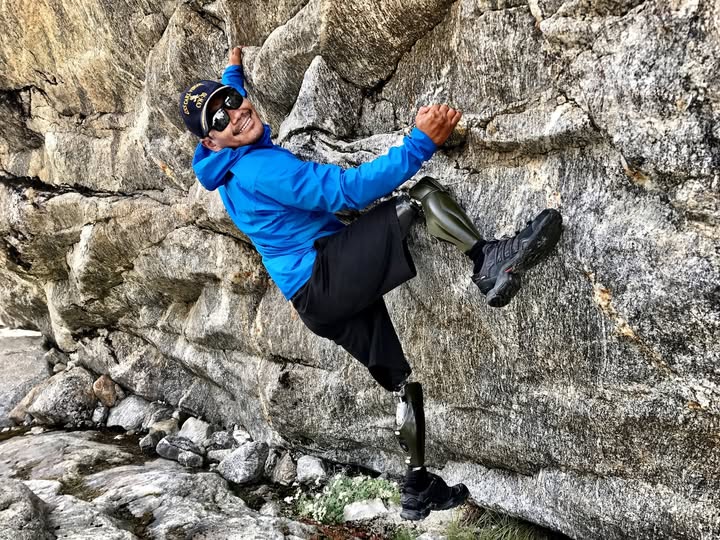





Comment