

 °C
°C Two sacred statues come home: A 13th-century Padmapani and a dancing goddess return to Nepal from the United States
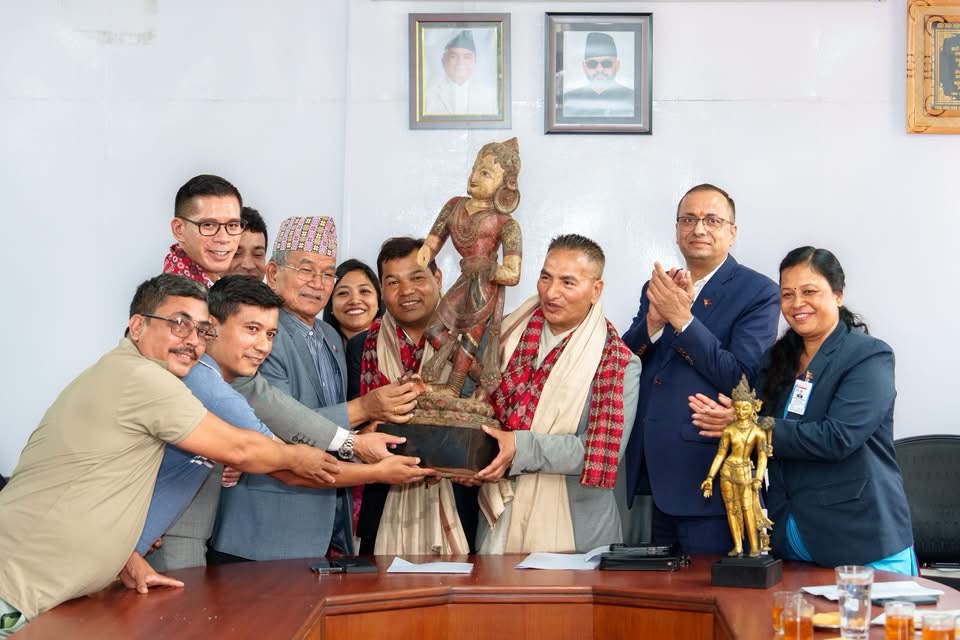
KATHMANDU: They were taken decades ago — one from a Buddhist monastery in the heart of Kathmandu, the other from a sacred courtyard in Patan.
On Monday, a 13th-century gilt bronze Padmapani and a 16th-century polychromed wooden Nrityadevi, Goddess of Dance, were formally handed back to Nepal at a repatriation ceremony hosted by the Department of Archaeology, marking the latest chapter in what has become one of the more significant bilateral efforts to recover stolen cultural heritage.
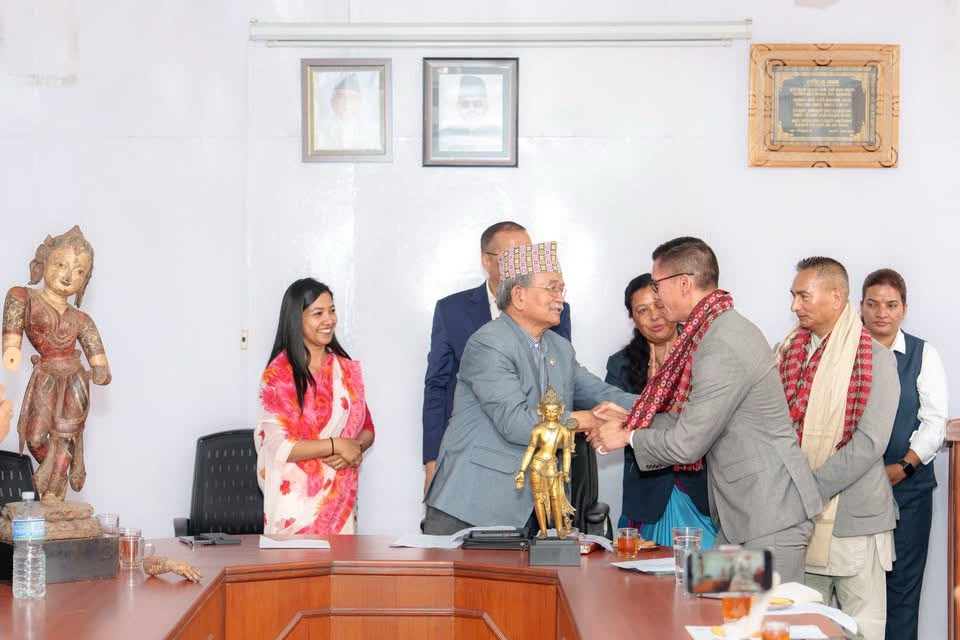
The Padmapani, cast in gilt bronze in the 13th century, originally belonged to Tham Bahil — also known as Vikramashila Mahavihara or Bhagwan Bahal — in Kathmandu, and is believed to have been smuggled out of Nepal sometime between 1971 and 1987. The Nrityadevi, a polychromed wooden figure from the 16th century, came from I Baha Bahi in Patan, Lalitpur, and was reportedly trafficked abroad between 1969 and 1983 before eventually being recovered from the Metropolitan Museum of Art in New York.
Their return followed a formal transfer ceremony held at the Consulate General of Nepal in New York, where Consul General Dadhiram Bhandari and Colonel Matthew Bogdanos, Chief of the Antiquities Trafficking Unit of the Manhattan District Attorney's Office, signed the Minutes of Concurrence. The recovery was made possible through coordinated work by the New York County District Attorney's Office, US Homeland Security Investigations and partner institutions — a chain of investigation, diplomacy and community advocacy that both governments have credited for breaking up antiquities trafficking networks operating between South Asia and the international art market.
With these two statues, the total number of Nepali antiquities returned from the United States now stands at 127. "To date, 127 Nepali antiquities have been returned from the United States to their rightful homes in Nepal," said Mike Harker, Public Affairs Chief at the US Embassy in Kathmandu, at Monday's ceremony. "With the return of these two sacred statues, that record of cooperation grows stronger and demonstrates how criminal investigations, diplomatic coordination, and community advocacy can work together to disrupt antiquities trafficking networks."
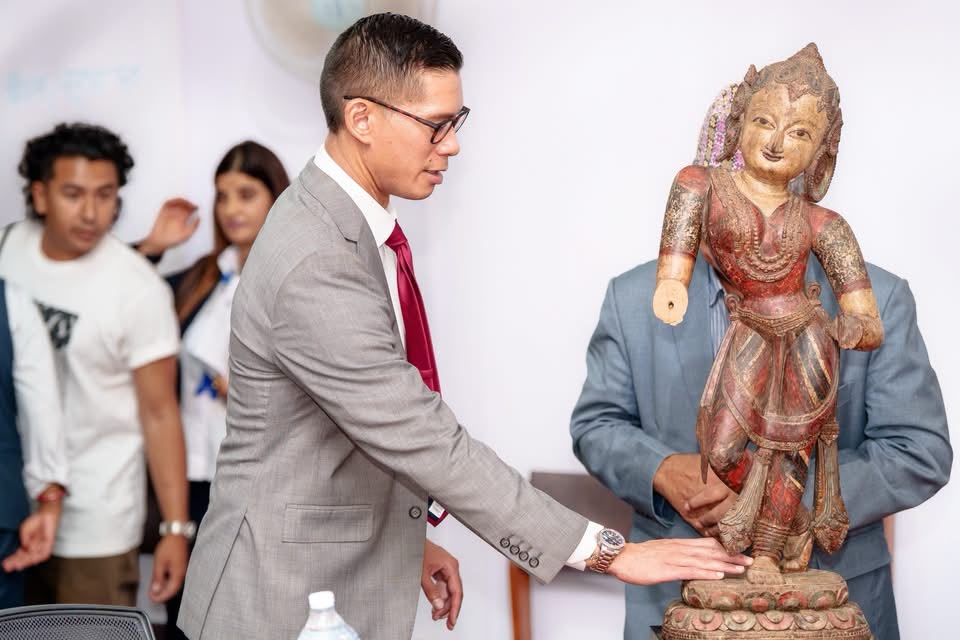
The repatriation also arrives at a significant policy moment. A newly enacted US-Nepal Cultural Property Agreement has come into force, providing what both governments described as a stronger legal framework for future cooperation — including joint investigations, trafficking prevention and the safeguarding of Nepali heritage before it enters the illicit market rather than after. Harker said the agreement gives the two countries an even stronger foundation to support future investigations and help prevent Nepal's sacred heritage from being lost again.
The two statues were received by the Department of Archaeology for conservation work before being returned to their original sites — the monastery in Kathmandu and the courtyard in Patan from which they were taken, in some cases more than half a century ago.










Comment