The Tourism Times | Breaking tourism-related news from Nepal and beyond
°C
Travel & Leisure
Indian tourists fill Pokhara hotels as off-season boom surprises tourism industry
By
Tourism Times
Published at : 23 Jun 2026, 4:27 PM
POKHARA: What the tourism industry typically writes off as the off-season has turned into something of a windfall for Pokhara this year, with a surge of Indian visitors filling hotels, crowding the lakeside promenade and keeping Fewa Lake's boat operators busier than they have been in years.
Hotel occupancy in the tourist city has touched 90 percent in recent weeks, driven almost entirely by Indian visitors who have made Pokhara a preferred escape from the intense summer heat back home. The wave began around the Nepali New Year and has continued well into the season, defying the usual slowdown that hits the industry between the spring and autumn peaks.
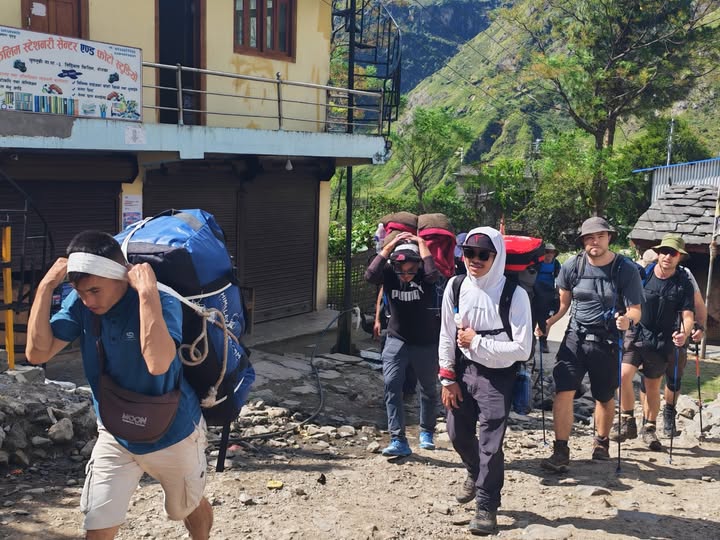
Indian tourists have fanned out across Pokhara's religious and natural attractions - the Tal Barahi Temple sitting in the middle of Fewa Lake, Vindyabasini, Kedareshwar, Pukhdo's Shiva Temple and the trail up to Muktinath among the most visited. Paragliding, bungee jumping, rafting and short trekking routes have also seen increased uptake, with visitors spread across the full range of accommodation from five-star hotels to budget lodges and dharamshalas.
On Fewa Lake, the uptick has been felt most directly by boat operators, for whom the past month and a half has marked a sharp reversal of fortune. Operators say the days of waiting at the shore and returning home empty-handed have largely disappeared for now, with the Barahi Ghat alone dispatching a large fleet of boats daily to ferry visitors to the temple and around the lake.
Hotel and tourism operators have noted that if Nepal were to invest more actively in promoting its religious and tourism destinations to Indian audiences, the potential for year-round Indian visitor arrivals would be significantly larger than what is currently being seen.
The relevant stakeholders said that the growing footfall at Pokhara's religious sites and on its trekking routes has been encouraging, and that welcoming and respecting Indian visitors is a responsibility the local tourism industry takes seriously. He added that boat rides, trekking activity and other tourism services have all picked up alongside the rise in visitor numbers.
For an industry that has long treated this time of year as a period to wait out, the current season is prompting a rethink - and a growing sense that Indian tourism, if nurtured, could become a reliable pillar of Pokhara's year-round economy.


 °C
°C 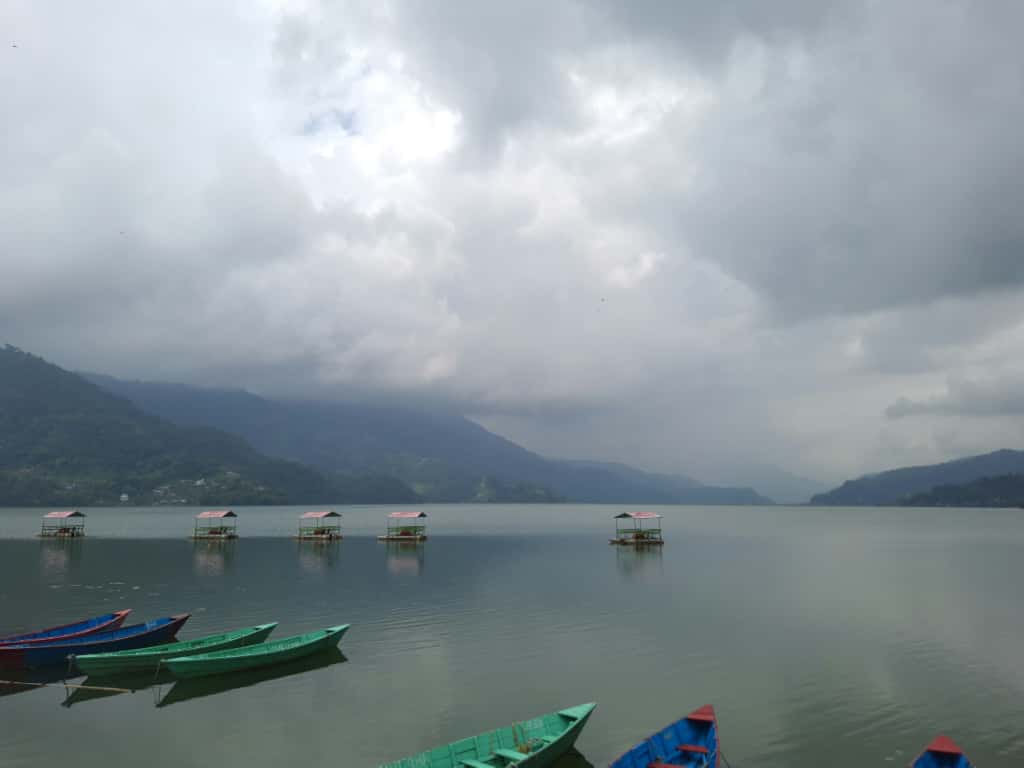
Comment