The Tourism Times | Breaking tourism-related news from Nepal and beyond
°C
Travel & Leisure
Nepal's trails go smart: TAAN partners with South Korea to bring AI-powered safety tracking to the Himalayas
By
Tourism Times
Published at : 2 Jul 2026, 2:04 PM
KATHMANDU: Nepal's trekking trails may soon get a high-tech safety upgrade. The Trekking Agencies' Association of Nepal (TAAN) has signed a Memorandum of Understanding (MoU) with the South Korean Safety Tech Alliance to explore rolling out an AI-powered digital safety network across the country's mountain tourism routes.
A new layer of protection for trekkers
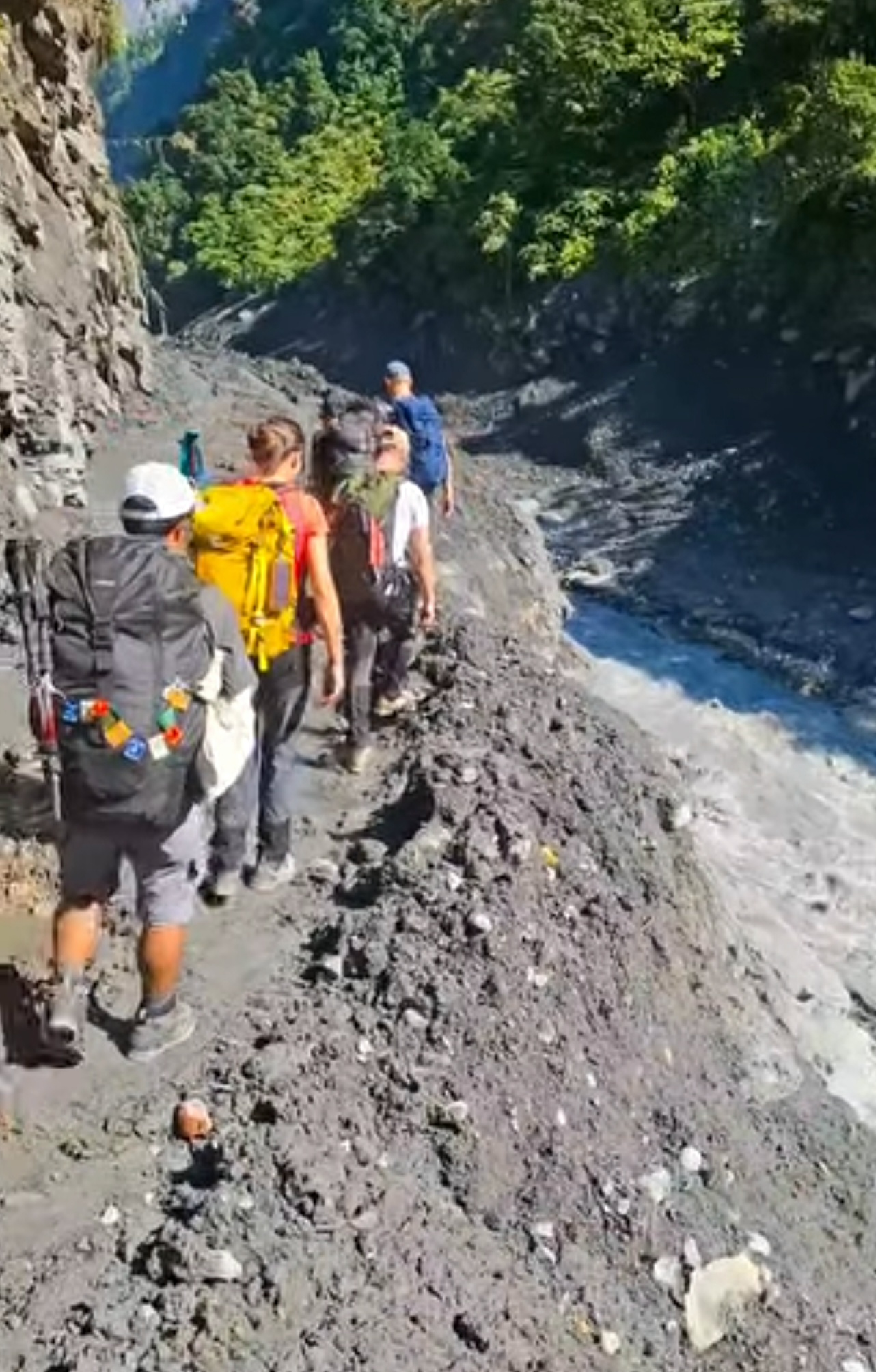
At the heart of the agreement is the Edgetrek Digital Safety System, an AI-driven platform designed to provide real-time information, tracking, and emergency-response support for trekkers, guides, and support staff venturing into Nepal's remote high-altitude destinations. For an industry where a delayed rescue or a lost signal can mean the difference between a close call and tragedy, the prospect of smarter, tech-enabled monitoring on the trails is a significant development.
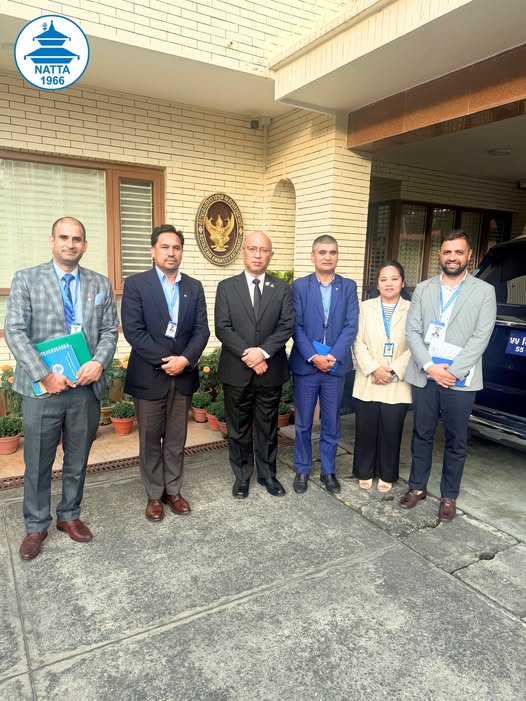
The deal was formalized by Sonam Gyaljen Sherpa, General Secretary of TAAN, and Kim Soo-do, CEO of IBZ, who represented a consortium bringing together IBZ Co. Ltd., Busan Techno Park, and Kyungsung University.
Not a done deal yet — A careful first step
True to form for an industry that runs on trust and hard-won reliability, TAAN isn't rushing to strap the system onto every trail overnight. The association says it will work closely with government agencies, local destination stakeholders, member trekking agencies, and guides to test the technology on the ground first. Only if it proves reliable, affordable, and genuinely effective at improving safety for trekkers, guides, and support staff will TAAN move to roll it out in full — a pragmatic approach that mirrors how Nepal's tourism sector has adopted new technology before.
During the signing ceremony alongside Kim Soo-do, attendees included James Parks (Director & CFO, IBZ), Ye Seung-bum (CEO, IBZ Travel Co. Ltd.), Prof. Dr. Park Jang-Sik (Chairman, KISS Security Standards; Professor, Kyungsung University), Noh Hee-Jong (President, Korea Disaster & Safety Industrial Technology Research Association), Kim Bu Min (Senior Envoy of the Mayor of Busan; Director, KDSITRA), and Cha Seungwon (Chairperson, Korean Association in Nepal) were also present.
The event was coordinated by Lakpa Temba Sherpa, TAAN's Joint Treasurer. After the Korean delegation walked attendees through a technical presentation of the system, TAAN's own leadership — including Executive Committee Member Ramesh Lamsal and CEO Ram Chandra Sedai — pressed the delegates with pointed questions on the technology's reliability, compatibility with existing trekking infrastructure, and, crucially, its cost.
Strengthening Nepal-Korea turism ties
The safety-tech MoU wasn't the only agreement inked that day. TAAN also signed a separate MoU with the Korean Association in Nepal (KAN), signaling a broader push to deepen cooperation between the two countries beyond safety technology alone — potentially opening doors for greater Korean visitor engagement with Nepal's trekking economy in the years ahead.
For an industry still balancing tradition with innovation, this partnership offers a glimpse of what the next generation of Himalayan trekking safety could look like — provided it clears the trail-tested scrutiny TAAN has promised to apply.


 °C
°C 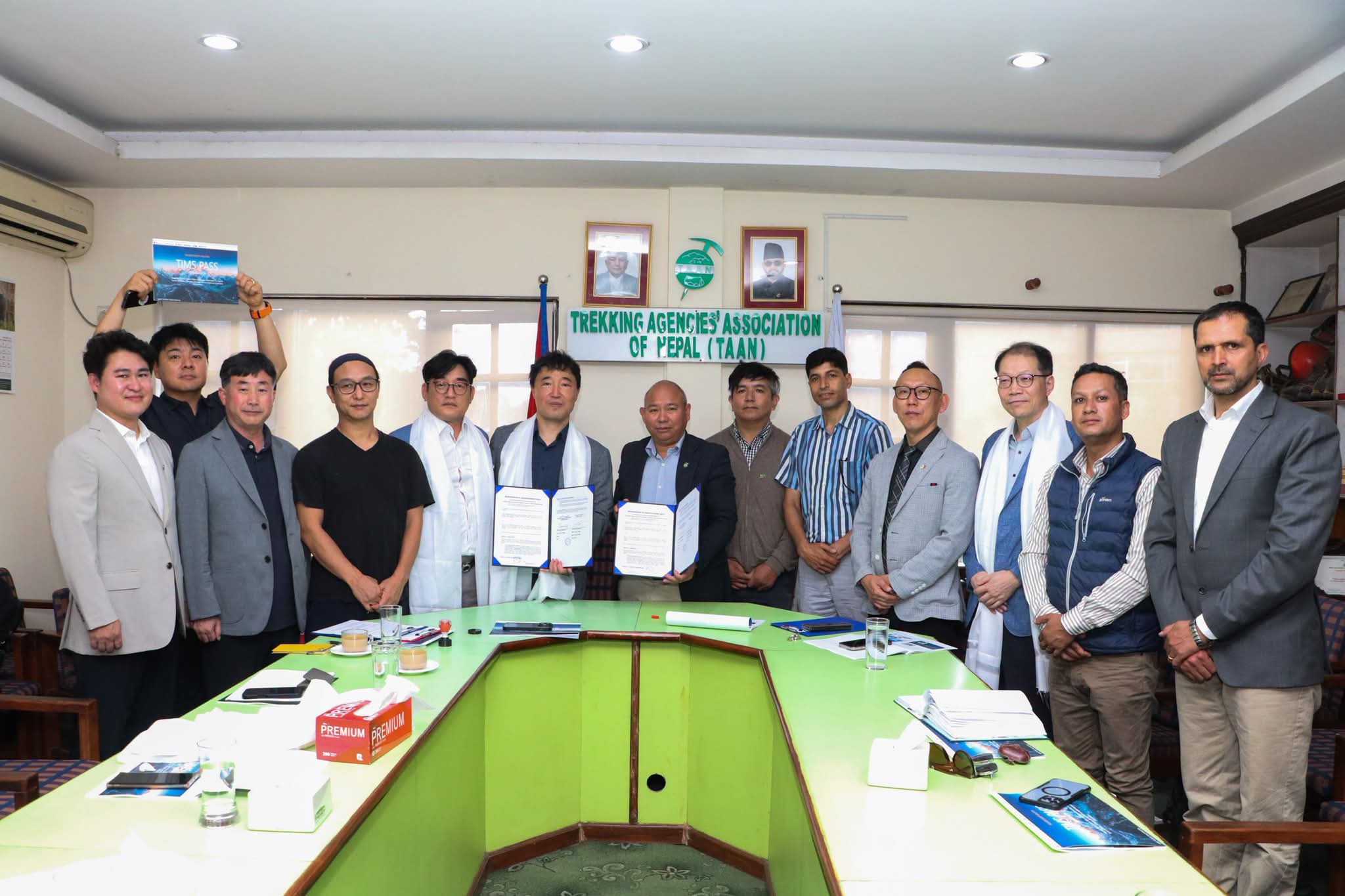




Comment