The Tourism Times | Breaking tourism-related news from Nepal and beyond
°C
Travel & Leisure
Tourism bodies agree to pursue Nepal Tourism Federation
By
Tourism Times
Published at : 6 Oct 2026, 12:04 PM
Presidents and representatives of major tourism bodies have agreed to pursue a common umbrella organisation while calling for institutional reforms across the sector, including changes to the Nepal Tourism Board, a new tourism law and stronger disaster-response mechanisms.
KATHMANDU: Major tourism organisations have agreed to pursue the formation of a Nepal Tourism Federation as a common umbrella body to strengthen coordination within the private sector and advance shared positions on national tourism policy.
The agreement was reached at a Presidential Breakfast Meeting held in Kathmandu on October 4 under the chairmanship of Trekking Agencies’ Association of Nepal (TAAN) President Sagar Pandey. Representatives of Hotel Association Nepal (HAN), TAAN, Nepal Association of Tour and Travel Agents (NATTA), Nepal Mountaineering Association (NMA), Expedition Operators Association Nepal, Nepal Association of Rafting Agencies (NARA), Nepal SKL Nepal, Nepal Tourism Village Association (NTVA), PATA Nepal Chapter and Airlines Operators Association of Nepal (AOAN), among others, attended the meeting.
According to participants, the proposed federation would bring major tourism organisations under a common platform without replacing their existing institutional roles. The body is expected to help identify common industry issues, coordinate with government agencies and pursue collective solutions.
TAAN President Pandey has separately argued that the federation concept is not intended to weaken existing associations such as TAAN, NMA, NATTA or HAN. He said individual organisations would continue to represent their respective sectors, while a federation could consolidate their positions on national issues and strengthen their collective engagement with the government.
Pandey also said the idea was not new, pointing to an initiative by former TAAN president Jyoti Adhikari around 16 years ago to establish a national tourism federation. According to Pandey, the initiative did not take institutional shape at the time because the necessary conditions and organisational preparations were lacking.
The meeting endorsed the concept of "One Team, One Vision, One Voice", arguing that the tourism sector needs a stronger and more unified approach to issues affecting the industry.
Participants also focused on the government's planned Tourism Act, saying the legislation should reflect Nepal's geographical, natural and cultural realities as well as the needs of tourism businesses and international practices.
They said the new law should support practical, inclusive, investment-friendly, safe and sustainable tourism development. The meeting agreed to collect recommendations from tourism associations and businesses and coordinate with the government during the drafting process.
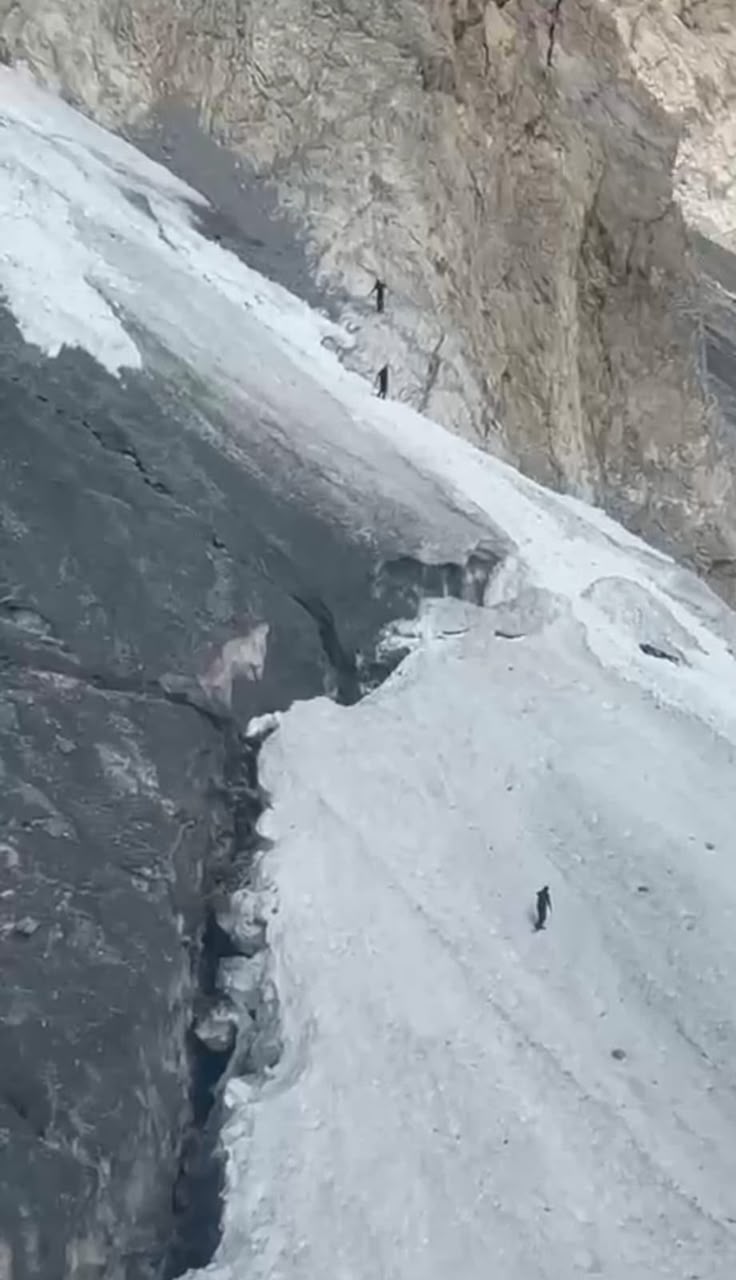
The recent floods and disasters affecting tourism destinations and tourism workers also featured prominently in discussions.
Participants expressed condolences to those killed and called for stronger search-and-rescue efforts for people still missing. They also urged the government to provide appropriate relief and compensation to the families of tourism workers who died or remain unaccounted for.
The meeting proposed the establishment of a permanent Tourism Sector Crisis Management and Rescue Mechanism to coordinate search, rescue, relief, rehabilitation and family-support efforts during future disasters.
Tourism bodies also agreed to urge the government to establish an international memorial park in memory of those who lost their lives in the August 26 disaster.
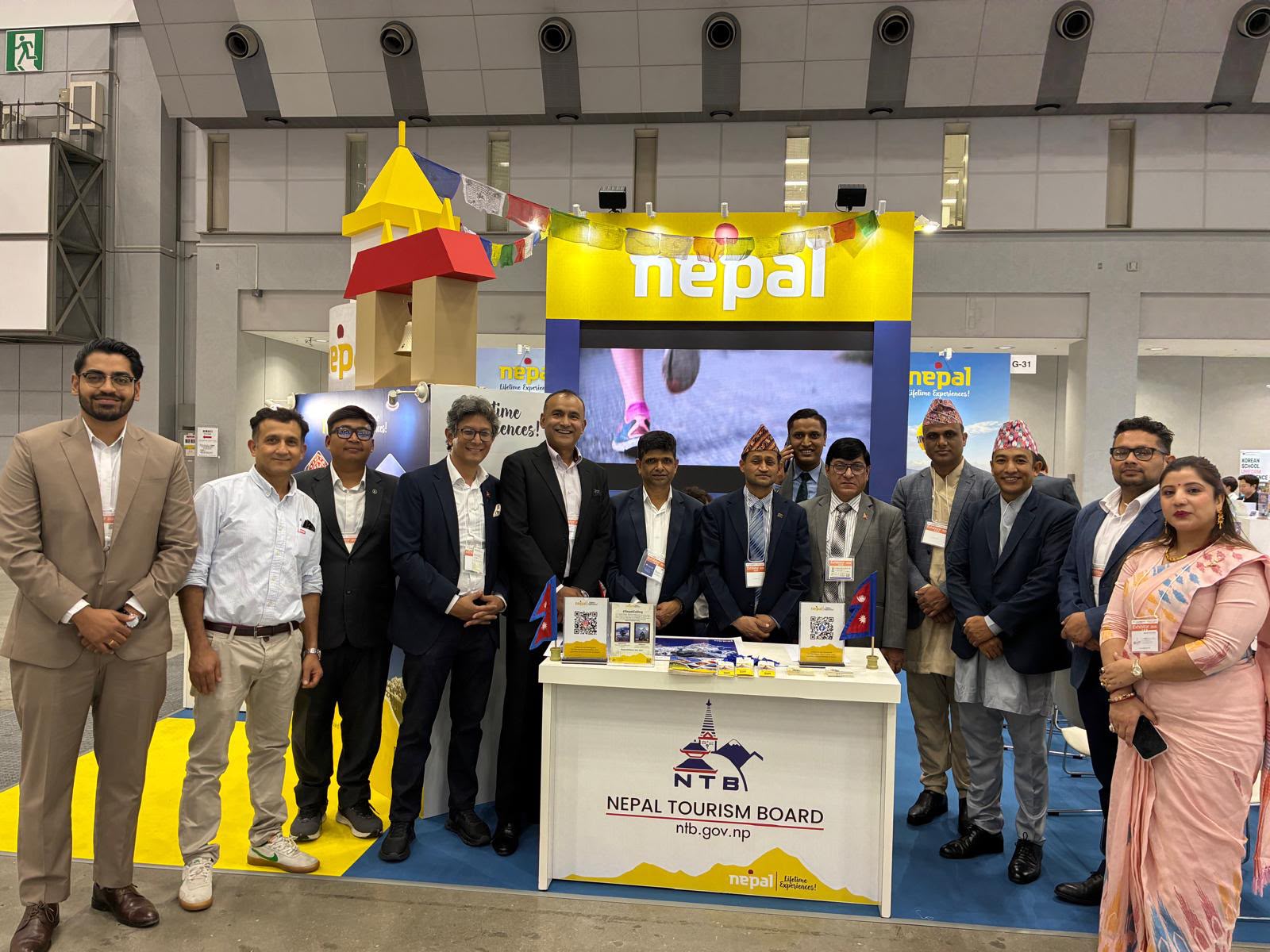
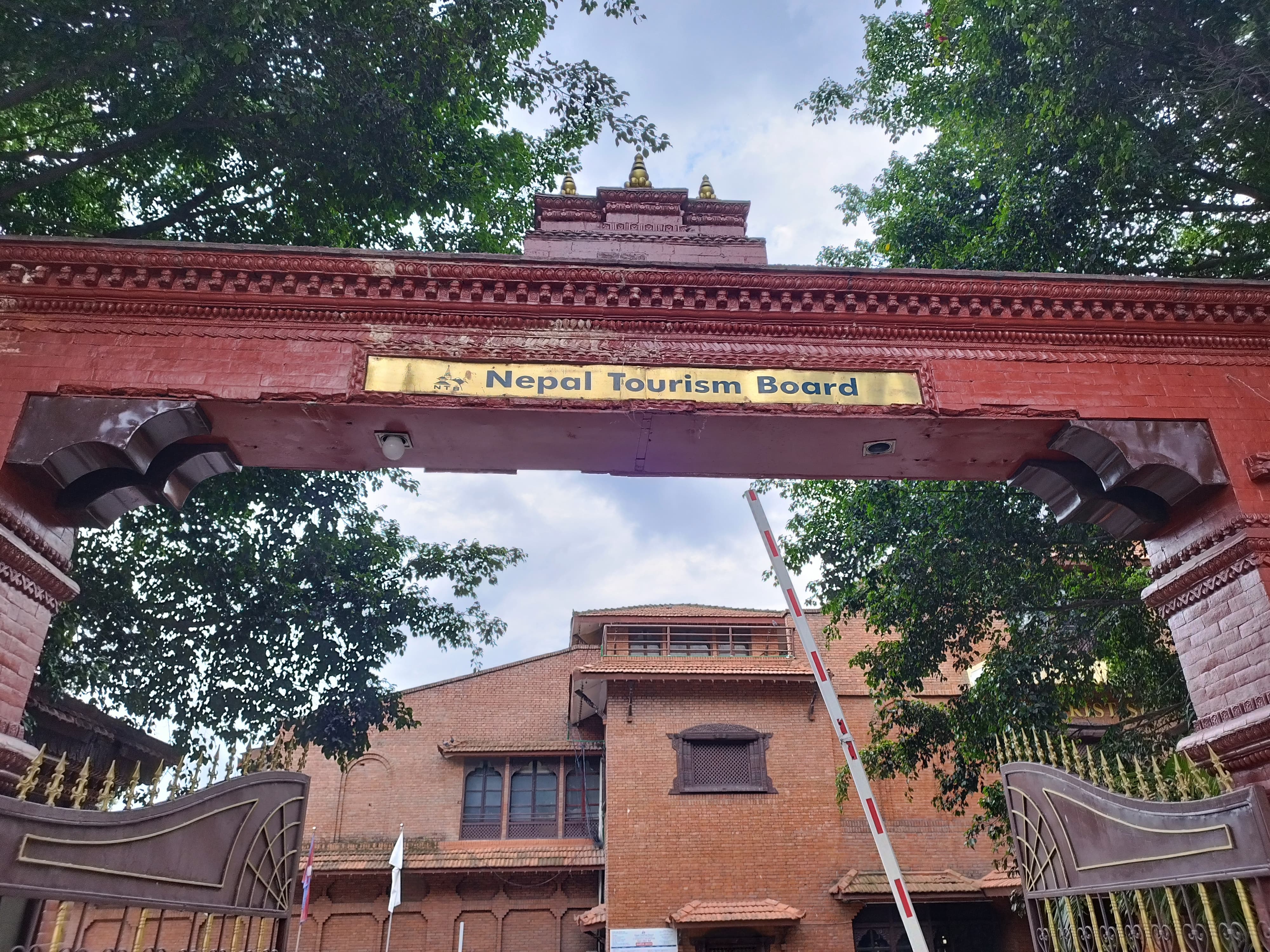
Discussions also focused on the performance and structure of the Nepal Tourism Board. Private-sector representatives said the board's programmes and budget should be more closely aligned with market realities, international competition and measurable tourism outcomes.
They called for tourism promotion to be driven by market research, international marketing, digital technologies, artificial intelligence tools, new source markets and destination development rather than expenditure alone.
Participants further argued that major tourism organisations should receive meaningful institutional representation within the Tourism Board's governing structure.
The meeting concluded that the board should be restructured to become more professional, accountable and results-oriented, while the appointment of its next chief executive officer should be based on qualifications, experience, integrity and a clear work plan.
Tourism stakeholders also identified reform of Nepal Airlines as a national priority, calling for professional management, stronger leadership, improved route planning and long-term sustainability. Participants said a public-private partnership model should also be carefully studied.
The organisations agreed to continue joint discussions with the government on the proposed Nepal Tourism Federation, tourism law reforms, Tourism Board restructuring, Nepal Airlines reform and support mechanisms for disaster-affected tourism workers.


 °C
°C 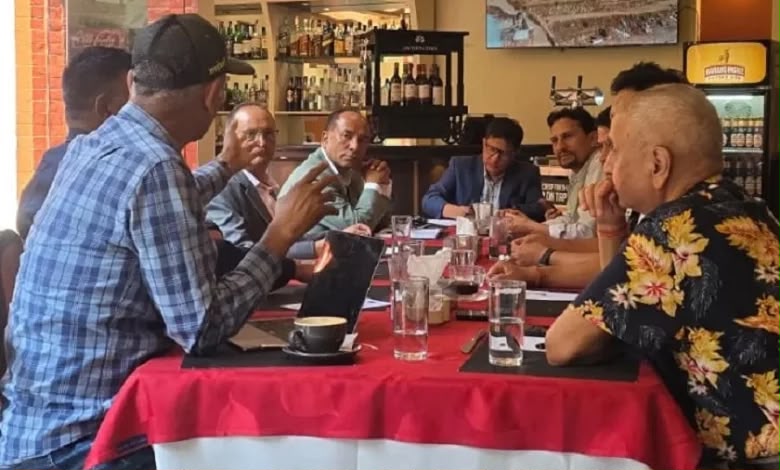



Comment