

 °C
°C Drones, rangers, and solar power: How the Everest 1° Initiative is tackling the mountain's growing waste crisis
.jpeg)
KATHMANDU: On World Environment Day, the Sagarmatha Pollution Control Committee (SPCC) and the Cimex BYD Charity Foundation (CBCF) have reaffirmed their partnership under the "Everest 1° Initiative," marking a season of significant environmental progress on the world's highest mountain even as it recorded its busiest climbing year in history.
The Spring 2026 season saw 701 climbers active across Everest, Lhotse, and Nuptse — the highest single-season figure ever recorded. Despite the volume, SPCC's waste management operations delivered measurable results. A total of 1,226 kilograms of non-recyclable waste were recovered from Camp III and the South Col, along with 210 EPI gas canisters and 1,769 poop bags brought down from higher camps. A further 6,522 kilograms of waste — including plastics, metal cans, tents, ropes, and kitchen materials — were transported through SPCC's Khumbu Icefall checkpoint.
"The scale of this season made environmental compliance more critical than ever," said Tshering Sherpa, Chief Executive Officer of SPCC. "The results show that with the right systems and partnerships in place, it is possible to manage the environmental impact of high-altitude mountaineering even at record volumes."
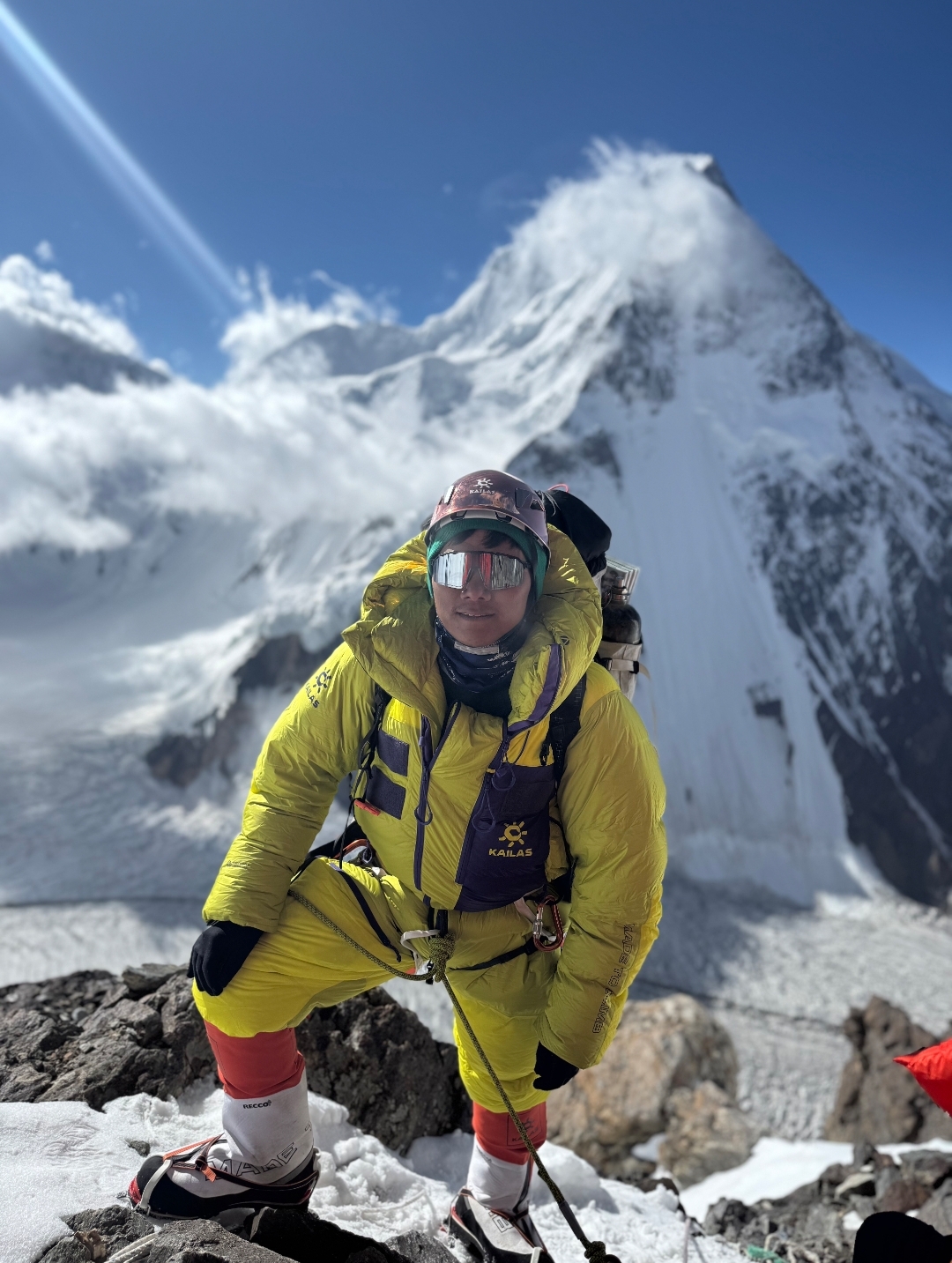
A landmark achievement of the season was the establishment of SPCC's first-ever Everest Rangers Base at Camp II, supported by CBCF. Two dedicated Everest Rangers were deployed to monitor waste management above Base Camp, verify compliance with mandatory waste-return requirements — a minimum of two kilograms from Camp III and Camp IV — and promote responsible disposal practices among expedition teams.
The initiative builds on a 2025 pilot with Airlift Technologies, during which drone technology was used to collect and transport 283 kilograms of waste from Camp I — demonstrating the potential of technology-driven conservation at extreme altitude. CBCF has also supported the installation of a 5 KVA Solar PV Power System at Everest Base Camp, providing clean renewable energy and reducing dependence on conventional fuel in one of the world's most remote environments.
Looking ahead, SPCC and CBCF are working to introduce a climber Environmental Orientation Programme, specialised human waste management systems, dedicated waste collection facilities at higher camps, and expanded drone-assisted waste transportation.
"More than 80 tonnes of waste — oxygen cylinders, plastics, climbing equipment, human waste — remain on the mountain, threatening glaciers, water sources, and the communities that depend on them," said Anil Shrestha, Chairman of Cimex Inc. "The Everest 1° Initiative is our commitment to reversing that, combining innovation, clean energy, and community engagement to protect the Himalayas for future generations."
Inspired by BYD's vision to cool the Earth by 1°C, CBCF joined hands with SPCC in 2025 to develop long-term solutions to the environmental pressures facing the Khumbu region. SPCC, founded in 1991, is a Sherpa-led non-profit dedicated to environmental protection, waste management, and sustainable development across Sagarmatha National Park.
In collaboration with more than 5,000 local communities and volunteers, SPCC also leads seasonal cleanup campaigns, maintains material recovery facilities, and promotes source segregation of waste to support a circular economy in the region.
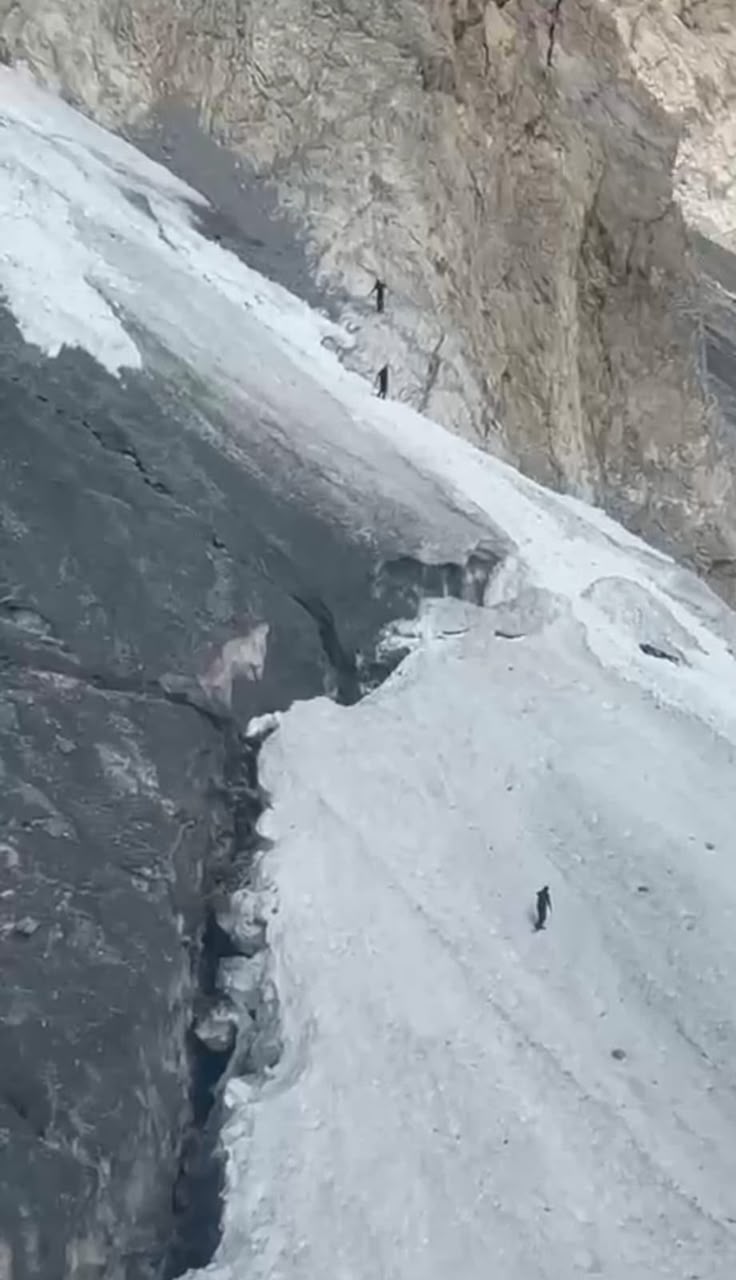
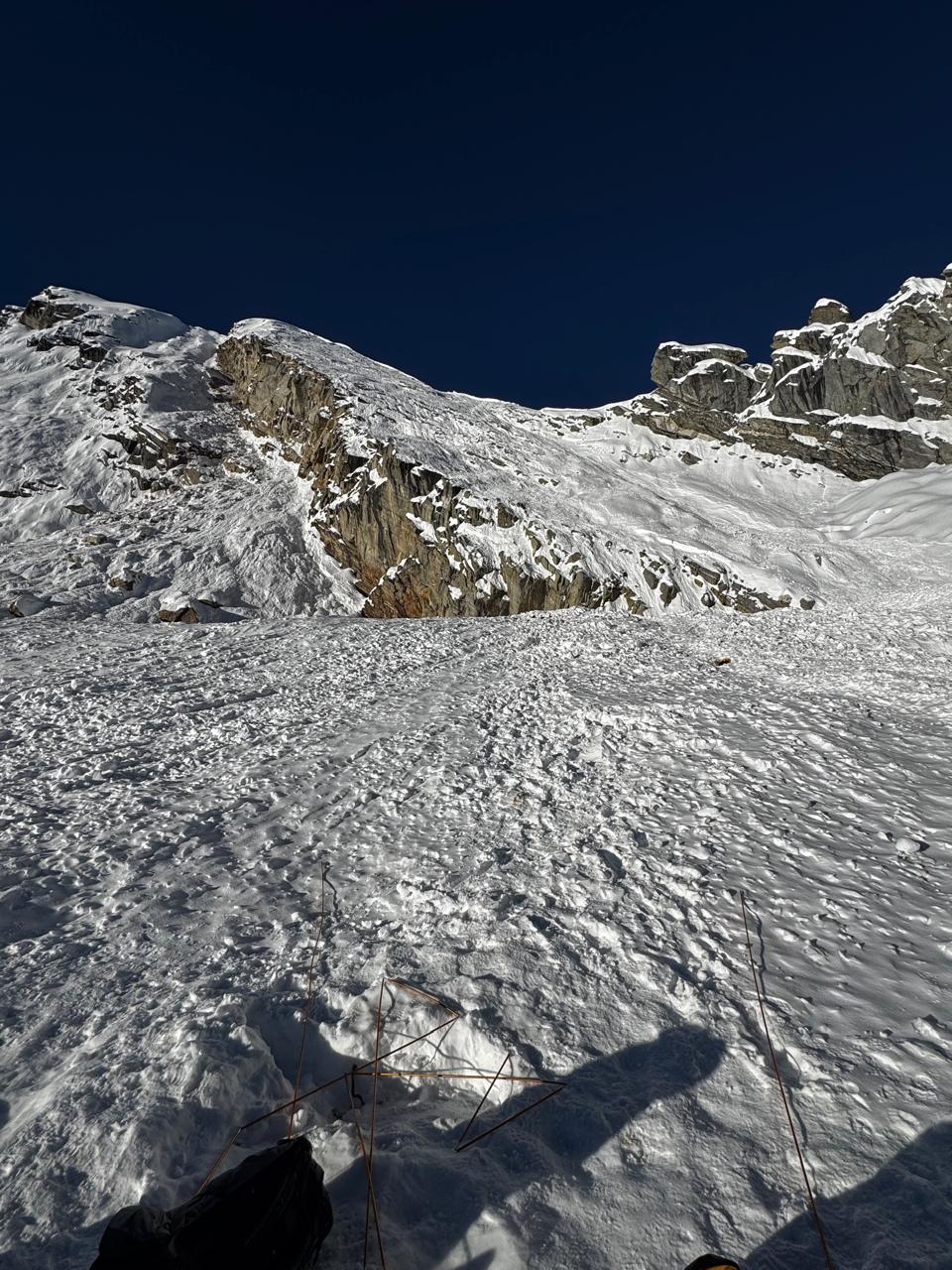
Since 1997, the committee has also been contracted by the Ministry of Culture, Tourism and Civil Aviation to construct and maintain the Khumbu Icefall Route, a hazardous section between Everest Base Camp and Camp II. A team of eight Icefall Doctors is deployed annually to manage the route during the spring climbing season.





Comment