Environment

Five ICIMOD experts to shape IPCC’s landmark climate report
Five
By Tourism Times
Published at : 29 Aug 2025, 12:31 PM

Strong Himalayan representation as experts join UN climate assessment team

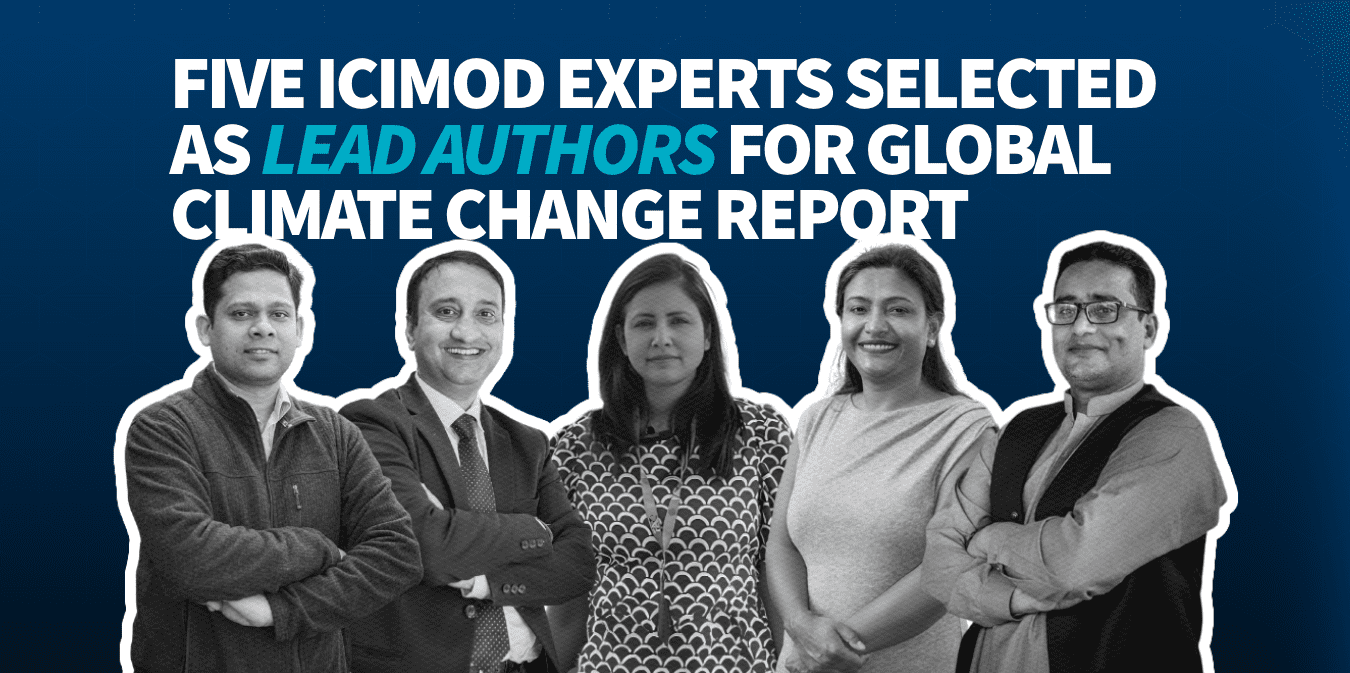
KATHMANDU: Five experts from the International Centre for Integrated Mountain Development (ICIMOD) have been appointed as lead authors for the Intergovernmental Panel on Climate Change’s (IPCC) Seventh Assessment Report, one of the most authoritative global references on climate change.

The selection gives the Hindu Kush Himalaya (HKH) region – one of the world’s most climate-vulnerable mountain systems – a stronger voice in shaping international climate negotiations and strategies.

The experts are:

  • Bhupesh Adhikary, Climate Action Lead (Working Group I – methods and knowledge sources)
  • Neha Rai, Head of Strategic Results, Partnerships and Business Development (Working Group II – metrics and methods)
  • Abid Hussain, Economies Lead (Working Group II – Asia)
  • Amina Maharjan, Senior Livelihoods and Migration Specialist (Working Group II – poverty, livelihoods, and mobility)
  • Parth Sarathi Mahapatra, Intervention Manager, Air Pollution Mitigation (Working Group III – transport and mobility systems)

They are among only 664 experts chosen from a pool of 3,771 applicants worldwide.

“Having ICIMOD’s experts in these critical roles is a huge privilege and ensures that the Hindu Kush Himalaya’s unique challenges and opportunities will receive deserved attention in the world’s foremost climate assessment,” said Izabella Koziell, ICIMOD Deputy Director General.

The Seventh Assessment Report (AR7) will build on advances in artificial intelligence, earth observation, and climate data science, while also integrating Indigenous and traditional knowledge for the first time. “Bringing together both ancient wisdom and cutting-edge technology gives us powerful tools to respond to this crisis,” said Adhikary.

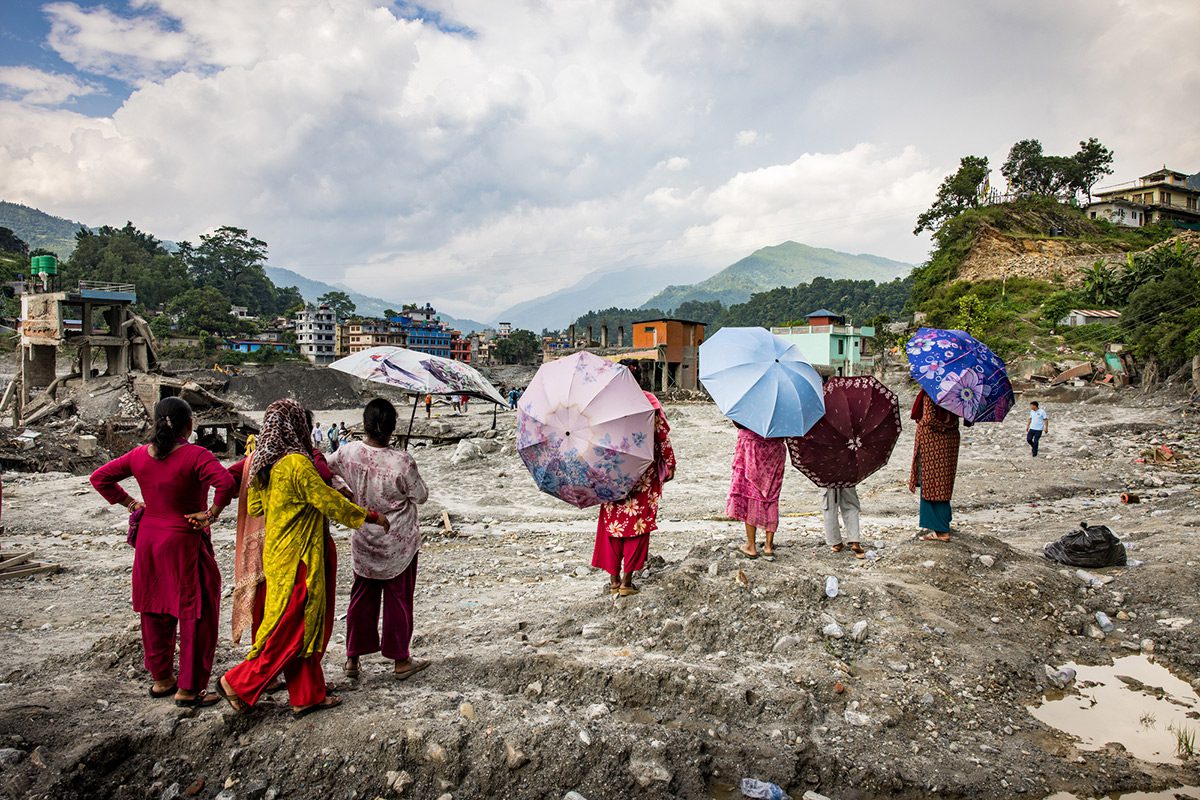
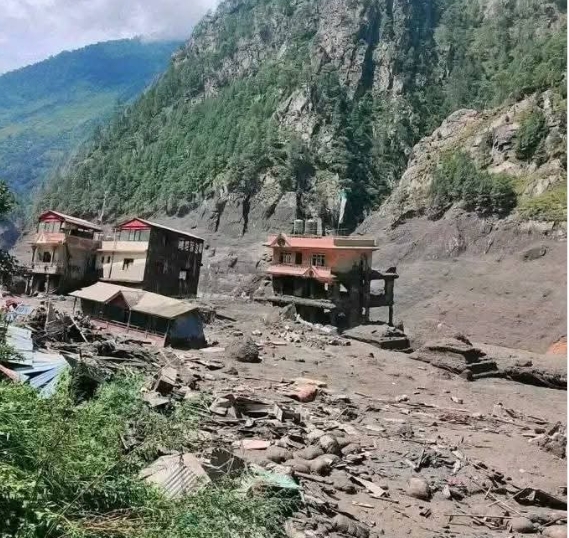
For Nepal and the wider Himalayan region, the inclusion is especially significant as mountain communities face rising climate risks: melting glaciers, erratic monsoons, biodiversity loss, and increasing livelihood insecurity. Maharjan emphasized, “Adaptation gaps are widening. This assessment is crucial to highlight evidence and urgency for protecting mountain communities and landscapes.”

Hussain added that the report offers “a critical opportunity to amplify evidence on mountain livelihoods and ecosystems – not just problems, but viable, context-specific solutions.”

The IPCC’s reports are published every 5–7 years and serve as key scientific references for governments worldwide. The new assessment will directly influence global climate policy and negotiations in the coming decade.

Tags: #Environment

Comment