

 °C
°C Himalayan Climate Charter 2026: Historic Namche Action Plan adopted to protect mountain environment
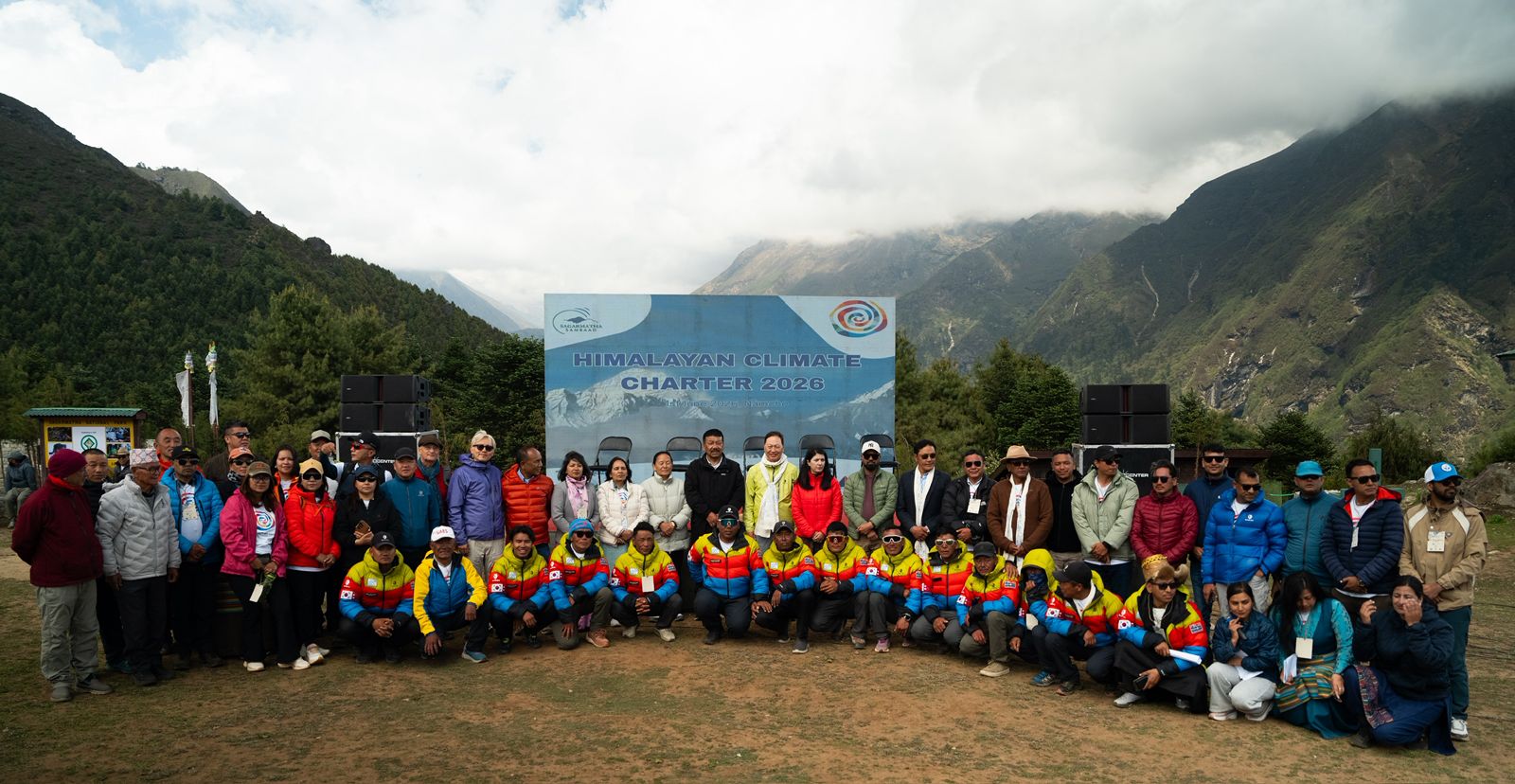
KATHMANDU: The Himalayan Climate Charter Summit has adopted the Namche Action Plan 2026–2030, a landmark framework aimed at saving the mountain environment from the growing impacts of the climate crisis.
At the second edition of the summit held in Namche Bazaar in the Everest region, stakeholders issued a global call for action by endorsing a charter that addresses climate justice and the protection of Himalayan ecosystems.
The action plan was jointly backed by the Khumbu Pasang Lhamu Rural Municipality (KPLRM), the Sagarmatha Pollution Control Committee (SPCC), and Black Yak Korea. It focuses on strengthening community-based disaster preparedness and response systems in vulnerable mountain communities. The event was attended by parliamentarians, government officials, climate scientists, academicians and local stakeholders among others.
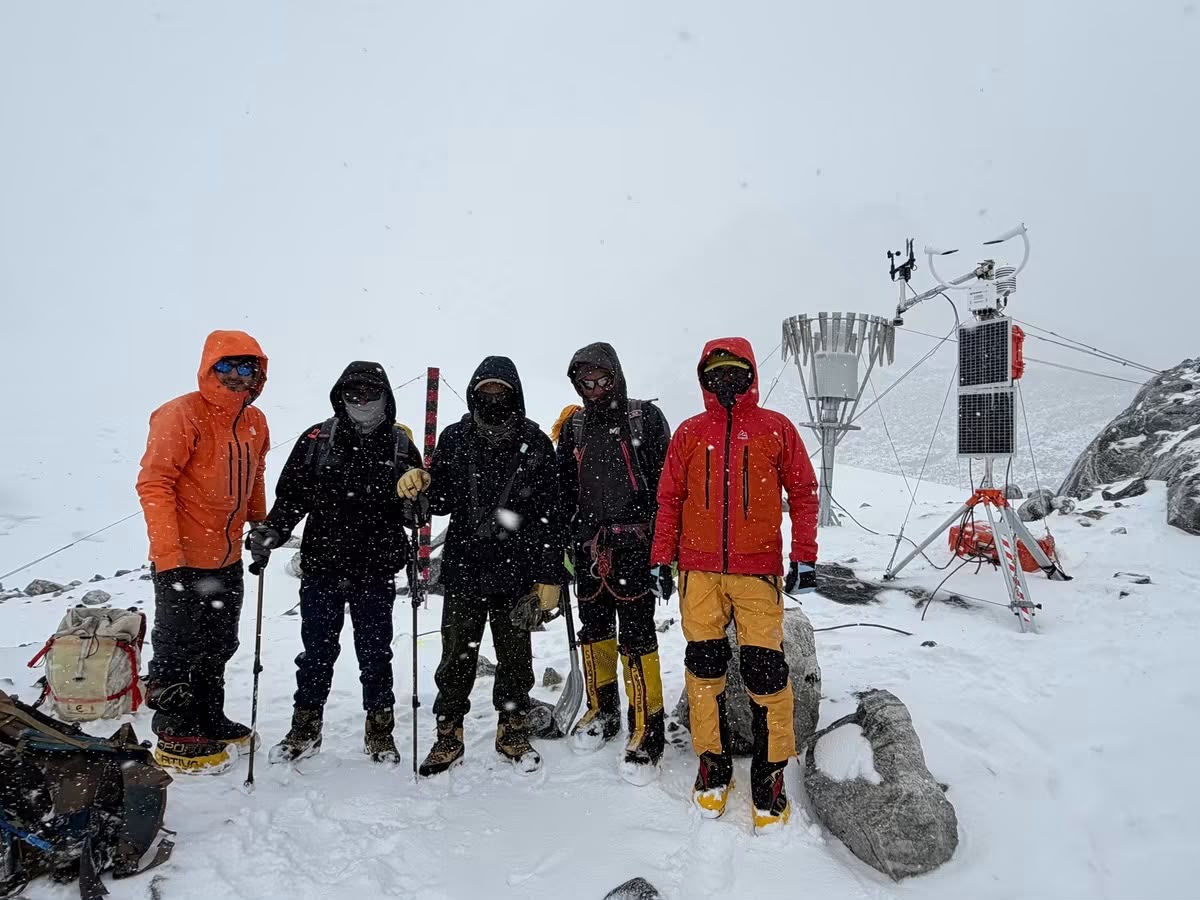
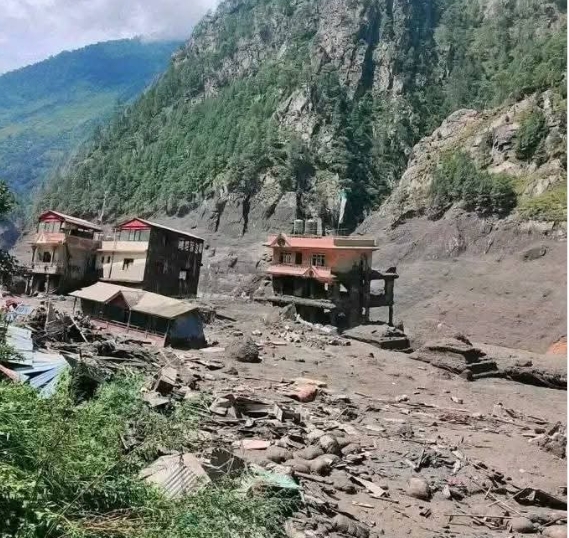
Recognising the Himalayas as one of the world’s most climate-sensitive regions, the plan also aims to expand and enhance Early Warning Systems (EWS) and climate monitoring in the Everest area. It acknowledges worsening climate impacts such as glacier retreat, growing glacial lakes, glacial lake outburst floods (GLOFs), permafrost thaw, biodiversity loss, water insecurity, and rising threats to livelihoods and local cultures.
The action plan calls for greater collaboration on glacier monitoring, cryosphere research, GLOF risk reduction, and the mitigation of the South Asian Brown Cloud.
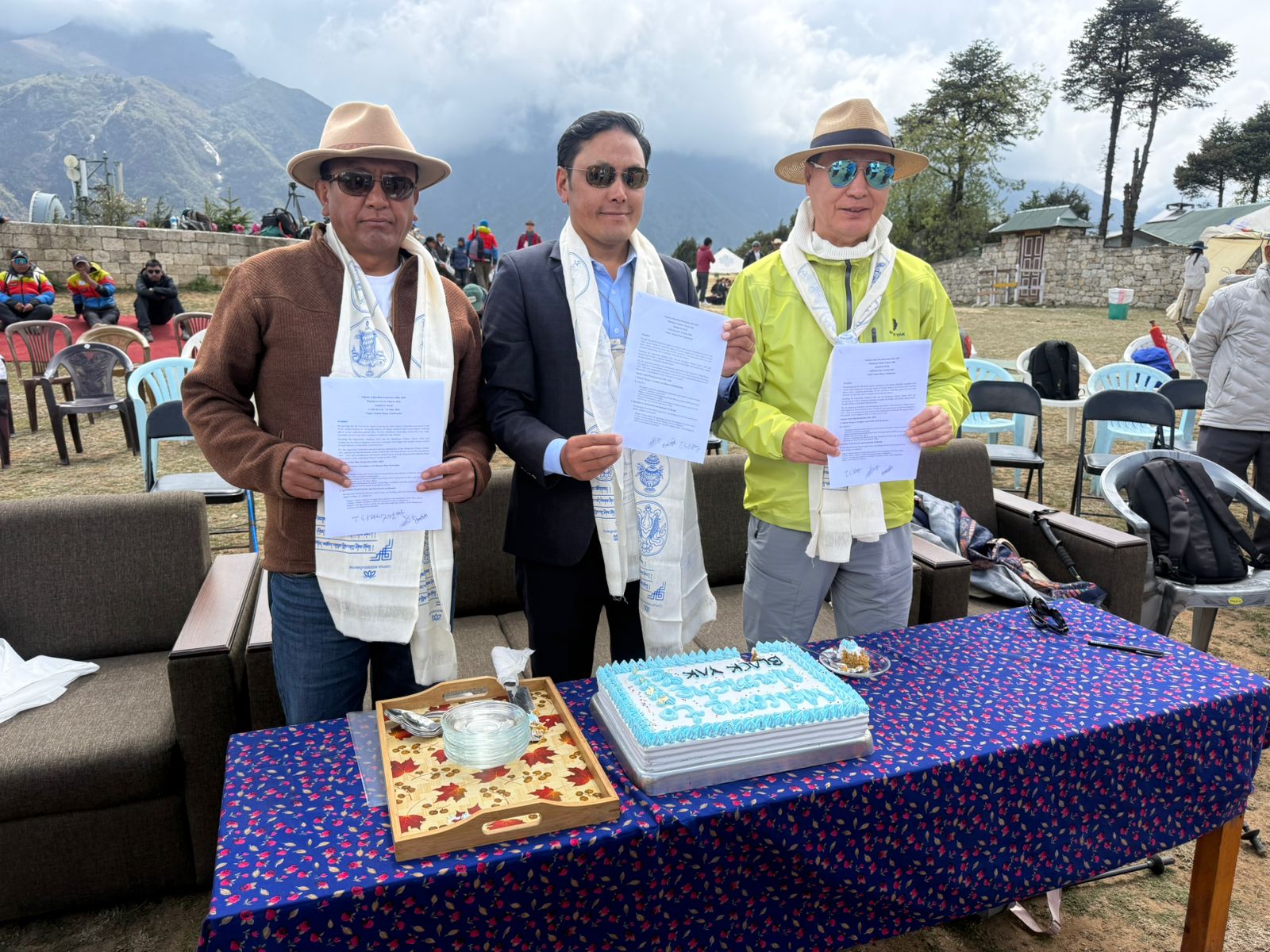
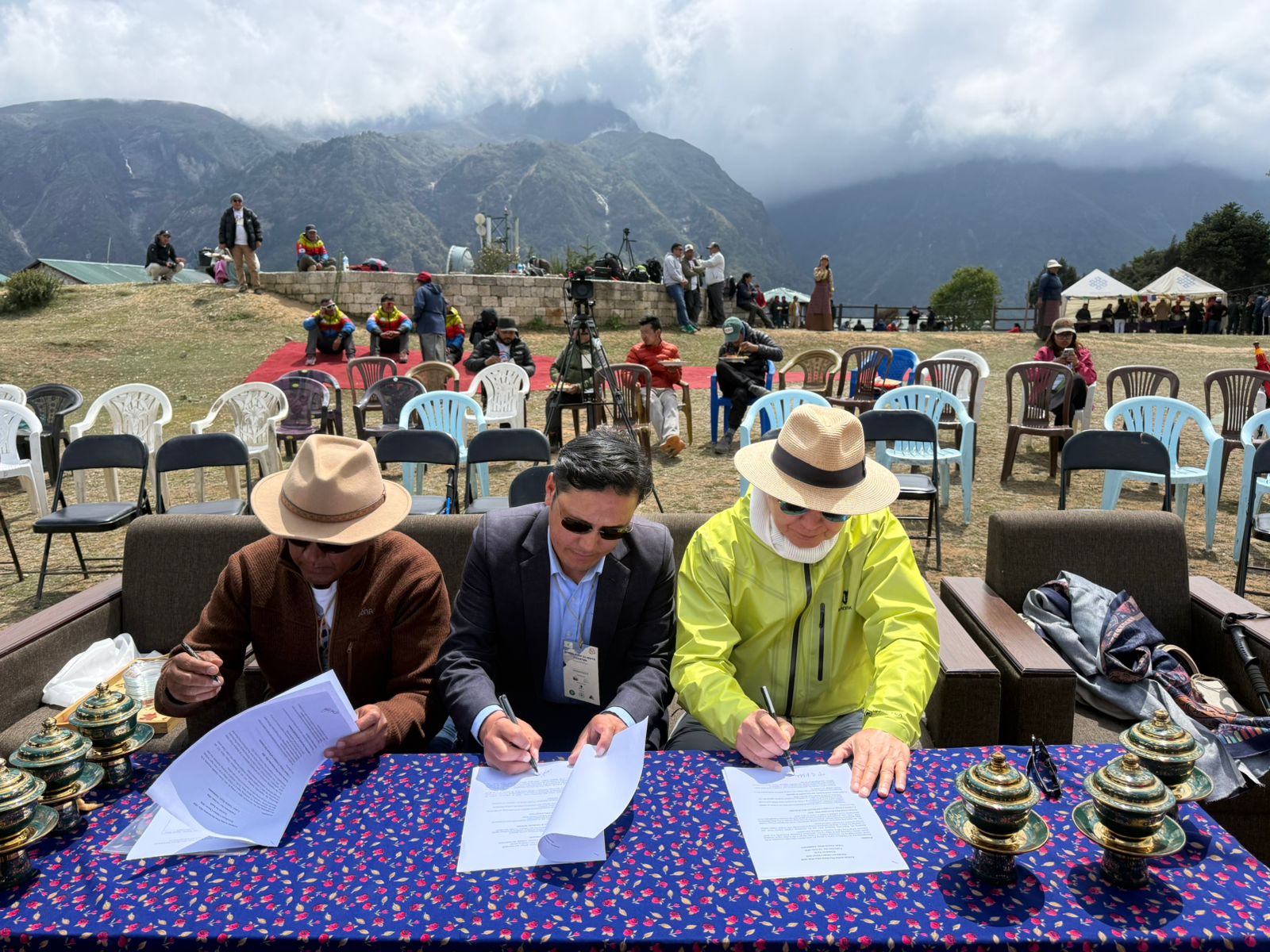
Building on the Sagarmatha Sambaad 2025 and the previous year’s charter, the document stresses the integration of traditional ecological knowledge with modern climate science through inclusive, community-led action. Signatories include SPCC Chair Lama Kazi Sherpa, KPLRM Chair Mingma Chhiri Sherpa, and Black Yak founder Kang Tae Sun.
The plan also aims to strengthen cooperation among government bodies, local institutions, the private sector, scientists, and development partners. “We are committed to supporting research, policy dialogue, and coordinated actions for resilient Himalayan communities, including market creation for agricultural products, strengthening local value chains, and climate-resilient livelihood training focused on adaptation,” the action plan states.
Acknowledging rising threats to agriculture, yak herding, and local food systems, the stakeholders also pledged to support agricultural grants and subsidies for women, youth, Indigenous farmers, and marginalised groups.
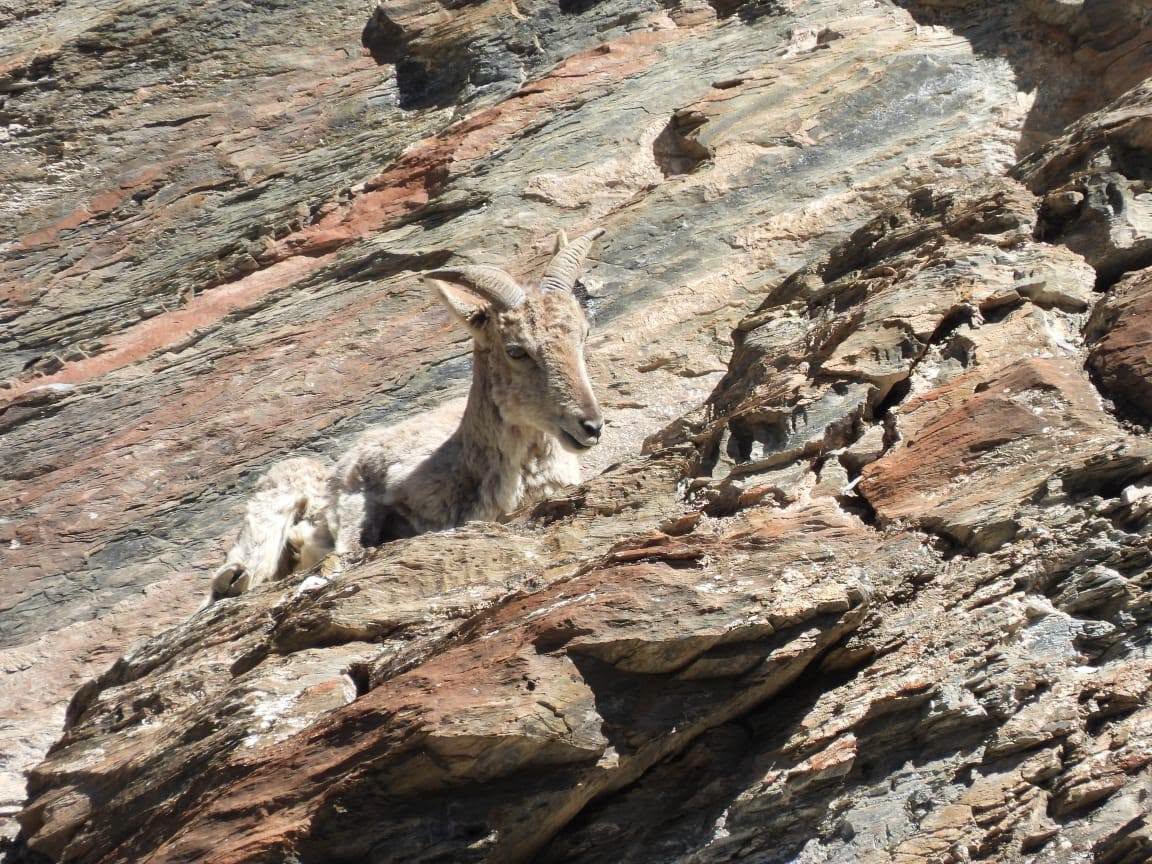
Protecting and restoring Himalayan water sources, springs, and watersheds, along with reforestation using native and water-retaining species, are also central goals. “We commit to encouraging sustainable management of forests, wetlands, and biodiversity,” the document adds.
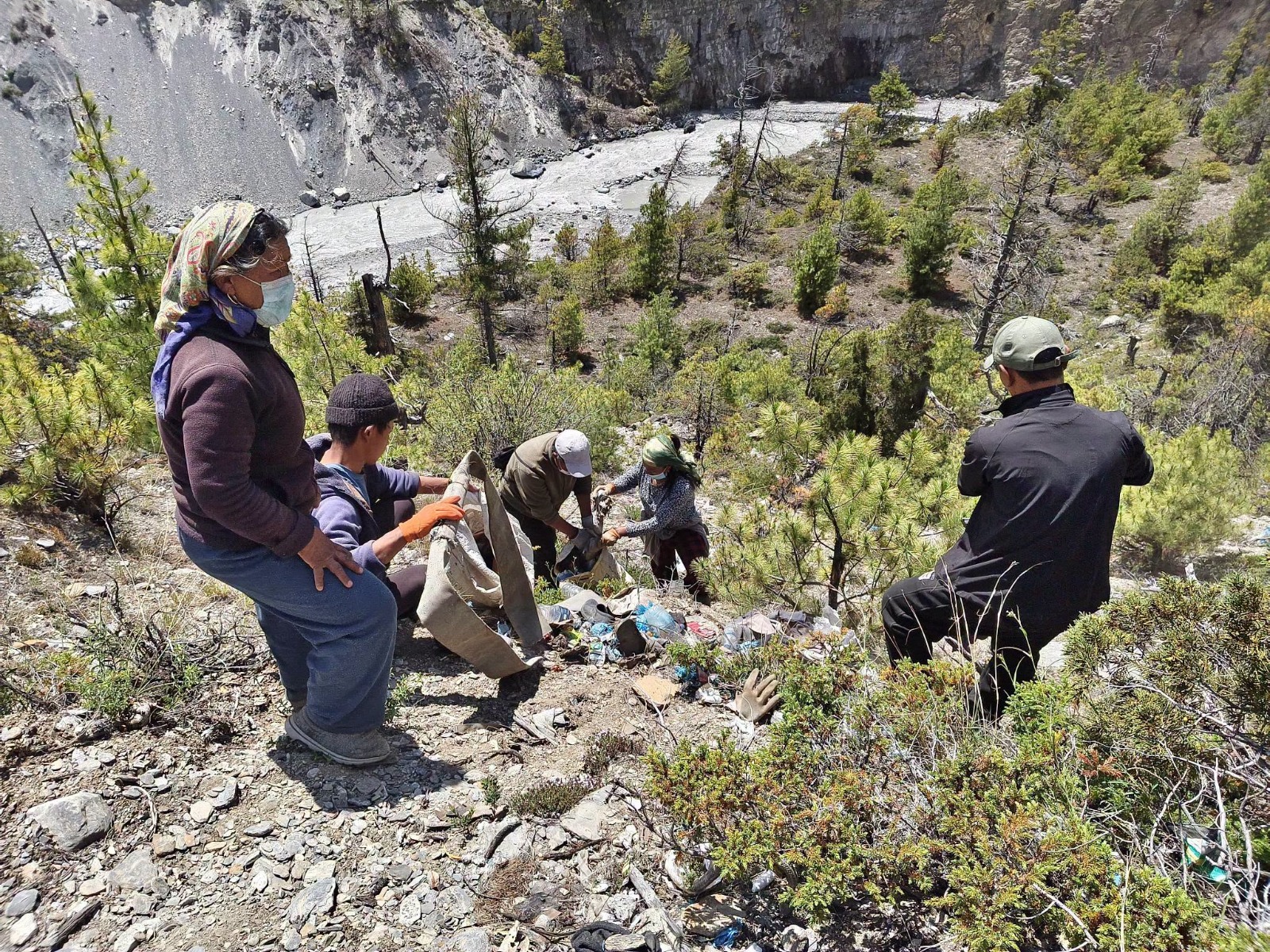
The plan promotes responsible and sustainable mountain tourism, strengthening waste management systems, reducing pollution in trekking areas, advancing circular economy approaches, and cutting single-use plastics across the Himalayas.
It further recognises and seeks to strengthen the role of Indigenous Peoples and Local Communities (IPLCs) in climate adaptation and conservation, promoting climate justice and inclusive action.
KPLRM Chair Mingma Chhiri Sherpa said: “Through this Namche Action Plan Declaration 2026–2030, we collectively reaffirm our commitment to protecting the Himalayan ecosystem, strengthening the resilience of mountain communities, and advancing collaborative climate action from the Himalayas to the global stage.”
He noted that integrating priority actions from the Khumbu Pasang Lhamu Rural Municipality’s Local Adaptation Plans of Action (LAPA) ensures that global declarations are grounded in locally driven, community-centred measures.
SPCC Chair Lama Kazi Sherpa added: “We recognise the urgency of the Khumbu context—particularly following the 2024 Ngole GLOF—and commit to continued dialogue, partnership, research and innovation, and collective action toward a just, resilient, inclusive, and sustainable future for present and future generations.”




Comment