

 °C
°C Nepal unveils ‘Living Sagarmatha’ as unified mountain resilience strategy
First nationally aligned framework targets climate resilience, biodiversity protection and sustainable mountain livelihoods
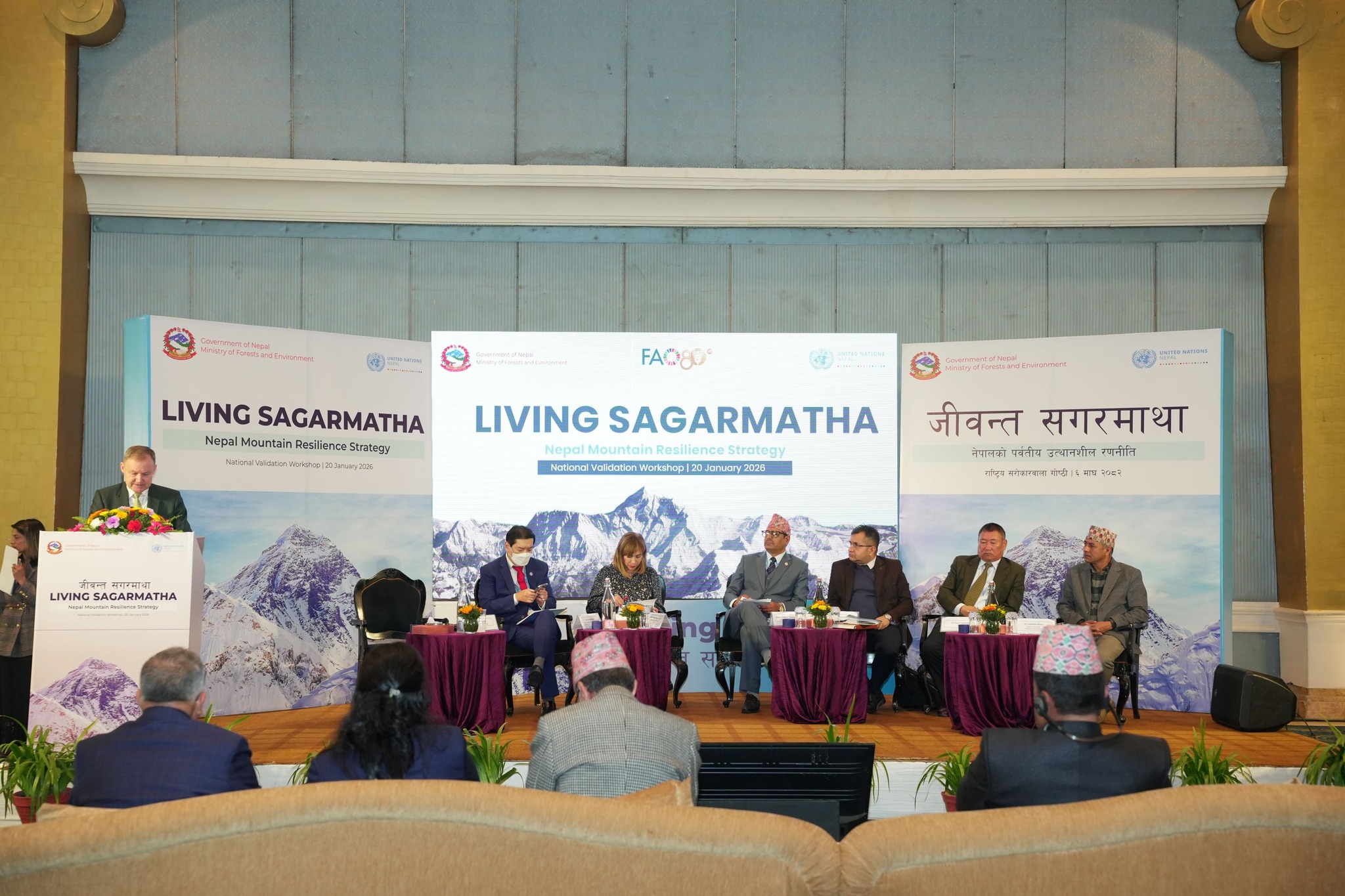
KATHMANDU: Nepal on Tuesday took a major step towards formally adopting its first comprehensive Mountain Resilience Strategy as the National Validation Workshop of “Living Sagarmatha: Nepal Mountain Resilience Strategy” concluded in Kathmandu, underscoring the country’s push for a unified response to climate change impacts in the Himalayas.
Led by the Ministry of Forests and Environment, with coordination support from the UN Resident Coordinator’s Office and technical assistance from FAO and UNEP, the workshop brought together senior government officials, diplomatic missions, UN agencies, development partners, civil society, technical institutions and community representatives.
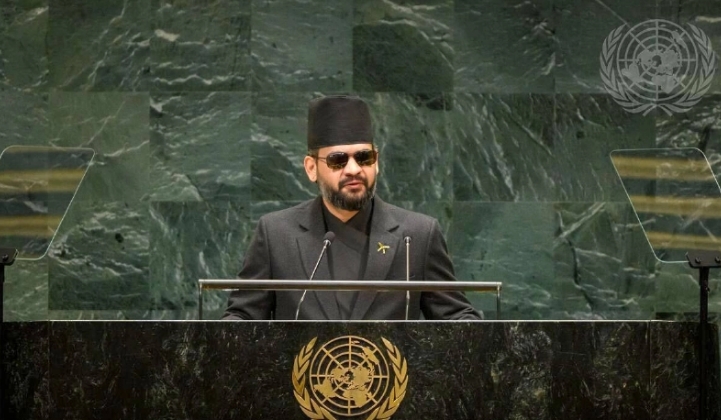
During the event, Minister for Forests and Environment Madhav Prasad Chaulagain released the book Living Sagarmatha: Nepal’s Mountain Uplift Strategy, while the ministry formally unveiled the Living Sagarmatha: Nepal Mountain Resilience Strategy.
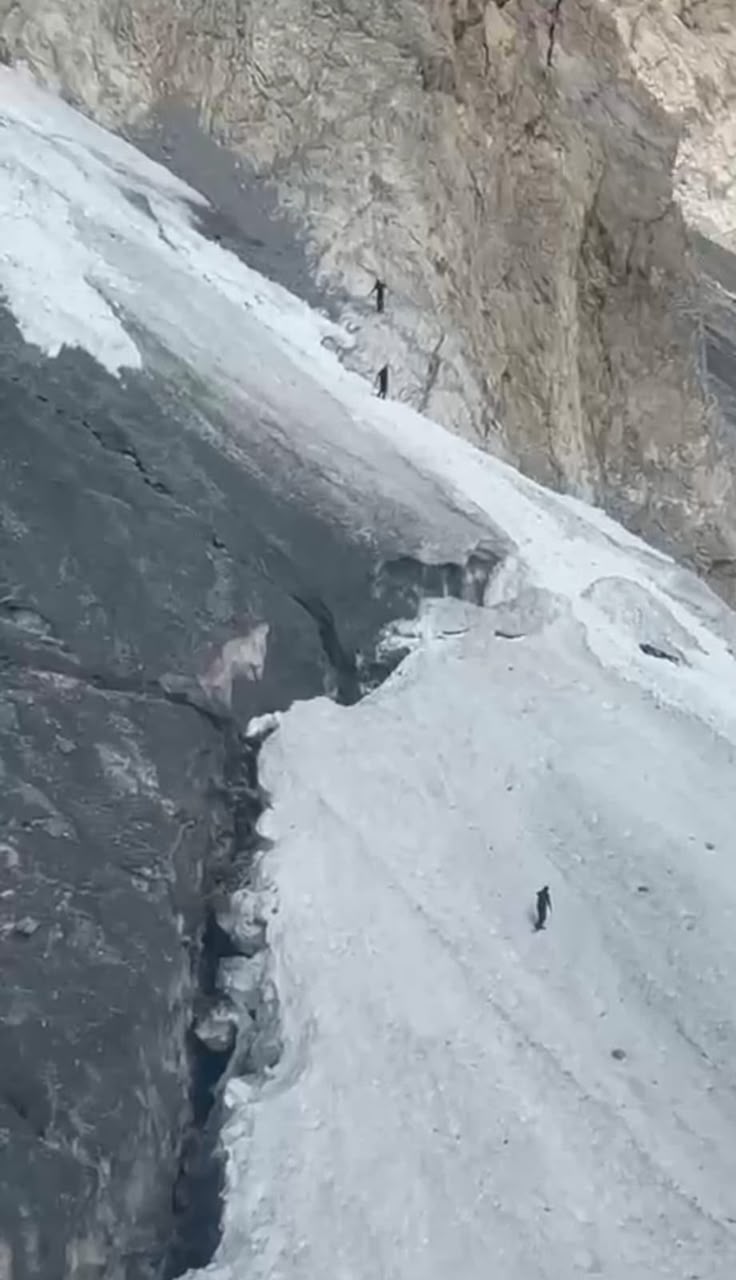
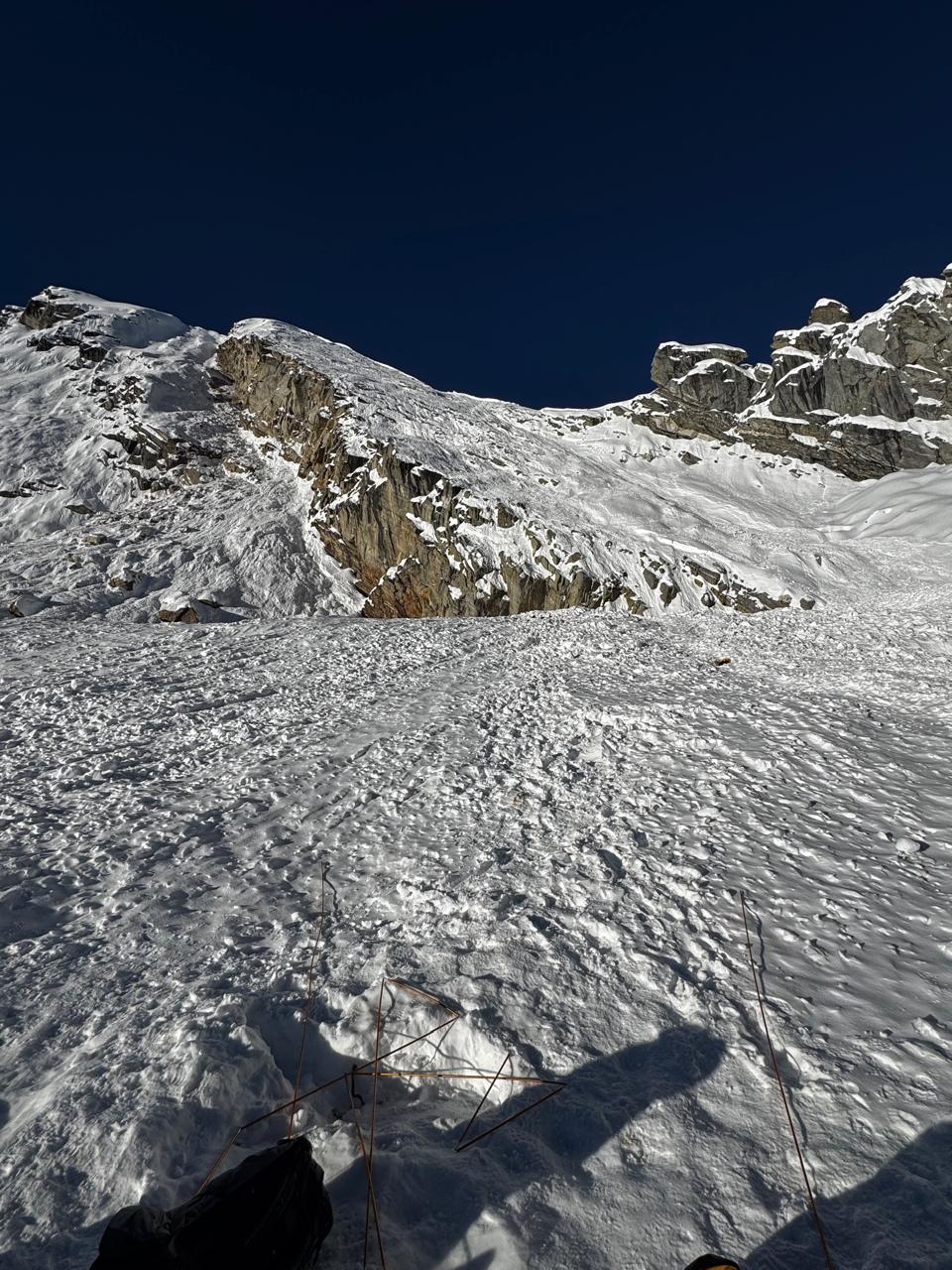
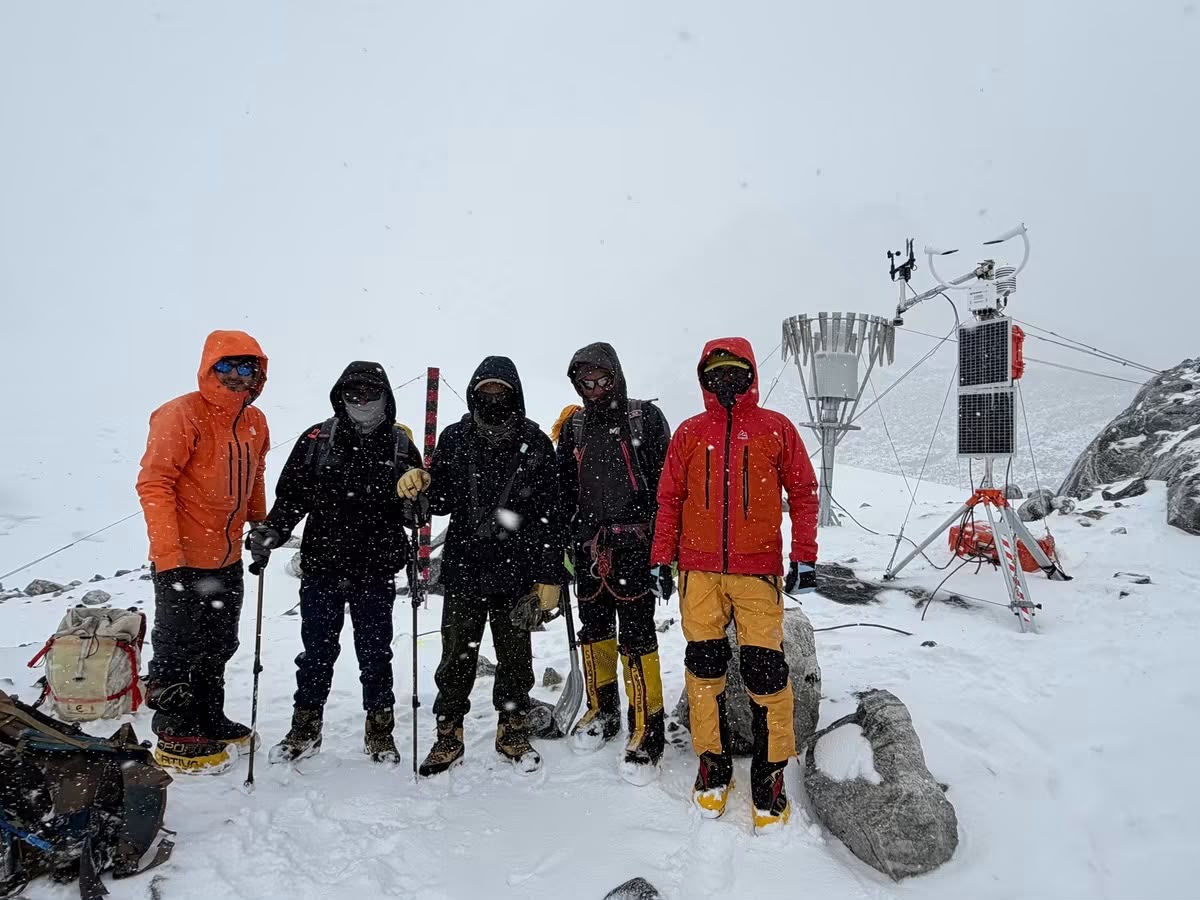
The strategy marks a shift away from fragmented, sector-based interventions towards a single, nationally aligned vision for mountain resilience over the next decade. It focuses on mitigating climate change impacts, conserving mountain biodiversity, ensuring sustainable forest management, protecting water resources, and safeguarding the livelihoods of mountain communities.
It also places strong emphasis on creating economic opportunities through mountain agriculture, medicinal herbs production, tourism promotion, renewable energy, agroforestry, and value-chain development of local products, aiming to enhance economic productivity alongside environmental conservation in Nepal’s Himalayan and mountainous regions.
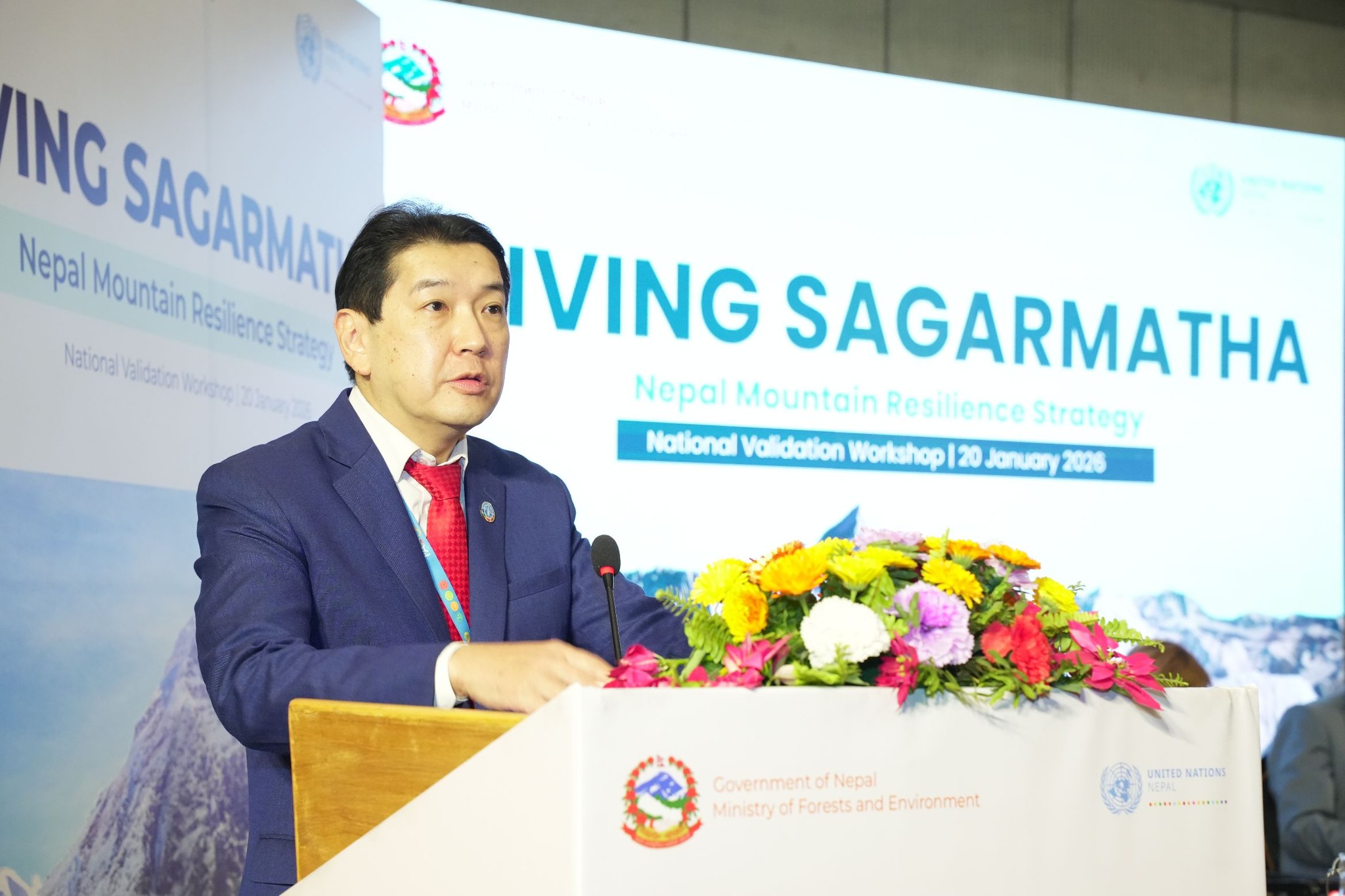
Photo Courtesy: FAO Nepal
Speaking at the workshop, FAO Representative for Bhutan and Nepal Ken Shimizu described the strategy as a timely and priority document for national planning and global mountain advocacy, stressing the urgency of channeling climate finance to mountain communities amid reduced snowfall, environmental degradation and growing risks to Himalayan livelihoods.
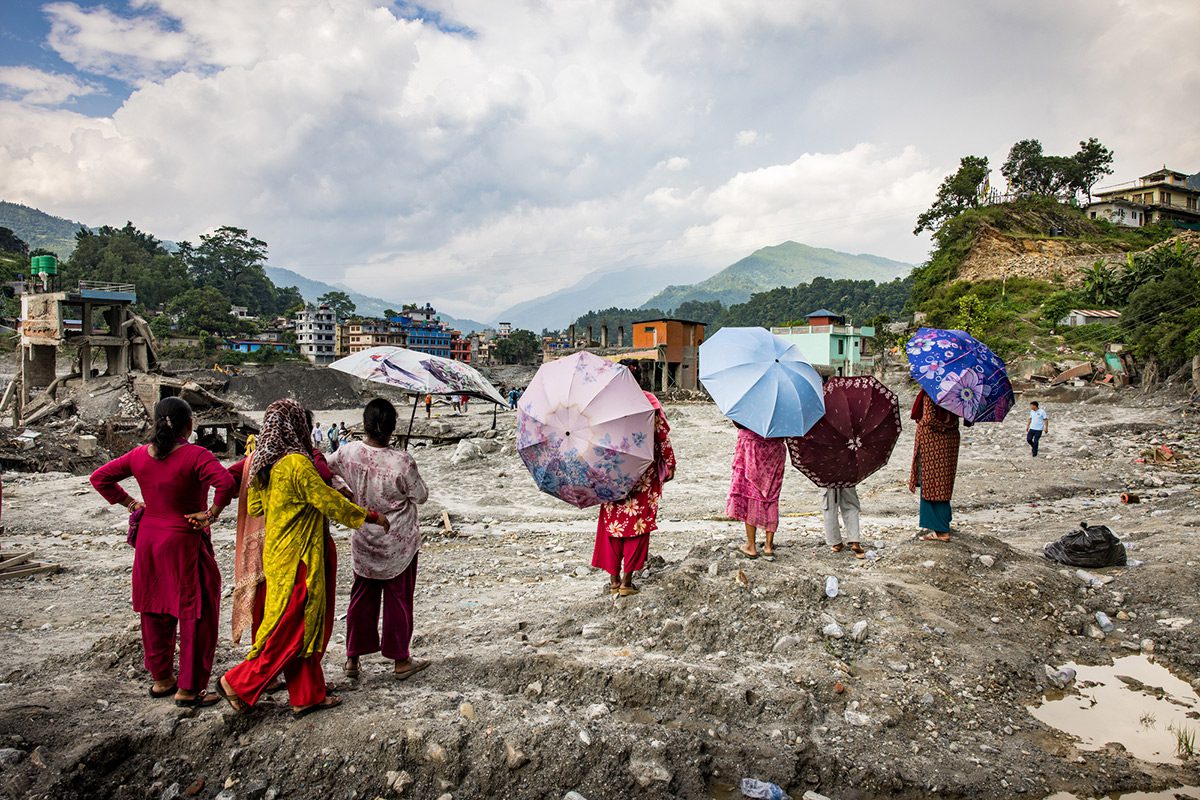
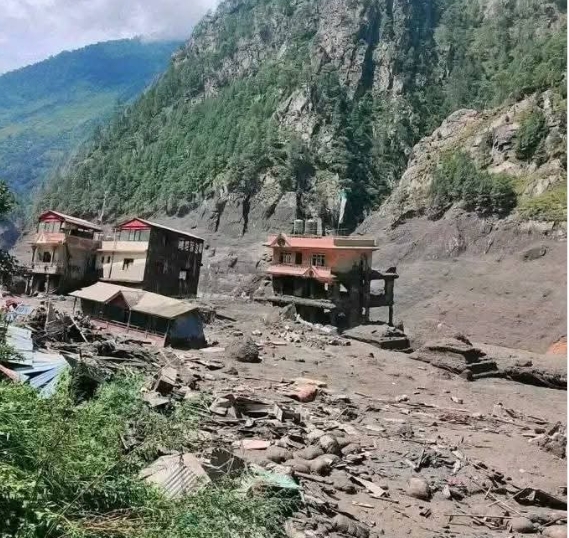
Mountains cover over 80 percent of Nepal’s territory and are critical for regional water security, biodiversity, food systems, energy generation and climate regulation across South Asia. However, they have remained under-represented in climate finance and adaptation planning.
Addressing this gap, Living Sagarmatha outlines 35 priority interventions requiring an estimated USD 4.08 billion in investment, integrating climate adaptation, disaster risk reduction, ecosystem restoration, resilient livelihoods and inclusive governance. The framework aligns with Nepal’s commitments under the Paris Agreement, the Kunming-Montreal Global Biodiversity Framework, and the 2030 Agenda for Sustainable Development.
The UN Resident Coordinator in Nepal highlighted the broader regional relevance of the strategy, describing Sagarmatha as a shared asset for South Asia and beyond, and calling for collective leadership and concrete action.
Minister Chaulagain said the strategy reflects Nepal’s resolve to protect its mountains through strong coordination, clear timelines and sustained investment, adding that Living Sagarmatha is intended to be a “living framework” delivering tangible benefits for mountain communities and future generations.
The workshop also featured a technical panel stressing the central role of water systems linking ecosystems, communities and economies across Nepal, and the need for long-term improvements through integrated resource management.
The validation workshop marks a key step towards formal endorsement and implementation of Living Sagarmatha, positioning Nepal as a leading global advocate for mountain resilience at a time of accelerating climate risks.

Comment