The Tourism Times | Breaking tourism-related news from Nepal and beyond
°C
Environment
Rasuwagadhi flood disrupts travel and trade as experts urge better monitoring of Himalayan hazards
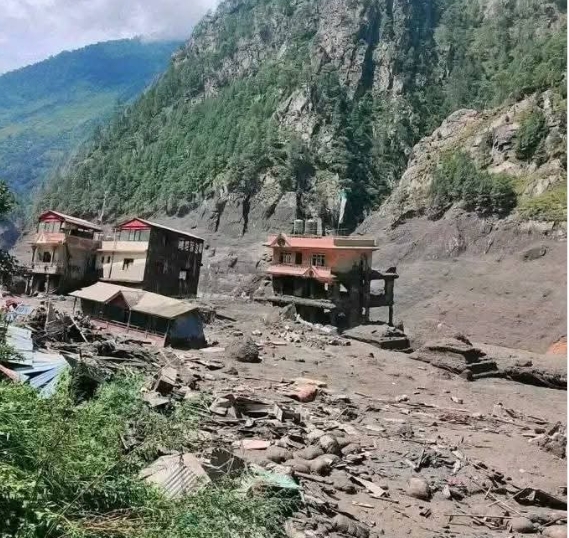
Photo Courtesy: Nepali Army/facebook
By
Tourism Times
Published at : 15 Jul 2025, 12:00 AM
Flash flood damages key tourism route and cross-border infrastructure; scientists warn of rising glacial lake risks
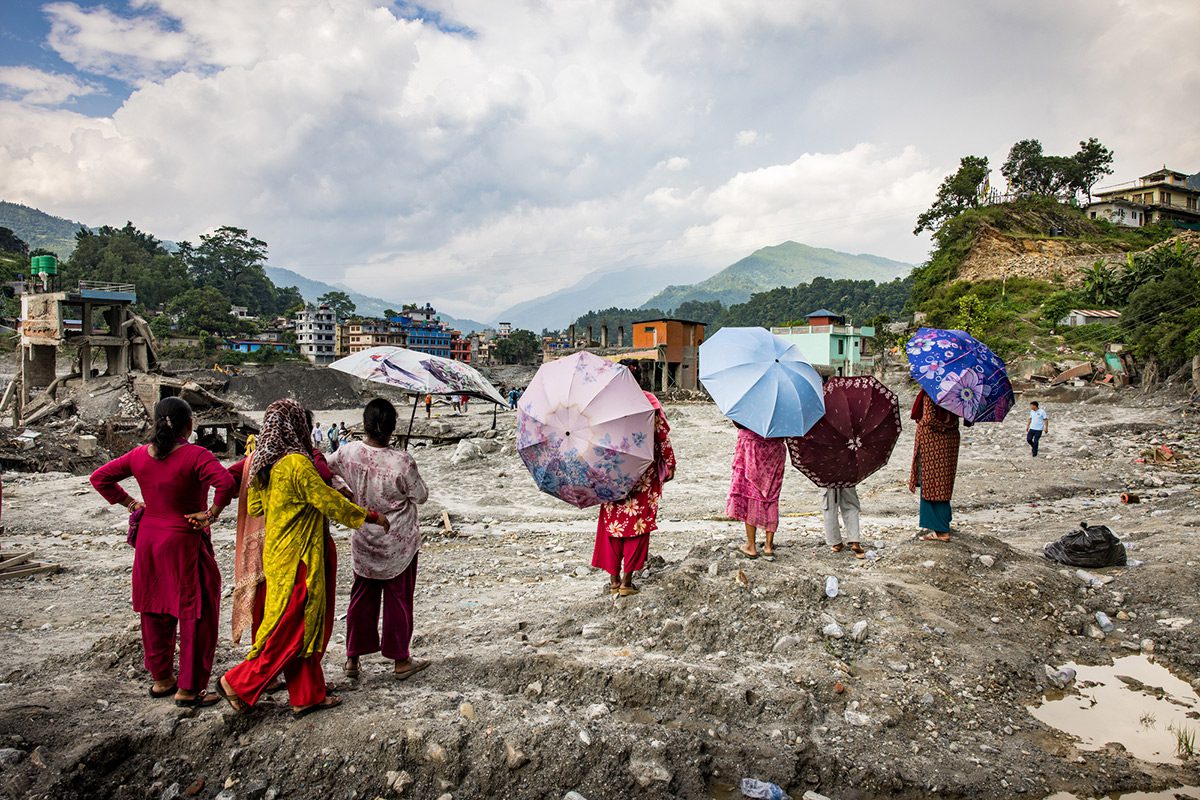
KATHMANDU: A devastating flash flood that entered Nepal through the Rasuwagadhi border point early on July 8 has left at least 20 people missing and caused major damage to cross-border trade and infrastructure in northern Rasuwa. Among the missing are three Nepal Police personnel, six Chinese nationals, and 11 Nepali citizens.
The flood, which struck around 3:00 AM, swept away the Miteri Bridge, a vital cross-border link to China, and damaged the Rasuwagadhi Hydropower Project, customs office, and dozens of electric vehicles and trucks. Travel and trade along the Syafrubesi–Rasuwagadhi road remain suspended, cutting off access to the Langtang region and nearby trekking areas.
Rescue teams, including the Nepali Army, police, and volunteers, having rescued 55 people in the aftermath of the flood. High alert remains in place as continued rainfall in Tibet raises the risk of further flooding.
While early reports had speculated about heavy rainfall, experts from the International Centre for Integrated Mountain Development (ICIMOD) say extreme rain was not the trigger. Instead, a glacial lake breach at the Purepu Glacier—first identified as a small pond in late 2024—has been confirmed as the flood source. The lake expanded rapidly before bursting.
ICIMOD scientists warn that the Hindu Kush Himalaya region is seeing an unprecedented rise in glacial-origin floods. Small, short-lived supraglacial lakes, often invisible in standard satellite imagery, are now triggering deadly events. The Rasuwa and Upper Mustang floods occurred just 24 hours apart.
Despite efforts underway through UNDP and Asian Development Bank-supported projects, ICIMOD says much more needs to be done to safeguard mountain communities and critical tourism infrastructure from these unpredictable hazards.
"We're talking about a huge expanse of terrain where these sorts of lakes can develop, and the monitoring data and method to keep on top of pace of changes we're now seeing simply does not yet exist," says Qianggong Zhang, head of Climate and Environmental Risks at ICIMOD.
At present, only two lakes-Imja and Tsho Rolpa-have early warning systems. The absence of real-time monitoring for hundreds of smaller lakes leaves mountain communities exposed, he added.
The tourism and trekking sector, already sensitive to road access and weather hazards, faces added pressure as these new types of glacial floods become more frequent. Experts are calling for urgent investment in monitoring high-altitude lakes, updating hazard maps, and expanding early warning systems beyond just a few known lakes like Imja and Tsho Rolpa.


 °C
°C 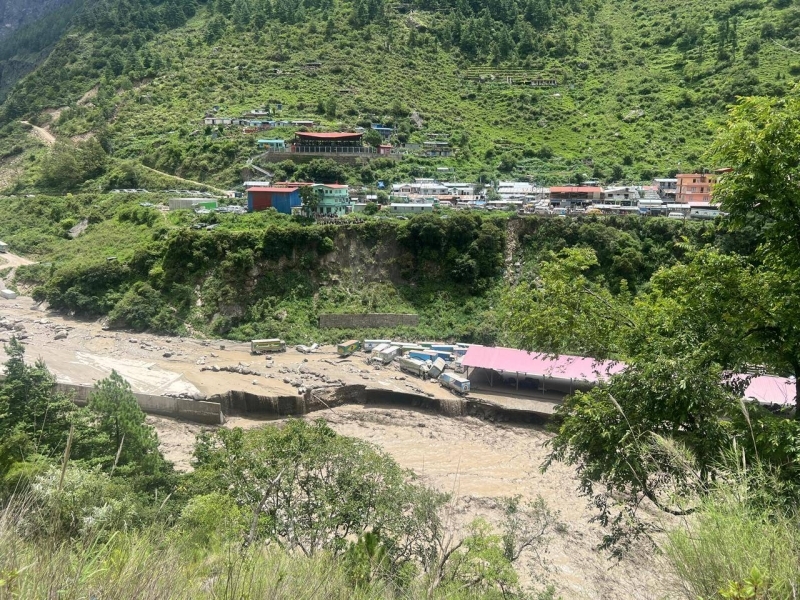

Comment