

 °C
°C Rising waste in Himalayas prompts Nepal to formulate cleanliness strategy
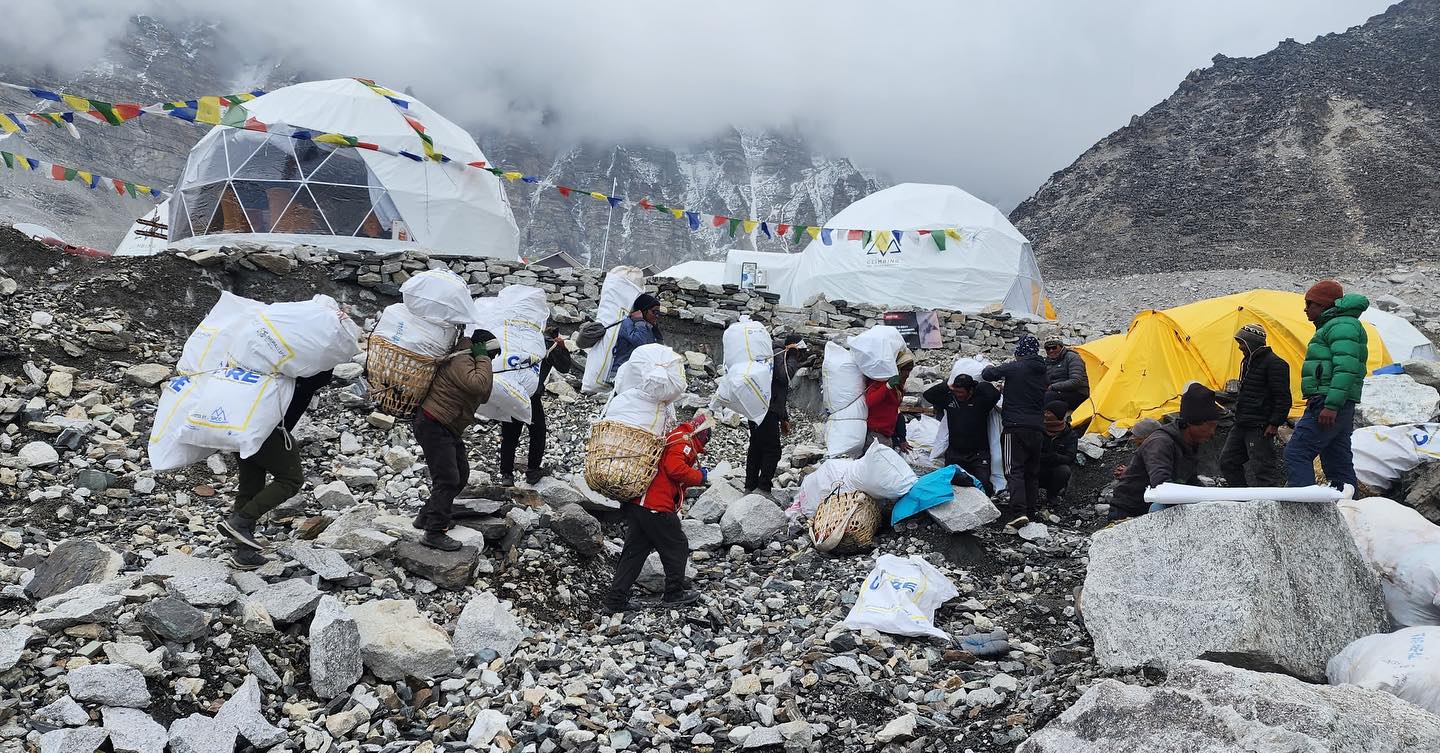
KATHMANDU: With the growing influx of climbers in Nepal’s high Himalayan regions, waste management has emerged as a critical environmental challenge. The Government of Nepal has now prepared a comprehensive strategy for 2082–2086 to ensure clean and sustainable mountain expeditions. This strategy was approved by the Ministry of Culture, Tourism, and Civil Aviation on the very day the new Tourism Minister, Anil Kumar Sinha, assumed office.
The strategy comes amid increasing reports of litter, including used oxygen cylinders, packaging, human waste, and discarded climbing equipment, which are damaging the natural beauty, hygiene, and ecological balance of the Everest and Khumbu regions. Authorities warn that unchecked waste could also pose serious risks to local communities and wildlife.
The Constitution of Nepal and environmental laws mandate the protection of the Himalayas from pollution, the strategy stated. Accordingly, ministries, local governments, security agencies, expedition management teams, and community organizations are collectively responsible for implementing coordinated waste management practices.
Climbers currently coordinate with various agencies for equipment return and waste disposal, but operational gaps and lack of accountability have hampered effective environmental protection, according to the experts involved in drafting the strategy.
Key challenges highlighted
In the strategy, experts note that many climbers lack the knowledge and skills to manage waste responsibly. While the government issues permits and monitors expeditions, there is no unified system for assigning accountability.
"Anyone can obtain a climbing permit from the government if they meet the prescribed standards. However, many climbers lack the skills, knowledge, and awareness to manage waste and mitigate potential environmental hazards effectively. Consequently, they often fail to follow environmental standards, manage waste properly, or use equipment like bags, bins, or containers correctly, resulting in environmental degradation," the experts in the strategy noted.
"Previously, climbers paid little attention to waste management, often discarding used materials along the climbing routes. Over the years, waste—including human excreta, packaging, and other discarded items—accumulated around base camps and higher camps, contributing to long-term environmental damage," the strategy added.
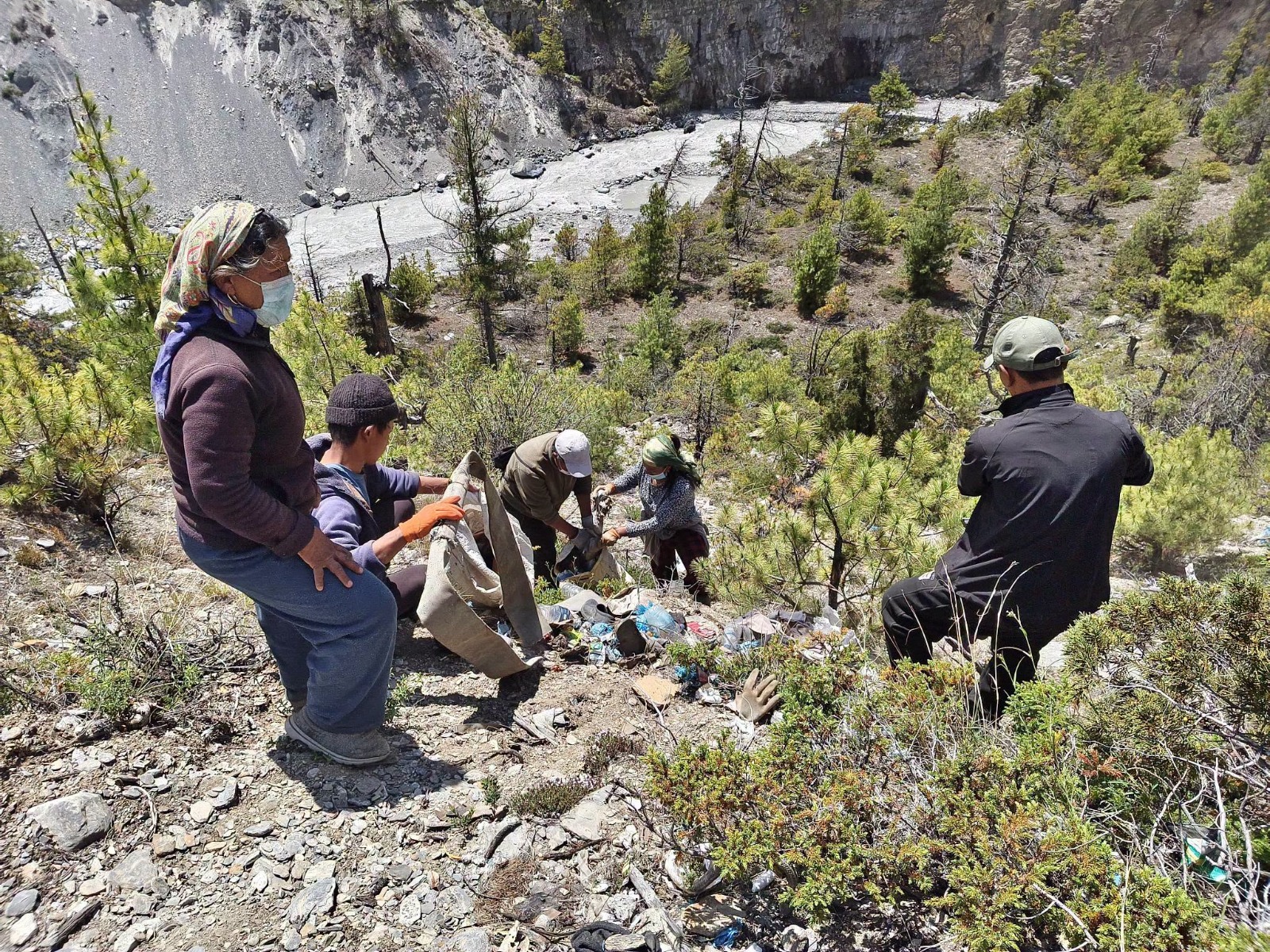
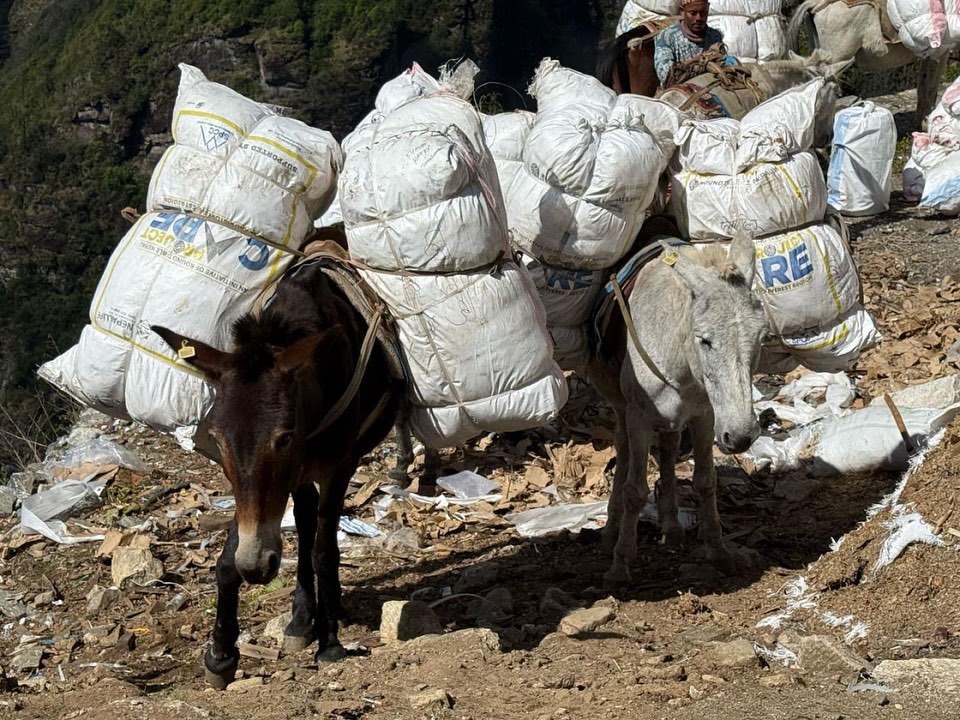 Photo Courtesy: SPCC/facebook
Local authorities, hotel operators, and expedition organizers play roles in waste management, but without integrated systems and trained personnel, the Himalayas remain vulnerable to environmental degradation.
Strategic goals
The newly formulated strategy aims to:
- Establish an integrated and coordinated waste management system across the Everest and Khumbu regions.
- Ensure climbers comply with environmental standards and waste collection practices.
- Enhance accountability among all stakeholders, including government agencies, expedition teams, and local communities.
- Provide necessary resources, equipment, and trained personnel for effective waste management.
- Promote sustainable and environmentally responsible mountaineering practices.
Officials emphasize that effective implementation of this strategy is critical to maintaining clean, safe, and sustainable Himalayan expeditions, while preserving Nepal’s natural heritage for future generations.






Comment